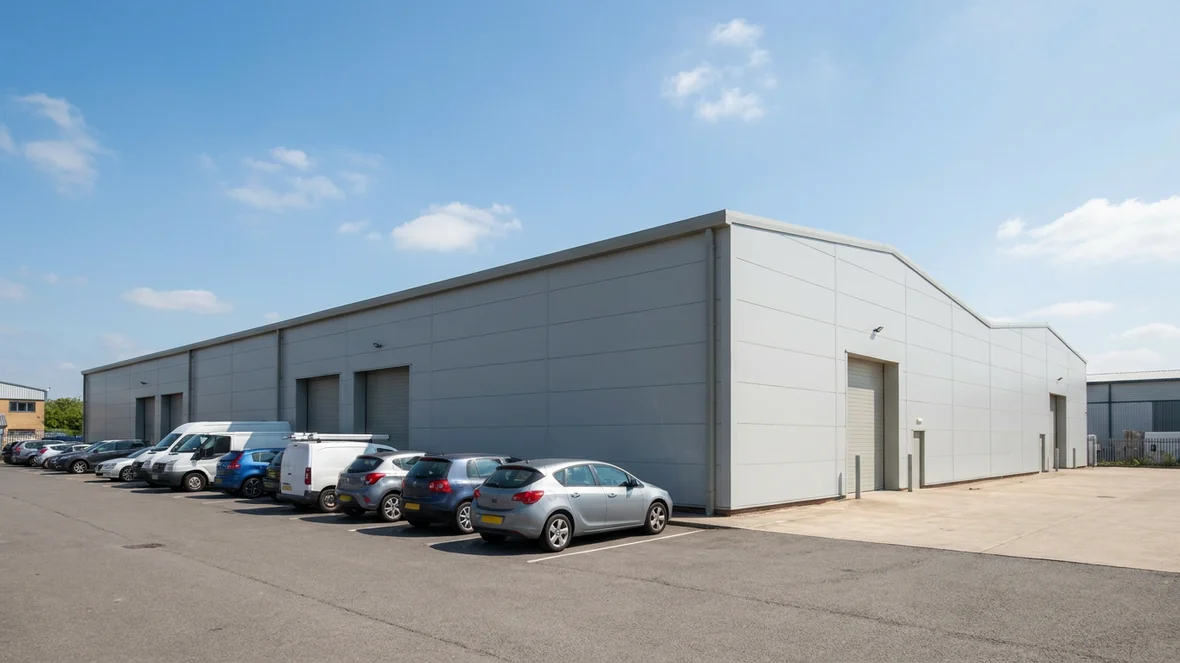
Commercial wall coating in Colchester
Colchester likes to remind visitors that it is Britain’s oldest recorded town, and its commercial building stock reflects centuries of layered growth: older brick and rendered frontages in the centre, Victorian commercial streets, garrison-era buildings, and modern business parks on the town’s expanding edges. Commercial wall coating in Colchester has to respect that variety. East Anglia is drier than the west of England, but easterly winds push rain hard against exposed elevations, and long winters still drive the freeze-thaw cycle that opens up tired render and paintwork. Our rule across all of it is simple: no specification and no price until the building has been surveyed.
What tends to prompt an enquiry here
Most Colchester owners contact a coating contractor because of something visible, and those symptoms are exactly what a survey reads as evidence:
- Paint chalking, flaking or fading within a few years of redecoration
- Cracked or hollow-sounding render on older frontages
- Staining and green growth on weather-facing elevations
- Damp showing internally on external walls
- Frost-spalled brick faces after hard winters
Each of these has more than one possible cause, and the correct response ranges from a full coating system to a minor repair to nothing at all. Diagnosis decides, not the symptom.
The local stock in honest, general terms
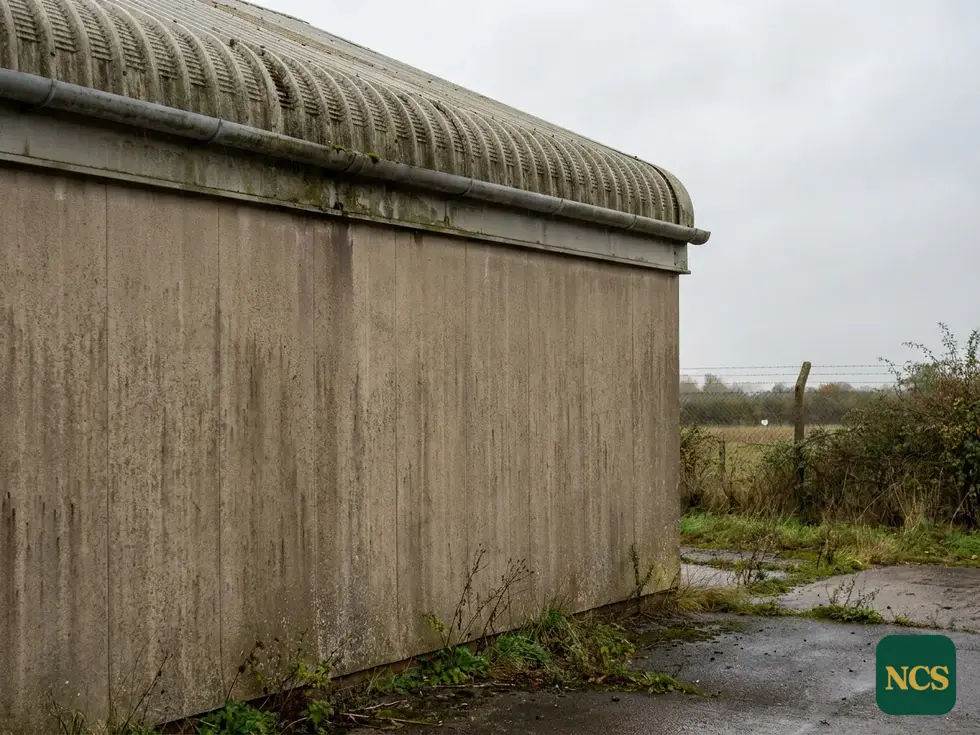
Without claiming any specific building, the commercial work this service involves around Essex’s oldest town typically means Victorian and Edwardian brick premises in continued trading use, rendered shopfronts and offices through the centre, mixed-use buildings with flats above commercial ground floors, and steel-framed units with masonry or rendered elevations on the business parks. The older solid-walled stock often needs a breathable approach, and anything with heritage sensitivity needs particular care before a modern film-forming product is even considered. Newer framed buildings are a different conversation entirely. The survey exists to establish which conversation your building requires.
How the survey-led process runs
We inspect the elevations, take moisture readings, test render adhesion, examine pointing and brick faces, and check the copings, sills and rainwater goods that cause most of the water ingress we find. You then receive written findings with repairs, preparation and the proposed coating system itemised separately, so the quotation can be compared honestly with any other. On site, causes are fixed first, preparation comes second, and application happens last in weather that suits the product. Survey coverage extends across Essex and into Suffolk, which places Clacton-on-Sea, Braintree, Ipswich and Chelmsford on the same footing as Colchester itself.
When coating is not the answer, and why that matters
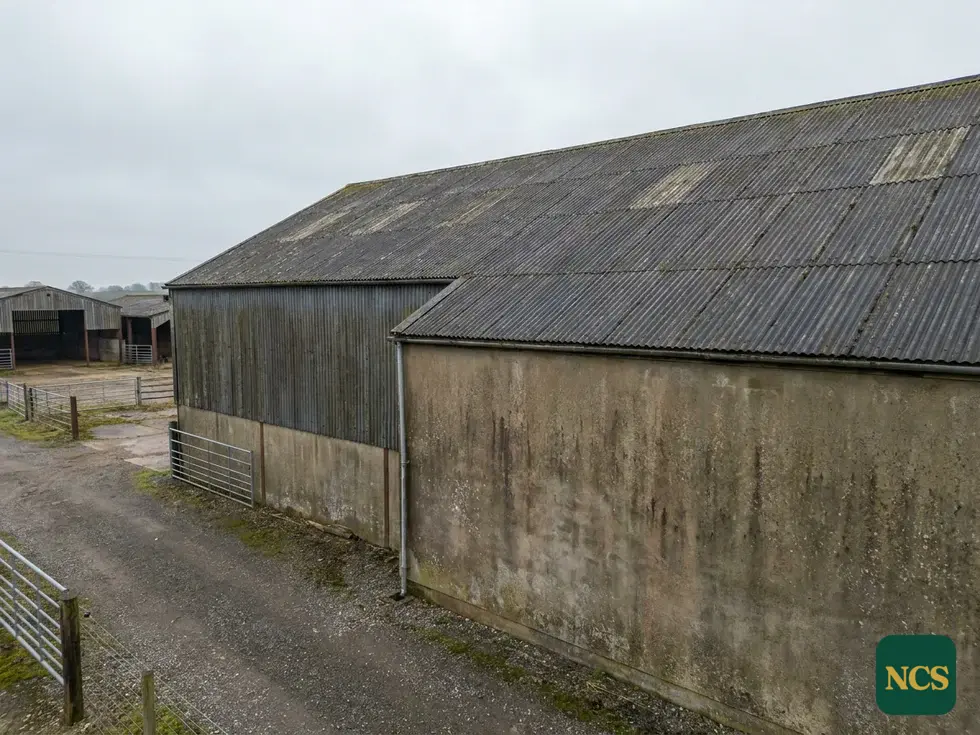
We put the negative cases in writing because they protect you. A coating will not arrest structural movement, will not cure damp from a leaking gutter or a bridged damp-proof course, and must never be applied over render that has parted from the wall behind it. On some of the older buildings near Colchester’s centre, a sealed modern film would trap moisture in walls that were built to breathe, making matters worse over time. And occasionally a survey simply finds a sound elevation that needs nothing. A survey-led contractor tells you all of this before taking your money, which is precisely why the survey-led route is the one worth choosing.