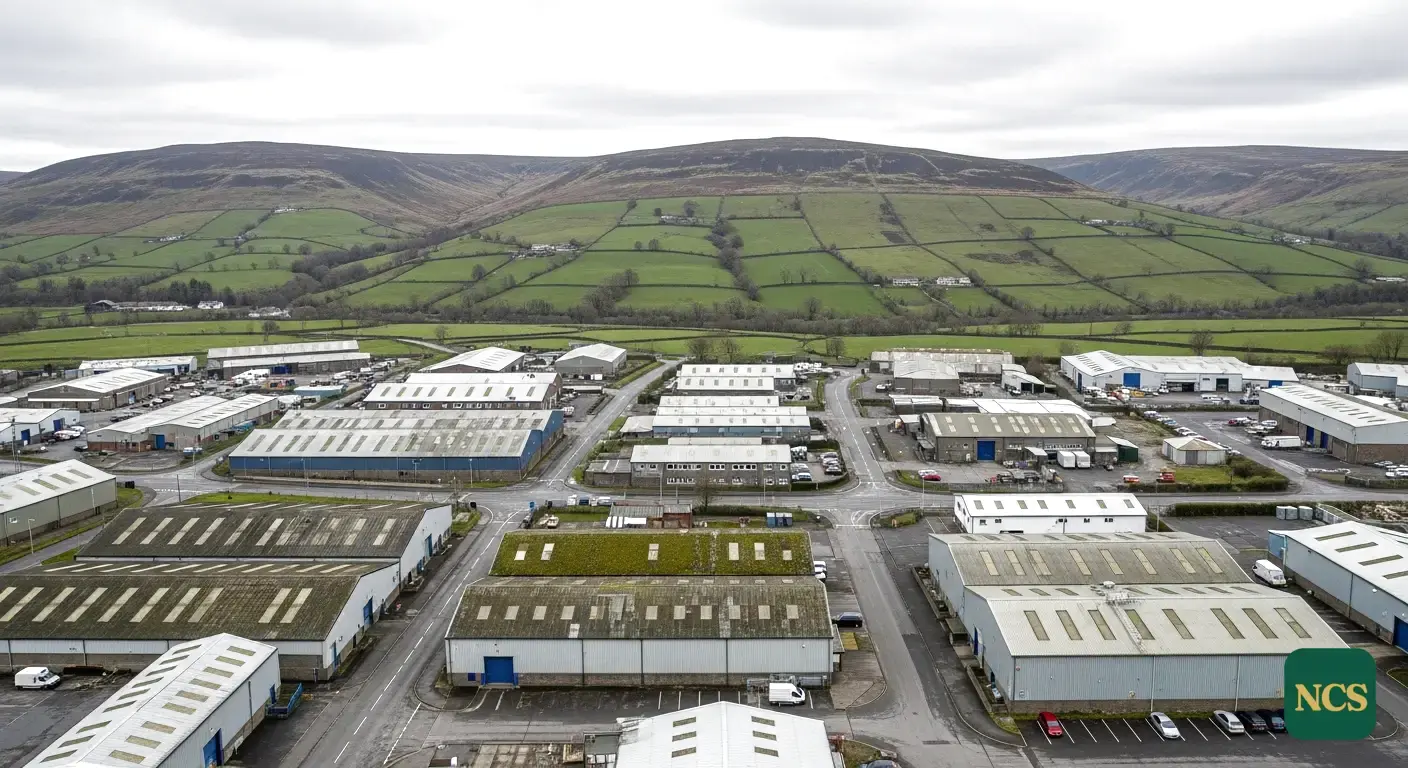
We coat the outside of commercial, industrial, and agricultural buildings across Cumbria, keeping them watertight and protected. Often, this means managing an asbestos cement roof that’s seen better days. We don’t just quote for replacement; we look to make the existing sheets serve on, far less disruptive than re-sheeting. In a county where upland livestock farming dominates, keeping buildings operational during works is often critical.
Making the call: repair, removal or encapsulation for your roof
When the roof allows for it, encapsulation is the responsible way to go. We’ll survey the roof in detail. Then we clean it without releasing fibres or walking on the sheets, repair what needs doing, and overcoat it with a system designed for asbestos cement. You end up with a bound, watertight surface that has a renewed service life. We do it all while your building stays in use, and it costs a fraction of what removal and replacement would. Encapsulation means less disruption, allowing your operations to continue without the downtime of a full roof replacement.
Surveying commercial buildings across Cumbria
We survey commercial, industrial, managed and agricultural buildings across the county, including Carlisle, Barrow-in-Furness, Kendal, Workington and Whitehaven. The process is always the same, no matter where your building is:
- A condition survey of sheets, fixings, rooflights, gutters and structure
- A photographic record for your asbestos management plan
- A plain written recommendation: encapsulate, repair first, or refer for removal
- A specification and price only where coating is genuinely appropriate
- Work carried out under controlled, documented conditions
If you’ve got a building in your portfolio from the 1960s to the 1980s, and the roof hasn’t been assessed, a free asbestos roof encapsulation survey answers both the compliance question and the cost question at the same time. We help you make existing roof sheets last longer, avoiding the disruption of full replacement.
A Cumbria asbestos roof that only looks tired can often be painted with an encapsulating system and kept. One that leaks through cracked sheets usually cannot, and we tell you which is which.
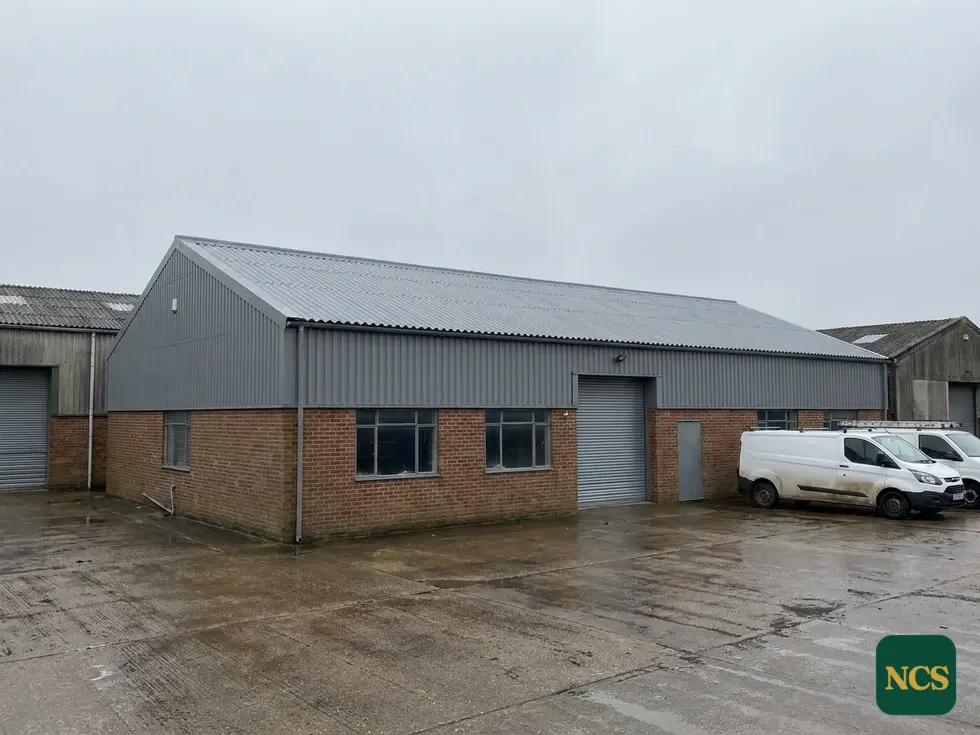
Meeting the legal requirements for asbestos in Cumbria
Any leaking asbestos roof in Cumbria means starting with the law, not a quote for coating. Regulation 4 of the Control of Asbestos Regulations 2012 puts the duty to manage squarely on whoever controls the maintenance of non-domestic premises. You have to find it, assess it, record it, and manage it. Removal isn’t always the answer. If the asbestos cement is sound, we can keep it in place, seal it, and monitor it. That’s exactly what planned, recorded encapsulation does.
Where we encounter asbestos cement roofing in Cumbria
Cumbria covers everything from heavy industry to hill farming. We see asbestos cement roofs on the shipyard and engineering units around Barrow-in-Furness, across the industrial estates of Carlisle and Kendal, the works in West Cumbria around Workington, and on the agricultural buildings deep in the fells and valleys.
Most of these roofs had a thirty-year design life. They’ve long since passed it. That’s why so many are now porous, covered in moss, and leaking at the fixings, even if the sheets themselves are still sound.
When we advise roof removal instead of encapsulation
Not every roof is a candidate for encapsulation. Pretending it is helps nobody. If the sheets are friable, badly cracked or full of holes, or if structural movement has compromised the roof, coating is simply the wrong call. Encapsulation only works for asbestos cement. If you’ve got licensable materials like insulation board, lagging, or sprayed coatings, those need to go to an HSE-licensed contractor. When removal is the right route for your building, we’ll tell you straight away. We won’t try to make a coating system fit where it won’t genuinely extend the life of your roof.

Asbestos roof encapsulation for Cumbria’s farms, mills, and industrial units
The Lake District’s harsh weather batters Cumbria’s older commercial roofs, particularly the asbestos-cement sheets on 1960s-80s agricultural buildings, textile mills and small industrial units. West-facing slopes take the brunt of Atlantic-driven rain and wind, accelerating fibre release from weathered sheets. We see three recurring challenges: valley gutters blocked by decades of moss growth (requiring encapsulation rather than pressure washing), fragile apex sheets on tall barns where traditional removal would risk collapse, and hard-to-access roofs over active dairy parlours or feed stores where scaffolding isn’t practical. Our survey maps every high-risk area with a moisture meter and fibre test before specifying either a reinforced spray-laminate (for intact but friable sheets) or a structural over-cladding system (where underlying timbers are sound but panels are crumbling).
Local conditions dictate our approach. For remote hill farms, we bring mobile testing kits to avoid multiple trips. In Barrow’s coastal salt-spray zone, we factor in accelerated corrosion of fixings. Carlisle’s brick-built Victorian mills need careful weight distribution assessments before over-cladding. Unlike national firms quoting blind, we survey first, measuring roof pitch, panel condition and access constraints, because no two Cumbrian asbestos roofs degrade the same way. The goal isn’t just containment; it’s extending a roof’s safe lifespan without disrupting your operations, keeping the building in use, and avoiding the major works of re-sheeting.
We carry out asbestos roof encapsulation across Cumbria. For the full survey-led service and how we assess each building, see our Asbestos Roof Encapsulation service, or request a free site survey.
Recently — June 2026
We continue to survey every building before recommending a route. Whether to coat, repair or replace is decided on the condition of your roof, not a price list.
Settled summer weather suits coating and spraying work, with stable temperatures and dry surfaces helping systems cure and bond as specified.