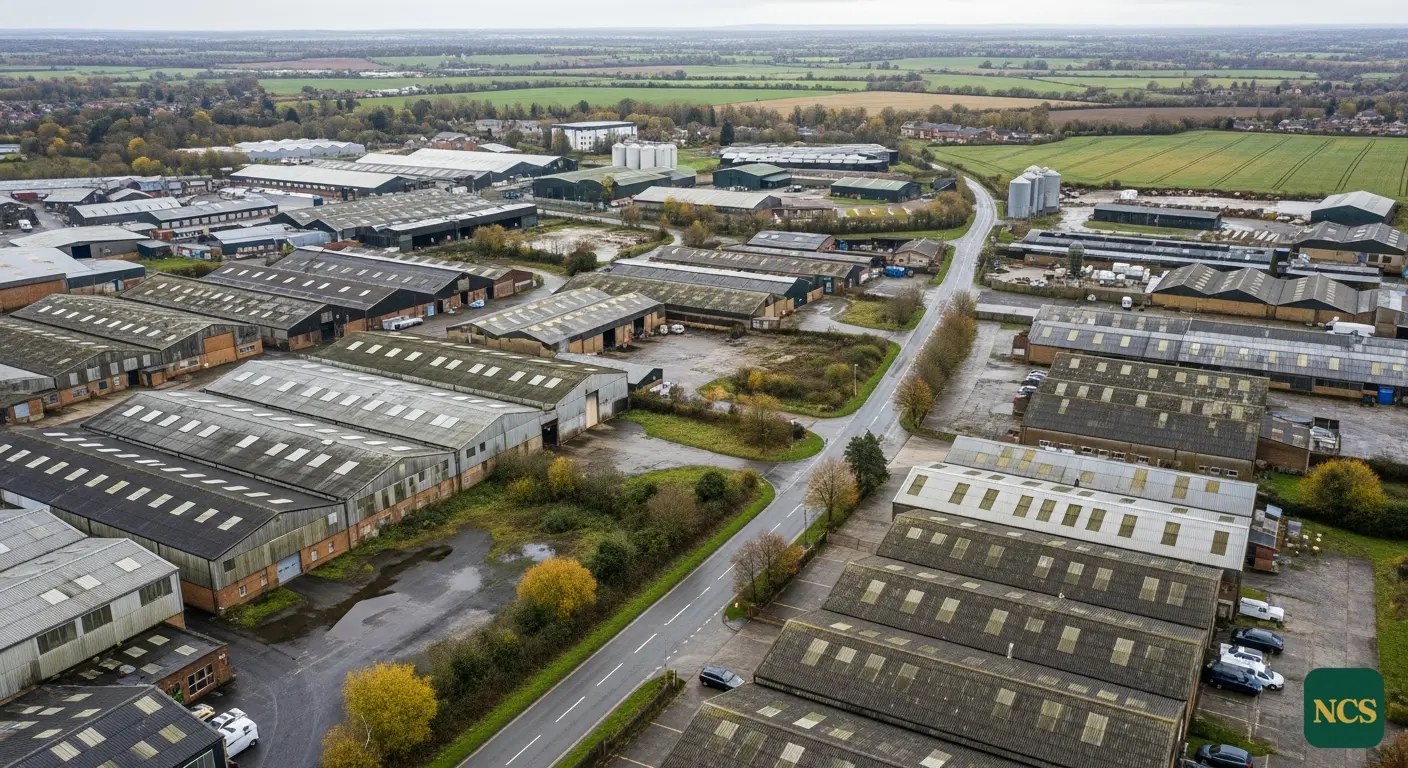
We coat commercial, industrial and agricultural roofs and walls across the UK, specialising in making sound existing sheets serve on. For buildings in Thame, we often find ourselves working with asbestos cement roofs. We won’t just tell you to rip it all off. Our job is to give you a clear, honest assessment of your roof, recommending the best way to manage any asbestos on your property. Often, that means encapsulation: a far less disruptive and more efficient way to deal with it than a full re-sheet.
Extending the life of asbestos roofing in Thame
Replacing an entire roof is a huge job. It means major disruption to your operations, the building might need to be empty for a while, and the cost quickly adds up. That’s why we always look for ways to make your existing asbestos cement roof last longer. Our coating systems are designed to encapsulate the asbestos, creating a durable, weatherproof barrier over the top of the existing sheets. This means you avoid the hassle and expense of a full re-roof, your business can usually keep running during the work, and you make the most of the structure you already have. It’s a smart way to manage asbestos without bringing your whole operation to a halt.
Where asbestos roof sheets are found in Thame
Across Thame, we mostly see asbestos cement roofs on industrial and commercial units across the business parks, farm buildings around the town, and some older retail or office blocks right in the centre. Back in the day, it was the go-to for factory roofs, farm outbuildings, warehouse extensions and garage roofs because it was tough and fire-resistant. You’ll typically find it as corrugated sheeting on storage areas, loading bays and workshops. If you’re looking at one now, we can help.
Owners in Thame ask for asbestos roof coating, sealing or painting, and it is the same careful job: survey, controls, then a system the sheets can take.
What asbestos roof encapsulation involves
Encapsulating an asbestos cement roof means we seal it up with a protective coating system to trap those asbestos fibres inside. We always start with a survey to check the roof’s condition. Then we prep the surface, which means getting rid of moss and algae and giving it a good pressure wash. After that, we put down a primer made for asbestos. Finally, we apply a reinforced membrane system. This builds a weather-proof, UV-stable barrier that stops fibres getting out and adds years to the roof’s life. The coating stays flexible, so it moves with the asbestos sheets as temperatures change, protecting your building for years to come.
When full replacement is the necessary alternative
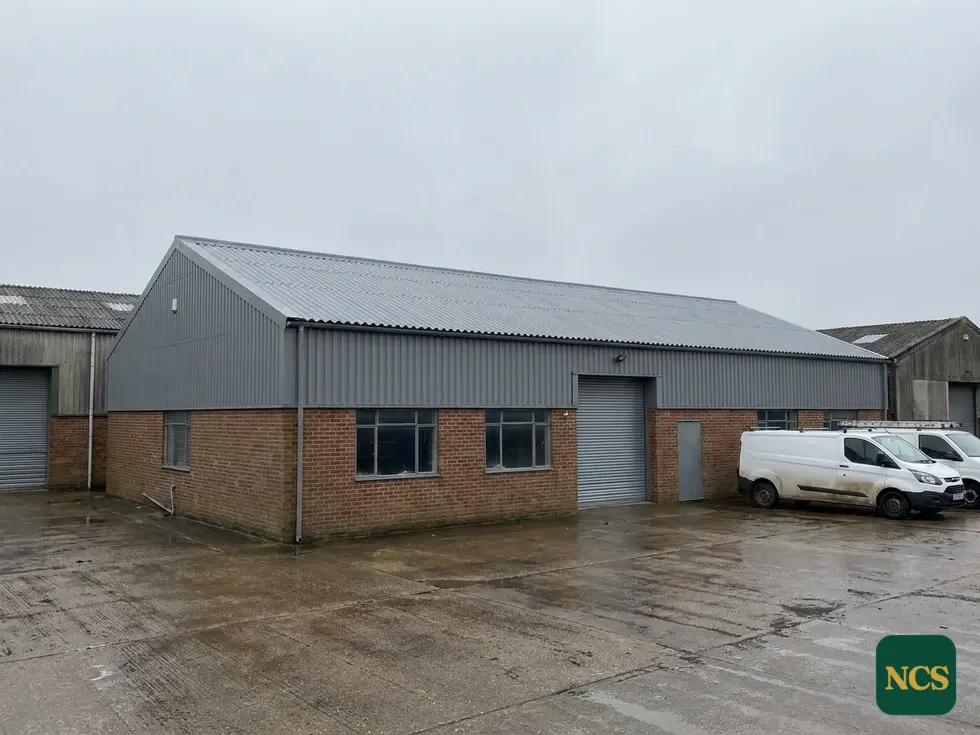
Encapsulation is usually the safest and most effective way to deal with asbestos roofs. But sometimes, removal is the only option. That’s when the asbestos cement sheets are really beaten up, with loads of cracks, holes or serious weathering. Or maybe you’re planning major structural work. Sometimes, the roof’s structure just won’t take the weight of a coating system. If our survey finds that kind of damage, say broken sheets or rotten purlins that won’t hold a coating, we’ll tell you to remove it. Removal needs full HSE notification, licensed contractors and air monitoring. We can handle all that for you when it’s necessary.
Our survey-led approach to Thame asbestos roofs
Every single job starts with one of our surveyors doing a detailed site inspection. For buildings in Thame, we’ll look at the roof’s current state, take core samples if we need to (under strict controls), check the structure underneath, and assess any access issues. Access matters, especially with the mix of old town-centre buildings and working farms you have here. We’ll give you a written report with all our findings and our recommended approach, making sure it meets all the safety and regulatory rules. That survey is what everything else is based on, whether we end up encapsulating or removing.
Why a survey comes before any decision
Trying to fix a roof without a proper survey isn’t just dangerous, it’s illegal. You need a professional assessment to figure out the type of asbestos, its condition, if the roof structure is sound, whether encapsulation will even work, what prep work is needed, and what safety measures we have to put in place. No two roofs are exactly alike. The right approach depends on things like the roof’s orientation, any coatings already there, and how close it is to public areas. We give you all the facts you need to make an informed decision.
- A surveyor assesses the roof before any work is recommended
- Detailed reports compliant with CAR 2012 regulations
- Clear recommendations for encapsulation or removal
- Recommendations suited to Thame’s building types and any planning considerations
- No obligation to proceed after the survey

The duty to manage asbestos in Thame buildings
If you own or run a non-domestic building in Thame, the Control of Asbestos Regulations 2012 (CAR 2012) puts the responsibility on you to find and manage any asbestos-containing materials on your site. This covers everything from town centre commercial properties to industrial units on the business parks, farm buildings and community halls. A lot of Thame’s buildings went up between the 1950s and 1980s, right when asbestos cement was a common roofing material. So, you’ve got to manage it properly, whether that means encapsulation, removal or just keeping an eye on it. Ignore it, and you’re looking at unlimited fines and even jail time. We can help you meet your obligations.
For more details on our asbestos roof encapsulation process, visit our asbestos encapsulation service page. To arrange a no-obligation survey of your Thame property, book a free quote.
We carry out asbestos roof encapsulation in and around Thame. For the full survey-led service and how we assess each building, see our Asbestos Roof Encapsulation service, or request a free site survey.
Recently — June 2026
Summer is the steadiest season for exterior coating: longer dry spells mean preparation, application and curing can be programmed with fewer weather delays.
As always, where a coating is not the responsible answer we say so and point towards repair or replacement. The survey is what settles it honestly.