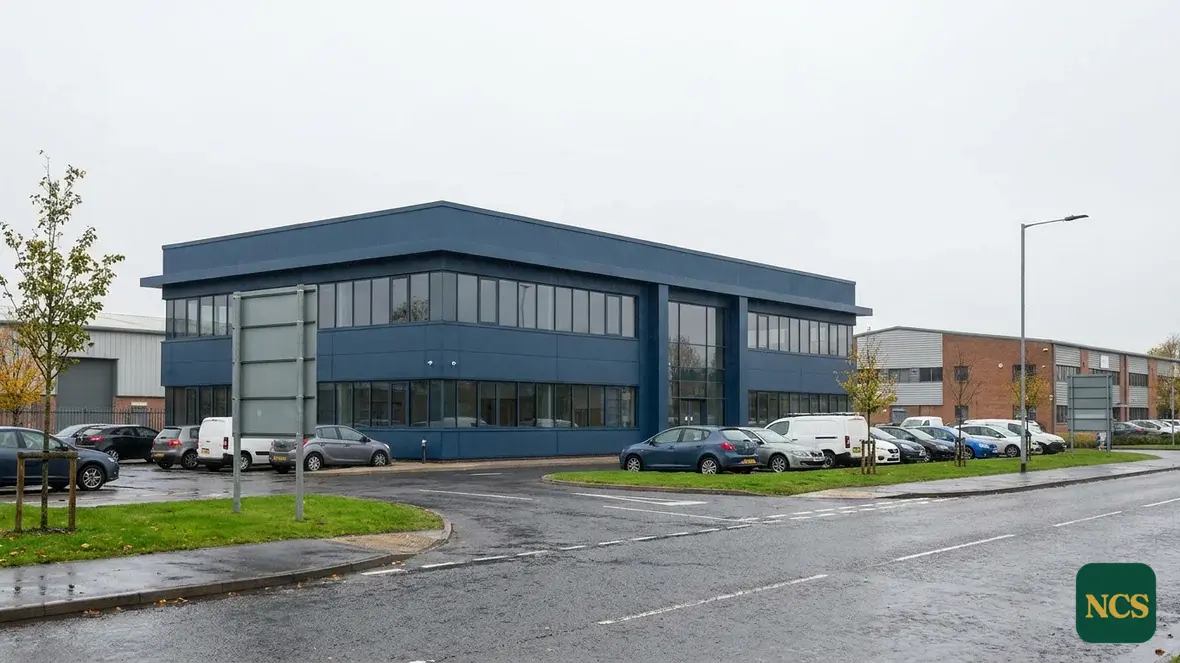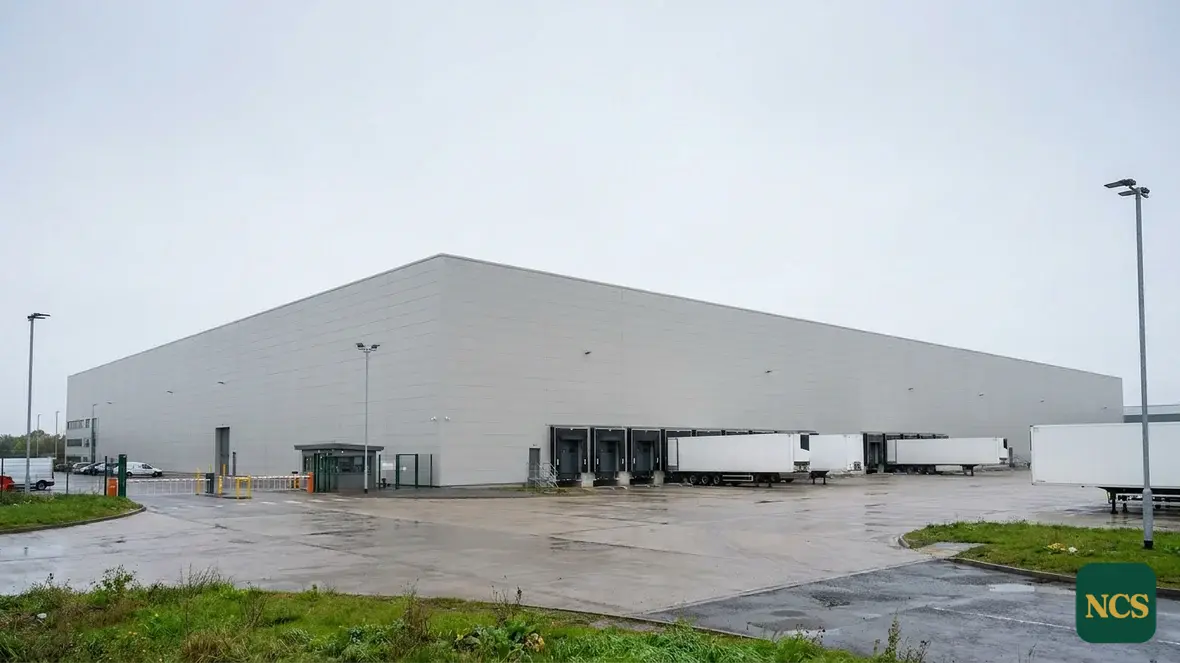
Bath earns its reputation on Georgian limestone, but the buildings we are called to are the ones the postcards leave out. Behind the historic frontages sit workshops, trade units, offices, retail premises and light industrial buildings, most of them strung along the Avon valley and out towards the trading estates. Sitting in the west of the country, the city runs on this working stock as much as on its terraces, and those roofs and walls need looking after like any others.
We are a survey-led coating contractor, and that shapes everything that follows. Nobody gets a specification or a figure from us until someone has been up on the roof or across the walls to see the real condition. When coating is the wrong answer, we say so and explain what the building actually needs. That is the honest starting point for every job we take on in Bath.
How Bath’s buildings age in the Avon valley
Set low in a river valley, Bath holds damp air and keeps roofs and walls from drying as fast as they would on open ground. The surrounding hills funnel wind and weather along predictable lines. On damp, shaded slopes, moss and surface contamination take hold quickly, then hold moisture against the surface long after the rain has stopped. Profiled metal roofs show cut-edge corrosion and weathered fixings. Flat roofs above offices and shops develop tired seams, ponding and struggling outlets. Older fibre cement sheets turn porous and brittle with age.
The stone itself asks for a different kind of care. Bath’s Georgian limestone is soft and breathes, and much of it stands in conservation areas. Seal a breathable wall under the wrong film and you trap moisture, which speeds up decay rather than slowing it. Rendered, brick and modern buildings are a different matter, and usually take a protective coating well. None of this is unusual for a Somerset city, but each surface needs its own preparation and its own system. That is why we survey before we specify.
Commercial roof coating in Bath
Bath is not a city of big-shed industry, and its commercial roofs reflect that. We are usually working on a finer-grained mix: workshops and trade units near the river, flat roofs above offices and shops behind older frontages, and light industrial buildings running along the valley towards Bristol. Where those roofs are still sound, a properly specified coating system restores weather protection without the disruption, access headaches and expense of full replacement. In a city where working space is tight and buildings sit close together, that saving in disturbance counts for a lot.
If you have been searching for commercial painters in Bath, an airless-sprayed coating system usually lasts well beyond a brush-and-roller repaint, because it is specified for the substrate and its exposure rather than simply painted over the top. Our inspection covers the membrane or sheets, laps and seams, fixings, flashings and upstands, rooflights, gutters and any ponding, and we agree colours and access up front on tighter urban sites. The written specification sets out the cleaning, repairs, corrosion treatment and coating build-up, so you can hold the finished job against it. See our commercial roof coating service for how that works in practice.
Commercial wall coating in Bath
Walls in Bath ask for restraint. A lot of the city’s commercial buildings are breathable limestone standing in conservation areas, and the wrong product on the wrong wall does real damage rather than protecting it. We will not seal breathable stone under a film that traps moisture. For those frontages the work is usually cleaning, repair and breathable treatment, and only where the necessary consents are in place. Rendered, brick and newer buildings are the other half of the picture, and chalking paint, fine cracks and water streaking on those often do justify a properly specified coating system.
An exterior painting programme on a Bath building is a chance to deal with the damp, the cracks and the staining together, rather than covering them and watching them return. We survey the walls to work out what they are made of and what has been applied before, we flag any conservation or consent issues for you to check, and we trace why a wall is damp or cracked before proposing anything. If the honest answer is not to coat, that is what the report says. Our commercial wall coating service is built around that diagnosis-first approach.
Cladding spraying in Bath
The Georgian stone gets the attention, but the trading estates and business parks around Bath, and the corridor towards Bristol, carry plenty of coated steel and composite panel. Somerset weather fades and chalks it just as it does anywhere. We survey, prepare and spray-coat commercial cladding in place, so it protects properly and looks right again, working on industrial and trade units, storage and workshop buildings, retail and leisure premises, and offices with panel infills. Because sprayed systems match any RAL or BS colour, a refurbishment often ties in with a rebrand or a smarten-up between tenants.
Good cladding painting lives or dies on preparation. Sprayers who skip the washdown and edge treatment leave a finish that chalks early, so ours do not skip it: we wash and degrease, treat corrosion, prime bare steel, mask what is not being coated, then apply the system in controlled coats, elevation by elevation, while the building stays in use. Where corrosion has gone through the panel, where a composite core is damp or delaminating, or where the building is already set for recladding on thermal or fire-safety grounds, we will tell you spraying is not the right spend. Our cladding spraying service starts with a panel schedule, condition notes and an access plan.
Industrial roof coating in Bath
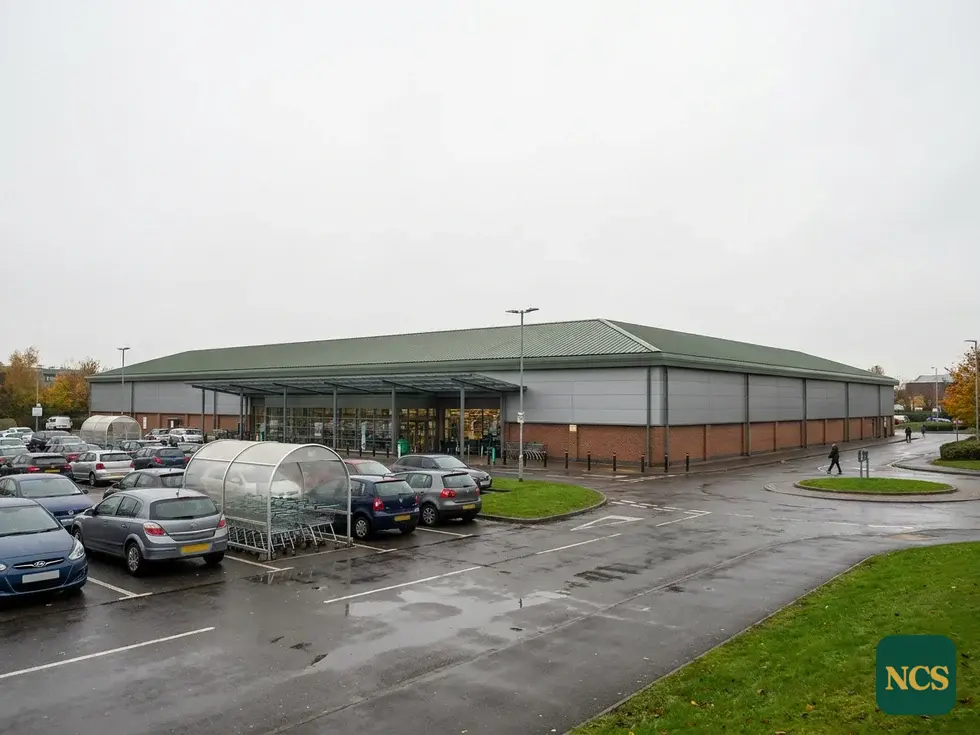
Bath still runs on working buildings: trading estates along the river corridor, units on the western fringes, and older premises adapted and re-let many times over. Most share one feature, a large profiled metal roof well into its service life, and a facilities team weighing replacement against something more sensible. Strip-and-replace is costly, slow, weather-dependent and hugely disruptive to whatever happens underneath. A correctly specified coating, applied to a roof that is structurally sound, restores weather protection for far less interference in daily operations.
The phrase that matters is structurally sound, because a coating is a protective layer and not a structural repair. That is why the job begins with an inspection that reports plainly on cut-edge corrosion, failing factory finishes, brittle rooflights, corroding fixings and blocked gutters. Facilities teams comparing industrial painting contractors should look for that survey discipline first, since it is what separates a genuine coating candidate from a roof that needs sheets replaced. Our industrial roof coating service is carried out from roof level, phased unit by unit on multi-let estates so no single tenant carries all the disruption.
Cut edge corrosion treatment in Bath
Away from the centre, on the trading estates towards Lower Bristol Road and the industrial pockets along the valley, profiled steel roofs cover workshops, depots and light industrial units. Every one of them shares a single weakness: the cut edge. Wherever a sheet was trimmed to length at the factory, the protective finish stops at the cut, leaving bare steel along every eave, end lap and gutter edge. Bath’s low, damp valley setting keeps those edges from drying, which is why we see this defect on so many local roofs.
Corrosion begins on the exposed cut, then works sideways beneath the neighbouring coating, breaking its bond with the steel until the finish lifts and more metal is laid bare. End laps hide the worst of it, corroding from the inside where no ground-level glance will catch them. While the steel is still sound, this is an in-situ repair: we prepare the edges back to clean metal, prime them with a rust-inhibiting system, and seal them with a flexible coating carried across the laps and into the gutter line. Where sheet ends have already rusted through, our cut edge corrosion treatment survey will tell you plainly that sealing over them would be wasted money.
Asbestos roof encapsulation in Bath
If a Bath building went up between the 1960s and the mid-1980s, there is a fair chance its roof is asbestos cement. The Control of Asbestos Regulations 2012 place a legal duty on whoever runs the building to find the material, record it, check its condition and decide how to control it. That applies as much to a small unit on the commercial fringes of the city as to any larger shed. Encapsulation is one way to discharge that duty, and it is the route we look at first when the sheets are still sound.
Encapsulation seals the asbestos cement in place rather than stripping it out. We clean and stabilise the roof, make good any minor defects, then apply a high-build coating that binds the fibres into the substrate and shields the sheet from rain, frost and UV. The material stays contained and the roof carries on working, with none of the broken-out sheeting and consignment paperwork that removal brings. It only works on a roof with enough life left, so where sheets are cracked through, heavily delaminated or shedding fibres, we will say they need removal by suitably competent contractors instead. Our asbestos roof encapsulation service always begins with that sound-versus-degraded assessment.
Agricultural building coating in Bath
Many holdings around Bath run several eras of building off one yard: a stone or blockwork barn from a previous generation, a steel portal-frame shed from the seventies or eighties, and perhaps a newer clad store alongside. It is usually the older steel and fibre-cement roofs that need attention first, where factory finishes break down, cut edges rust and fixings leave tea-coloured streaks down the slope. Valley-bottom buildings stay wet long after the rain stops, while ridge-top sheds take wind-driven weather head on. None of that means a building is finished.
Nobody from our team walks these roofs casually, so inspection happens from proper access equipment with sheet condition assessed before anyone commits weight to anything. We plan the work around the farming calendar: buildings empty after turnout, feed and grain stores before they fill, livestock housing in the gap before animals return inside. Weathered but sound asbestos-cement can often be cleaned and encapsulated, while fragile or delaminated sheets are a different conversation. Our agricultural building coating service prices nothing from the gateway, because the difference between a roof worth coating and a roof past it is usually invisible from the ground.
Coat, repair or replace across Bath
Some roofs and walls should not be coated, and our surveys are allowed to say so. Saturated insulation under a flat roof, decking that is corroded or rotten, sheets delaminating or perforated across large areas, membranes at genuine end of life, or asbestos cement too far gone for safe encapsulation all call for overlay, overcladding or replacement. A coating would only mask the problem and spend your budget badly. The same goes for a wall left wet by a failed roof detail, parapet or gutter, or render that has come away in large patches. When that is what we find, you get the photographs, the reasoning and the realistic options, even if it means no coating work for us.
As a rough guide, localised damage on an otherwise sound surface usually means repair, widespread surface breakdown on sound sheets is where coating earns its keep, and sheets that are holed, soft or failing at the fixings are telling you the roof is done. The survey settles which category a building sits in, so you can plan the spend on accurate information rather than a sales pitch dressed up as advice. We would genuinely rather lose a job than coat a roof that should be replaced.
Booking a coating survey in Bath
The sensible first step is always a survey. It is free, it carries no obligation, and the written report is yours to keep whatever you decide to do next. Someone from our team inspects the roof or walls, records the condition with photographs, and sets out the preparation, any repairs and the system in writing, so you can judge our finished work against it or weigh one quotation fairly against another.
From Bath we cover the surrounding area as standard, so Bristol, Keynsham, Trowbridge and Chippenham all fall within our normal range, and buildings spread between them can be surveyed under one programme. If you manage property further into the county, our Somerset coating hub covers the wider area. Reach us on the number at the top of the page to arrange an inspection, whether that is a single unit near the A4 or a portfolio across the valley.
Recently — July 2026
With surfaces staying dry for longer, summer lets us prepare and coat a roof in a single planned visit rather than working around showers.
We plan the work around how your site runs, so the building stays in use while we are on the roof.