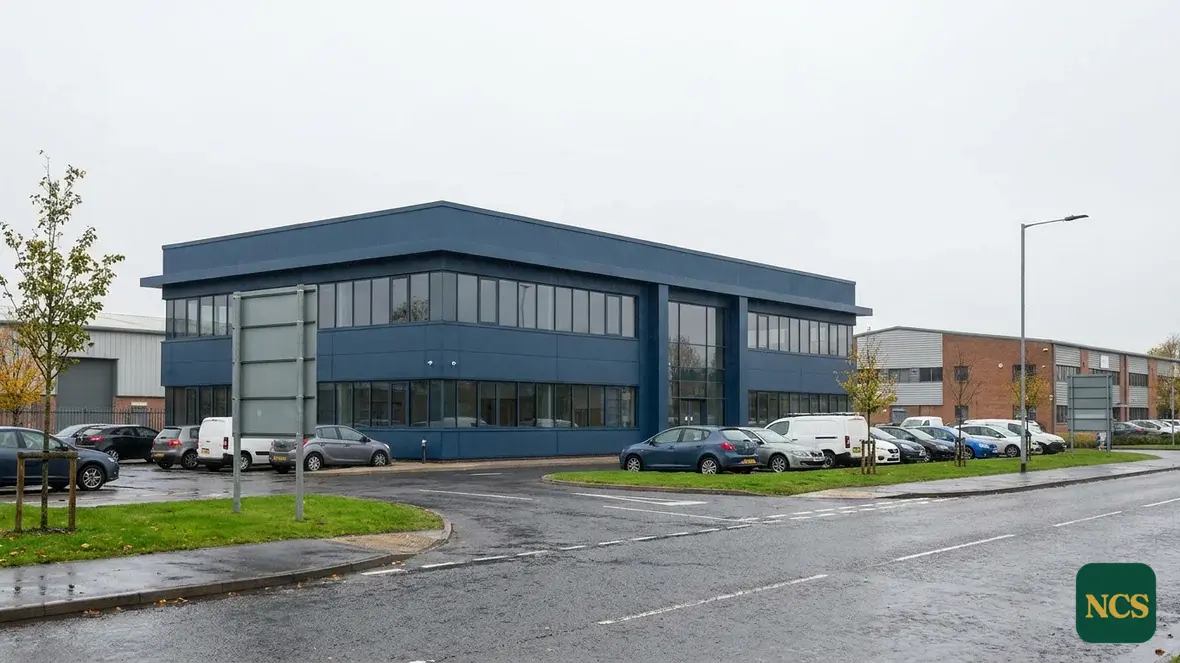
Bradford sits high against the Pennines in West Yorkshire, and the weather up here does not do a building any favours. Long wet spells, hard frosts and wind-driven rain work at every roof and elevation for much of the year, finding laps, cut edges and failed details that would stay harmless in a softer climate. The city’s wool and textile mill heritage left behind a building stock that is still, decade after decade, doing work its original owners never imagined.
We are National Coating Specialists, a survey-led contractor. That means we inspect a building before we recommend anything, and if the survey says a coating is the wrong answer, we say so in writing. Coating over a roof or wall that has already failed wastes your money and hides the real problem while it gets worse. Everything below starts from the same place: a physical inspection first, a specification second, and a price against that specification last.
Bradford’s building stock and how the weather ages it
The building stock here is unusually varied. Mill heritage means stone-built premises with slate, asphalt and much-patched flat roofs, often converted to workshops, storage and studios. Around them sit post-war and modern industrial estates carrying profiled metal sheeting, and a large population of asbestos cement roofs on older works and warehouses across the district. Towards the M606 and M62 junctions, newer distribution units add big metal roofs with long exposed runs. Stone and brick frontages regularly sit on the same site as clad workshops, so most buildings need more than one trade looking at them honestly.
Altitude and exposure shape everything. Freeze-thaw cycling opens up laps and cracks. Moss thrives on perpetually damp north slopes, holding moisture against the surface. Wind-driven rain finds defects and drives them deeper, and west-facing elevations usually lead the decline. On stone, a lot of the fabric breathes and should not be sealed under a film-forming coating; on profiled steel, corrosion creeps out from the cut edge until the finish lifts. A specification that ignores these conditions will not last, so ours do not ignore them.
Commercial roof coating in Bradford
Many commercial roofs across the city are still sound underneath and simply need their protection restored rather than replaced. Where that is the case, commercial roof coating seals the points where Pennine weather gets in and pushes the cost of replacement years down the road. If you have been searching for commercial painters in Bradford, an airless-sprayed coating system usually outlasts a brush-and-roller repaint on a large roof, and it treats the steel and the seams as well as putting colour back. Given what West Yorkshire winters throw at a roof, the system has to be specified for the exposure it will actually live in.
Our survey physically inspects the roof: sheet or membrane condition, laps and seams, fixings, flashings, rooflights, gutters and outlets, moss and surface contamination, ponding on flat areas, and any internal evidence of moisture. Where the roof is asbestos cement we assess whether it remains sound enough for cleaning and encapsulation. Roof painting enquiries from Bradford usually turn out to need some repair first, and the survey works out what gets fixed before anything is sprayed. The written specification that follows sets out preparation, repairs, corrosion treatment and the coating stage by stage, so you know exactly what you are buying.
Commercial wall coating in Bradford
On elevations, weather protection comes first and appearance second. The right system keeps water out of the fabric; the wrong one traps it inside. A commercial wall coating only earns its place once we know what the wall is made of and how it is behaving, because sandstone, gritstone, brick and render all want different treatment. Blackened or eroding stone often needs cleaning and repair, not a film that seals the damp inside. An exterior painting programme, done properly, is a chance to fix damp, cracks and staining in one visit rather than cover them.
We check the substrate and its condition, test how existing finishes are actually sticking, and map cracks and damp patterns. We look hardest at the details Pennine rain exploits first: copings, parapets, sills and rainwater goods. When the survey finds breathable stone that should not be sealed, saturated walls behind failed gutters, hollow or detached render, or movement cracking that needs investigation, we put that in writing and advise against coating. A wall that is sound and just needs a clean gets told that too.
Cladding spraying in Bradford
Bradford’s working buildings often carry profiled steel cladding on manufacturing and warehouse units, composite panels on newer stock, and curtain walling or panel infills on offices. We have seen plenty along the M606 corridor go flat, chalky or rust-streaked before their time. Plastisol finishes lose gloss first, then chalk, then let corrosion start at the cut edges along laps, sills and gutters. Rather than strip serviceable panels, cladding spraying reverses that on site with proper preparation, corrosion treatment and spray-applied coatings that put colour and protection back into the building you already have. We normally coat roller shutters, fascias, soffits, window frames and rainwater goods in the same visit, which is why so many refurbishments double as a rebrand.
Everything starts with the inspection: panel schedule, coating condition, a corrosion map, an access plan and any constraints from your operation. Where a Bradford elevation mixes sound panels with damaged ones, the survey maps which get repaired, which get resprayed and which have to be replaced. Some panels are past it: corrosion through the steel, composite cores holding water, failed fixings, or cladding already condemned for thermal or fire-safety reasons all rule out spraying. When we find those, the report says so and explains what the building actually needs.
Industrial roof coating in Bradford
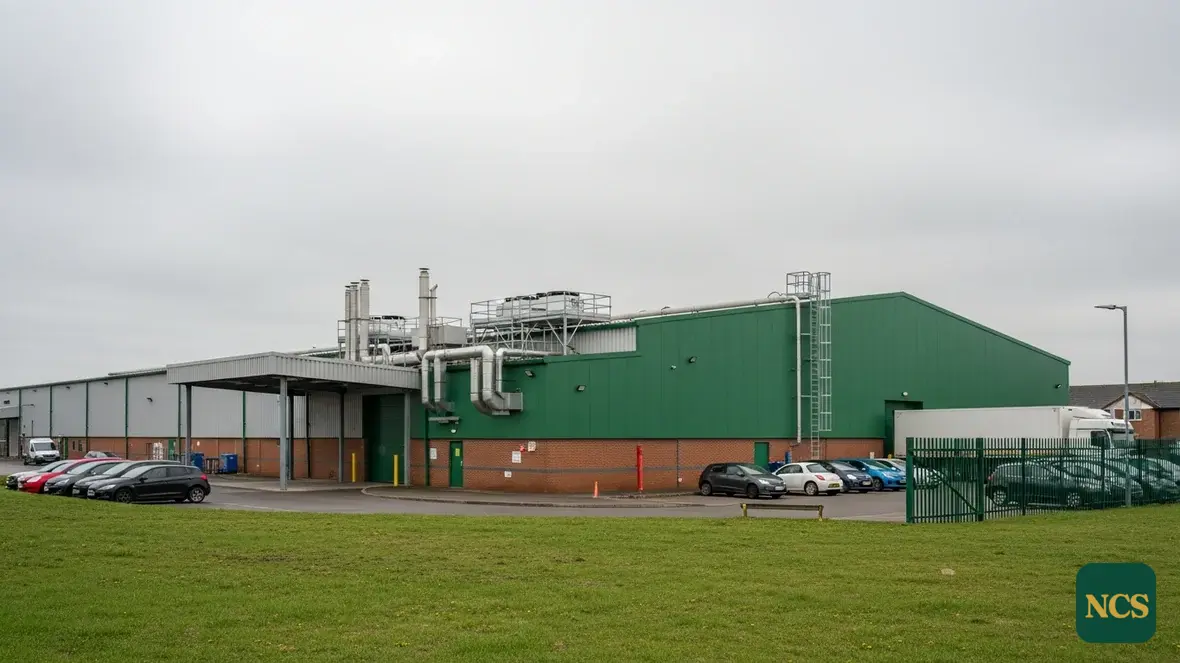
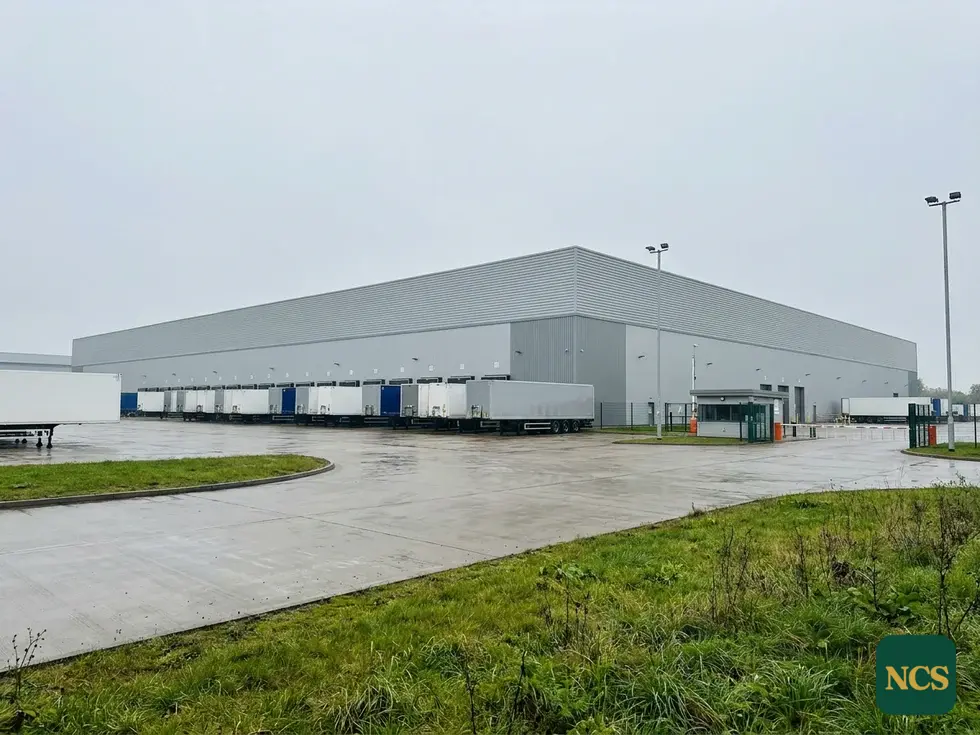
The industrial roofs we see most often are the steel-framed units built in the last forty years: factories, warehouses and trading estate buildings with big profiled metal roofs that have deteriorated quietly while the businesses inside kept working. When these single-storey roofs finally fail they swallow maintenance budgets whole. Owners who go looking for industrial painting contractors usually need more than paint, and that is exactly what an industrial roof coating survey sorts out: which roofs need only cleaning, edge treatment and a coating system, which need sheet repairs first, and the small number that are beyond saving.
Coating work happens from roof level on an occupied building, so deliveries and shifts can continue and, on multi-let estates, the programme can be phased to suit each occupier. Replacing a roof, by contrast, means ripping the building open, moving stock and stopping production. We can replace rooflights and repair gutters in the same programme, bringing the whole roof up to one standard in a single visit. A coating also shifts roof spend from a capital emergency to planned maintenance, which is usually an easier conversation with whoever signs off the budget. Where perforation is widespread or the deck and fixings are structurally tired, we recommend repair or replacement instead, with reasons you can take to a board or a landlord.
Cut edge corrosion treatment in Bradford
On profiled coated steel, the first detail to fail is the cut edge: the strip of bare metal left wherever a sheet was cut to length and the factory finish stopped short. Rust on the exposed cut undermines the coating beside it, the finish peels back, and the bare zone widens. Within end laps, moisture trapped between overlapping sheets keeps the joint corroding out of sight, often for years before anything shows below. Treated while the steel is still sound, cut edge corrosion treatment is one of the more cost-effective repairs in commercial roofing: we prepare the edges back to clean metal, prime them and seal them across laps, sheet ends and gutter lines, all in situ with the building working underneath.
Delay turns a repair into a replacement, and in Bradford’s climate the window between those two stages is shorter than many owners expect. The survey sometimes rules treatment out: sheet ends rusted through, laps with no sound steel left to seal to, or rust advancing across the sheet body all point to replacement, partial or full. Often the verdict is mixed, with a weather-facing slope beyond saving and the rest of the roof in fair condition. Edges rarely fail alone, so treating them and overcoating the whole roof in one programme protects the full surface and avoids paying for roof access twice in a few years.
Asbestos roof encapsulation in Bradford
Many mills, works and warehouses across the district were re-roofed or extended when asbestos cement sheeting was standard, and a lot of those roofs are still weathertight. Asbestos roof encapsulation keeps them that way without a full strip-out: we clean the existing sheets, stabilise them, then overcoat them with a protective system that seals the fibres in place and gives the roof a fresh skin. The building stays in use throughout. The Control of Asbestos Regulations 2012 put a duty to manage asbestos on whoever maintains a non-domestic building, and encapsulation is one of the accepted ways to control asbestos cement roofing that is still in good condition. Our survey gives you a written record of the roof’s state to support that duty.
We will not coat a roof that should come off. Asbestos cement that has cracked through, delaminated badly, gone friable or started releasing fibres cannot be sealed safely, and encapsulation would only postpone a removal that needs to happen. In those cases the sheets should be taken down by competent operatives working to HSE standards under CAR 2012, with the right controls, RPE and waste handling. Removal of asbestos cement is usually non-licensed work, though higher-risk materials such as sprayed coatings or pipe lagging are a separate, licensed matter. We tell you plainly which situation you are in.
Agricultural building coating in Bradford
Weather does most of the damage to farm buildings on the Pennine fringe. Holdings on the moors and valley sides tend to mix old and new: stone barns doing light duty, steel portal frame sheds carrying the real workload, and asbestos-cement roofs put up generations ago. West-facing slopes lose their factory finish years before sheltered ones, fixings work loose in winds lowland farms never see, and water sits in laps and gutters for weeks. The encouraging part is that frames built for this weather were rarely built lightly, so where the sheets still hold their shape, an agricultural building coating can add a serious stretch of working life.
The farming year sets the programme, not our diary. Spring is lambing and turnout, autumn brings stock back inside, and through winter most livestock buildings stand full. That leaves a window from late spring to early autumn when sheds can be cleared, which suits coating anyway with drier sheets and workable temperatures. We inspect slope by slope from proper access, recording sheet and fixing condition, rooflight brittleness, gutter state and what the underside says about water already getting in. Weathered but sound asbestos-cement can often be cleaned and encapsulated; soft, cracked or delaminating sheets should not be coated at all, and where removal is the right course we say so and step back.
Coat, repair or replace across Bradford
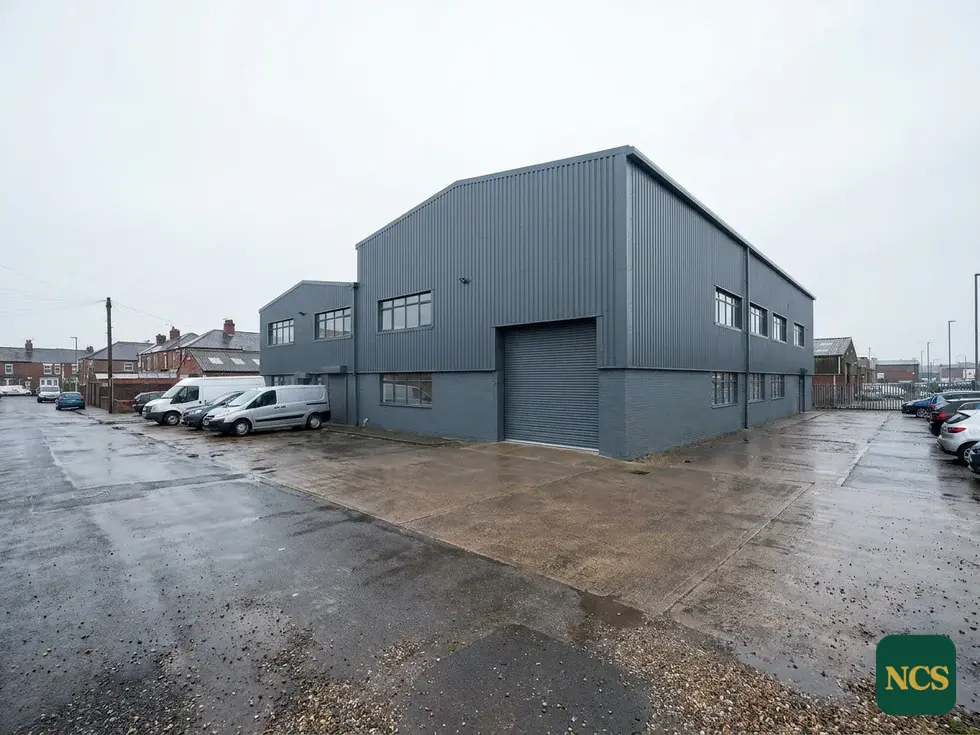
The honest answer changes from roof to roof, and the survey exists to find it. Coating earns its keep on roofs and walls with widespread surface breakdown but sound bones: sheets that still hold their shape, structure that is dry underneath, edges and laps that can still be sealed. On those buildings a properly prepared system is a fraction of the cost and disruption of stripping and starting again, and it keeps the place working while the job is done.
It is the wrong tool for a building that has already failed. Saturated insulation, corroded decking, sheets rotten along the fixing lines, membranes at the end of their life, or friable asbestos cement all need repair, overcladding or replacement, not a coating that buys one more winter and hides the problem. When we find those conditions we show you the photographs, explain the reasoning and set out the realistic options, even where none of them is our work. Losing a job to honesty costs us far less than a failed coating with our name on it.
Booking a coating survey in Bradford
A survey is where every one of these decisions starts. We inspect the roof or elevation physically, record what we find with photographs, and come back with a written specification and a graded recommendation you can hold us to. There is no charge for the survey and no obligation to proceed. A summer inspection gives us time to specify and programme the work before the wetter months make access and curing harder.
From Bradford our regular working area takes in Leeds, Halifax, Huddersfield and Keighley, so owners with buildings spread across the wider area can put a whole portfolio through one survey programme with one contractor. To see how we assess each building across the county, visit our West Yorkshire coating hub, and if your roof or walls are due an informed verdict before the next hard winter, ask us to take a look.
Recently — July 2026
Dry summer spells are the window for tackling cut-edge corrosion and tired finishes before the autumn rain sets back in.
Recent enquiries here have been a mix of metal industrial roofs, profiled cladding and ageing asbestos-cement sheets, all assessed on a free site survey before anything is specified.