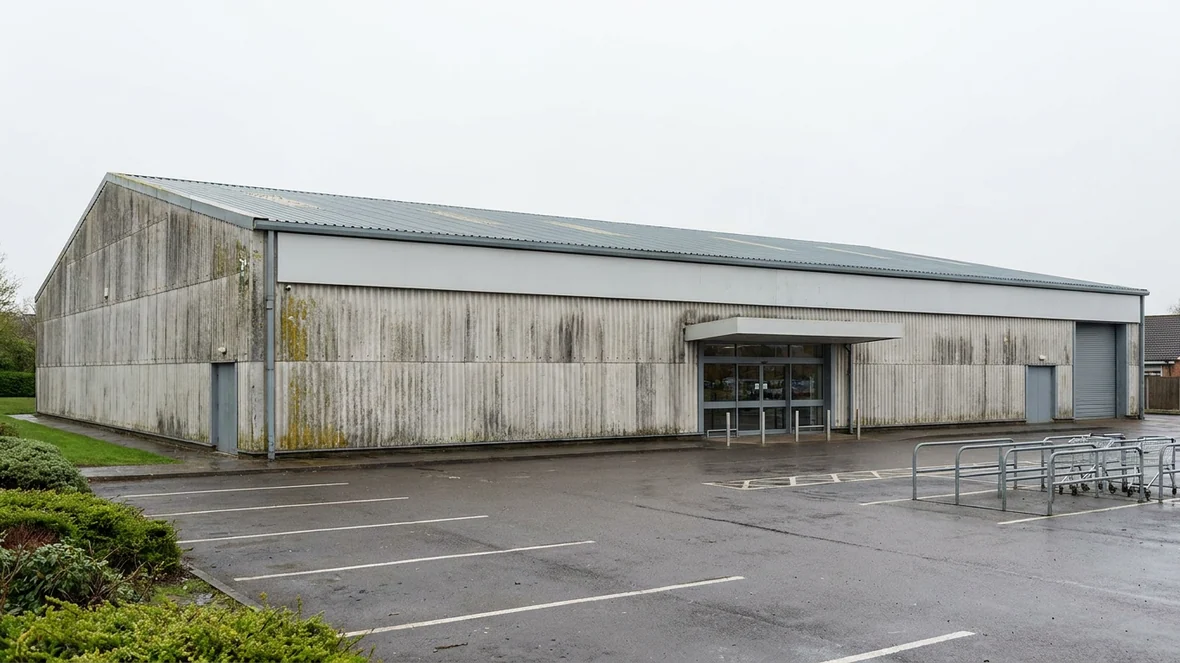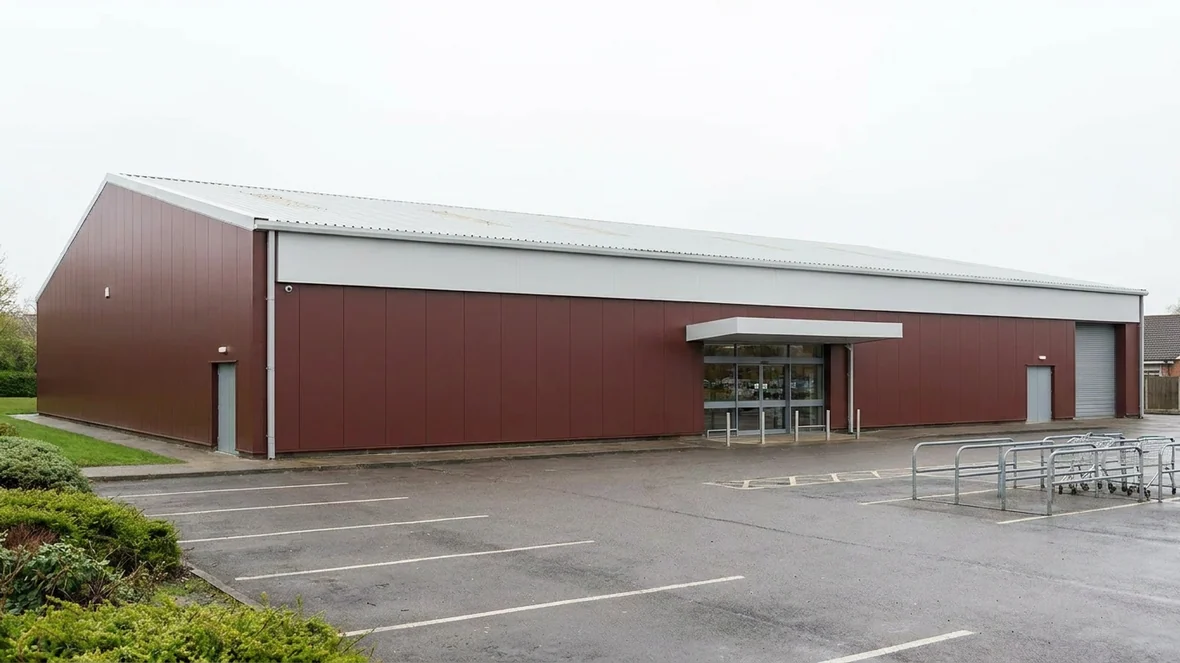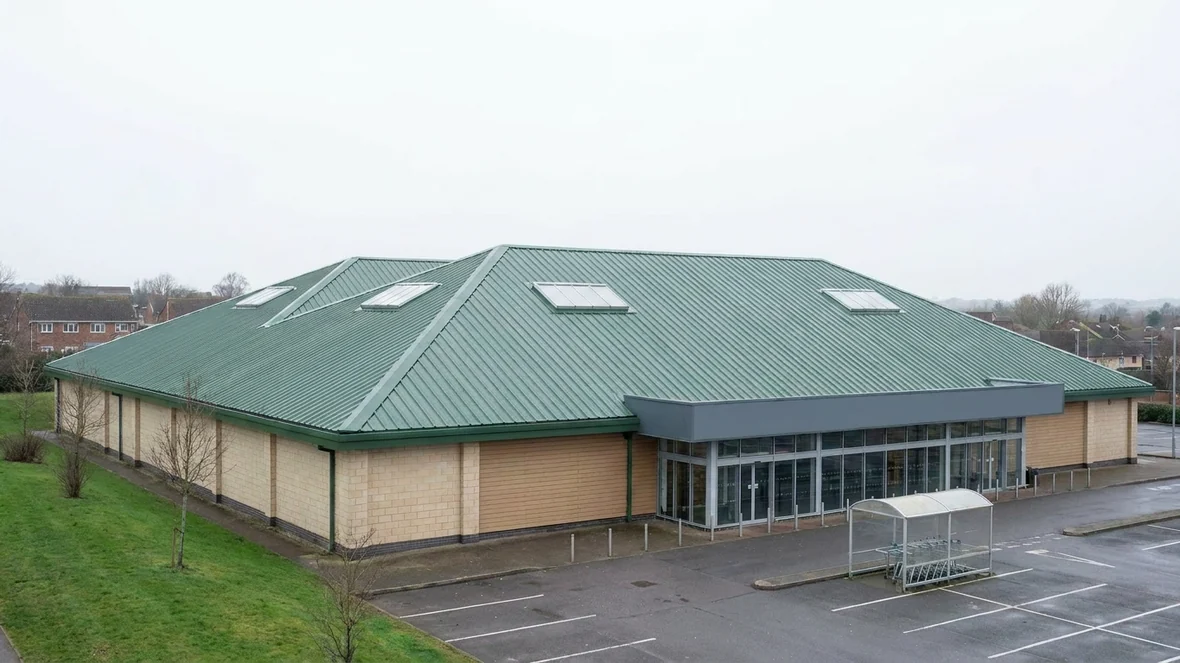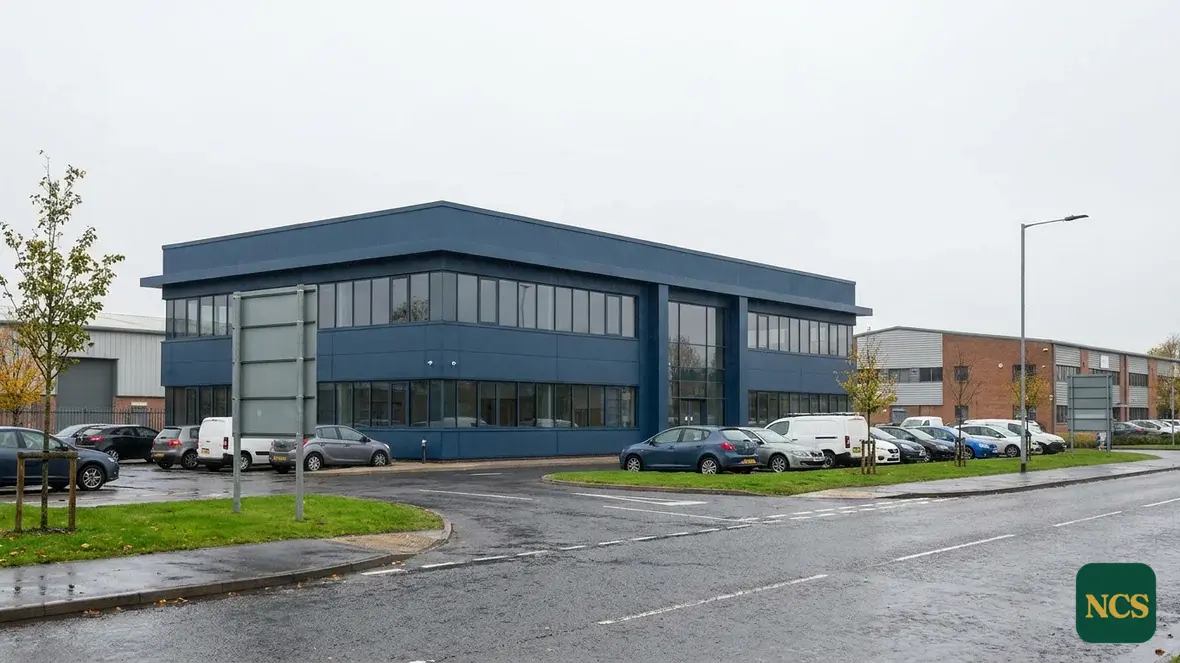




Cambridge is far busier behind the scenes than its skyline of colleges suggests. The science parks, research campuses and technology employers that drive the city all sit alongside the workshops, storage units and older industrial estates that keep them supplied. For commercial coating Cambridge buildings can often stay in use, with most roofs and elevations coated in place rather than stripped and rebuilt above a working operation.
Our approach to commercial coating Cambridge properties is survey-led, and that matters. We do not specify or price a roof or a wall we have not physically inspected. From Cambridge we cover the wider county, working on commercial, industrial and agricultural buildings across Cambridgeshire and its borders. What follows is how we approach each type of work in the city, and when we will tell you a coating is the wrong answer.
Commercial coating Cambridge: building stock and weather
The city’s growth has left a distinctive mix. Large flat roofs in single-ply, felt and asphalt sit on the science and business parks, many already decades old. Standing seam and profiled metal cover the industrial and logistics units out towards the A14. Older premises around the city and the Cambridgeshire fen edge add weathered fibre cement and asbestos cement to the list. Rendered and brick elevations run through all of it, from office frontages near the centre to plain industrial units on established estates.
Sitting low in the east of the country on flat, open land, Cambridge gets little shelter from the wind or the rain it carries. It is also one of the drier, sunnier corners of Britain, which catches buildings out: UV and thermal cycling break coatings down as surely as rainfall does elsewhere. A finish can look sound while it has gone brittle and stopped shedding water. Frost then works into every crack the summer opened. That is the pattern our surveys are built to read.
Commercial roof coating in Cambridge
Roof trouble on a Cambridge lab or technology building carries a cost well beyond the repair bill. Water over sensitive equipment or stored materials is a far bigger problem than a leak across an empty floor, and few research operations can tolerate the noise and exposure of a strip-and-replace overhead. A sound commercial roof coating keeps the building weathertight while it stays in use, which is usually the deciding factor for landlords and facilities teams on the business and science parks.
When commercial coating Cambridge roofs, we give flat roofs particular attention. Ponding, blocked outlets and tired seams are the usual failure points, and they are exactly what a survey is meant to find before anything is specified. Our inspection covers the membrane or sheet, seams and laps, fixings, upstands, flashings, rooflights, outlets and gutters, along with any internal signs of moisture. Where we suspect trapped moisture beneath a flat build-up we say so plainly. Coating over a wet roof is a known route to failure, and the written specification that follows sets out preparation, repairs and the system stage by stage.
Commercial wall coating in Cambridge
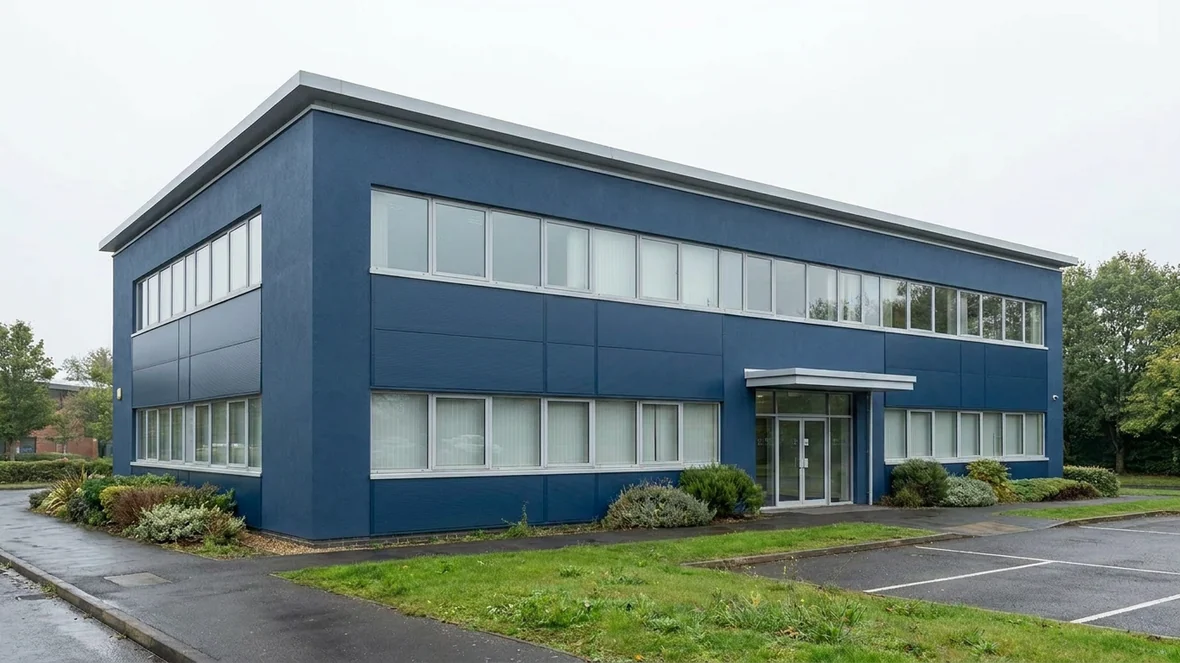
A rendered office frontage near the centre, a brick industrial unit on an established estate and a newer building on one of the science parks each weather differently, and each needs its own commercial wall coating specification. The substrate and its condition decide the system, not the other way round. If you have been searching for commercial painters in Cambridge, it is worth knowing that an airless-sprayed coating system, properly prepared, usually outlasts a brush-and-roller repaint by a wide margin and protects the wall rather than just recolouring it.
When commercial coating Cambridge walls, we trace the cause of any failure before we specify. The symptoms we are most often asked to survey are faded and chalking masonry paint, fine cracking in render, staining where sills and copings have failed, and old coatings peeling from poorly prepared substrates. UV catches elevations out here in the same way it does roofs. Damp walls need the source fixed and drying time first, hollow render needs re-rendering, and breathable historic masonry can be harmed by a sealed film. All of it goes in writing so you can budget on facts, not on a photograph.
Cladding spraying in Cambridge
Buildings on the science and research parks are expected to look as considered as the work going on inside them, and a faded or chalking clad wall undermines that faster than anything else on site. We spray coated steel, composite panels and architectural metalwork in place, restoring colour and surface protection without stripping good sheets off a sound frame. Cladding spraying keeps disruption down and lets existing panels serve on, whether the driver is a rebrand, a new tenant or a landlord bringing a dated scheme up to the standard of its neighbours.
When commercial coating Cambridge cladding, we start at the cut edges. Treat the corrosion first and the finish lasts; spray over it and it comes back through. We assess profiled steel on industrial and research-park units, flat composite panels on laboratory buildings, plastisol and PVDF finishes that have faded, and the curtain walling, framing, fascias and shutter doors around them. Where panels are perforated, cores show moisture or delamination, or the building is already set for recladding on fire-safety grounds, we will tell you a sprayed finish would only look good for a season and then fail expensively.
Industrial roof coating in Cambridge
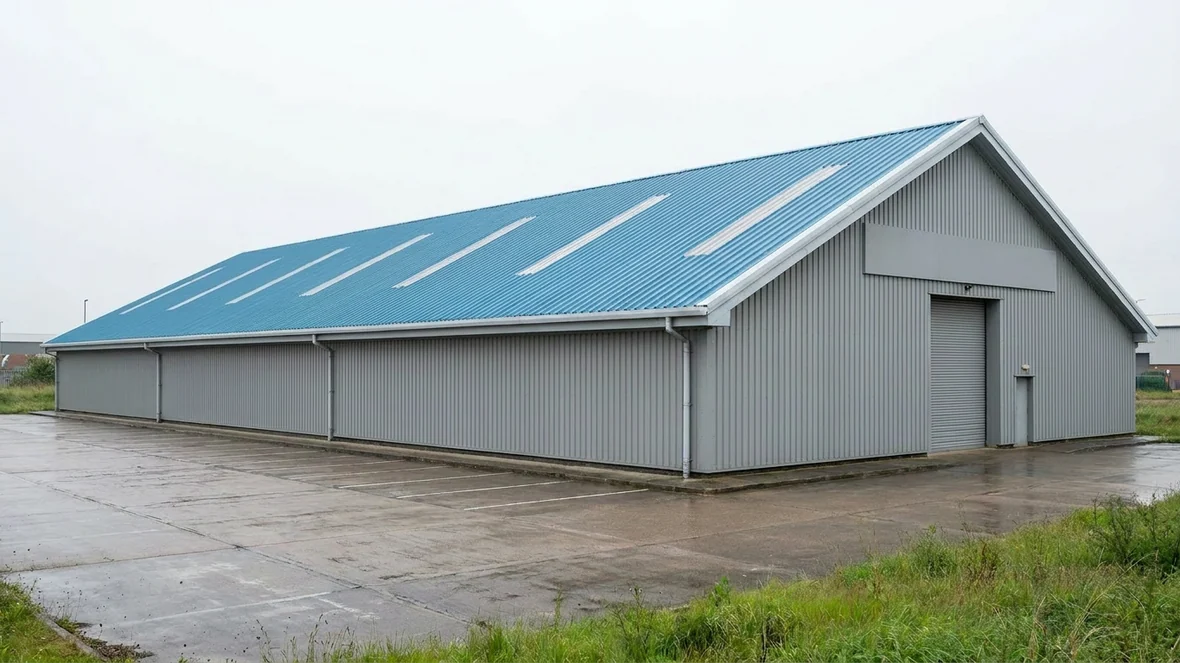
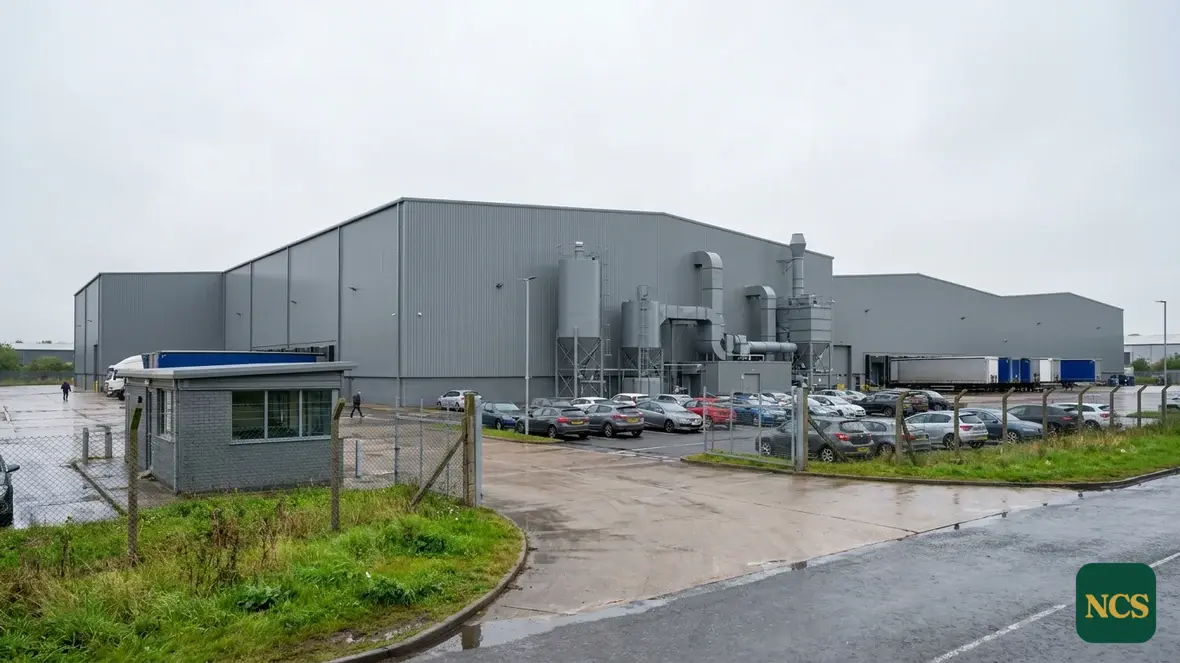
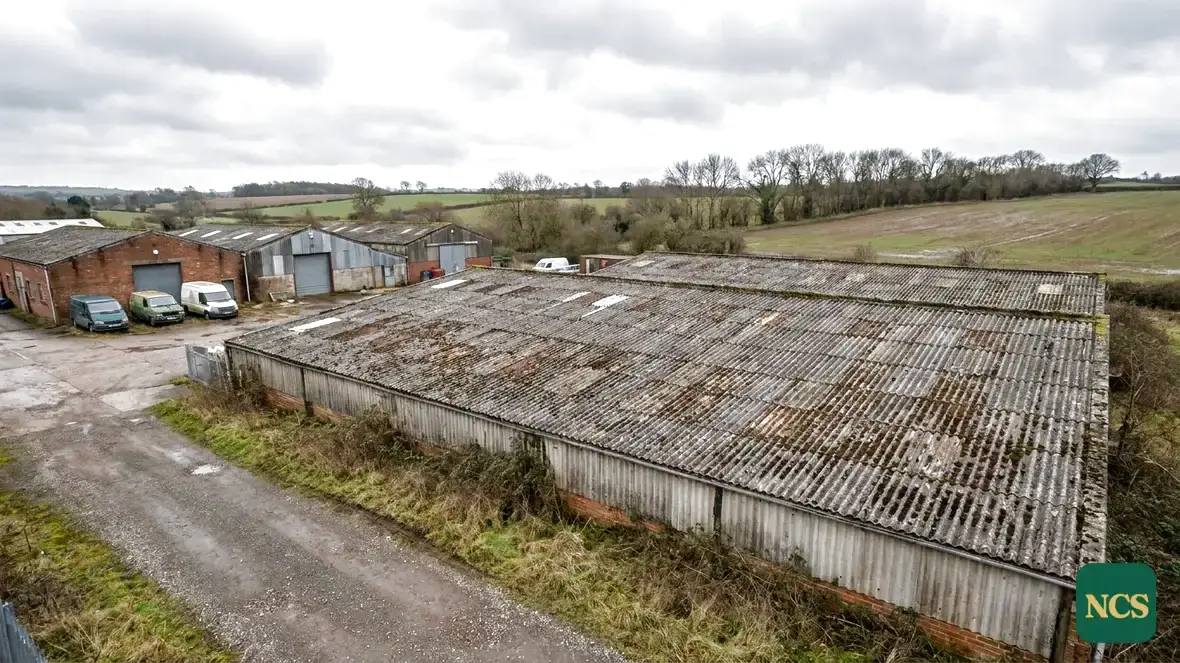
Industrial space in Cambridge is scarce, costly and almost always occupied. The warehouses, workshops and trade counters on the fringes mostly date back decades and sit under large profiled metal roofs that are now showing their age. Replacing them means emptying occupiers who have nowhere convenient to move to, which is exactly why industrial roof coating earns a place on the options list. A sound, properly prepared system adds useful life to a tired but structurally healthy roof and defers the capital cost of replacement to a point of the owner’s choosing.
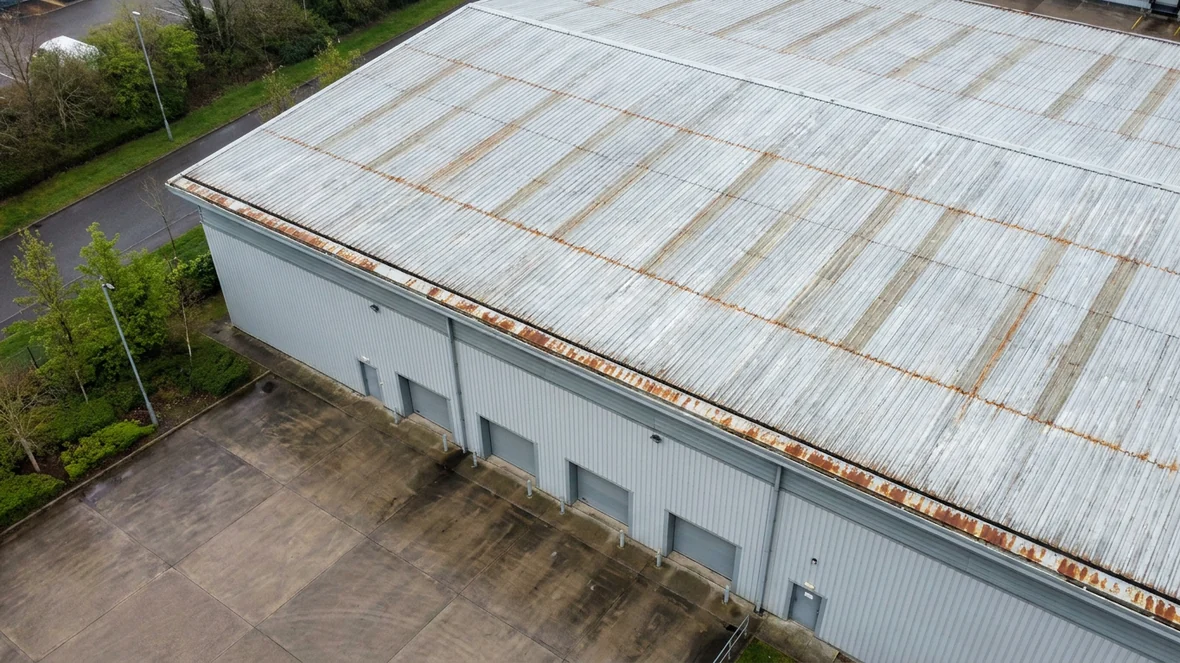
The defects on this generation of roofs are consistent: cut-edge corrosion at sheet ends and laps, chalking and peeling topcoats, brittle rooflights, rusting fasteners and gutters in worse shape than the roof they drain. Good industrial painting contractors treat those as one programme rather than a series of patches, because the preparation of the steel decides how long the topcoat holds. Where we find widespread perforation, corrosion coming through from the underside or saturated insulation within a built-up roof, the report recommends repair or replacement instead, with photographs you can hand to a landlord, board or fund.
Cut edge corrosion treatment in Cambridge
On every coated-steel roof around the science parks, the same detail fails first: the cut edge, the strip of bare metal left where a sheet was trimmed to length and the factory finish stopped short. Cambridge sits low on flat, open land with little to break the wind and the rain it carries, so eaves, end laps and gutter edges take the weather full on. Cut edge corrosion treatment deals with that bare steel before the rust spreads back under the surrounding coating and lifts it off.
Left alone, rust forms on the exposed cut, creeps under the factory finish and breaks its bond, and at end laps moisture is drawn into the overlap by capillary action, corroding the joint out of sight until staining shows inside. While the steel is still sound this is an in-situ repair: we prepare the edges back to clean metal, apply a rust-inhibiting primer and seal the laps, ends and gutter lines, with the building working throughout. Where edges have rusted through and no sound steel remains, we say so, hand over the photographs and quote for the replacement the roof needs.
Asbestos roof encapsulation in Cambridge
Replacing an asbestos cement roof is one of the most expensive and disruptive jobs a building owner ever faces, so on the older sheeting still found on light industrial units, workshops and storage buildings around the city we weigh encapsulation first. Where the condition allows, asbestos roof encapsulation cleans and stabilises the sheets, makes good minor defects and applies a high-build coating that binds the fibres in place and adds a fresh weatherproof layer. The asbestos stays contained, the building stays in use, and there are no skip loads of broken sheeting to handle.
The Control of Asbestos Regulations 2012 require whoever maintains a non-domestic building to locate the asbestos, log its condition and manage the risk, and the condition survey we carry out gives you a documented basis for that plan. Encapsulation has clear limits, though. Sheeting that is cracked through, delaminated, friable at the surface or shedding fibres is past the point where sealing it is safe, and the correct route is removal by competent operatives working to the regulations. We make that distinction clear for your roof specifically rather than coat something that should come off.
Agricultural building coating in Cambridge
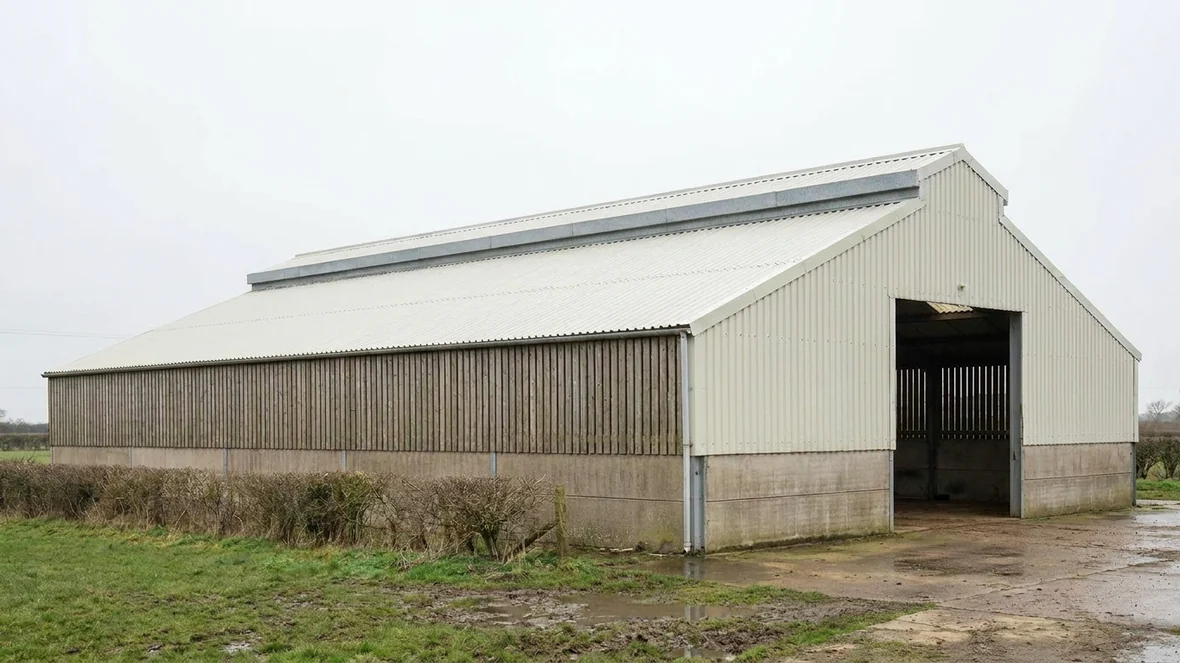
On the arable land around Cambridge the calendar sets the terms. A grain store has to be clean, dry and ready before the combines roll, so any coating has to be finished, cured and aired well ahead of intake. That single deadline shapes how we plan agricultural building coating on the fen edge. The farmland here is dominated by big arable buildings: grain stores with serious spans, machinery sheds housing kit worth more than most houses, and older general-purpose barns, many still under their original asbestos cement roofs.
Flat, open country gives the wind a clean run at all of them. Steel finishes chalk and break down, cut edges and fixings rust first, and fibre cement gathers moss wherever a slope faces away from the sun. The buildings themselves are usually sound, since portal frames on the fen edge were built generously, so weathered but solid sheeting can often be cleaned and encapsulated rather than disturbed. We schedule backwards from your intake date and confirm the programme in writing, because a store that is not ready in August is a failure however good the coating is.
Coat, repair or replace across Cambridge
Before commercial coating Cambridge roofs or walls, we decide whether coating is the right answer. Our trade has a bad habit of recommending coating to everyone who asks, and we refuse to join it. A roof or wall with a few damaged sheets or a patch of hollow render needs repair, and we will say so even though it is the smaller job.
Widespread surface failure on sound sheets is the genuine case for coating, and there are plenty of those across Cambridge and the arable land around it. A structure that is holed, soft underfoot or failing at the frame needs replacing, and a coating would only delay that bill while adding ours on top.
- Repair when the covering is sound but a few sheets or details have failed.
- Coat when the sheets are sound but the finish is weathering across the whole roof or wall.
- Replace when the deck, frame or insulation has gone, whatever the surface looks like.
Exterior painting and coating buys a sound building useful time; it cannot rebuild a failing one, and we will not pretend otherwise. Where a survey finds saturated insulation, a corroded deck, an end-of-life membrane or asbestos cement too degraded to encapsulate safely, you get our findings, the photographs and a straight recommendation, whether or not it leads to work for us. On a shared estate each building gets its own verdict rather than a blended average.
Booking a coating survey in Cambridge
Before commercial coating Cambridge premises, we start with a physical survey. We inspect the roof or the elevations from proper access, record the condition of sheets, edges, fixings, rooflights, gutters, render and masonry, and check inside for the staining and corrosion that betray a leak the ground view hides. Where a yard or estate holds several buildings in different states, each one is graded on its own merits. The survey is free, and there is no obligation to proceed.
You get photographs, plain-English findings and a written specification you can hold us to or take to another contractor for a fair comparison. From Cambridge we work across Ely, Newmarket, Huntingdon and Royston on the same survey-led basis, which suits organisations with buildings spread around the county and along the M11 corridor. For the wider picture, see our Cambridgeshire coating hub, then book a survey before another wet winter works on your building.
Cambridge: recent work we can show you
These are our own photographs from jobs of the same type. They are not stock images, and none of them is dressed up as something it is not. The caption tells you where each one was taken.
Standards behind our Cambridge work
When commercial coating Cambridge buildings, our surveys and our crews work to that standard on every job. Our teams plan every job around the HSE’s work at height guidance, and we hold CHAS accreditation so the health and safety paperwork a facilities or estates team asks for is ready before the first van arrives.
Recently — July
Through the drier summer months we can programme preparation, coating and curing with far less chance of a weather delay holding the job up.
We coat roofs and cladding that still have life in them, and we say so plainly when one is past saving.