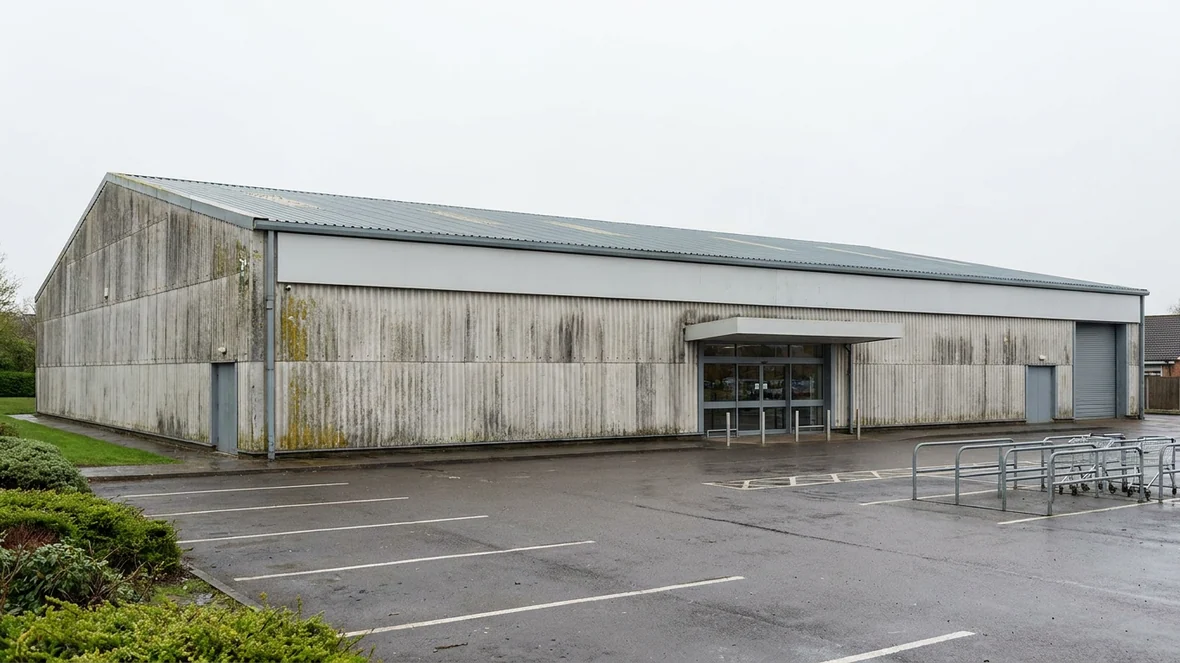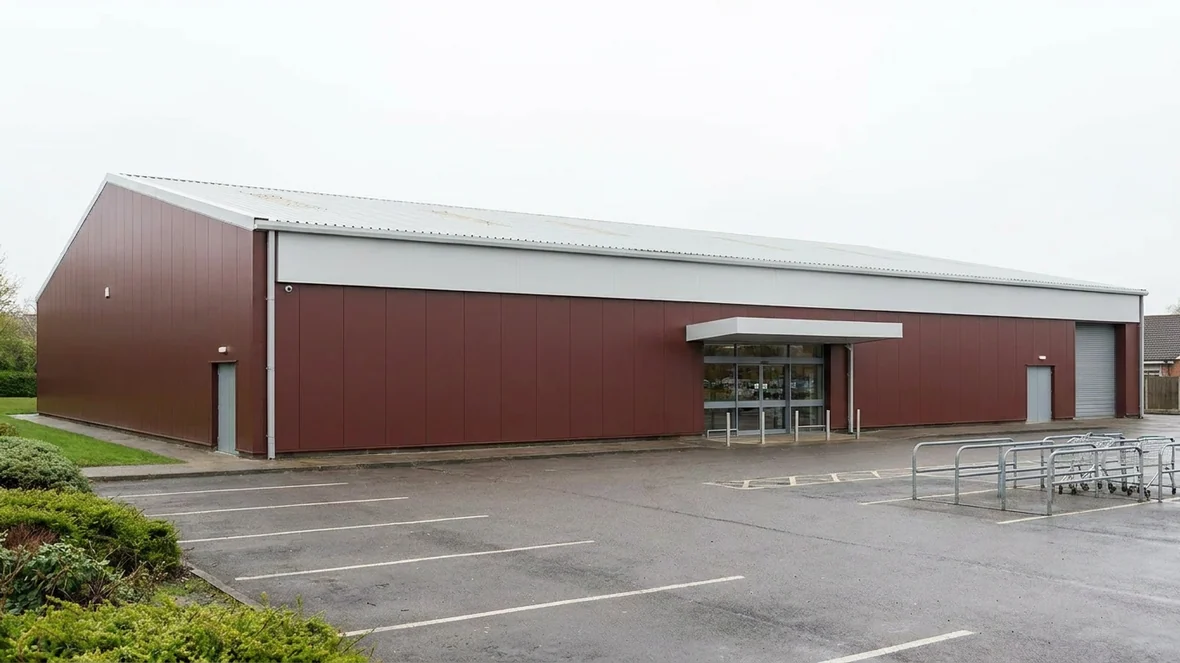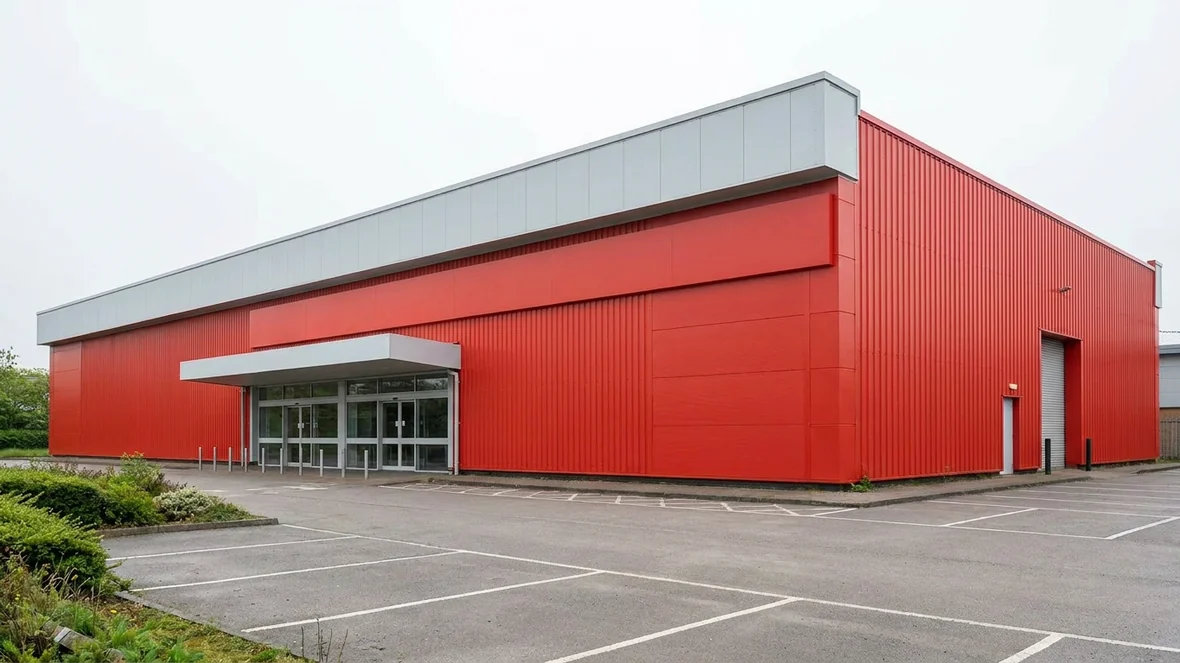




Commercial coating Chester businesses can rely on
Commercial coating Chester owners search for starts with a proper roof or wall survey, not a product catalogue. We tell you plainly whether a system will hold or the building needs repair first.
Chester wears its Roman walled-city heritage on its sleeve, but the buildings that keep the local economy moving sit well away from the tourist trail. Out on the business parks and industrial estates, on the trade counters and the dairy farms of the surrounding Cheshire countryside, there are roofs and elevations quietly reaching the point where something has to be decided.
We are a survey-led coating contractor, and we work across Chester and the towns around it. That means we do not price a building we have not stood on. Whether the answer turns out to be a coating, a repair or an honest recommendation to replace, it comes from a physical inspection, not a postcode and a guess.
Chester’s building stock and how the local weather ages it
Sitting in the north-west near the Welsh border, Chester takes whatever the Irish Sea and the Welsh hills push inland. It is wet, and the wetting and drying is what does the damage. On profiled metal roofs it hammers the lap joints and speeds up cut-edge corrosion. On flat felt and single-ply it finds every tired seam. Close enough to the Dee estuary for the air to carry a faint marine edge, the damp here has a salty bite that works harder on bare steel than inland weather would.
The stock itself tells the city’s story. Trading estates and distribution hubs run along the ring road and out towards the M53 and A55. Older brick-built works carry roofs that have been patched for years. A lot of the established depots and farm buildings still wear asbestos cement sheeting put up between the 60s and the mid-80s, weathered now to a porous, moss-grown surface that holds the rain. None of these are the same building, which is why every one gets treated as its own job.
Commercial roof coating in Chester
Most commercial roofs in Chester reach a point where the owner is weighing a full tear-off against something less drastic. A coating system is the middle way. On a roof that is still fundamentally sound, it restores the surface, seals the weak points and puts off replacement, all worked from roof level while the business carries on underneath. There is no stock to move and no production to stop. For a busy unit that matters as much as the money saved.
The value is entirely in the preparation and the diagnosis, which is why our commercial roof coating work always starts with a physical survey rather than a sales chat. We get up there and check the sheets, the laps, the fixings, the rooflights, the gutters and any sign of moisture trapped below, then write a scope covering the prep, the repairs and the system itself. When you get a price, you know exactly what it covers.
Commercial wall coating in Chester
A wall coating is only as good as the diagnosis behind it, and photographs hide the things that matter: failed adhesion, hidden damp paths, the substrate problems that only show when someone is standing at the elevation. We survey first, match the preparation to the actual wall, and choose products for the exposure it really faces. If you have been searching for commercial painters in Chester, the distinction worth knowing is that an airless-sprayed coating system built for the substrate tends to outlast a straightforward brush-and-roller repaint by a wide margin.
A faded frontage no longer matches the business inside it, and a commercial wall coating can lift the whole elevation, whether that is a corporate colour change across profiled steel and render or a simple refresh of the existing scheme. It is never a cosmetic overpaint. Where masonry is saturated, we fix the water source first, because coating over damp only traps it. Where soft or historic masonry needs to breathe, a film-forming product can do real harm, and we will say so on site.
Cladding spraying in Chester
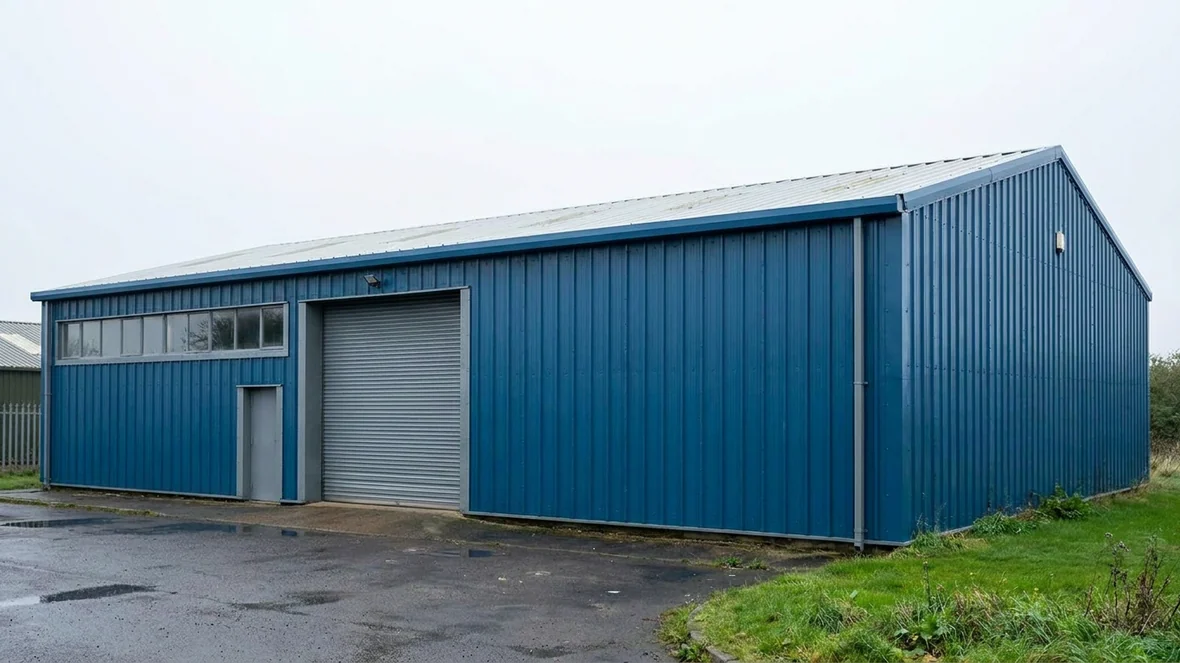
Smartening up a tired industrial or commercial unit does not have to mean new panels or weeks of closure. On-site cladding spraying takes the steel you already have, prepares it thoroughly, and puts colour, gloss and weather resistance back with spray-applied coatings. Most enquiries start with how a building looks, a faded elevation or a rebrand, but the same work stops chalking and early corrosion before they turn into something expensive. Changing to a new RAL or BS shade is as common as a like-for-like refurbishment, especially when a unit changes hands.
Profiled steel wall cladding, faded plastisol and PVDF panels, composite walls, curtain walling, roller shutters and rainwater goods all take a sprayed finish well. Our cladding spraying begins with a written condition report setting out the cleaning method, corrosion treatment, priming, the system and the access plan, and the work on site follows that document. Cladding painting done this way keeps the building trading while each elevation is brought back, sequenced around deliveries, parking and occupied hours.
Industrial roof coating in Chester
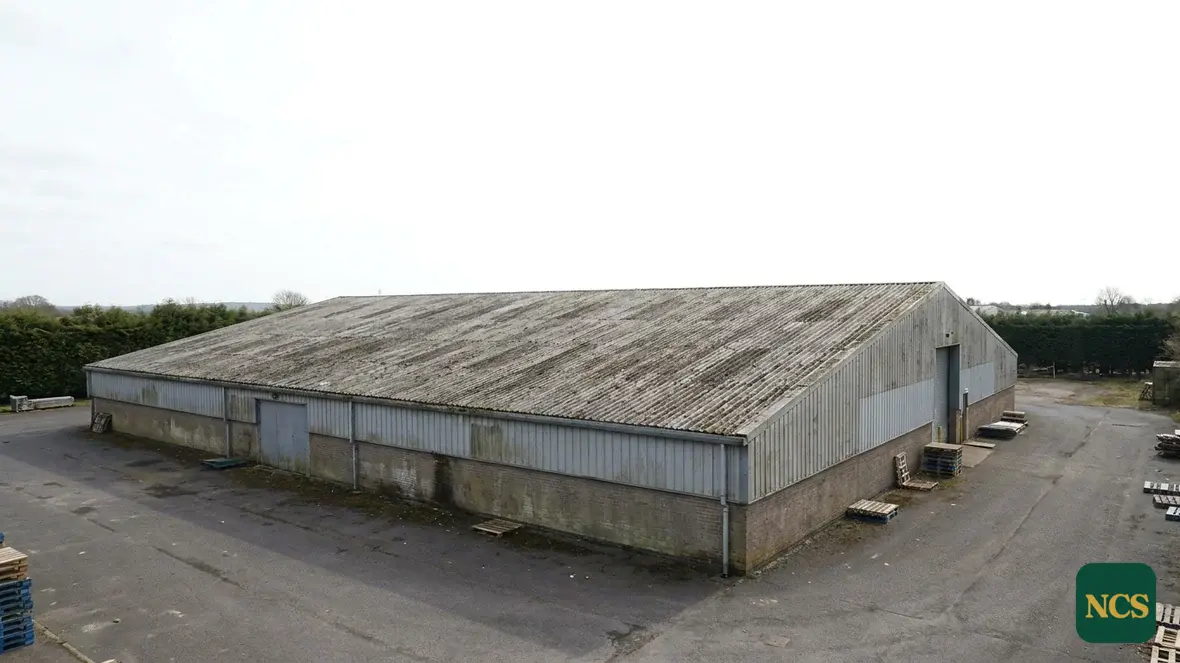
The trading estates around Chester rarely make the tourist maps, but they carry storage, engineering, trade counters, vehicle businesses and light production, much of it under profiled metal roofs put up decades ago. On these big single-storey buildings the original finish quietly gives up, and the owner needs an answer that is not automatically a full re-sheet. A coating adds years to a sound roof and the work is done from roof level, so the business keeps running below.
If you have been looking for industrial painting contractors, the thing to check is whether the cut edges are in the scope, because that thin line of bare steel at every lap and eave is where corrosion starts and where most jobs are won or lost. Our industrial roof coating treats the edges properly, with preparation, priming and sealing before the system goes on, and the whole specification is written from a survey of the roof you actually have, phased around your shifts and the weather windows.
Cut edge corrosion treatment in Chester
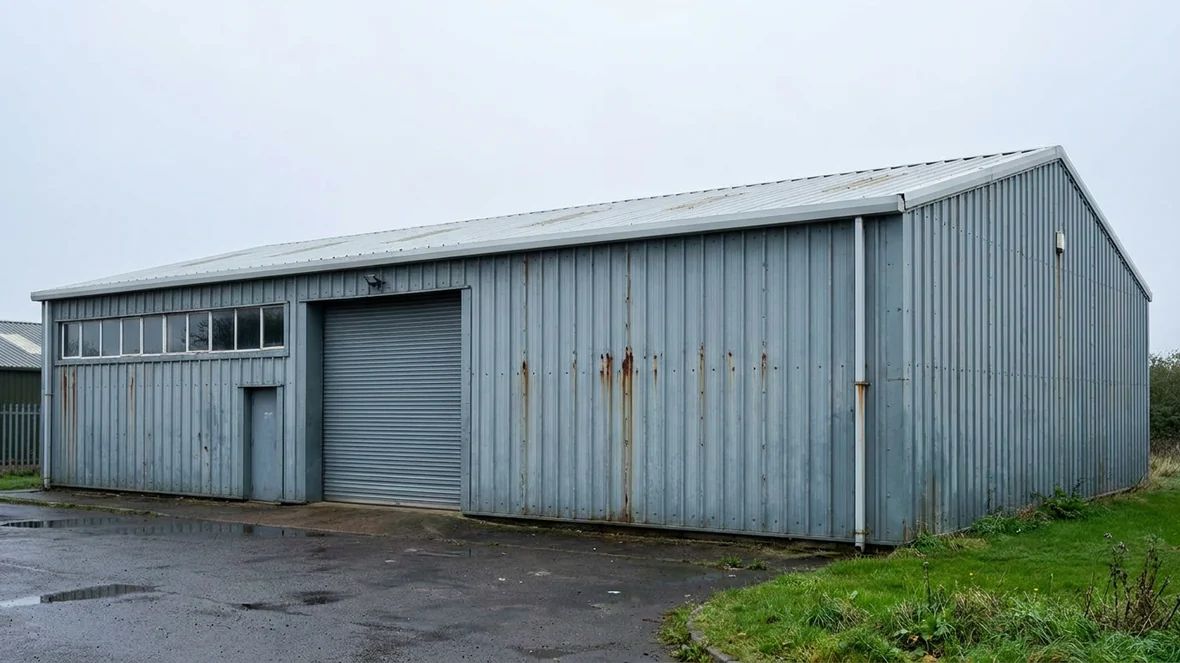
On profiled coated-steel roofs, one detail always fails first: the cut edge, the strip of bare metal left where a sheet is trimmed and the factory finish stops. The rust does not stay put. It creeps under the surrounding coating, breaks the bond, lifts the finish and exposes more steel, which corrodes in turn. The overlaps hide the worst of it, drawing water into the joint where estuary salt makes it bite harder. By the time rusty streaks are running into the gutters, the laps have usually been going for a while.
Caught early, while the steel at the edge is still solid, the fix is contained. We take the affected sections back to clean metal, prime them and seal them under a flexible system across the laps and edges, all on site with the building working below. Our cut edge corrosion treatment is often carried through to an overcoat of the whole roof, since the finish near an estuary ages everywhere at once and you avoid paying for roof access twice within a few years. Where the ends are rusted through with no sound metal to bond to, we will not coat it, and we put that in writing with photographs.
Asbestos roof encapsulation in Chester
Plenty of Chester’s workshops, trade units and the farm buildings out in the countryside still carry asbestos cement sheeting from the 60s through to the mid-80s. Weathered but structurally sound is the common state, and for those roofs encapsulation is a managed, less disruptive route than stripping them straight off. We clean the roof, stabilise it, fix the small defects and lay a high-build system across the whole surface, locking the fibres into the sheet and giving a fresh weatherproof skin. The building stays in use throughout and there are no broken sheets to dispose of.
It only works if the sheeting is genuinely sound, which is why our asbestos roof encapsulation always follows a survey. A roof that has cracked through, delaminated or gone friable is past sealing, and coating it would only postpone the removal. Where removal is the right call, we will set out plainly what the regulations require and who should do the work, because taking off cement roof sheeting is generally non-licensed, though it still demands the correct method, protection, controls and waste handling.
Agricultural building coating in Chester
Cheshire is dairy country, and the farms around Chester carry the building stock to match: cubicle sheds and parlours, slurry and silage stores, calf housing, machinery sheds and the older general-purpose barns every working farm collects. Coated steel over a livestock building takes a double attack, ordinary weathering from outside and a humid, ammonia-laden atmosphere from the stock and slurry below, so cut edges, laps and fixings corrode first and condensation finds every cold spot. Where the cement sheets are intact, cleaning and encapsulation seals the surface without stripping and disposal.
Timing on a working dairy unit is about the herd, not an empty floor, and the practical window is turnout, when cattle are out at grass and the sheds can be worked safely. Our agricultural building coating is planned backwards from when the stock comes back in and confirmed in writing, with each building on a multi-building yard assessed on its own rather than averaged. A settled dry spell is worth waiting for, because a coating cured in good conditions holds up far better than one rushed on under threatening skies.
Coat, repair or replace across Chester
The honest position runs through everything we do: a coating restores a roof or wall with life left in it, and it does nothing for one that is finished. Saturated insulation, widespread fastener failure, a corroded deck, a membrane at the end of its life, cement gone too far for safe encapsulation, render hollow across large areas, all of these point to overcladding or replacement, and we will say so even when it earns us less. Covering decay does not stop it.
That principle applies to every kind of exterior painting and coating we take on, from a single warehouse elevation to a whole dairy roof. Anyone can email a price for a building they have never seen. What they cannot tell you is whether the leak over your loading bay is a lap joint, a rusted fixing line or a blocked gutter, and each of those changes the work. We price the building you have, both options set out openly, with no pressure to take the larger job.
Booking a coating survey in Chester
Getting a survey booked is straightforward. Tell us about the building and what the roof or walls are doing, we inspect and photograph everything from proper access, and you get a written condition report with a clear recommendation you can hold us to. The survey is free and it commits you to nothing. If a coating is the right answer it will show, and if it is not, the report saves you from paying to find that out the hard way.
Chester is a good base for the wider area, so alongside the city we are regularly working in Ellesmere Port, Wrexham, Warrington and Northwich, and buildings spread across several of those towns can be surveyed in one visit. For the full survey-led service across the county, see our Cheshire coating hub.
Commercial coating chester: recent work we can show you
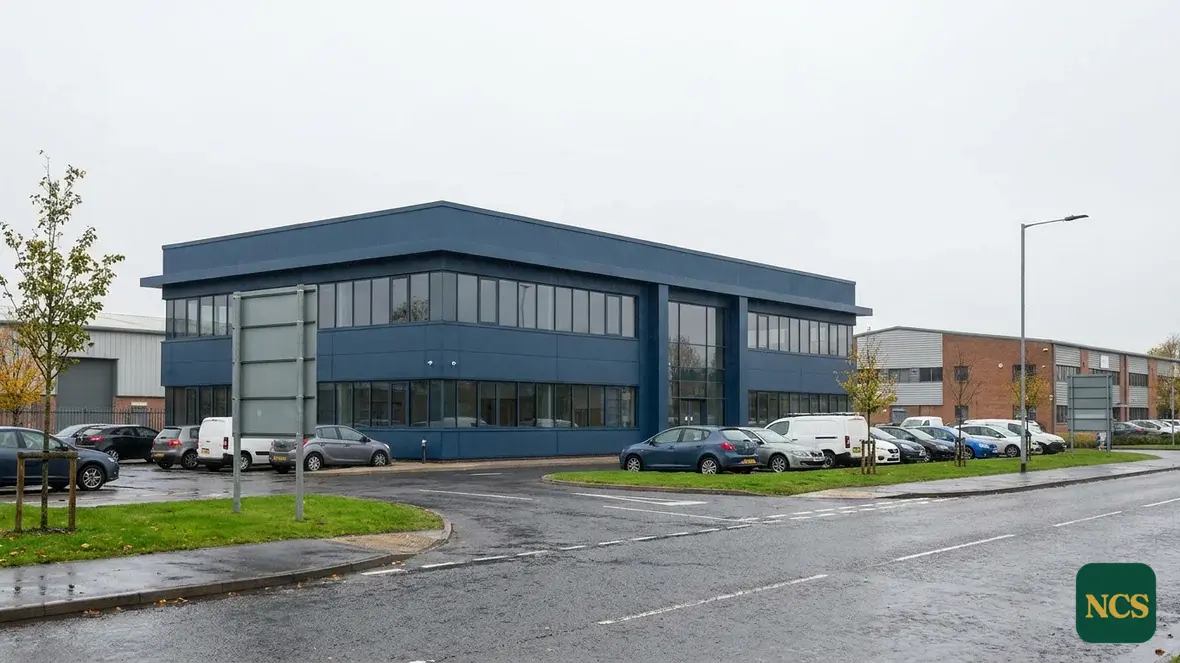
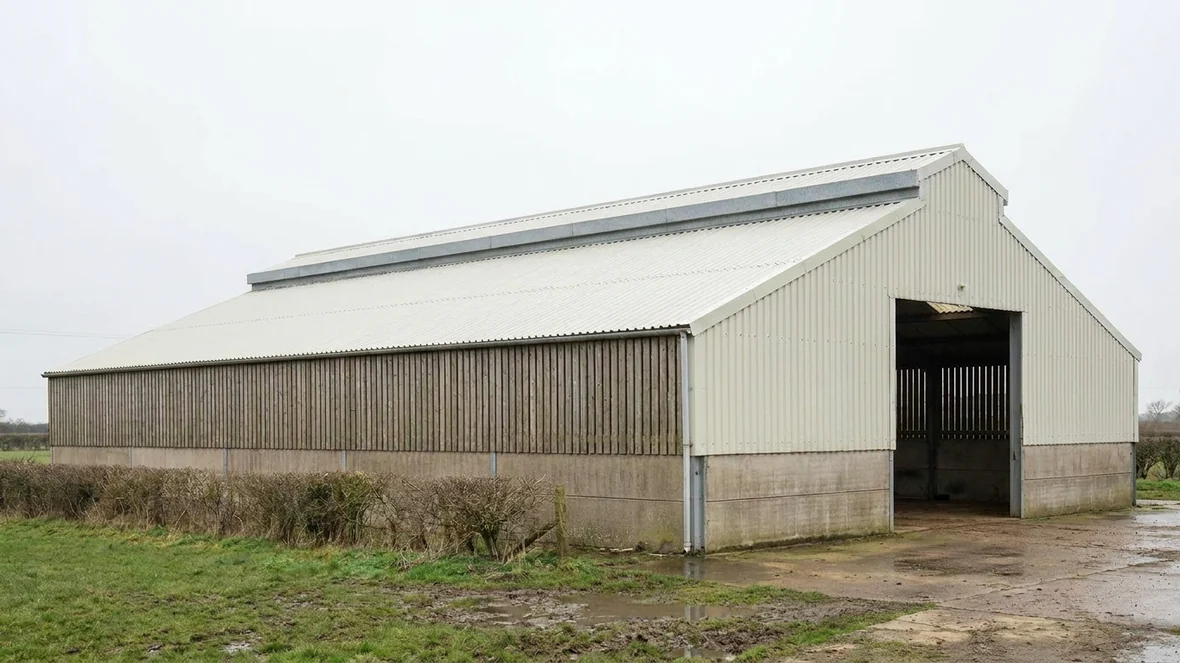
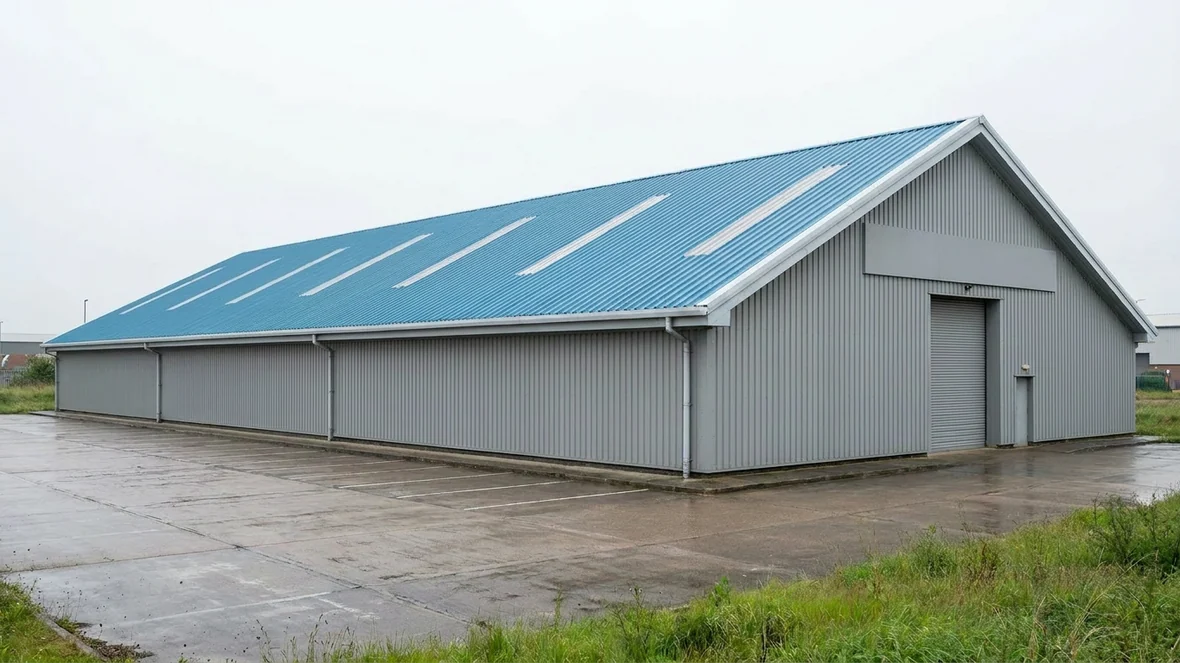
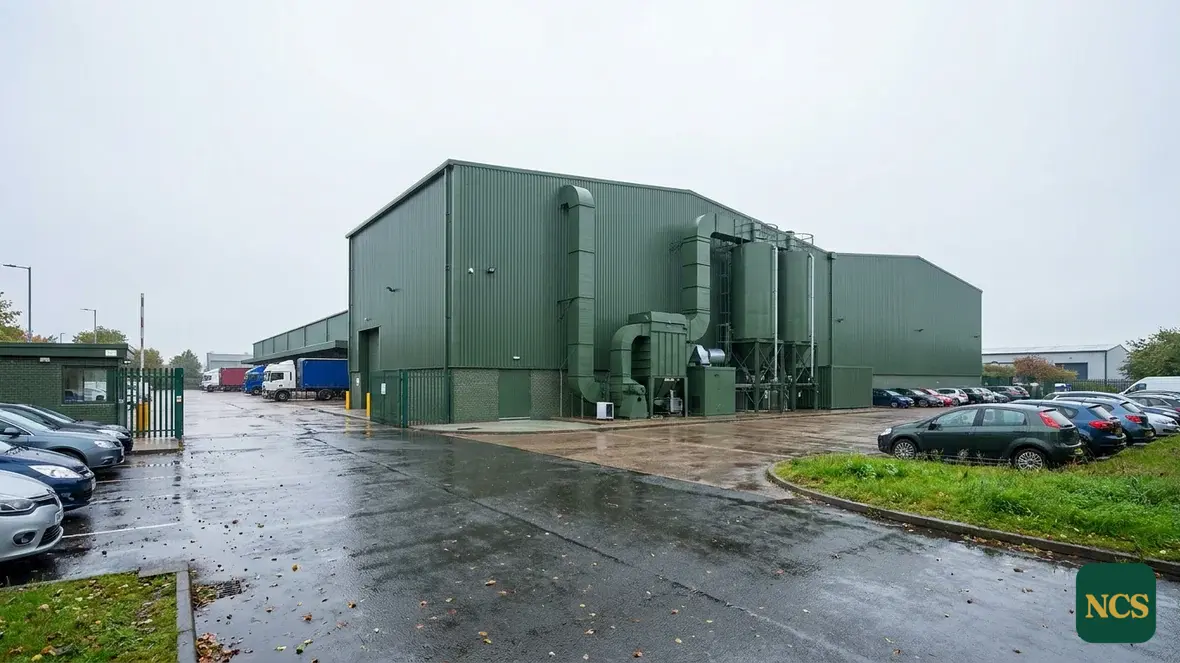
These are our own photographs from jobs of the same type. They are not stock images, and none of them is dressed up as something it is not. The caption tells you where each one was taken.
Standards behind our commercial coating chester work
Roof and cladding work across Chester’s trading estates and farm buildings means time at height, so access is planned to HSE’s standard before anyone goes up. Our teams plan every job around the HSE’s work at height guidance, and we hold CHAS accreditation so the health and safety paperwork a managing agent or estates team asks for is ready before the first van arrives.
Recently — July 2026
With surfaces staying dry for longer, summer lets us prepare and coat a roof in a single planned visit rather than working around showers.
We plan the work around how your site runs, so the building stays in use while we are on the roof.