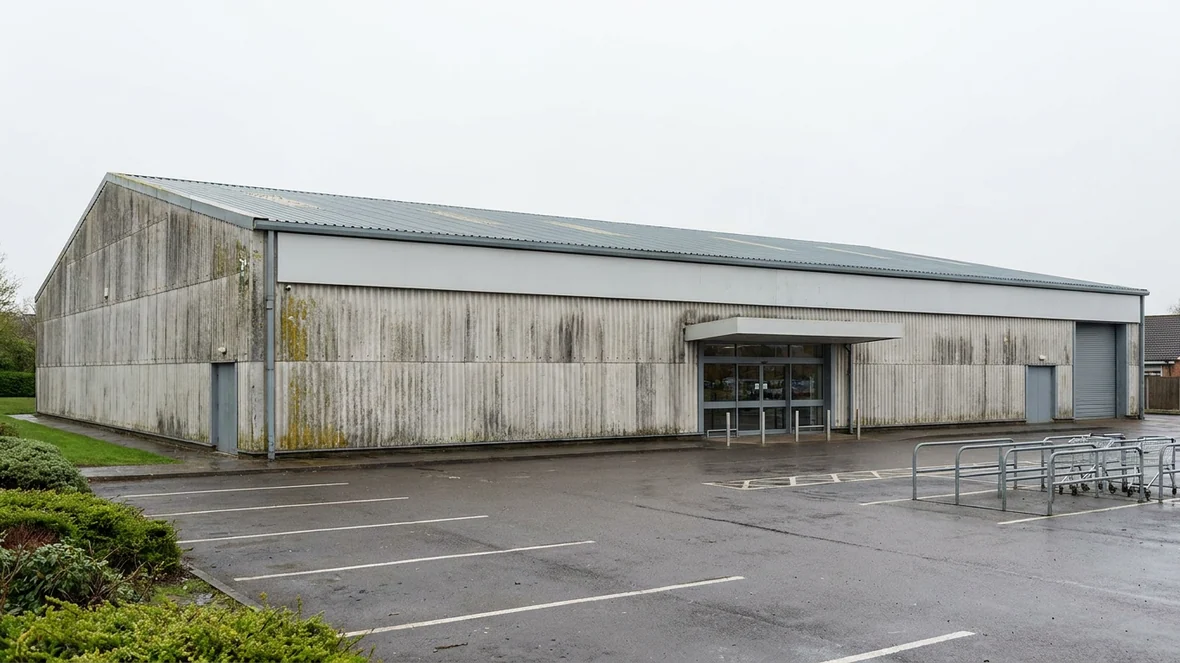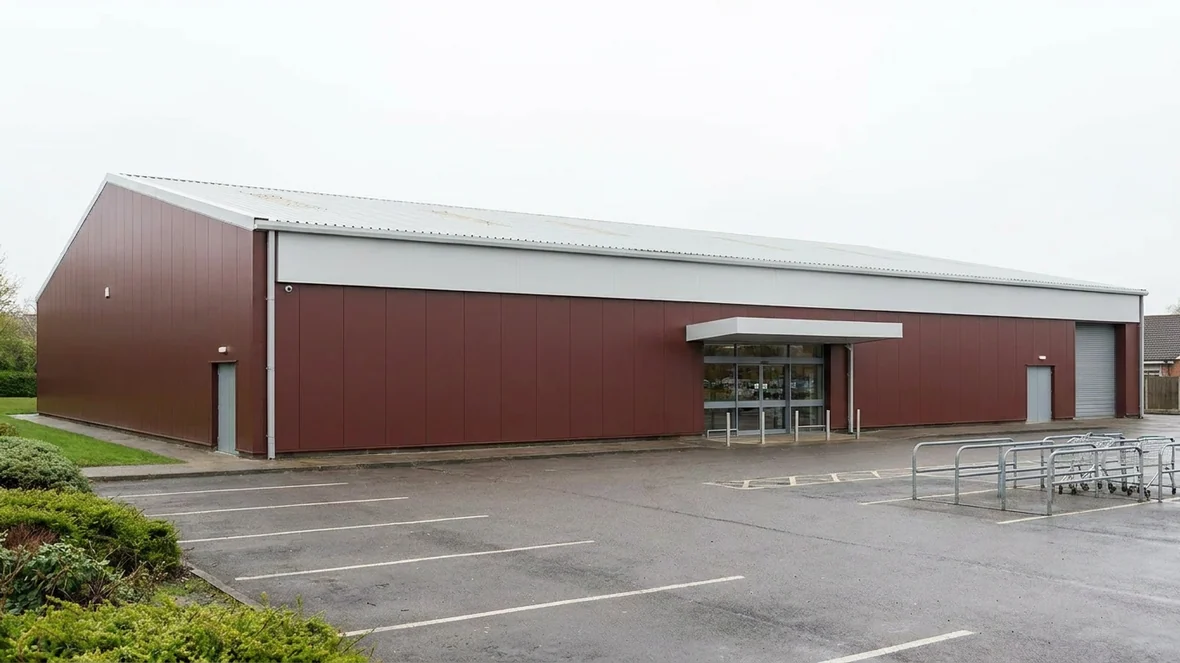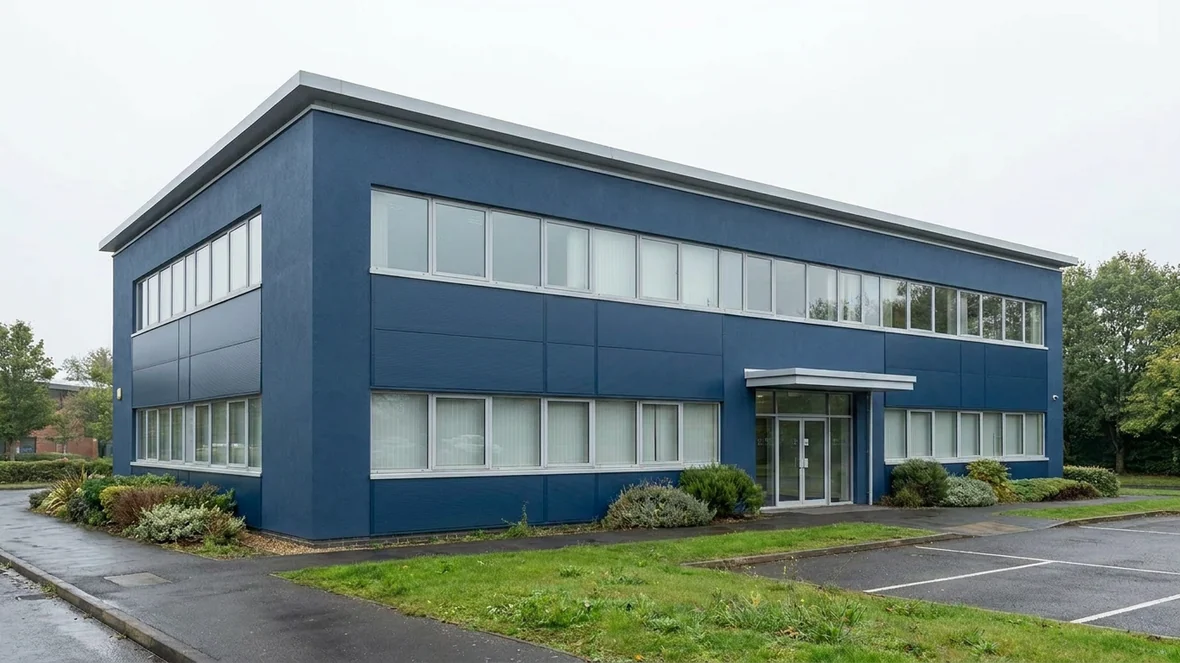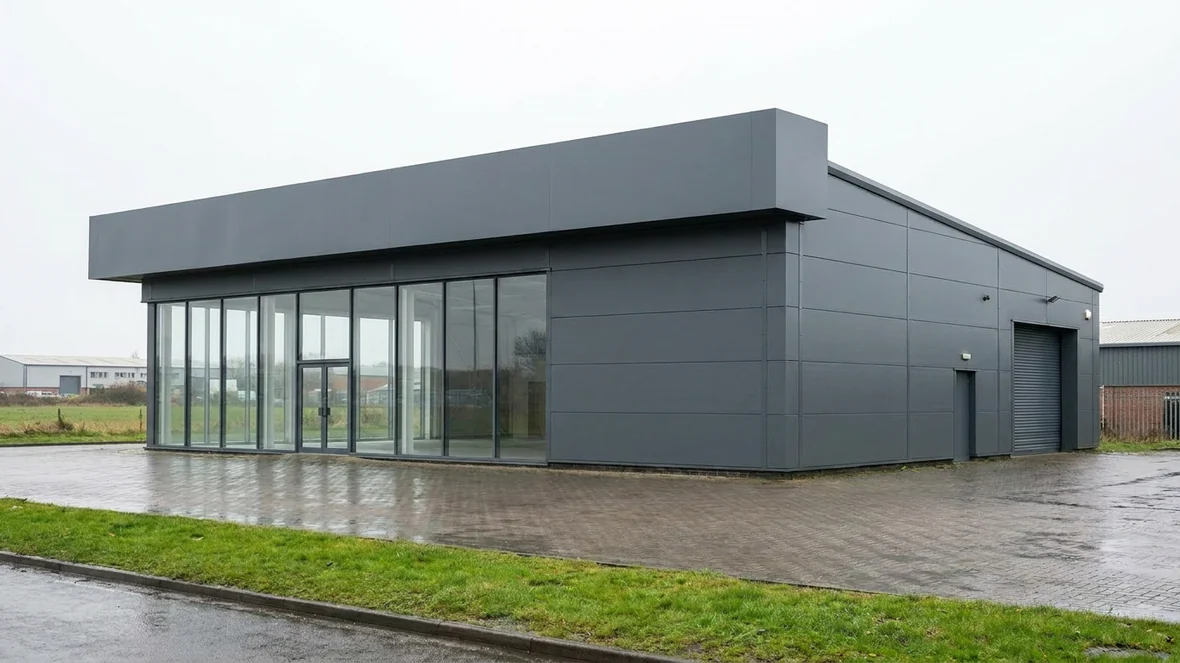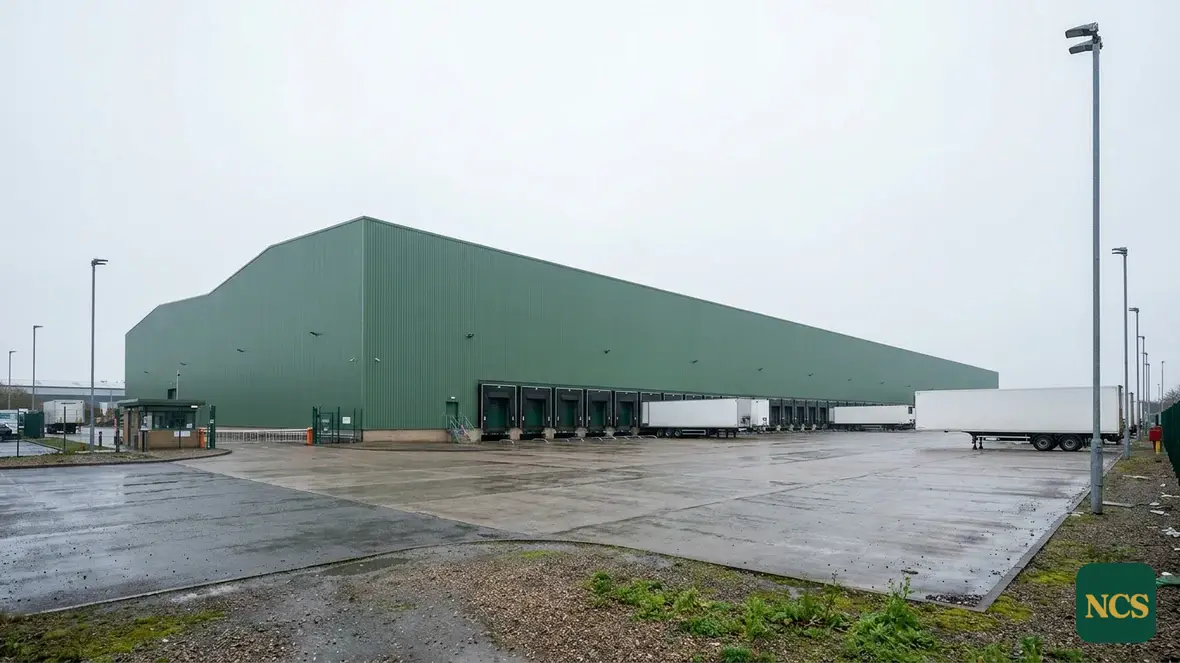




Chichester sits near the West Sussex coast, a cathedral city with a tight historic core and trading estates spreading out along the A27. Commercial roof coating Chichester is shaped by that coastal exposure, and it starts with a survey rather than a quote. Its buildings work for a living in a demanding spot. Salt-laden air off the harbour, long exposure across the coastal plain and a mild, damp climate all press on external metal and masonry at once, and they find the weak points first: the cut edges, the laps, the fixings and the tired render.
We are National Coating Specialists, and we work survey-led. That is not a slogan. It means no one on our team prices a Chichester roof or wall from a map and a photograph. Every recommendation begins with someone up on the roof or standing at the elevation, reading what the building is actually doing. Some of those visits end in a coating specification. Some end with us telling you a coating would be money wasted. Both answers earn their place.
How Chichester’s building stock ages by the sea
The commercial and rural stock around the city is a genuine mix. In and near the centre there are brick and rendered frontages over retail and office premises, along with felt and single-ply flat roofs. Out on the estates off the A27 you find profiled metal sheeting and steel-framed units, plenty of it already carrying cut-edge corrosion where the lap ends meet coastal air. Further onto the coastal plain, farms, packhouses and horticultural buildings run large asbestos cement and fibre cement roofs that have gone brittle and porous with age.
The weather treats each of those surfaces differently. Factory finishes on profiled steel chalk and fade under strong coastal light, then thin until moisture reaches the steel and corrosion accelerates at the edges. Salt settles on sheet ends, laps and gutters, holding damp against the metal and speeding the reaction that drives rust. Render goes chalky and hairline-cracked; fibre cement turns porous and gathers moss on the shaded slopes. A product that suits profiled steel is the wrong answer on weathered fibre cement, which is exactly why we match the specification to the substrate rather than the other way round.
Commercial roof coating in Chichester
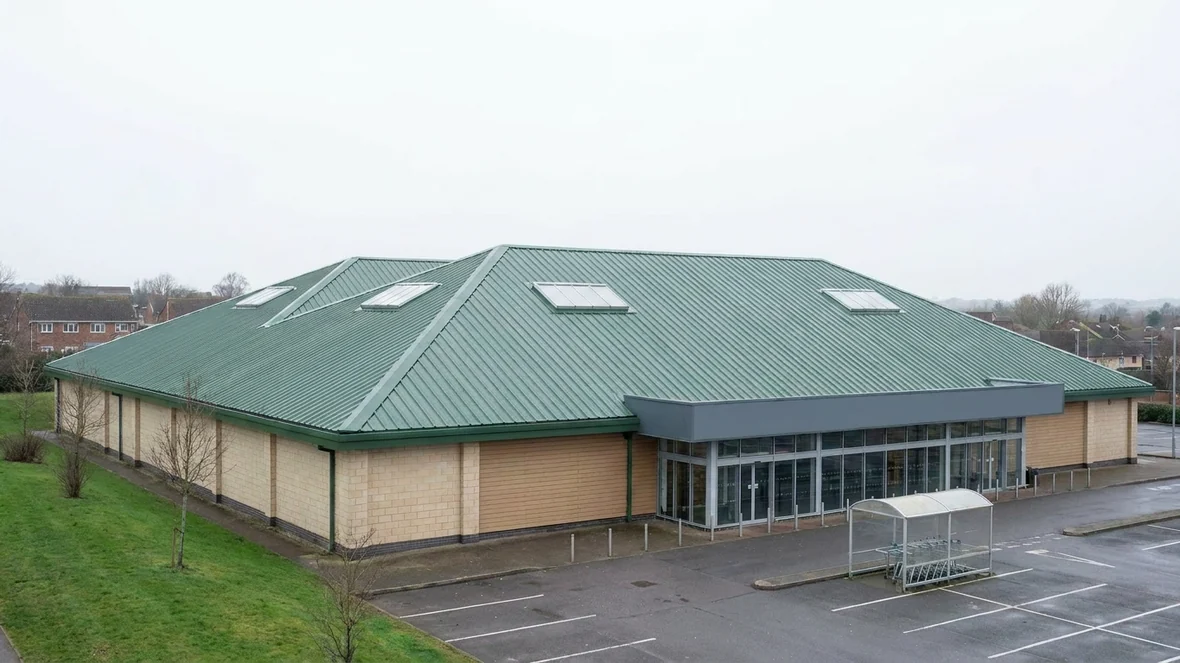
A sound commercial roof rarely needs stripping back to the frame. Where the sheets or membrane are still serviceable, a correctly specified system seals the vulnerable cut edges and fixings and adds weathertight service without the scaffolding, waste disposal and downtime of a full re-sheet. That matters most on an occupied building, because all the work happens outside: no exposed deck overnight, no racking to move, no production to halt. Our commercial roof coating is chosen after the survey, matched to the roof rather than lifted from a brochure.
The stock we meet here runs from profiled steel on the trading estates to felt and single-ply flat roofs nearer the centre, and each substrate wants its own preparation regime and coating chemistry. If you have been searching for commercial painters in Chichester, it is worth knowing that an airless-sprayed coating system usually outlasts a brush-and-roller repaint on a large roof, because it seals the details a brush never reaches. Where the survey finds saturated insulation, widespread fixing failure or sheets simply at the end of their life, we will say plainly that coating is the wrong call and put the reasoning in writing.
Commercial wall coating in Chichester
Walls in Chichester change character within a mile. The historic core carries older brick and rendered elevations; the retail parks and office blocks on the edges are steel-framed and later. A protective, weather-shedding finish only works if it suits the substrate underneath, so we inspect the elevation before we talk products, looking for the cause of any damp or cracking and testing how well the existing finish still adheres. Repairs come first: crack treatment, fungicidal washing and making good are part of the job, not a surprise added later. Our commercial wall coating is specified for the wall and the way the building is used.
Coastal air adds salt to the mix, which accelerates the weathering of painted render and masonry on the seaward faces. Exterior painting on a frontage that is merely tired is straightforward; a wall that is saturated because of a failed gutter, a leaking parapet or rising damp is not, and a coating there would trap the problem rather than cure it.
Soft or historic masonry that needs to breathe is often better left uncoated or given a breathable treatment. Where render has blown across large areas, re-rendering is the honest answer before any finish goes on, and we would rather say so than watch a product fail inside a couple of winters.
Cladding spraying in Chichester
Salt air sets the agenda on clad buildings here. On the coastal plain between the harbour and the Downs, coated steel weathers noticeably faster than the same sheet would inland, so this work is as much about corrosion protection as appearance. Repainting profiled cladding by brush rarely lasts. Our cladding spraying applies a sprayed system to properly prepared panels, renewing the barrier between the steel and the salt before rust gets a foothold and restoring the colour across the whole elevation in one visit, ancillary metalwork included.
The survey comes first: adhesion testing of the existing finish, corrosion mapping at cut edges, laps and fixings, and a check of gutters, sealants and flashings, written up as a plain report with a clear recommendation. Timing matters more on the coast than almost anywhere, because coatings need dry, settled spells to cure, so we build the programme around the weather window. Where salt has already done its worst, with finishes delaminating wholesale, panels perforated or sheets hiding active leaks, the honest recommendation is repair or replacement. No coating changes a panel system’s fire performance either; that question belongs with a fire specialist.
Industrial roof coating in Chichester
Industrial units around the town mostly wear profiled metal roofs that have been in service a long time. If the roof is sound, coating protects it and extends its working life without the cost and downtime of re-sheeting, and the whole job stays on the outside of a live, trading building. That word sound is the hinge, and it is what the survey settles. We will not price from satellite images, because only the condition of the sheets, laps, fixings and cut edges tells us whether our industrial roof coating is the right call at all.
On almost every metal roof we survey, the first deterioration shows at the cut edges, where the exposed sheet ends have no factory coating and moisture wicks into the overlaps. Treated early, that is localised work; left alone, it is what turns a coating project into a re-sheet. Good industrial painting contractors are judged on exactly this kind of preparation, rust treated and laps sealed before any finish goes on, because it dictates how long the whole system lasts. Where the survey finds widespread perforation, weakened fixings or saturated insulation, we tell you plainly that the roof needs replacing and give you an honest condition report for your maintenance planning.
Cut edge corrosion treatment in Chichester
Stand in the yard of most industrial units around the city and look up at the roof edge. That brown stain running along the bottom of the sheets, or the coating lifting at the overlaps, is cut edge corrosion. Profiled steel sheets are cut to length when they are made, and the cut slices straight through the protective layers, leaving bare steel at every sheet end and side lap. The factory coating protects the face it covers; it cannot protect an edge it never reached. Moisture finds the bare steel, rust forms, and the corrosion works back under the finish, lifting it as it goes.
It spreads faster on the coastal plain because salt deposits hold moisture against the steel and drive the reaction harder, so sheds and estate units near Chichester often show edge corrosion earlier than identical buildings inland. Caught early, it is a localised repair: we mechanically clean the edges back to sound metal, then treat, prime and seal them with a flexible system built for sheet ends and laps, and the building stays in use throughout.
Our cut edge corrosion treatment often makes most sense as part of a full roof coating, where the sheet faces are chalking too. Where sheets are already perforated, we say so, because coating a failed sheet wastes your money.
Asbestos roof encapsulation in Chichester
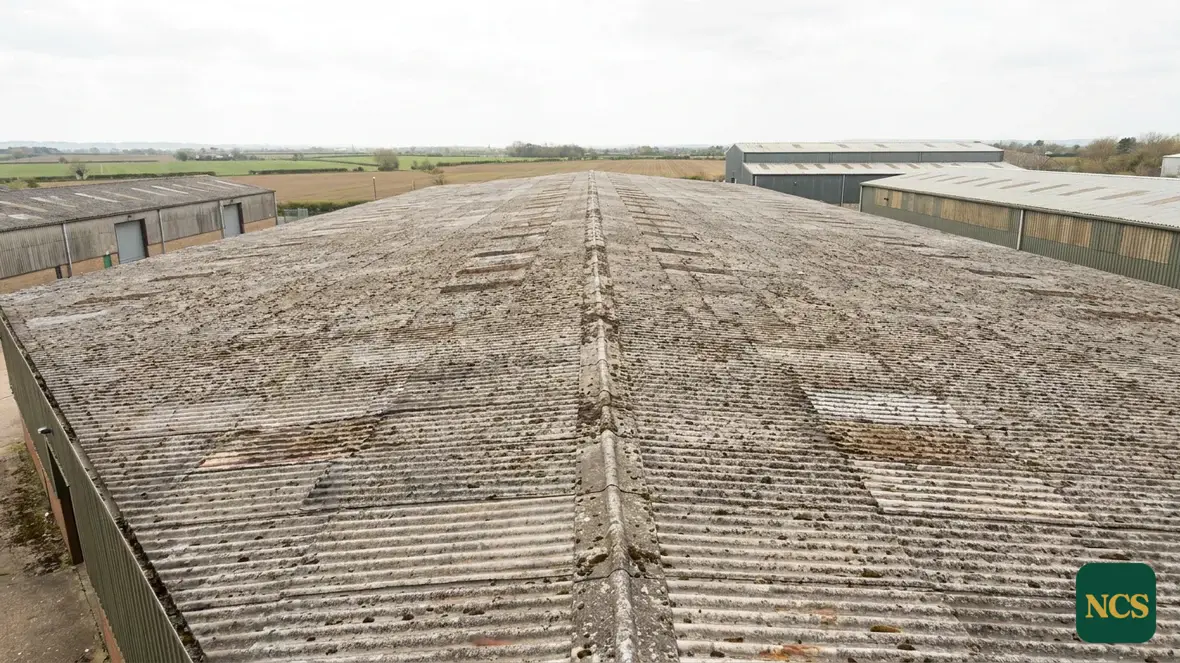
Corrugated asbestos cement roofing is still a common sight on working buildings across the coastal plain. If you control a non-domestic building in Chichester with one of these roofs, the Control of Asbestos Regulations 2012 place a duty on you to identify the material, assess its condition, keep a written record and manage the risk. That duty does not force removal. Where the sheets are structurally sound, a properly applied asbestos roof encapsulation system is a recognised way of meeting the obligation, at far less disruption than stripping and replacing the roof.
Encapsulation works by locking the weathering surface down. We clean the roof using controlled methods, never dry abrasion, make good damaged fixings and flashings, carry out minor repairs, then seal the whole surface with a flexible coating designed for asbestos cement. The building stays in use throughout and no asbestos waste leaves the site. It suits weathered sheets that are still firm, not brittle, cracked or delaminating ones, and it does not apply to higher-risk products such as asbestos insulation board, which need an HSE-licensed removal contractor. Encapsulation also does not end your duty to manage: the material stays on your register and should be re-inspected periodically.
Agricultural building coating in Chichester
Out on the coastal plain below the Downs, farm buildings take a particular kind of weather: salt-laden wind off the Solent, long exposure and a mild, damp climate, all working on a roof at once. The stock is a mix of arable grain stores, horticultural and packhouse buildings, livestock sheds and older general-purpose barns, a fair number still under their original asbestos or fibre cement. The portal frames beneath are usually sound, which is precisely the situation where our agricultural building coating makes sense on the right roof.
Most agricultural roofs here fall into two camps. Coated steel fails first at the details, salt speeding the corrosion at cut edges, laps and fixings while the body of the sheet is still serviceable. Asbestos and fibre cement weather to a soft, water-holding surface that grows brittle; where the sheets are intact, a clean and encapsulation system seals them, and where they are cracked or soft, that is a removal job rather than a coating one.
A tired barn near Chichester rarely needs new cladding. We plan around the farm calendar, work backwards from the date each building has to be back in use, and give each building on a holding its own verdict rather than one blended answer.
Coat, repair or replace across Chichester
Coating is the right answer often, but not always, and the whole value of a survey is telling the two apart. A roof or wall with widespread surface failure on sound sheets is the genuine case for coating: we protect it, seal the details and keep the building working without the upheaval of replacement.
A roof with a few damaged sheets needs repair, and we will say so even when it is the smaller job. A roof that is holed, soft underfoot or failing at the frame needs replacing, and a coating would only delay that cost while adding ours on top. Painting over a failed roof hides the problem until it costs more to put right.
You get that assessment straight, with the reasoning and the photographs, even where it means we do no work for you at all. For a building owner or facilities manager, that is the difference between buying a coating and buying a result.

Booking a coating survey in Chichester
The survey is the place to start. It takes little time, commits you to nothing, and tells you exactly what the salt and the weather have and have not done to your building. We begin with a conversation about its age, its known leaks and how it is used, then carry out a physical inspection: sheets or membrane, fixings and laps, gutters, rooflights and any sign of trapped moisture. You receive written findings and a clear recommendation you are free to challenge or take to another contractor.
From our South East base we cover Chichester and the wider county easily, and a multi-site survey across several premises is straightforward to arrange. We regularly work in Bognor Regis, Havant, Portsmouth and Worthing as well as Chichester itself, so the coastal strip fits into a single trip. To book a free survey with no obligation, or to see how we assess buildings across the county, start with our West Sussex coating hub.
Commercial roof coating Chichester: recent work we can show you
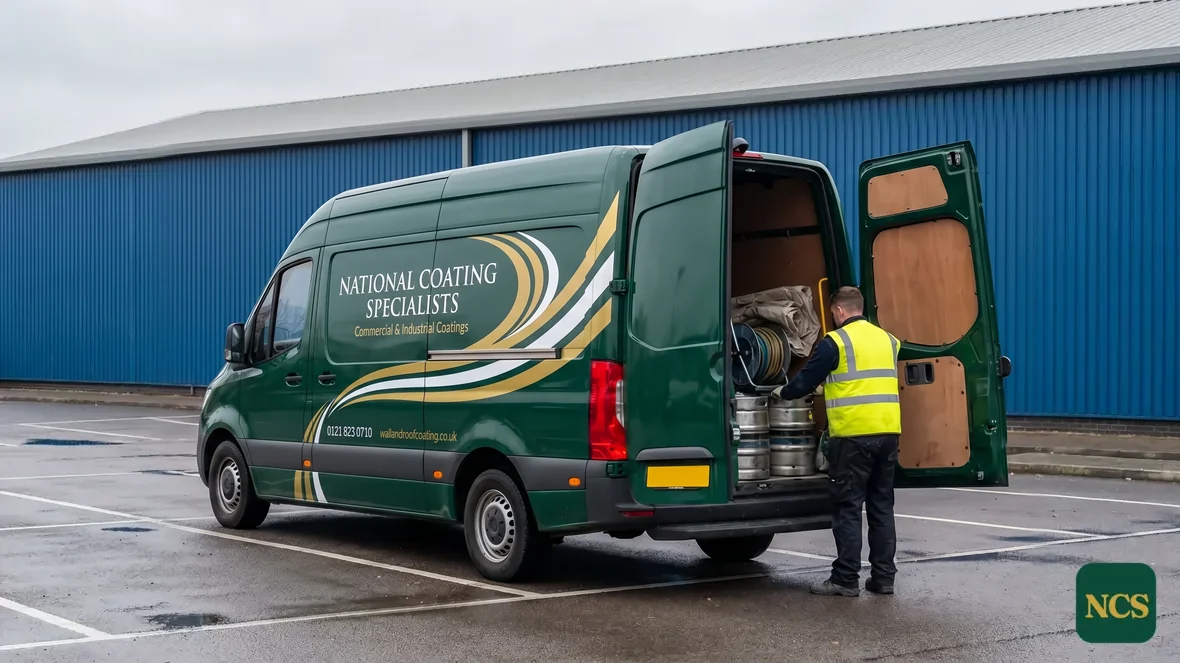
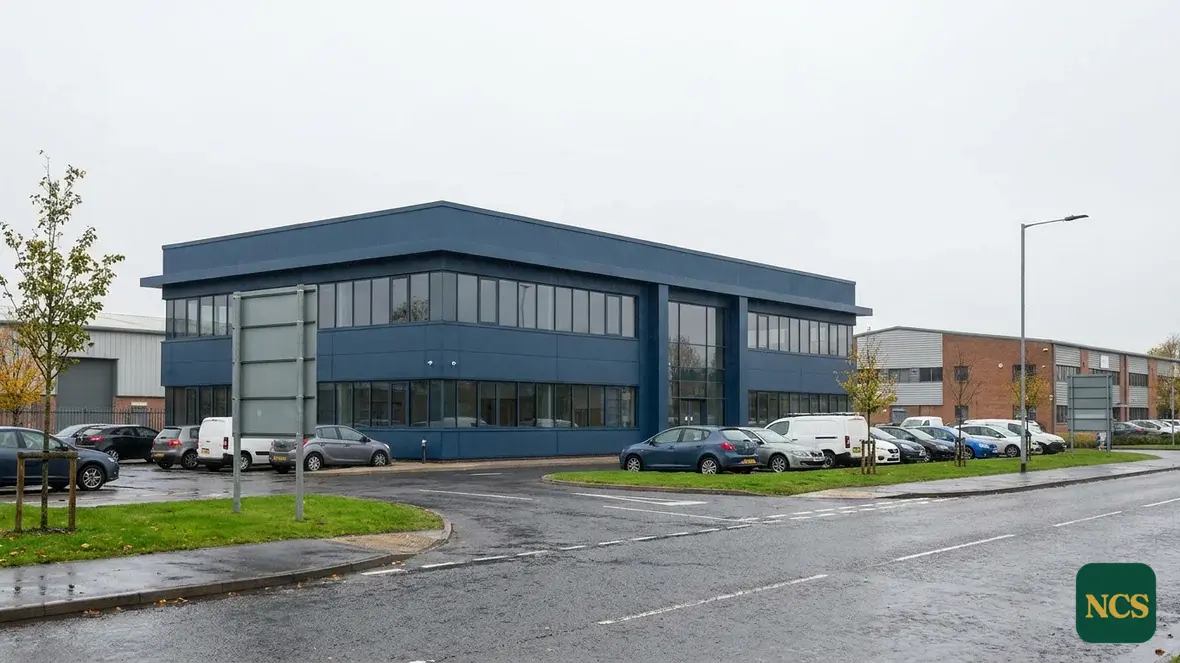
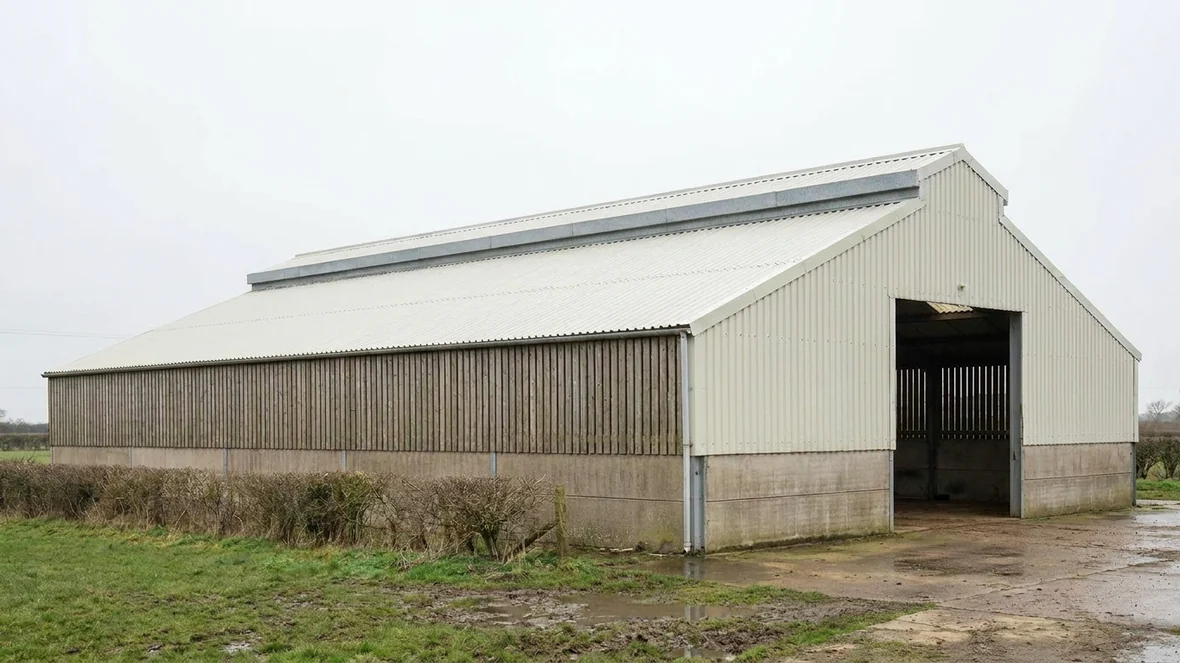
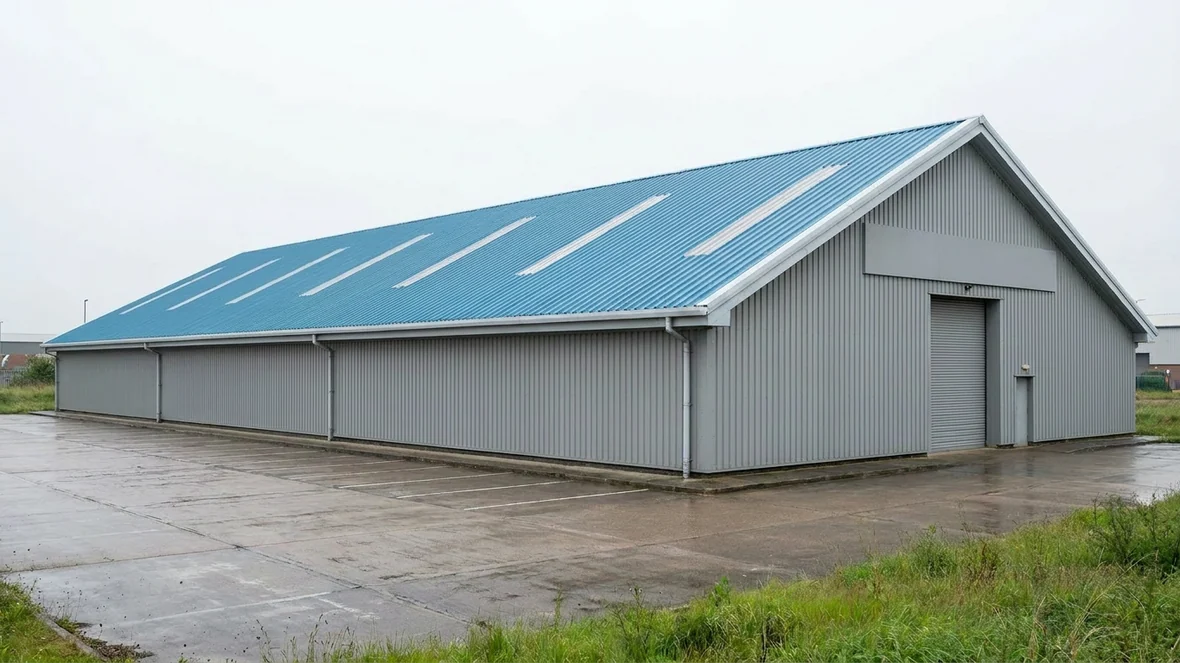
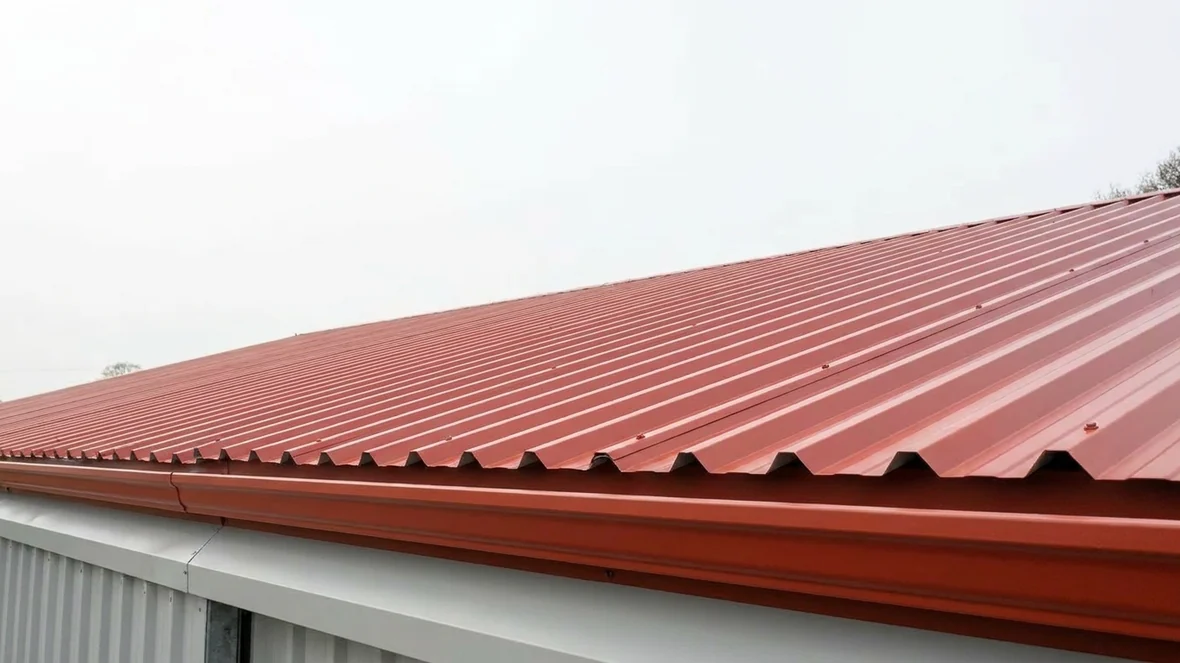
These are our own photographs from jobs of the same type. They are not stock images, and none of them is dressed up as something it is not. The caption tells you where each one was taken.
Standards behind our commercial roof coating Chichester work
Coastal air off the Solent works at fixings and cut edges long before the sheet itself gives up. Our teams plan every job around the HSE’s work at height rules, and we hold CHAS accreditation so the health and safety paperwork a managing agent or farm business asks for is ready before the first van arrives.
Recently — July 2026
Settled summer weather suits coating and spraying work, with stable temperatures and dry surfaces helping systems cure and bond as specified.
A survey gives you a written read on the actual condition of the roof or walls and the route we would take, with no obligation to go ahead.