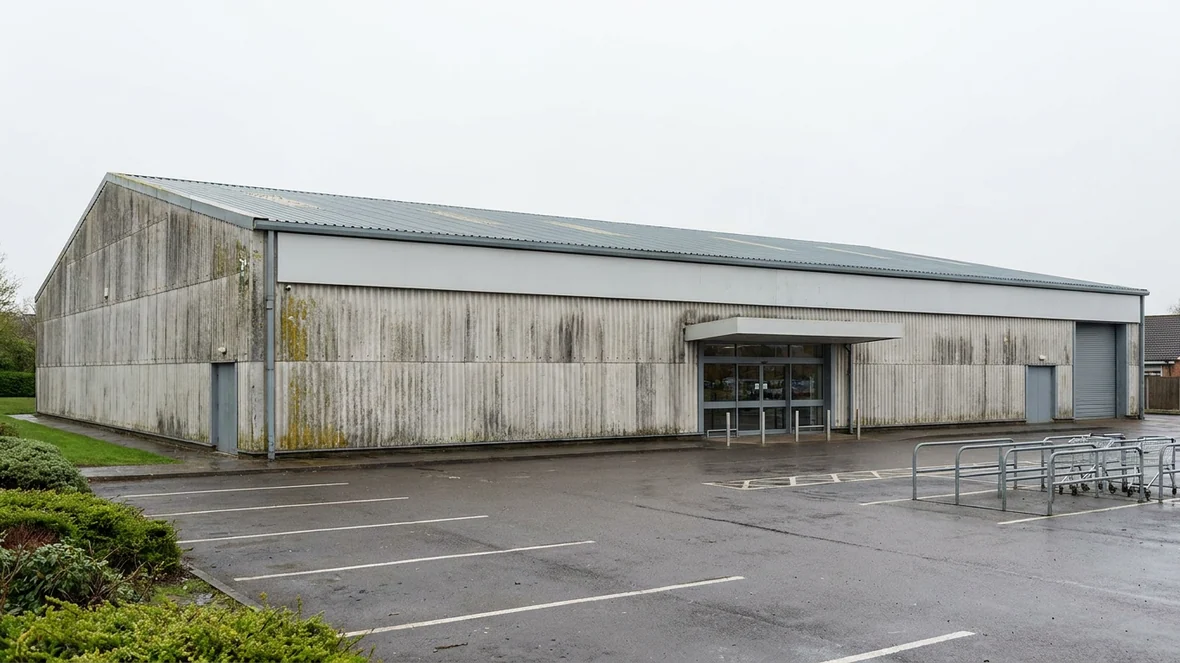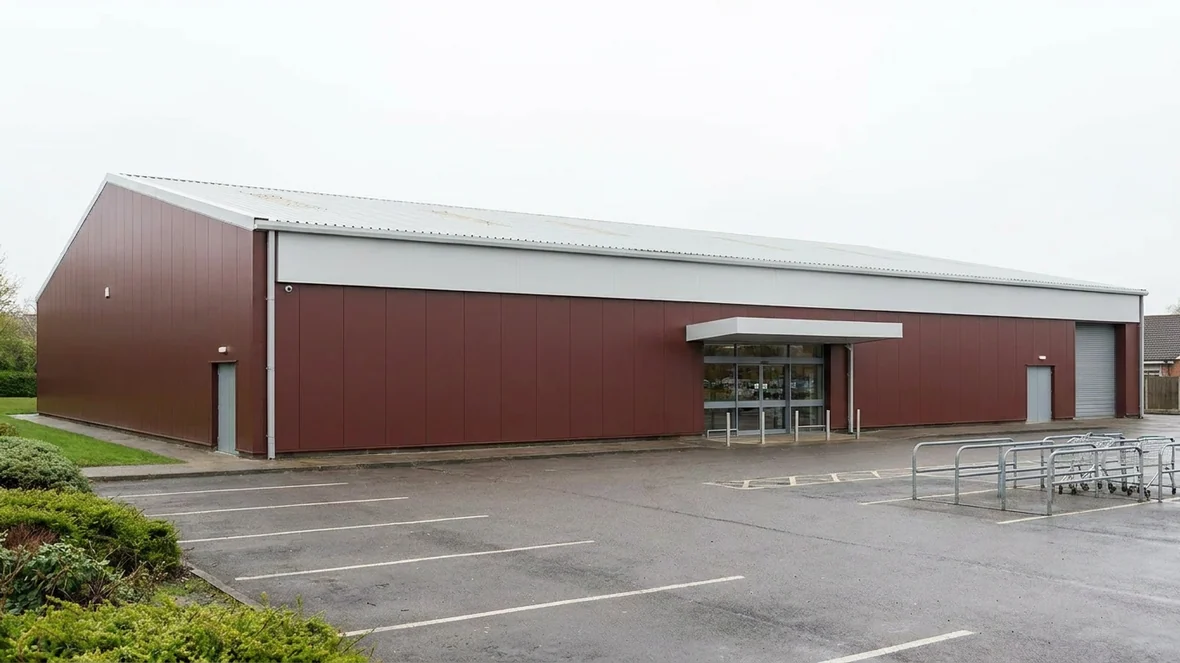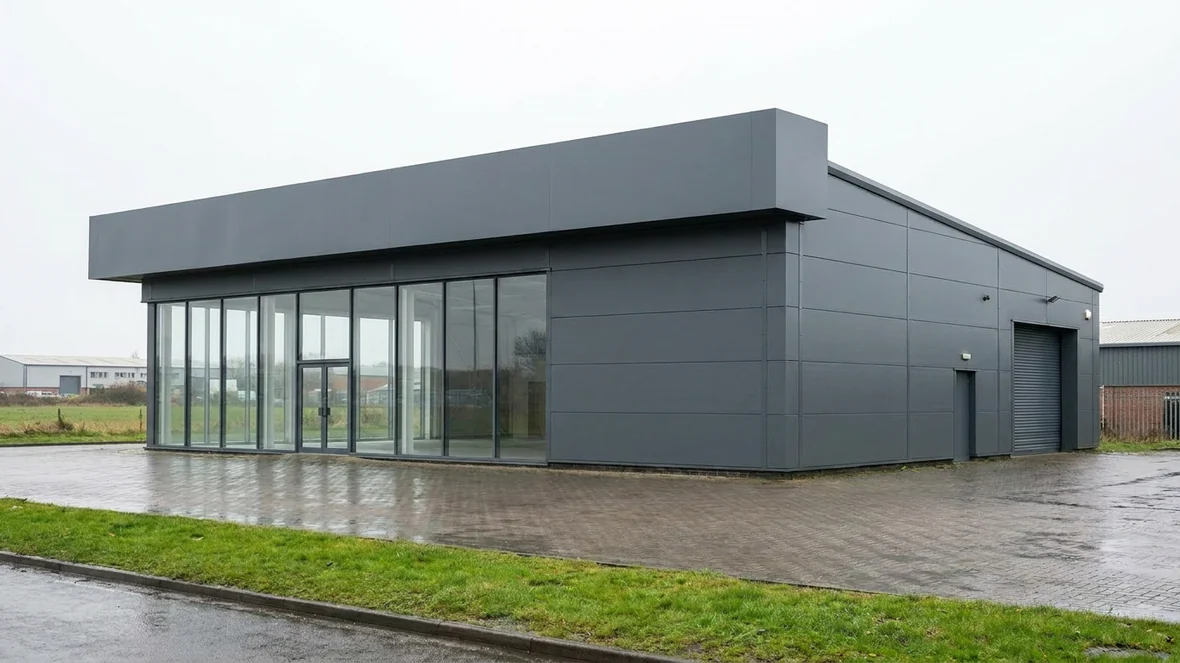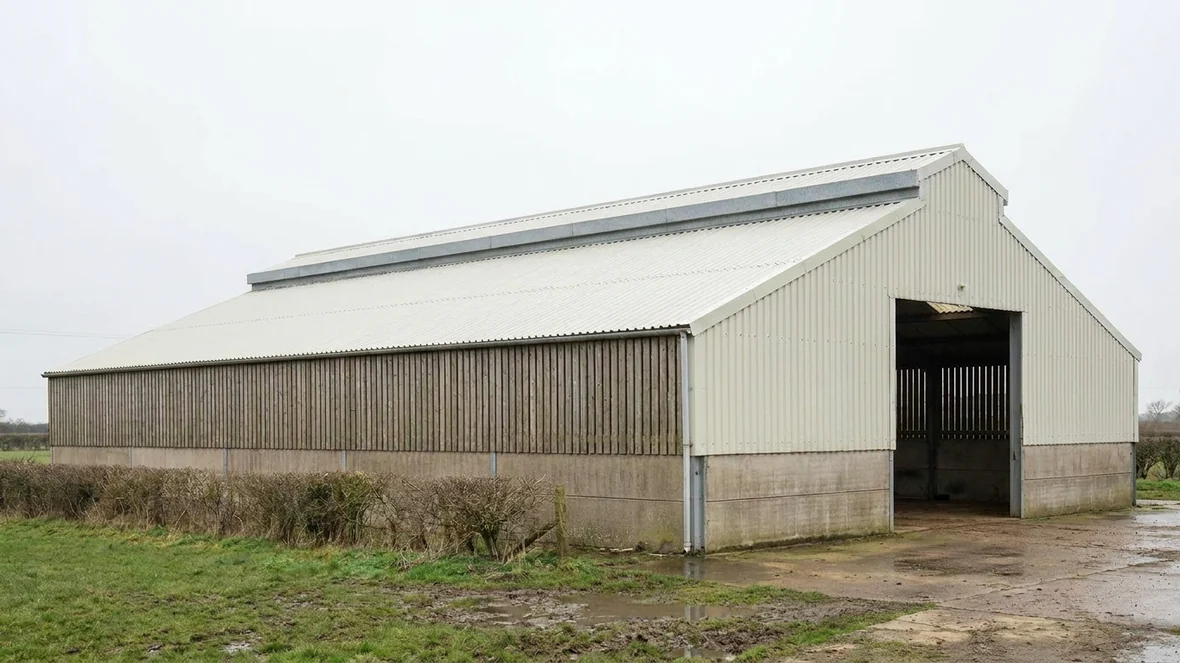




Why commercial roof coating Barnsley projects reach the coat-or-replace decision
Whether a commercial roof coating in Barnsley makes sense for your building comes down to the roof’s current state. Barnsley’s industrial background means a lot of commercial roofs are getting on a bit. Think of the old coalfield sites and distribution hubs around the M1 junctions, they’re often running original profiled metal roofs from decades ago. Then you’ve got the Dearne Valley regeneration spots with flat roofs battling common issues like standing water. When leaks start popping up more often, or you notice your insulation isn’t doing its job, you’re faced with a choice: rip it all off and replace, or put down a protective roof coating. We often find coating is the smart money for roofs that are structurally sound but just need a good weatherproof and a thermal boost.
The roof stock of Barnsley – ageing profiled-metal and flat roofs
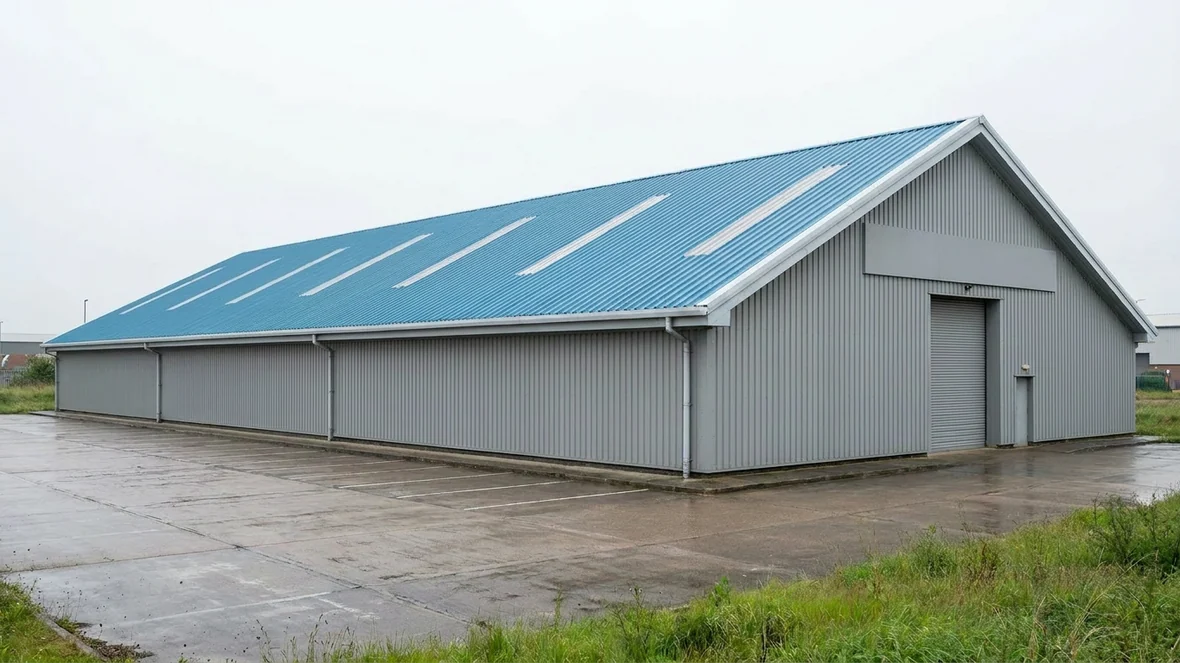
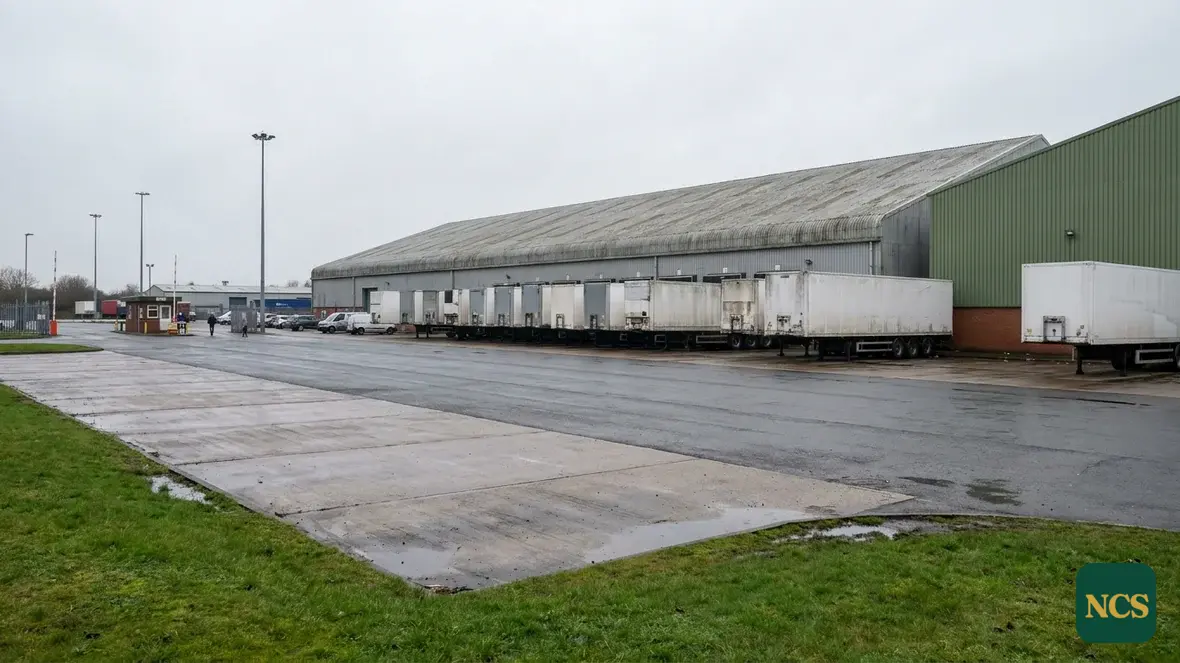
We’ve seen the commercial buildings in Barnsley tend to gather in a few key spots. Take the industrial estates near M1 Junction 37, like the Wakefield Road trading parks, they’re mostly older corrugated metal roofs, and you can usually spot the corrosion creeping in at the fixings and seams. The old glassworks buildings converted in the town centre often have their original flat roofs, which have usually seen a fair few patches over the years. And for the newer logistics warehouses along the A61 corridor, we’re talking big-span metal roofs where a coating can really stretch their life, especially if we get to them before holes start to appear.
What a roof coating does and where it is the wrong answer
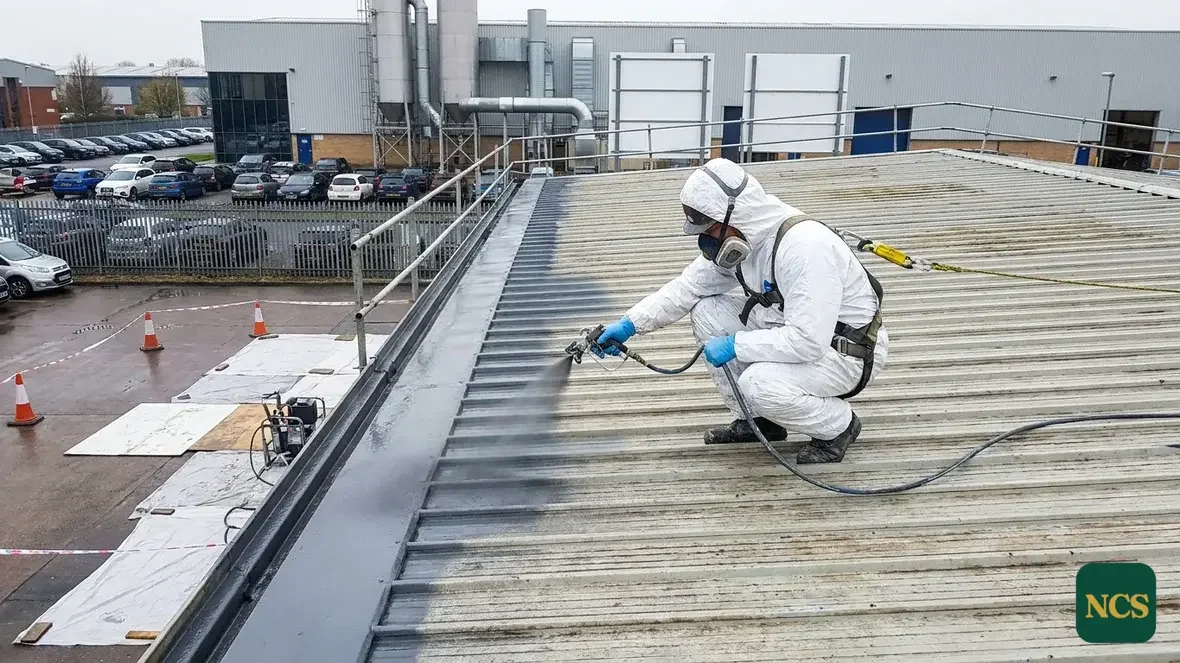
A commercial roof coating is basically putting a thick, flexible skin over your existing roof surface. It bonds right to the substrate, seals up the small cracks, stops the sun’s UV rays from breaking things down, and can even make your building warmer with reflective bits added in. But let’s be clear: a coating won’t fix structural problems. If your decking is sagging, you’ve got widespread rust, or the insulation has packed it in, you need proper repairs first. We’ve surveyed plenty of Barnsley roofs where someone’s just painted over the problems instead of fixing them, and the owner is back to square one with leaks a few months later.
- We won’t spec a thing until we’ve walked the roof and checked the substrate.
- We’ll test moisture levels everywhere, not just where it’s leaking.
- Every penetration, rooflights, vents, pipework, needs identifying and proper sealing.
- Everything gets pressure washed to get rid of dirt, moss, and loose old coatings before we start.
If you’ve been quoted for roof painting in Barnsley, don’t just look at the finish. Look at the prep. How the sheets and fixings are treated is what decides how long any coat will actually last.
Leaks, fixings, rooflights and gutters – what gets repaired first
When we’re out doing surveys across Barnsley, we consistently find the same points of failure that absolutely have to be sorted before we even think about coating. On profiled metal roofs, the fixing screws often work themselves loose over time, which is an open invitation for water. Flat roof edges and the upstands around rooflights commonly show signs of the membrane shrinking or cracking. And gutters? They often get ignored until the overflows start chewing away at the fascias. Our rule is always to repair these elements properly first. There’s just no point painting over problems that are going to pop up again later.
Our survey-led process
Every commercial roof coating project we take on in Barnsley kicks off with a full condition survey. We’ll walk every inch of that roof, noting any standing water on flat roofs, checking all the fixings on metal roofs, and testing moisture levels across different sections. Only once we’ve done that can we tell you if a coating is the right move, or if you actually need more extensive work first. This survey-first approach has stopped a lot of Barnsley businesses from throwing good money after bad on treatments that just weren’t right for their building.
Why the survey comes before any specification
Too many commercial painting contractors try to sell you a coating system based on a few photos or just looking up from the ground. They miss crucial stuff without getting up there themselves, things like the real state of the substrate, old botched repairs, or hidden damp. Our Barnsley clients tell us they appreciate that we insist on seeing the roof properly before we recommend anything. It means they get a solution that’s actually matched to what their building needs, not just some off-the-shelf product pushed for a quick sale.
Learn more about our commercial roof coating service or book your free survey.
Recently — July
We coat roofs and cladding that still have life in them, and we say so plainly when one is past saving.
A summer survey gives us time to specify and programme the work before the wetter months make access and curing harder.
All access and roof work is planned in line with HSE work-at-height guidance.
Common questions about commercial roof coating Barnsley
Can an existing commercial roof be coated instead of replaced?
Often, yes, provided the roof sheets and supporting structure remain suitable. Coating is intended to protect a serviceable roof rather than compensate for widespread structural deterioration. We begin with a survey to identify corrosion, failed fixings, damaged sheets, open laps and areas of persistent water ingress. Where defects can be repaired and the substrate can be prepared correctly, coating may be a practical alternative to full replacement.
What preparation is needed before a commercial roof is coated?
Preparation depends on the roof material and its condition. We typically remove dirt, biological growth, loose coatings and unstable corrosion before treating vulnerable areas. Failed sealants and unsuitable previous repairs must also be addressed. The surface then needs to be clean, sound and sufficiently dry for the specified coating system. Applying coating over contamination or loose material merely conceals the defect for a short period.
Can a roof coating stop leaks?
A coating can form part of a watertight refurbishment, but leaks must first be traced to their actual source. Common entry points include sheet laps, fixings, penetrations, gutters, flashings and damaged rooflights. We repair these details before applying the main coating. Where water is entering through a structural defect or poorly designed drainage, coating alone is unlikely to resolve the problem.
How long does commercial roof coating take?
The programme depends on roof area, access, preparation requirements, repair work and weather conditions. Drying and curing periods must be respected, and external work may need to pause during rain, high winds or unsuitable temperatures. Following the survey, we set out the expected sequence of preparation, detailing and coating so that the work can be coordinated with activity inside and around the building.
When is commercial roof coating not suitable?
Commercial roof coating Barnsley properties is not appropriate in every case. We would not recommend coating where roof sheets are extensively perforated, the deck is structurally unsound, trapped moisture is widespread or movement is likely to disrupt the finished system. Saturated insulation and serious drainage faults may also require more substantial intervention. The survey is used to distinguish a maintainable surface from a roof approaching the end of its practical service life.
How we prepare roof details before coating
The broad roof surface is usually the most straightforward area to coat. The workmanship around joints, edges and penetrations has a greater influence on whether the completed treatment performs as intended. We therefore inspect and prepare these details separately rather than treating the roof as one uniform surface.
Sheet laps and end laps
Laps can retain dirt and moisture, while movement between sheets may split old sealants or previous repairs. We remove unsound material, clean the joint and assess whether it requires resealing or local reinforcement. Coating is applied only after the detail has been made stable and compatible with the wider system.
Fixings and local corrosion
Loose, damaged or heavily corroded fixings are dealt with before the main roof coating is applied. Corrosion around fixing heads and sheet edges is prepared back to a sound surface, with particular attention paid to areas where moisture can collect. Simply coating over rust scale leaves a weak layer beneath the new finish.
Rooflights, penetrations and flashings
Rooflights, vents, ducts, pipes and abutments create changes in material and movement. We check their kerbs, seals and surrounding sheets for cracking, separation and previous patching. Rooflights are protected from overspray and unnecessary coating, while adjoining details are prepared and treated in a controlled sequence.
Gutters and drainage routes
Gutters must be clear enough to inspect before coating begins. We look for corrosion, failed joints, standing water and poorly sealed outlets. A coating should not be used to disguise blocked drainage or inadequate falls. Any treatment within a gutter is selected and applied according to the condition of the substrate and the likelihood of prolonged water contact.
Final checks between coats
Before subsequent coats are applied, we check that the preceding layer has cured correctly and remains free from contamination. We also inspect repaired details for movement, pinholes or missed edges. This staged approach is less dramatic than a rapid spray application, but it gives us better control over the areas most likely to cause later problems.