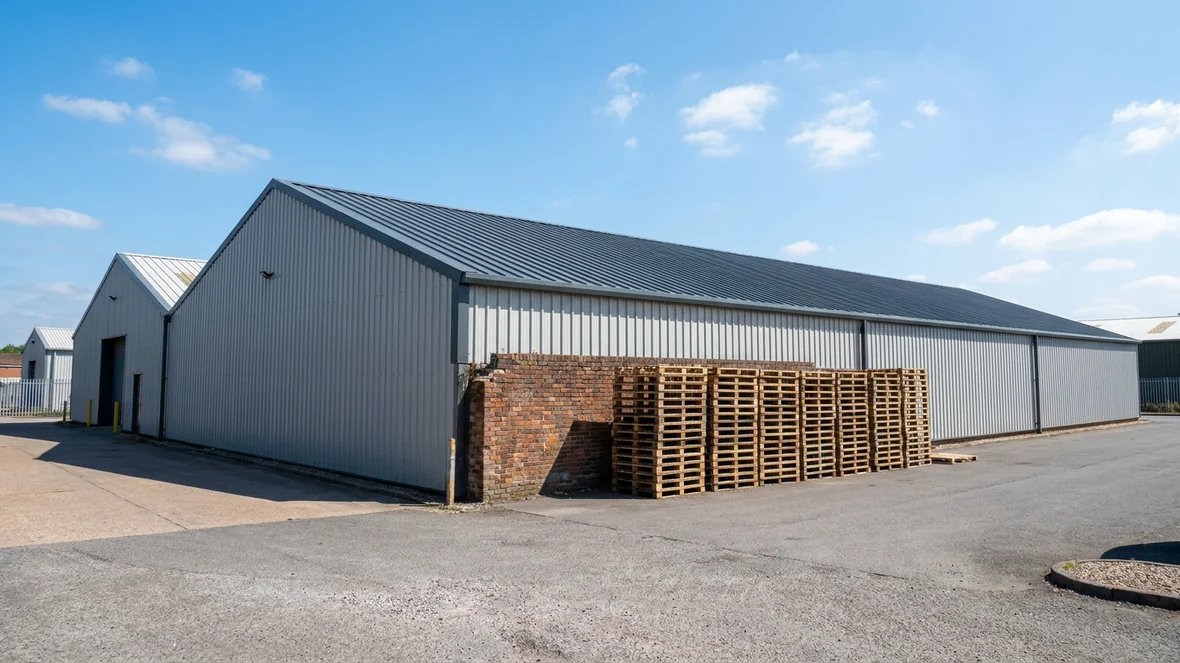
Commercial roof coating in Brighton and Hove
Salt air is the defining fact of roof ownership on this stretch of the East Sussex coast. Commercial roof coating in Brighton and Hove exists largely because of it: marine exposure accelerates corrosion on metal roofs, degrades felt and asphalt, and attacks fixings and flashings years ahead of inland schedules. Where the roof structure is still sound, a coating system specified for coastal conditions seals the vulnerable details and restores weather protection at a fraction of replacement cost, without scaffolding a working building out of action for weeks.
We will not specify or price a roof here without standing on it first. On the coast, more than anywhere, the survey is the job.
The city’s roof stock, from seafront to estate
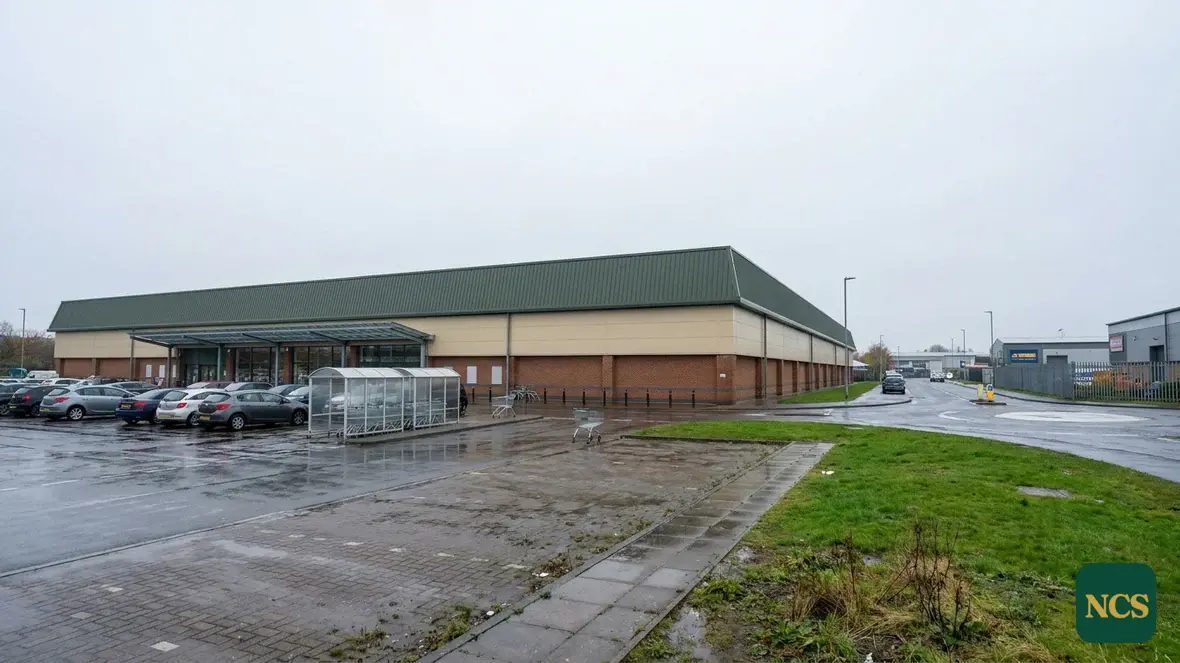
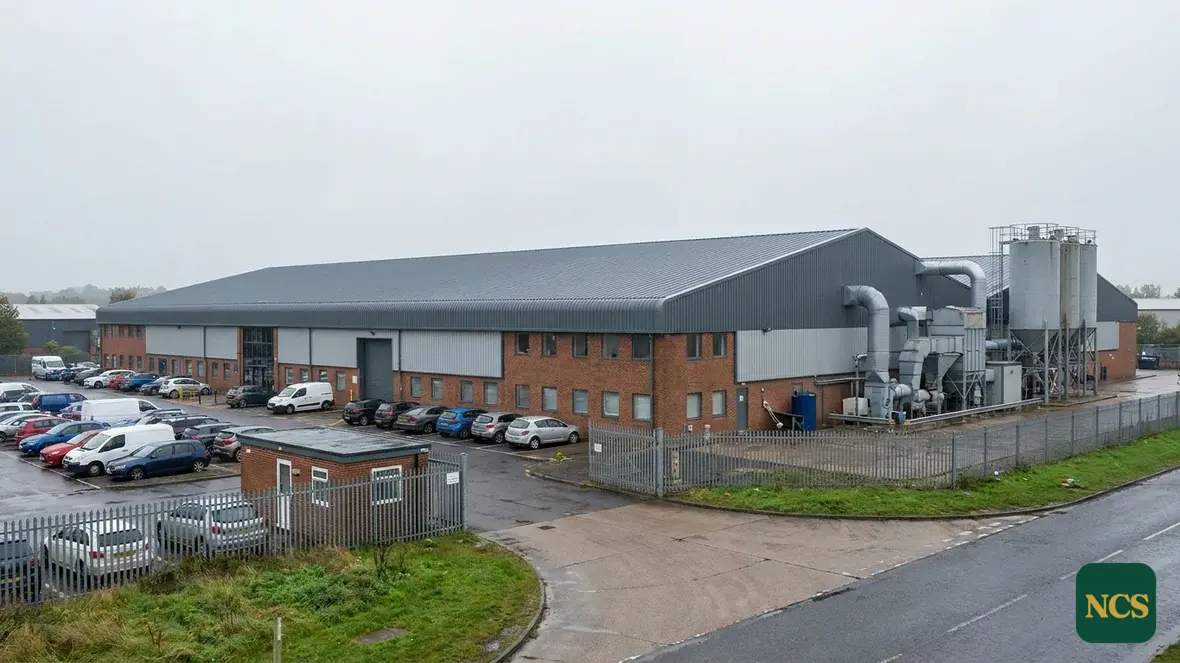
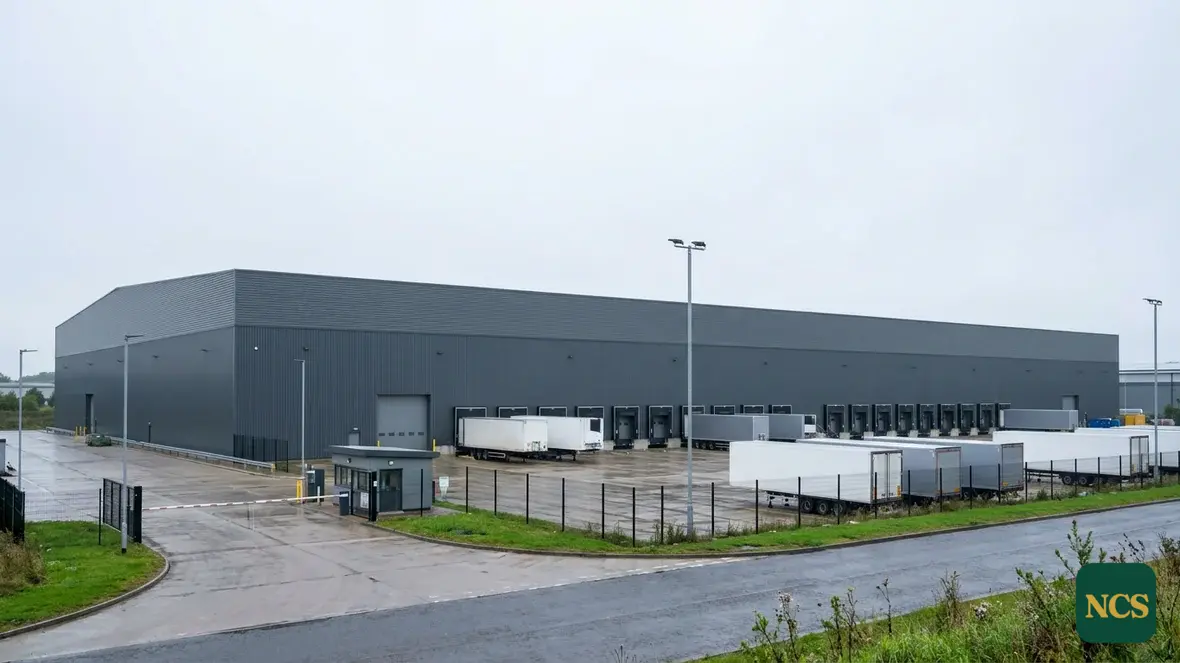
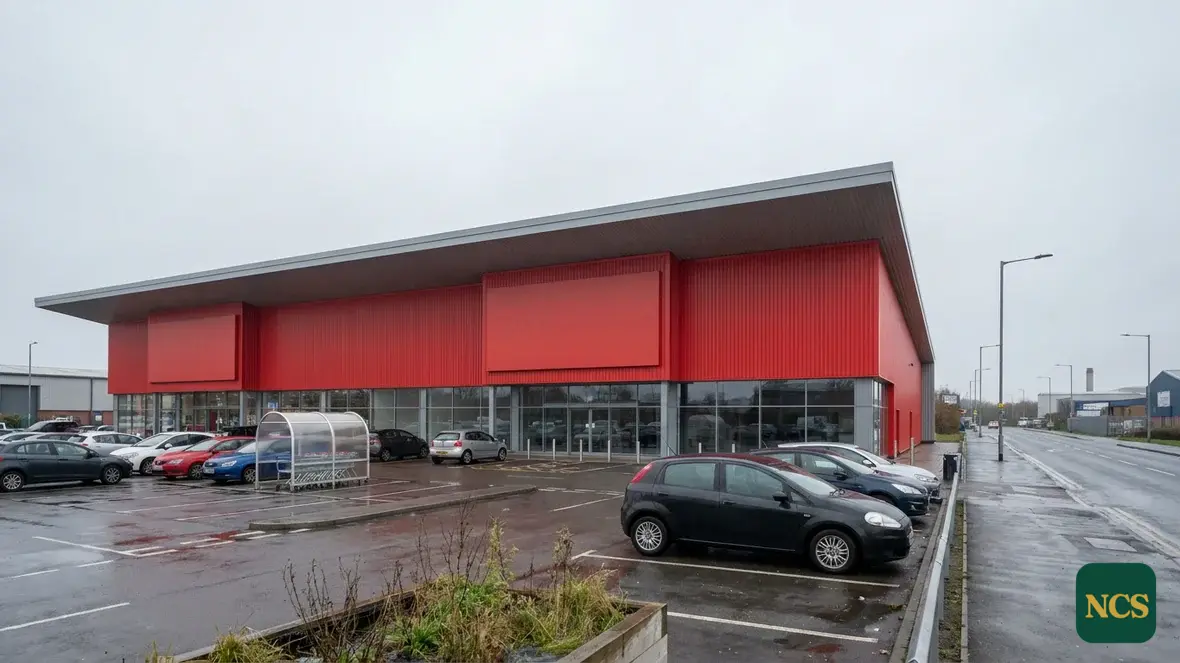
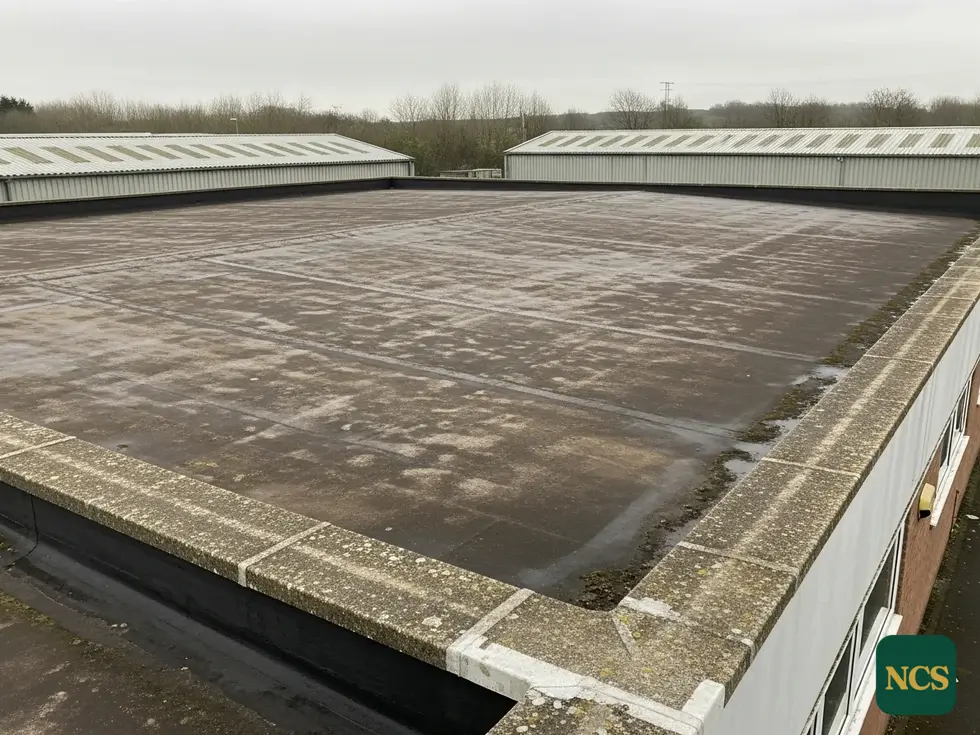
Brighton and Hove’s commercial roofs are a study in contrast. Along and behind the seafront sit older buildings with parapet flat roofs in asphalt and felt, many layered with decades of patch repairs. Office and retail blocks through the centre add single-ply and felt flat roofs with the usual outlet and upstand weak points. Out towards the city’s industrial and trade estates, and along the A27 fringe, profiled metal takes over, with cut-edge corrosion arriving early courtesy of the salt-laden wind.
South-westerly gales drive rain at angles that find every tired seam and open lap. A coating system here has to be specified for that reality, not for an average English postcode.
How the survey-led process works
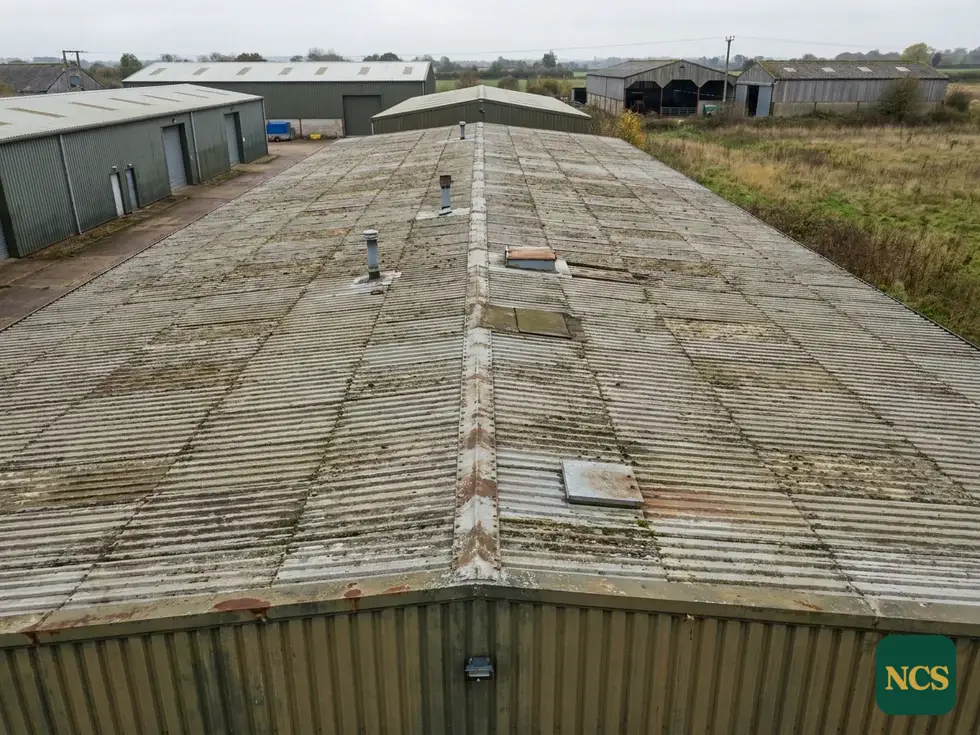
We inspect physically: membrane or sheet condition, seams, laps and fixings, parapet details and flashings, rooflights, outlets, gutters and ponding, plus internal signs of moisture. On flat roofs we look hard for evidence of trapped moisture below the surface, because coating over a wet build-up fails. The findings become a written specification covering preparation, repairs and the coating system, which is what we price against.
Our coverage runs along the coast and inland across Sussex: Worthing, Lewes, Shoreham-by-Sea and Crawley are all part of our regular patch alongside Brighton and Hove itself, so multi-site owners across the area can work with a single contractor.
- Coastal-grade specifications matched to marine exposure
- Physical survey before any price is given
- Flat-roof moisture assessment before coating is proposed
- Parapets, outlets and details scoped with the main roof
- Coverage across the city and the surrounding Sussex towns
When coating is the wrong call
Some roofs are beyond the help of any coating, and pretending otherwise is how coastal buildings end up paying twice. Saturated insulation, corroded decks, asphalt that has perished through, membranes at genuine end of life or fibre cement too brittle to encapsulate all point to overlay, overcladding or replacement. When our survey finds those conditions we say so plainly, hand over the evidence and explain the options. The recommendation is allowed to be “do not coat”, and sometimes it is.
Why survey-led matters by the sea
Marine exposure punishes shortcuts. A contractor quoting a Brighton and Hove roof unseen is guessing at corrosion, preparation and repairs, and on the coast those guesses are usually wrong in the expensive direction. Survey-led contracting gives you a diagnosis backed by photographs, a specification matched to genuine local conditions, and a price that reflects the roof you actually own. For building owners between the Downs and the sea, that is the difference between buying a finish and buying a fix.