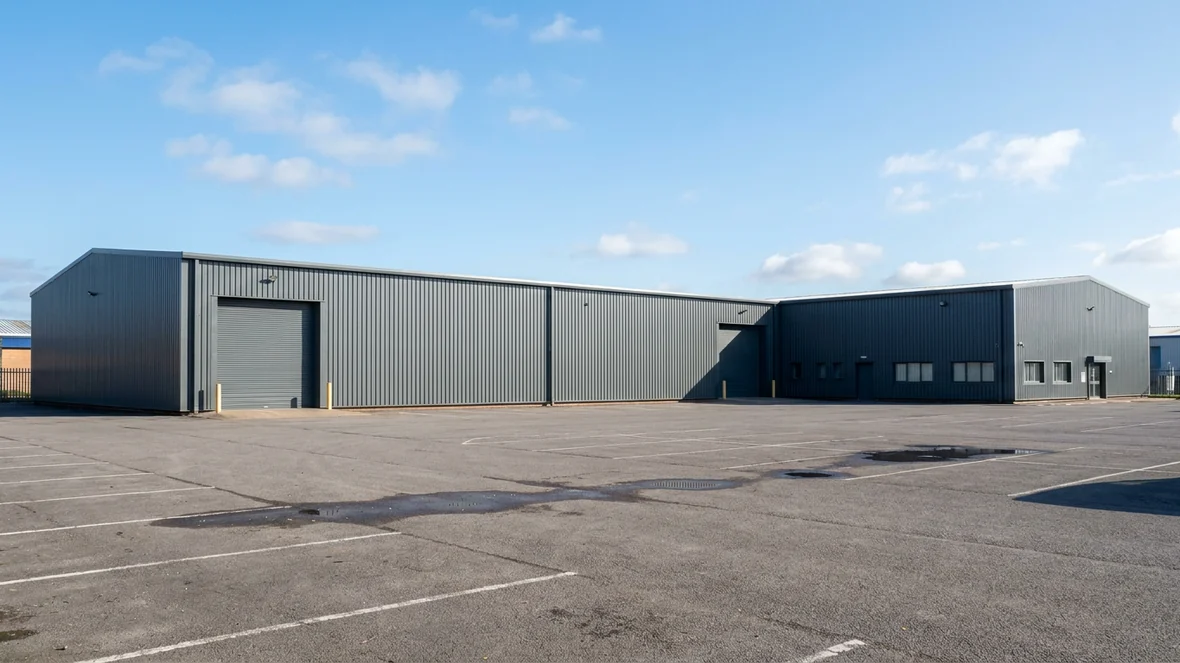
Cladding spraying in Brighton and Hove
Salt is the story on this stretch of coast. Marine air works on coated steel in Brighton and Hove all year round, stripping gloss, bleaching colour and opening up cut edges to corrosion faster than inland owners ever see. Cladding spraying in Brighton and Hove is the practical response: restoring the protective coating on serviceable panels in place, in any colour, before sea air turns surface trouble into a panel replacement bill that nobody budgeted for.
No two elevations weather alike here, which is why we survey before we price. A wall facing the prevailing weather and a sheltered service yard on the same building can need entirely different levels of preparation, and the price should reflect that difference rather than average it away.
Signs the salt is getting ahead of your building
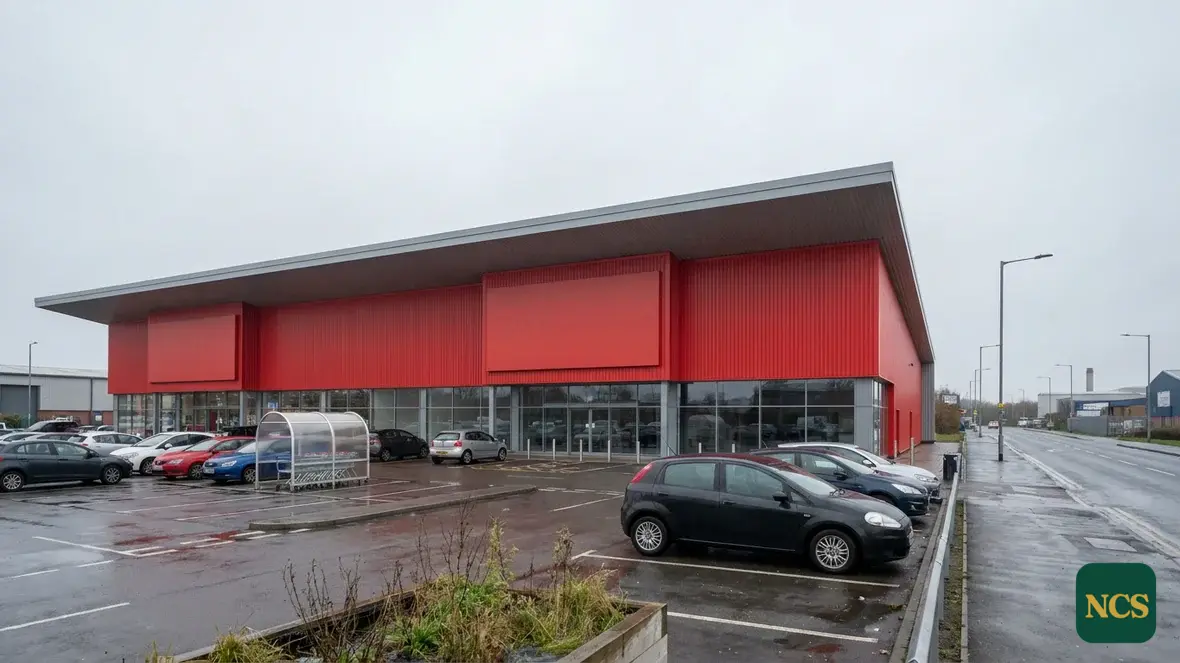
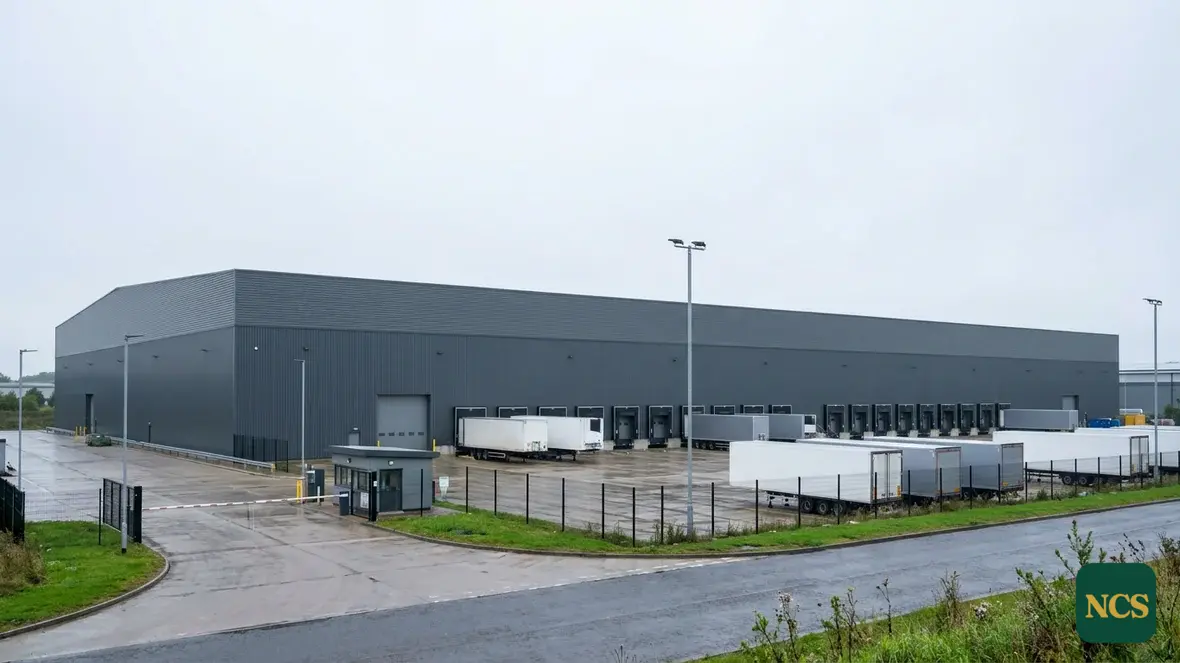
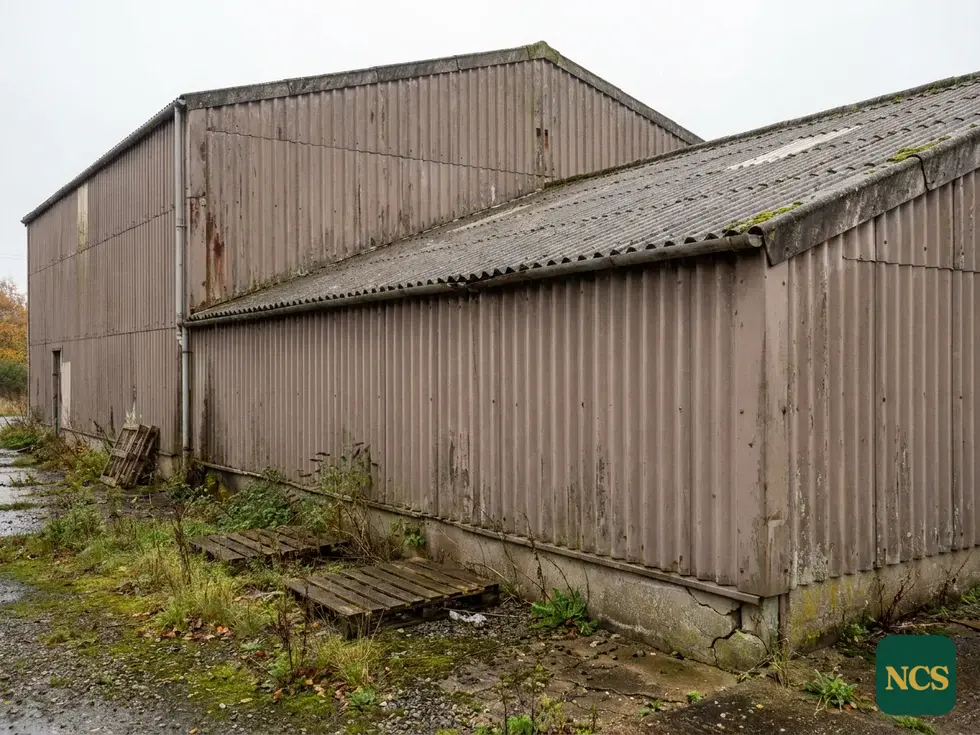
Most of the clad stock around the city sits on the industrial and trade estates towards the bypass, on retail and leisure buildings, and on offices with curtain walling and panel infills. Wherever it stands, the pattern of decline is consistent:
- Colour fade and gloss loss, worst on exposed elevations
- White chalky residue that transfers to a fingertip
- Rust tracking along panel bottoms, laps and sills
- Staining below gutters, drip edges and fixings
- Bubbling or lifting coating around cut edges
Caught at the first three signs, spray refurbishment is straightforward. The later items need closer inspection before anyone can responsibly promise that a coating will hold. Hove’s office and leisure stock weathers the same way as the trade estates, and the assessment is identical wherever the building stands.
Planning a respray on the south coast
The survey drives everything: panel types, condition, corrosion mapping, access and a programme that respects your trading hours and your neighbours. The written specification covers washing and degreasing, corrosion treatment and priming, masking, and a coating system suited to a marine-influenced environment. Application then runs elevation by elevation, with weather windows planned rather than hoped for. Access is agreed at the same stage, whether that means powered platforms on a service yard or scaffold on a tight frontage, and out-of-hours working is available where trading demands it. The same teams cover Worthing, Lewes, Shoreham-by-Sea and Crawley, so owners with buildings along the East Sussex coast and up the A23 can put everything under one survey-led programme.
What survey-led actually means
It means the inspection happens before the number, not after the deposit. The specification is written against the building’s real condition, the preparation is itemised so it cannot be quietly dropped, and the system is chosen for the exposure rather than for the invoice. It also means a paper trail: condition photographs before work, the agreed specification during it, and a handover record of what was applied to which elevation. On a coast that punishes shortcuts, that documentation is worth nearly as much as the finish itself, and it is what separates a contractor from a price.
And when coating is the wrong answer
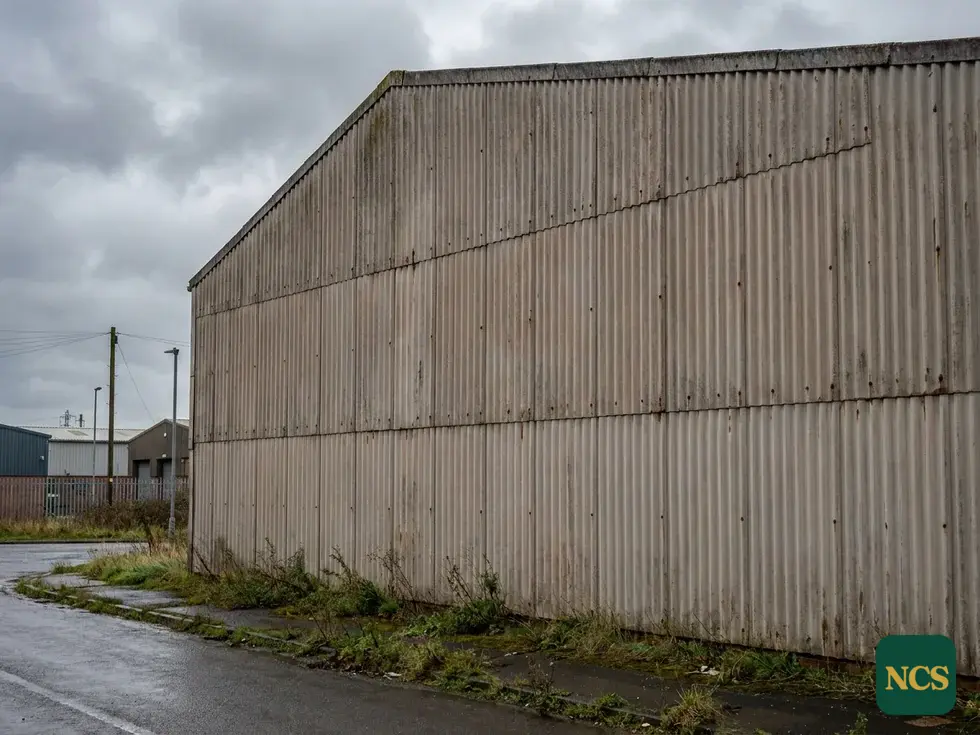
We will not spray panels that corrosion has already perforated, composite walls with wet or separating cores, elevations with failed fixings, or cladding that is scheduled for replacement on thermal or fire-safety grounds. Marine weather finds a covered-up fault quicker than anywhere, so a coating in those situations would be a short-lived disguise rather than a repair. If the survey says your building needs remedial work or recladding instead of coatings, the report will state it plainly, and you can plan around the truth rather than discover it later. That honesty is built into how we quote, and it is the reason the survey always comes first.