Commercial roofs in Brighton: when coating beats replacement
Brighton’s coastal location means commercial roofs here face a tough combination: salt spray, strong south-westerly winds and the constant damp that comes with sea air. Many of the flat and low-pitch roofs across the town’s industrial estates and seafront buildings show the signs: fading paint, surface corrosion, and small leaks that appear during winter storms. When repair bills start adding up, you face a choice. Spend on another temporary fix, invest in full replacement, or consider a protective coating system that can add years of weatherproofing at a fraction of the cost.
Where a Brighton roof has been painted before, the surveyor checks what the old coat is and if it can be overcoated or has to come off.
The roof types that dominate Brighton’s industrial areas
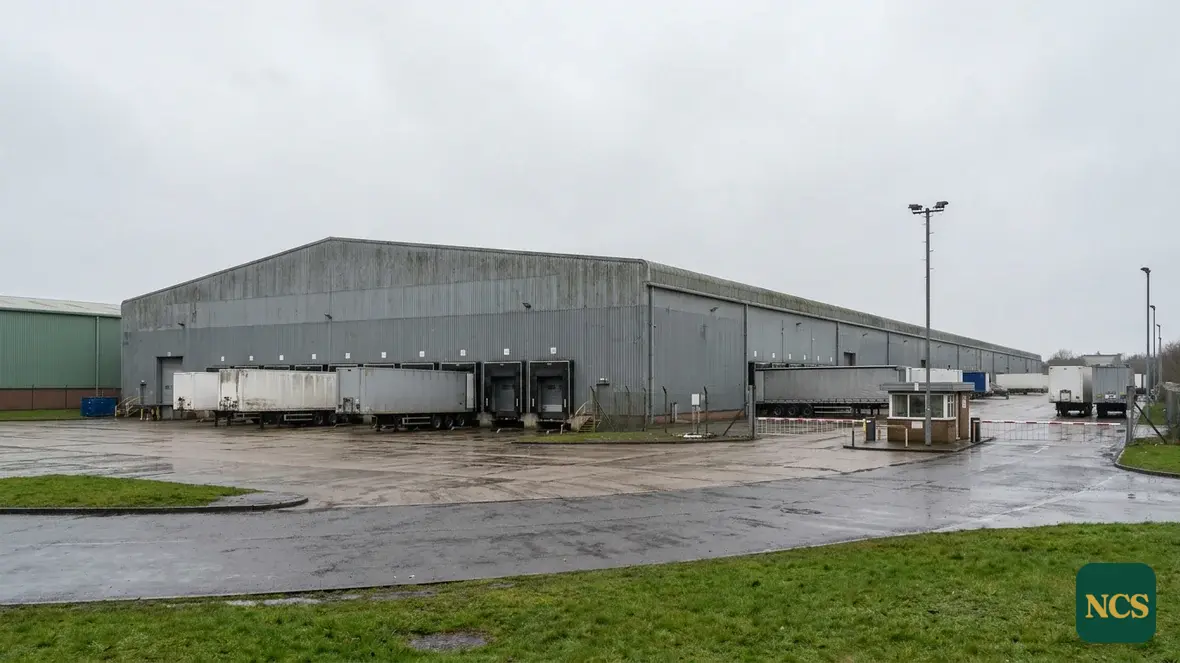
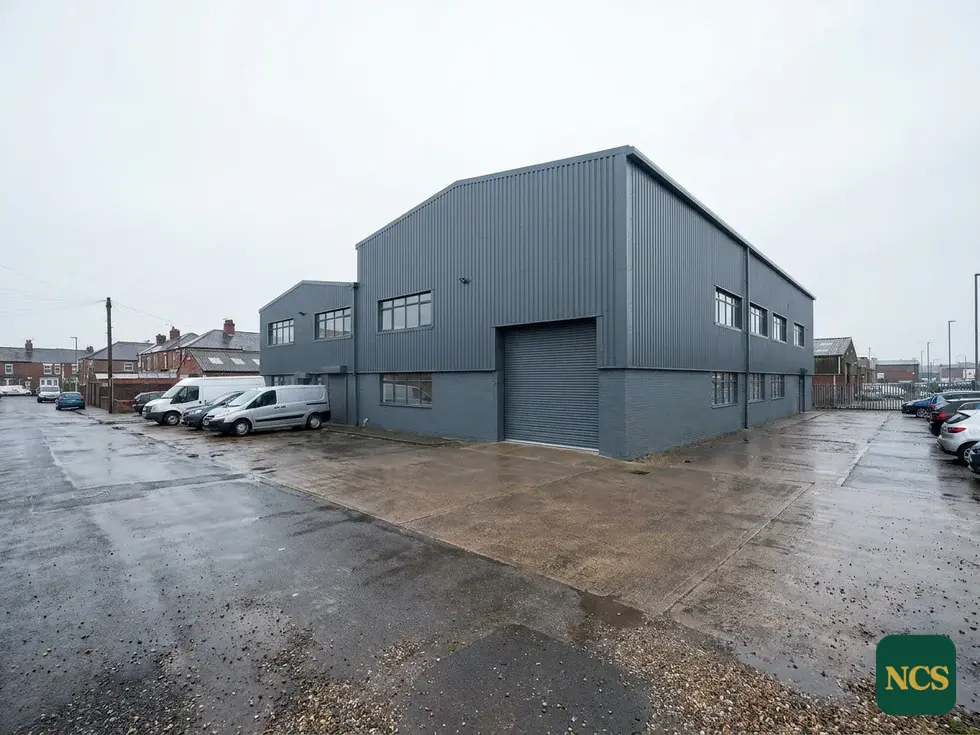
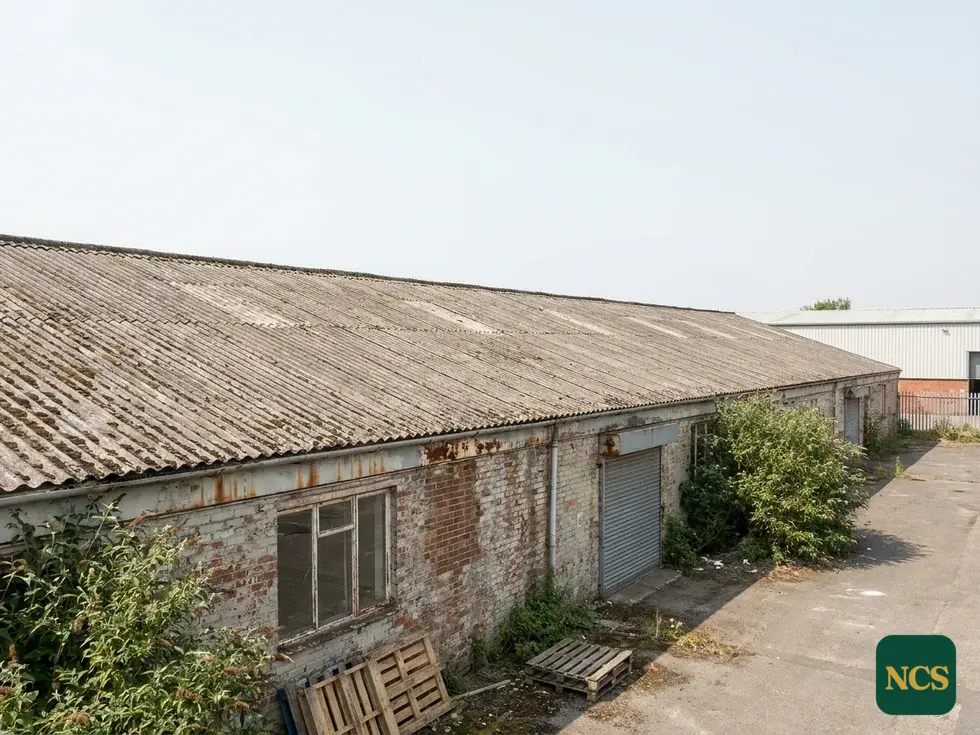
Drive around Hollingbury Industrial Estate or Shoreham Port’s commercial units and you’ll see the same roof profiles repeated. Corrugated metal roofs from the 1970s and 80s on workshops and smaller units. Box-profile metal increasingly common on newer builds. Seafront restaurants and hotels often have flat roofs hidden behind parapet walls, while the larger warehouses towards Portslade tend to have wide-span metal with rooflights. All share one problem: metal exposed to salty air corrodes faster than inland, particularly where coatings have worn thin or previous repairs have failed.
What roof coating actually achieves (and when it won’t work)
A properly applied industrial coating bonds to the existing roof surface. It seals small cracks and creates a waterproof layer that stops moisture reaching the metal beneath. It prevents further corrosion and reflects sunlight to reduce interior temperatures. But coating isn’t a magic fix. Roofs with significant structural damage, extensive rust perforation, or failed substrates need repair work first. Some very old roofs may be beyond economical coating. That’s why we always start with a full survey.
Common issues we find during Brighton roof inspections
Before any coating work begins, we check these key areas that often cause problems locally:
- Loose or corroded fixings around rooflight perimeters
- Cracked sealant on parapet wall flashings
- Blocked or damaged gutters causing water pooling
- Previous patch repairs that have failed at the edges
- Corrosion hotspots where salt spray accumulates
How our survey process works
Every Brighton roof we assess gets a detailed inspection that goes beyond surface appearance. We check substrate condition. We identify any areas needing repair before coating can be considered. We assess how well the existing roof handles thermal movement, crucial given Brighton’s temperature swings between sea mists and summer heat. Only then can we advise whether coating is the right solution.
Why specification follows survey
No two Brighton roofs face exactly the same conditions. A unit facing the sea at Shoreham Port needs different protection to one tucked inland near Hollingbury. Wind exposure, existing coating residue, roof traffic patterns and future maintenance access all influence which coating system we recommend. We never specify until we’ve inspected the roof in person, checked its history, and understood your long-term plans for the building.
To discuss your commercial roof in Brighton, start with a free survey or learn more about commercial roof coating across our service area.
Recently — July 2026
We plan the work around how your site runs, so the building stays in use while we are on the roof.
Summer is the steadiest season for exterior coating: longer dry spells mean preparation, application and curing can be programmed with fewer weather delays.