Why commercial roofs around Huddersfield reach the coat-or-replace decision
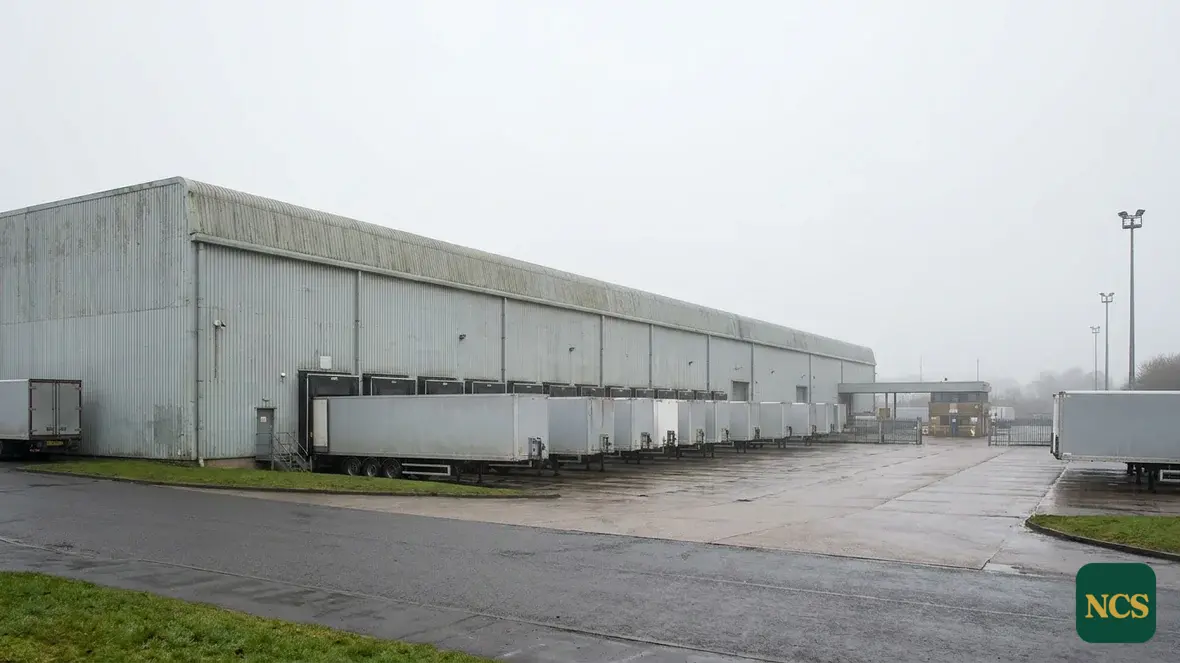
The Pennine-edge climate brings persistent damp and driving rain to Huddersfield’s industrial roofs. Textile mills converted to multi-let workspace, like those along the Colne Valley, often retain original profiled metal or asphalt roofs now decades past their intended lifespan. On Leeds Road’s trading estates, repeated thermal cycling from Yorkshire’s sharp temperature swings works loose fixings on corrugated sheets. When repairs become annual and leaks multiply, building owners face a choice: strip back to decking and rebuild, or arrest the decline with a heavy-duty coating system.
The roof stock of Huddersfield
Three main roof types dominate Huddersfield’s commercial stock. The first is the standing-seam metal roofs on converted mills in Lindley and Marsh, where original lead flashings now fail at parapets. The second is the large-span trapezoidal sheets covering engineering workshops on St Andrew’s Road, their lap joints vulnerable to wind-driven rain. The third is the modified-bitumen flat roofs on 1970s retail units around Kingsgate, where alligatoring and blistering accelerate once the top layer degrades. All three benefit from coating when the substrate remains sound but the waterproofing has aged.
What a roof coating actually does and where it is the wrong answer
A commercial roof coating bonds to existing materials to seal leaks, reflect sunlight, and extend service life by up to fifteen years. It works where the underlying structure is intact but the waterproof layer has degraded. Coating cannot resolve sagging decking, widespread corrosion, or rotten timber substrates. On Huddersfield’s older mill buildings, we often find sections needing replacement before others can be coated, particularly where original slate underlay has failed beneath metal sheets.
Leaks, fixings, rooflights and gutters – what gets repaired first
Persistent leaks at Huddersfield roofs typically trace to four points. The first is failed sealant around rooflights, especially on flat roofs behind the town centre. The second is loose fixings on corrugated sheets, where wind uplift has stretched screws on exposed elevations. The third is blocked or sagging gutters, common on listed mills with original cast-iron systems. The fourth is cracked flashings at abutments, where movement has broken the weatherproof seal. All require repair before coating, as no liquid system can bridge active water paths.
Our survey-led process
Every Huddersfield coating project starts with a full structural survey. We inspect the roof for substrate integrity, drainage function, and existing repair history. This determines whether coating is viable, which sections need replacement first, and which system suits the building’s specific exposure. Only after this assessment do we specify materials, never from photos or descriptions alone.
- Survey checks substrate, drainage, and repair history
- No coating over active leaks or structural movement
- Full access inspection, not drive-by assessment
- Clear explanation of options before any work
Why the survey comes before any specification
Huddersfield’s mix of building ages and roof types means no two coating projects are identical. A mill conversion in Lockwood may need different preparation to a 1980s warehouse at Leeds Road Trading Estate. Without seeing the roof’s condition firsthand, any specification risks either over-engineering or missing critical repairs. Our approach ensures the solution matches the building, not the other way round.
For more on commercial roof coating, see our main service page. To arrange a survey, visit our free quote form.
Recent project near Huddersfield
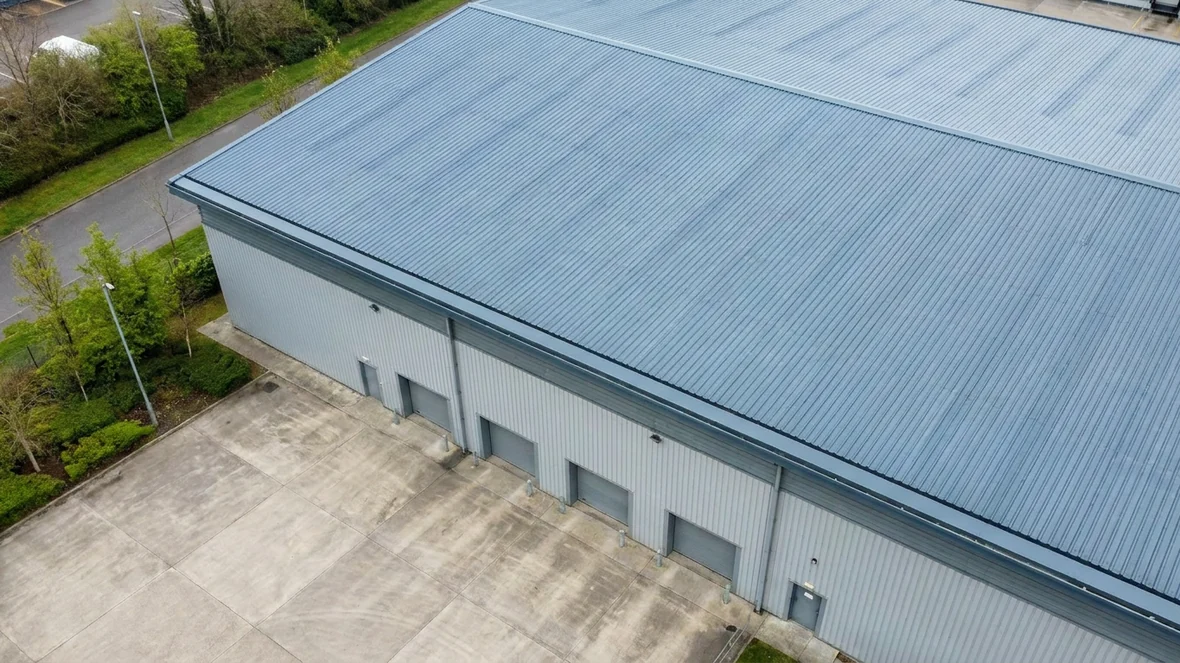
Cut-edge corrosion treated and the whole roof coated in Slate Blue RAL 5008 on a live distribution warehouse near Huddersfield. Read the full case study.
Recently — July 2026
The starting point is always a proper survey of the sheets, laps, fixings and gutters, written up so you can see the condition for yourself.
Through the drier summer months we can programme preparation, coating and curing with far less chance of a weather delay holding the job up.