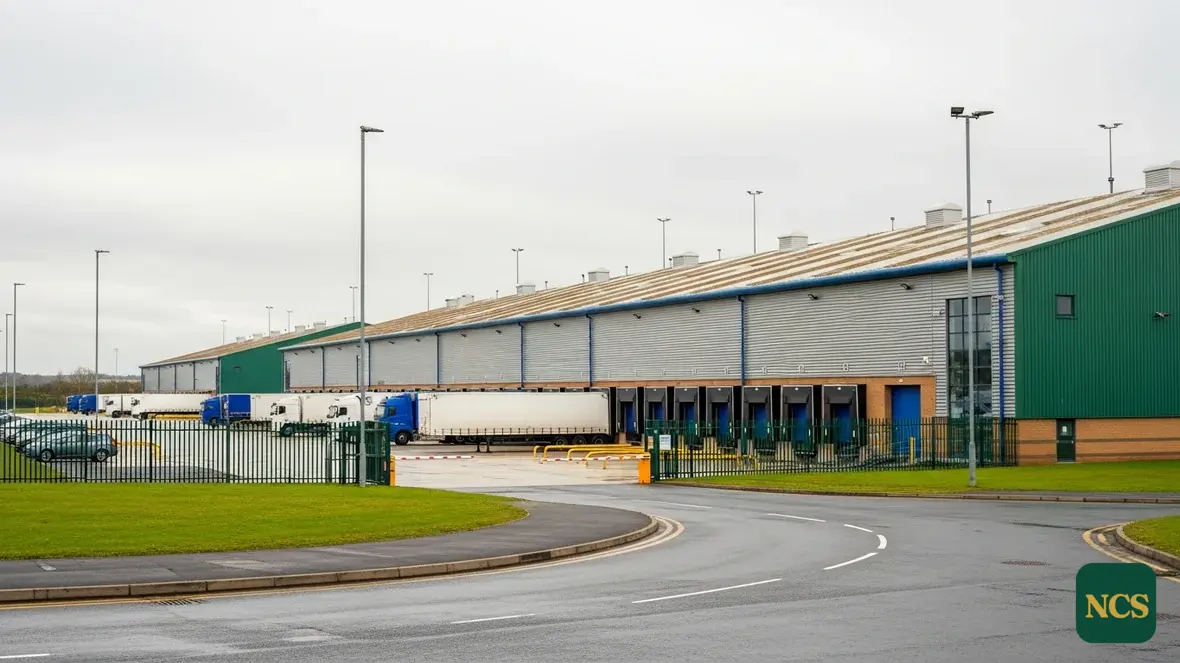
We treat cut edge corrosion across Darlington, dealing with the rust and peeling paint that undermines commercial and industrial roofs. But it’s not just steel sheets we look at. Many properties, particularly those with a strong railway engineering heritage in County Durham, still have older asbestos-cement roofs. We won’t rip these out unless we absolutely have to. Our approach is to encapsulate them safely, helping you meet your duty to manage without the disruption and cost of full removal.
What causes corrosion at a roof sheet’s edges
When a metal roof sheet is cut during installation, it exposes the bare steel. We see this a lot in Darlington on buildings constructed between the late 1980s and early 2000s, when plastisol-coated steel roofing became common across the north-east. Exposed steel reacts with the weather, causing corrosion. With many older industrial sites in the area reclad with these systems, they are now showing their age, and the edges are particularly vulnerable. We start every job by getting up on the roof to do a proper survey.
The corrosion primer and paint build on a repaired edge is what stops the rust returning. Skipping it is why cheap Darlington quotes come back to bite.
How we assess a building’s roof condition
Every job starts with us getting up on the roof to do a proper survey. We’re checking:
- How much cut edge corrosion there is across all the roof planes
- Coating adhesion. We need to find the areas where the substrate is still sound
- The structural integrity of the fixings and the framework underneath
- What access we’ll need for each specific Darlington site
- Local wind exposure. That makes a difference to how long the treatment will last
This initial assessment gives us a clear picture of what’s needed.
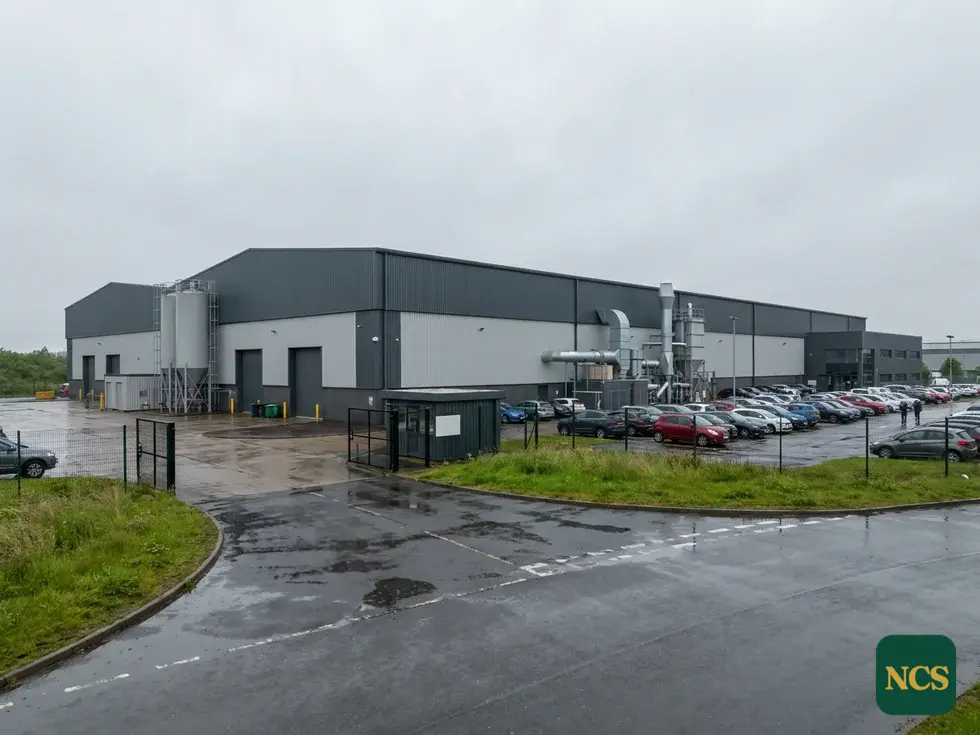
Our method for treating cut edge corrosion
To do it right, you need to strip back all the loose coating and rust until you’re down to sound metal. Then, we put on a zinc-rich primer. That primer sacrifices itself to protect the steel. After that, a flexible sealant goes over the primed edge, and we finish it with a matching topcoat. The crucial bit is getting it done before that corrosion undercuts more than a few centimetres. Otherwise, you’re looking at replacing whole sheets.
The consequences of leaving roof edges untreated
Once that protective coating is broken at the cut edges, moisture gets in between the steel and the plastisol. In Darlington’s climate, freeze-thaw cycles then lift the coating further, and rust starts creeping inwards. We see the classic failure signs: rust bleeding at the sheet overlaps, blistering along the ridge details, and eventually holes appearing around the fixing points. If you leave it, the whole roof system can fail as water tracks under the sheets next to it.
Darlington properties and where roof defects appear
Plastisol-coated steel roofs are all over Darlington’s industrial estates. You’ll see them particularly along the A66 corridor and near Faverdale. Take the Yarm Road trading estate, for example: there are plenty of warehouse units with that familiar wavy profile of steel roofing now into its third decade. Even Newton Aycliffe’s business park, which is newer, has examples where cut edges were left untreated during recladding. These roofs get battered by the salt-laden winds that blow inland from Teesside, hitting those exposed edges first. We also often find older asbestos cement sheets in need of attention, which we manage with safe encapsulation rather than disruptive removal.

Why a physical survey is essential
A building’s roof is a complex thing. We need to know what we’re dealing with before we recommend any work. We don’t guess. We get on the roof, measure, inspect, and then we tell you exactly what your building needs. This avoids unnecessary work and ensures the most effective treatment for your specific property, whether it’s cut edge corrosion or the careful encapsulation of asbestos cement sheets.
No two roofs in Darlington weather the same. A unit near the A1(M) faces different conditions to one sheltered by taller buildings in Faverdale. Only by getting on site can we tell if treating the edges alone is enough, or if some sheets need partial replacement. This stops us doing unnecessary work and makes sure we catch all the vulnerable edges in one go. If you want us to take a look at your property’s cut edges, visit our survey request page or you can learn more about the treatment process.
Recently — July 2026
A survey gives you a written read on the actual condition of the roof or walls and the route we would take, with no obligation to go ahead.
Settled summer weather suits coating and spraying work, with stable temperatures and dry surfaces helping systems cure and bond as specified.