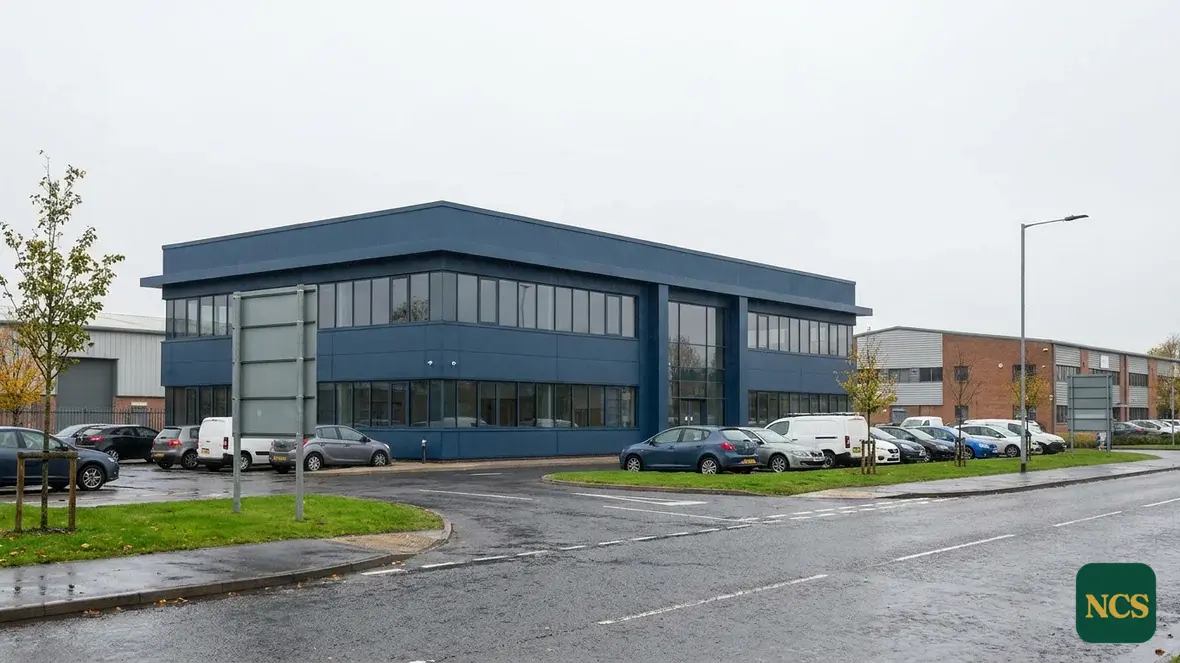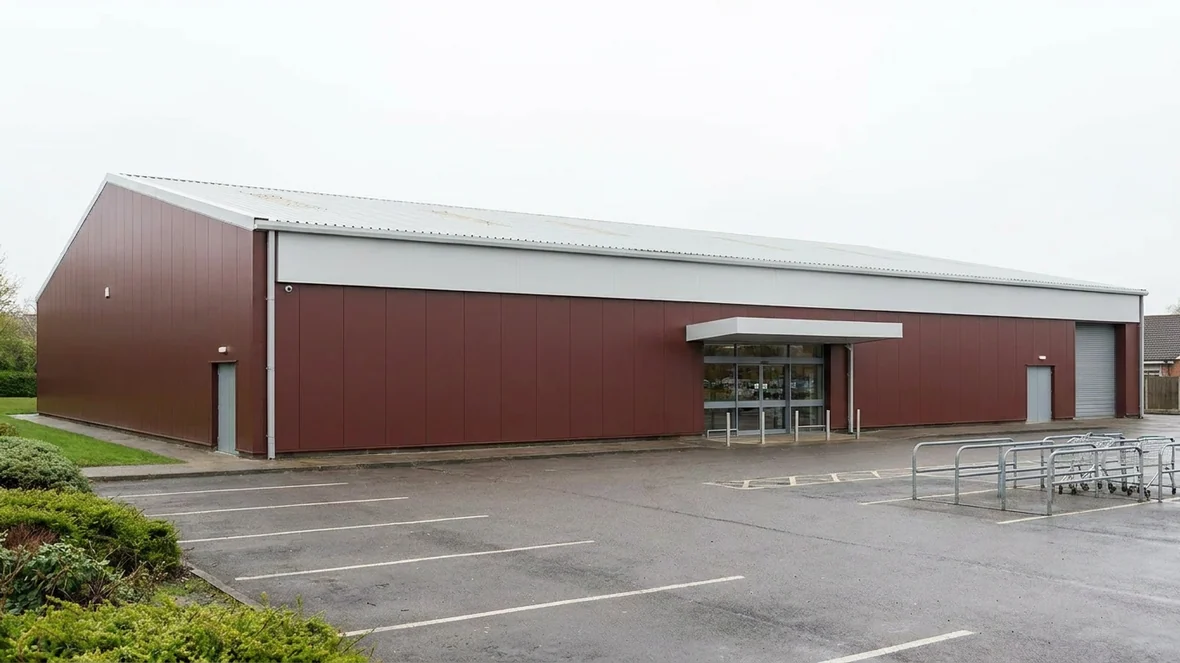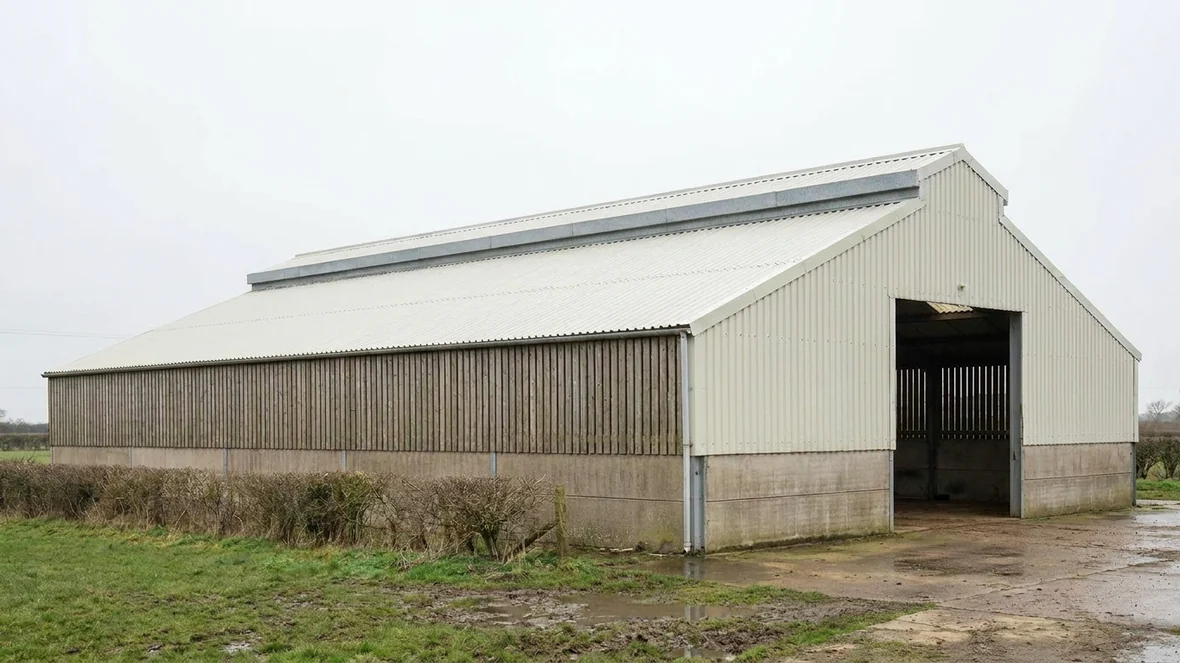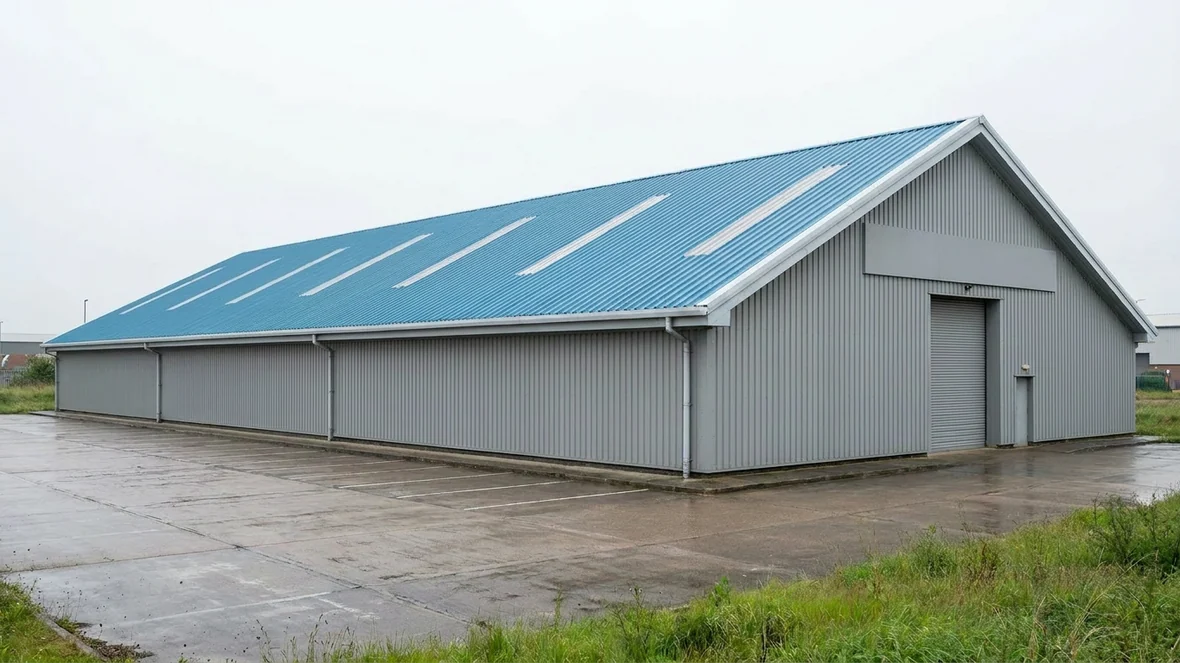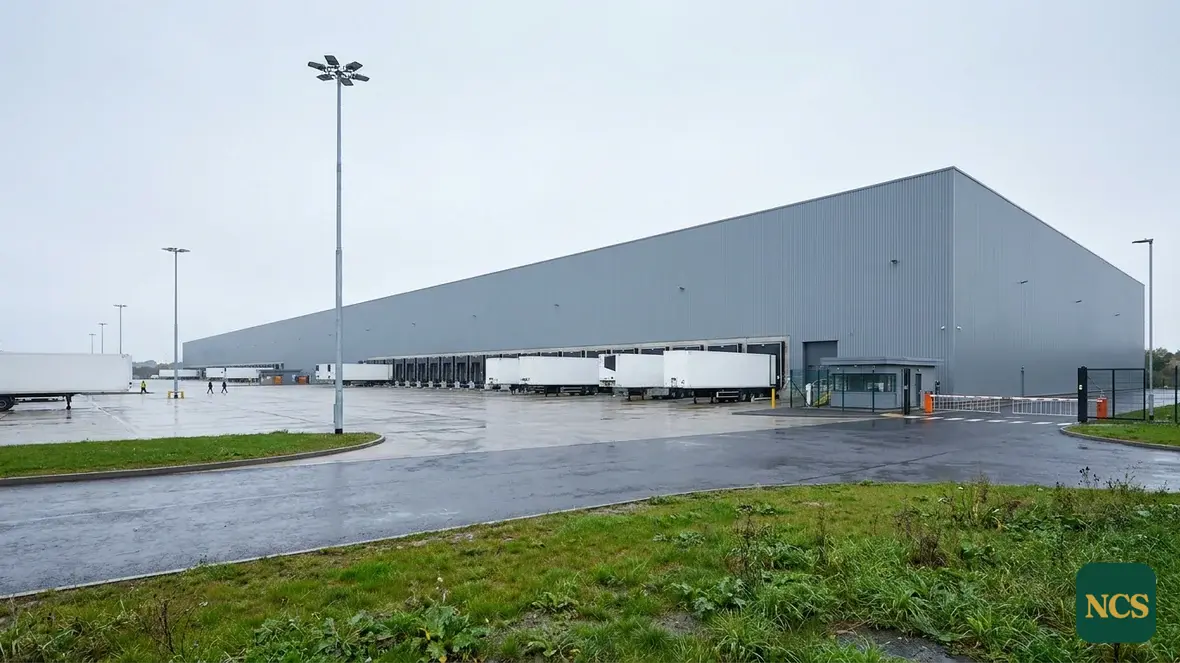




Derby makes things, and buildings that make things carry demanding roofs and walls, so a commercial coating Derby building owners can rely on has serious work to do. Rail and aero engineering sit at the heart of the city, and the factories, workshops, stores and offices that support them run to large roof areas and hard-working elevations. A leak or a failing wall here is not a cosmetic problem. It stops lines, spoils stock and shortens the life of the fabric underneath.
We are National Coating Specialists, and we lead with a survey on every building, without exception. The inspection comes before any specification, and the specification comes before any price. That order is the whole trade, and it is what keeps the commercial coating Derby buildings receive working on the city’s mixed stock rather than failing quietly after the invoice is paid.
Derby’s building stock and how the local weather ages it
You can read Derbyshire’s industrial history in the roofs around its county town. Older engineering works and sheds still carry asbestos cement sheeting that grows porous and brittle with age. Post-war and modern estates along the A38 and A52 corridors run to profiled steel, where cut edge corrosion at sheet ends and laps is the standard defect. Victorian brick mills and rendered offices sit among them, along with flat roofs in felt, asphalt and single-ply on extensions and trade counters. No single product suits all of that, which is why the specification has to come from the wall or roof in front of us, not from a road-side guess.
Sitting in the East Midlands, Derby takes wind-driven rain across the open Trent valley and the harder, wetter weather rolling off the Peak fringe to the north and west. Those Midlands winters find the weak points first: bare cut edges, tired laps, corroded fixings, porous cement and cracked pointing. The frames and sound sheets underneath usually have plenty of life left, and that gap between a weathered surface and a serviceable structure is exactly the situation a coating is built for.
Commercial roof coating in Derby
Factories, engineering works, suppliers’ units and warehousing across the city carry the sort of large, flat-profiled roofs that are expensive to replace and disruptive to open. For the commercial coating Derby owners need on these roofs, condition decides the answer. Where the roof is weathered but structurally sound, a commercial roof coating is the maintenance answer. It is a liquid-applied membrane, built up over a properly prepared surface, sealing the whole roof, laps, fixings and details included, into one continuous waterproof layer.
Against full replacement it is quicker, far less disruptive, and it keeps the building trading throughout, which matters when the alternative involves opening a roof above a working floor. If you have been searching for commercial painters in Derby, an airless-sprayed coating system usually holds up far better on a big roof than a brush-and-roller repaint ever could. Every roof is walked and surveyed before any system is put forward, and the report tells you plainly whether the roof is a coating job or not.
Commercial wall coating in Derby
The commercial coating Derby buildings need most is diagnosis before specification. Engineers tend to ask the right question about an exterior finish: not what it looks like, but what it is for and whether it will hold. A commercial wall coating earns its cost when it keeps water out of the fabric, lengthens the interval between redecorations, and protects elevations that would otherwise spall and stain through the winters. It fails when it is applied over the wrong substrate or an unresolved defect, so we run every enquiry through a survey first.
A surveyor works through the elevations methodically: substrate type, moisture readings, adhesion of existing paint or render, frost damage to brick faces, pointing, copings, sills and rainwater goods. We find the cause of any damp or staining before we discuss products, because treating a symptom is how these jobs go wrong. Handled properly, exterior painting of a Derby building becomes a chance to fix the damp, the cracks and the staining in one programme rather than sealing them in, and the findings arrive in writing with repairs itemised separately from the coating.
Cladding spraying in Derby
Most cladding enquiries here follow the same story: a coated steel or composite skin specified decades ago that Derbyshire weather has been working on ever since. The commercial coating Derby cladding needs depends on whether the substrate is sound.
Where the substrate is sound, our cladding spraying puts a fresh sprayed coating on site, renewing the protective layer and the colour in one go, treating and sealing cut edges before corrosion can spread. A full colour change is no harder than matching the existing shade, so cladding painting for a rebrand is straightforward, and doors, shutters, fascias and flashings can be coated to match so the whole building reads as one again.
The practical advantage for manufacturers is that the work happens outside while production carries on inside. We are usually working on plastisol and other coated steel profiles, composite panels, curtain walling and ancillary metalwork, on buildings of every age across the city’s estates. Appearance counts for more than people admit on an industrial estate: a unit that looks cared for lets more easily, photographs better, and signals that the business inside is in good order.
Industrial roof coating in Derby
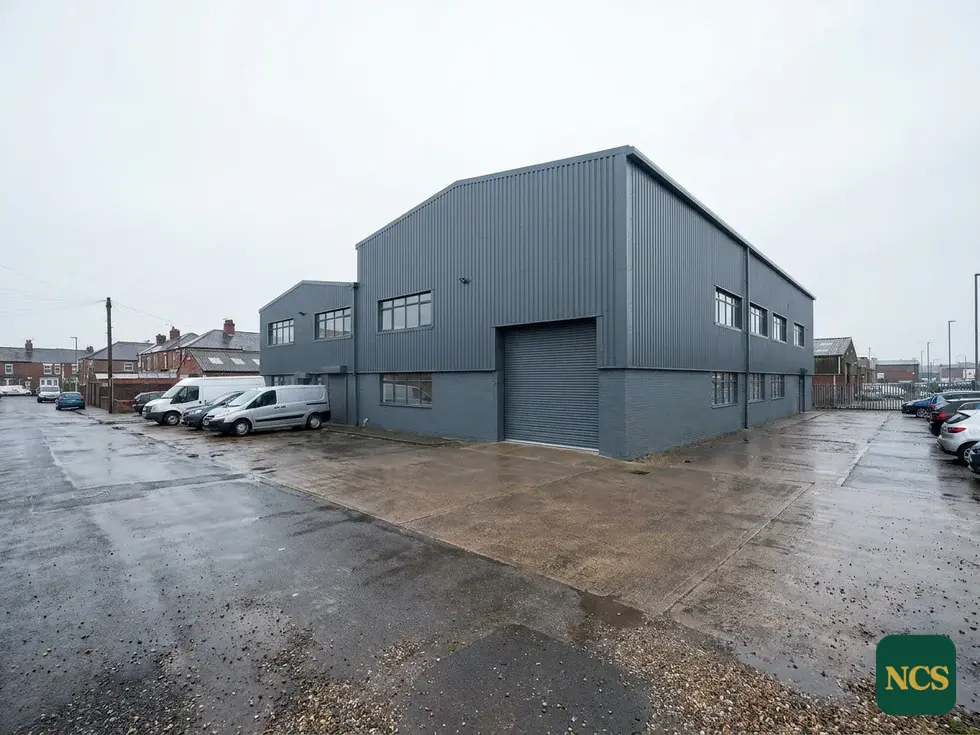
The manufacturing and engineering employers around Derby support a wide supply chain, largely housed in steel portal-frame units built in recent decades. Those roofs share a life cycle: the factory finish chalks and weathers, unprotected cut edges rust, fixings work loose with thermal cycling, and eventually water finds a way in. The commercial coating Derby industrial roofs need is dictated by that shared life cycle. On a structurally sound profiled roof, an industrial roof coating costs a fraction of replacement, takes a fraction of the time, and keeps the building working throughout.
Owners ask us for roof painting, roof coating or leak repairs, and, like most industrial painting contractors worth hiring, we treat all three as the same question: what does this roof need. Because the coating is applied externally with the roof kept closed, sites running two or three shifts carry on as normal. We agree the programme around your shift patterns, hold strict exclusion zones beneath the work, and keep access clear of loading doors, with a named contact and a daily picture of progress.
Cut edge corrosion treatment in Derby
Coated sheets such as plastisol have a protected face, but the cut edges are left bare, and those cuts sit at every end lap and along the gutter line, the wettest spots on the roof. Rust starts there, then creeps back under the coating, lifting it as it goes, and inside the laps trapped moisture makes it worse. Staining and lifting at the sheet ends are the tell-tale signs, and cut edge corrosion treatment nearly always starts while that warning is still just staining.
Early treatment is as much about preparation as coating. We clean the corroded edges back to sound steel, strip any loose or lifted coating, prime the metal with corrosion-inhibiting products, then seal the laps, edges and gutter lines with a flexible system built to cope with the roof’s thermal movement. The economics favour doing it now: edge treatment keeps your existing sheets working, whereas leaving it turns the same roof into a replacement job with all the cost and lead time that brings.
Asbestos roof encapsulation in Derby
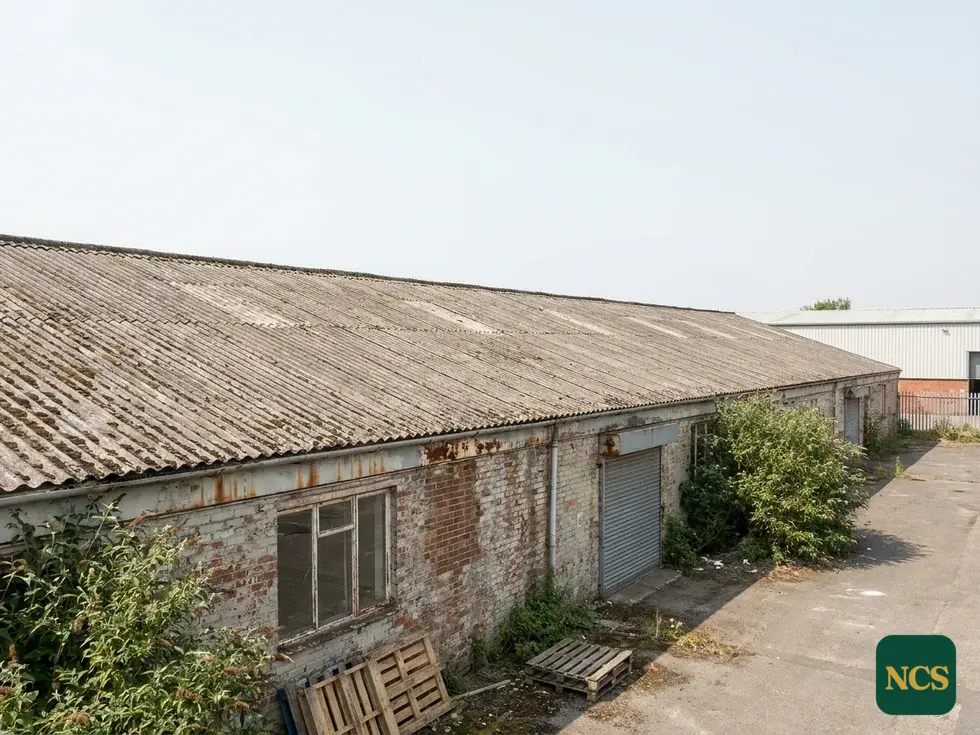
The rail and aero engineering that shaped the city left a fair few mid-century workshops, sheds and depots, and a lot of them still wear corrugated asbestos cement. The Control of Asbestos Regulations 2012 require a duty holder to identify that material, assess its condition and manage the risk with a written plan, and a roof slowly weathering fibres into the gutters does not sit comfortably with that duty. Where the sheets are structurally sound, asbestos roof encapsulation cleans, repairs and seals them in place, locking the fibres in and making the roof watertight while the building keeps working below.
The one firm condition is that the sheets must be sound. A coating extends the life of a good roof, but it will not rescue a bad one. Brittle or delaminating sheets, widespread cracking, or a structure that has moved or rotted are removal jobs, and if the material turns out to be something higher risk than cement, such as asbestos insulation board, that needs a licensed removal contractor rather than us. The survey establishes which side of that line your roof sits on, in writing.
Agricultural building coating in Derby
The country around Derby changes quickly, from arable and mixed farms on the Trent valley flats to livestock holdings climbing towards the Peak fringe, and the building stock changes with it. The commercial coating Derby agricultural buildings need is not a whole-farm assumption. An agricultural building coating programme starts with which buildings actually need it. Coated steel grain stores and machinery sheds fail at the details, with edges and laps opening and fixings staining the sheets, while older fibre-cement roofs turn soft and mossy on the shaded slopes.
The valley and the hills run on different clocks, so we plan backwards from when each building has to be back in use. Grain stores have a clear window after the old crop has gone and before harvest fills the floor again; upland livestock sheds suit turnout, when stock is out at grass. Where cement sheets are intact, a clean and encapsulation system seals the surface without stripping and licensed disposal. Where they are cracked or soft underfoot, that is a removal job, and the survey says so plainly rather than selling a coating that will not hold.
Choosing a commercial coating Derby buildings can rely on: coat, repair or replace?
A coating seals in whatever it covers, so clarity about the roof or wall underneath is not optional. We advise against coating where insulation is saturated, where sheets or decking have corroded or rotted through, where corrosion has spread beyond the cut edges into the sheet body, or where fixings have failed at scale. Ponding from structural deflection rules a roof out, and so does brittle asbestos cement that cannot safely carry preparation work. On walls, structural cracking, bridged damp-proof courses and hollow, detached render all have to be resolved before any coating is discussed.
When the survey finds any of that, the report says repair or replace, and it explains why with photographs. Coating a failing roof only postpones the bill and makes it bigger. We would rather lose one Derby job than win it on a building that should never have been coated, and if the answer is not a coating and not us, we will put that opinion in writing for your own records.
Recent projects from the same team
You can see this survey-led approach start to finish, on a building in the city itself, in our Derby supermarket wall coating case study. The photographs there are our own, showing weathered render with staining and hairline cracking before work, and the same elevation sealed and finished in a uniform satin afterwards, with the building trading throughout.
Booking a coating survey in Derby
Every commercial coating Derby building owners ask us to assess starts with a free survey and no obligation to proceed. A surveyor inspects the substrate, seams, fixings, rooflights, flashings and drainage, tests for trapped moisture, then issues a written report with photographs. The recommendation might be a coating specification, targeted repairs, or a clear steer towards replacement where that is better value, and the quotation is itemised so you can compare it line by line against anyone else.
From Derby we group surveys efficiently across the wider region, covering Nottingham, Burton upon Trent, Ilkeston and Ashbourne among others, which suits manufacturers and landlords with several sites who want one contractor across all of them. You can read how we assess buildings across the county on our Derbyshire coating hub, or send us the details of your building and we will book the survey.
Recently — July
We do not price a roof we have not stood on, so every job here starts with a proper look at the building.
Summer is the steadiest season for exterior coating: longer dry spells mean preparation, application and curing can be programmed with fewer weather delays.
All access and roof work is planned in line with HSE work-at-height guidance.