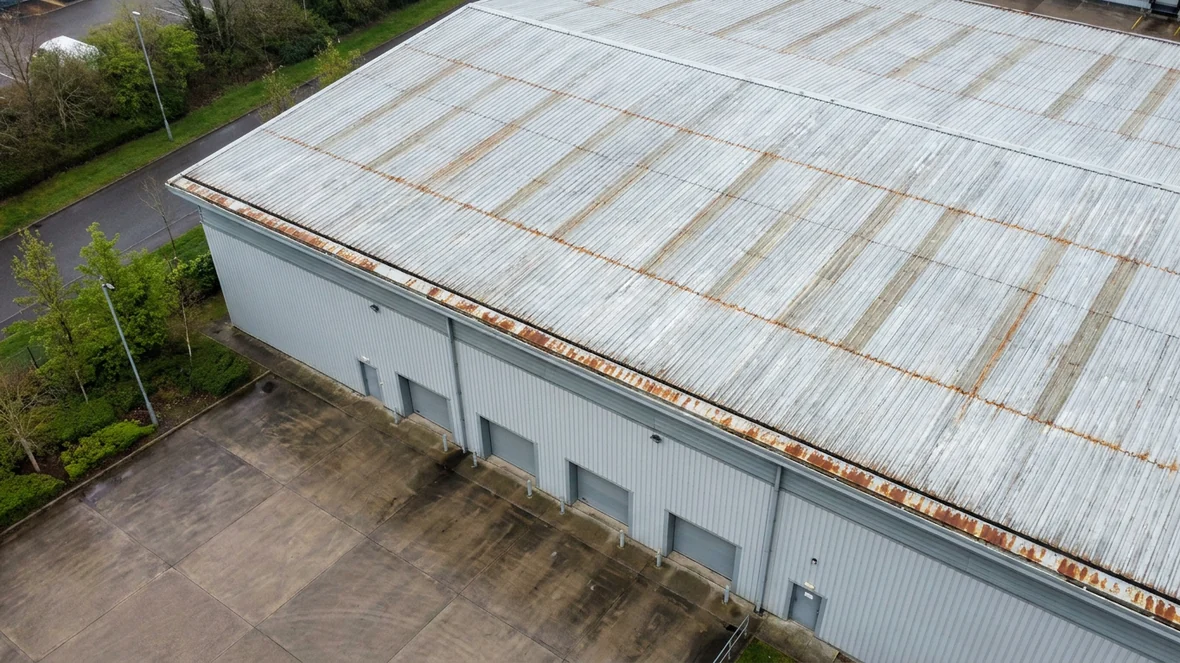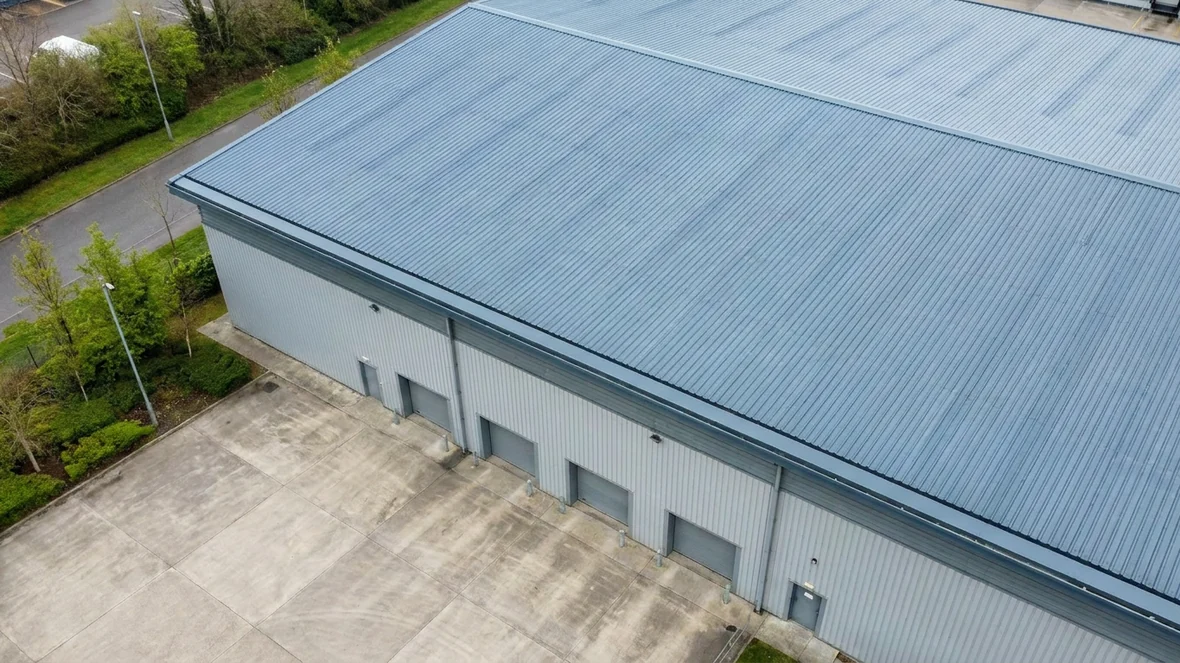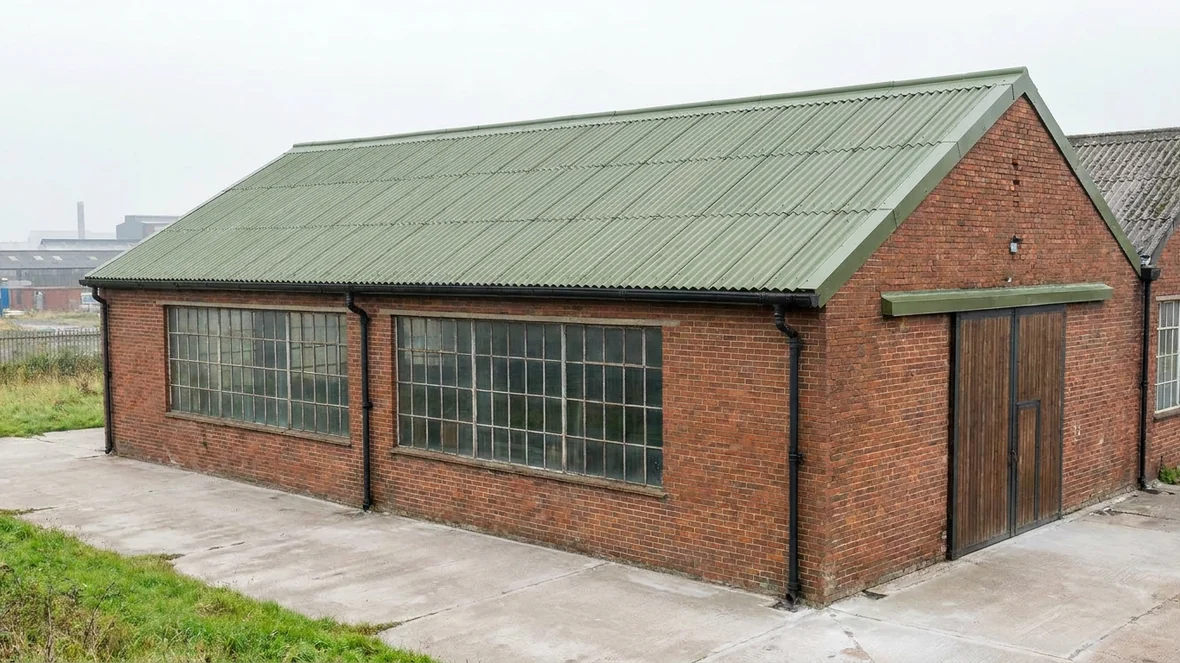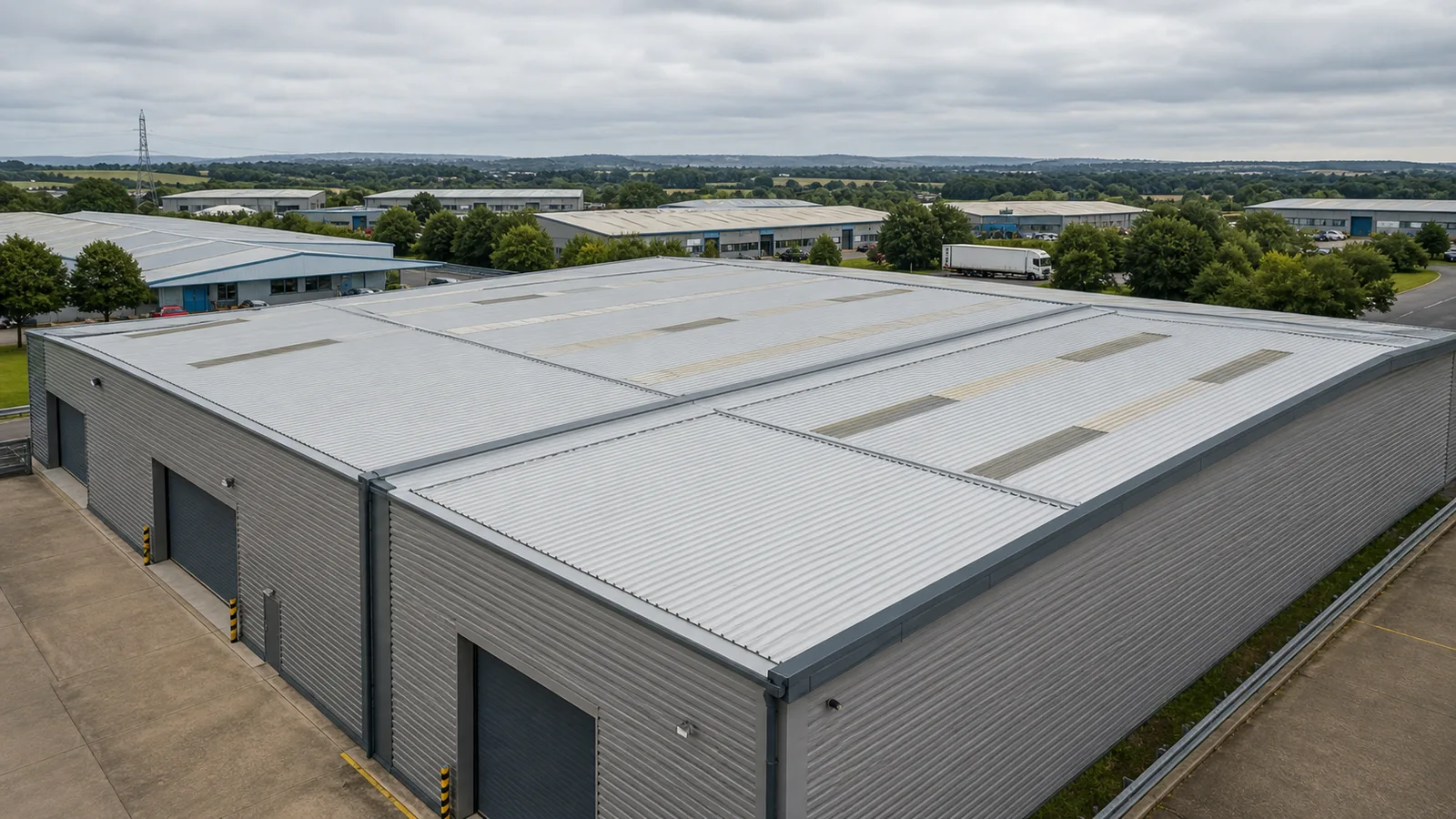




Industrial units across Swindon carry a heavy workload. The buildings that house that work take a beating from the Wiltshire weather and from the processes going on inside them, often letting in water or developing rust on exposed elevations. When a roof starts to weep, when cladding fades and chalks, or when a steel frame begins to show rust at the laps and fixings, the owners and facilities managers who run these sites start looking for Industrial Painters Swindon can rely on to put things right without pulling production apart, keeping the building weatherproof and protected. That is the work we do, and we do it survey first, even for properties off the A419.
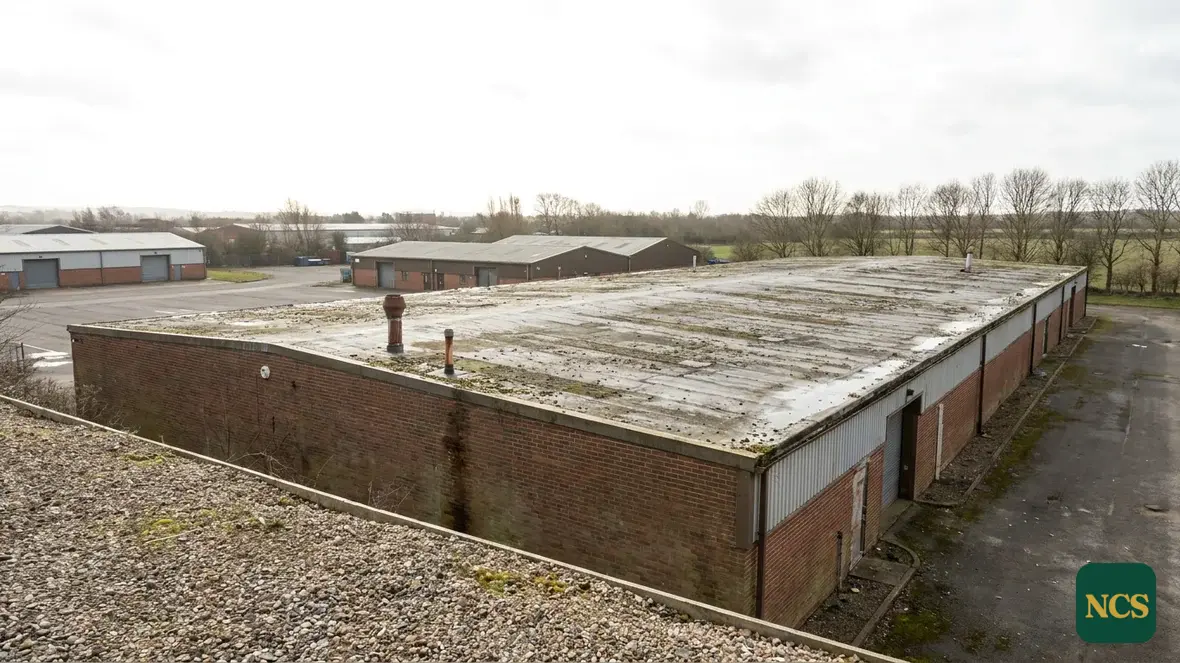
The factory and warehouse buildings our industrial painters work across in Swindon
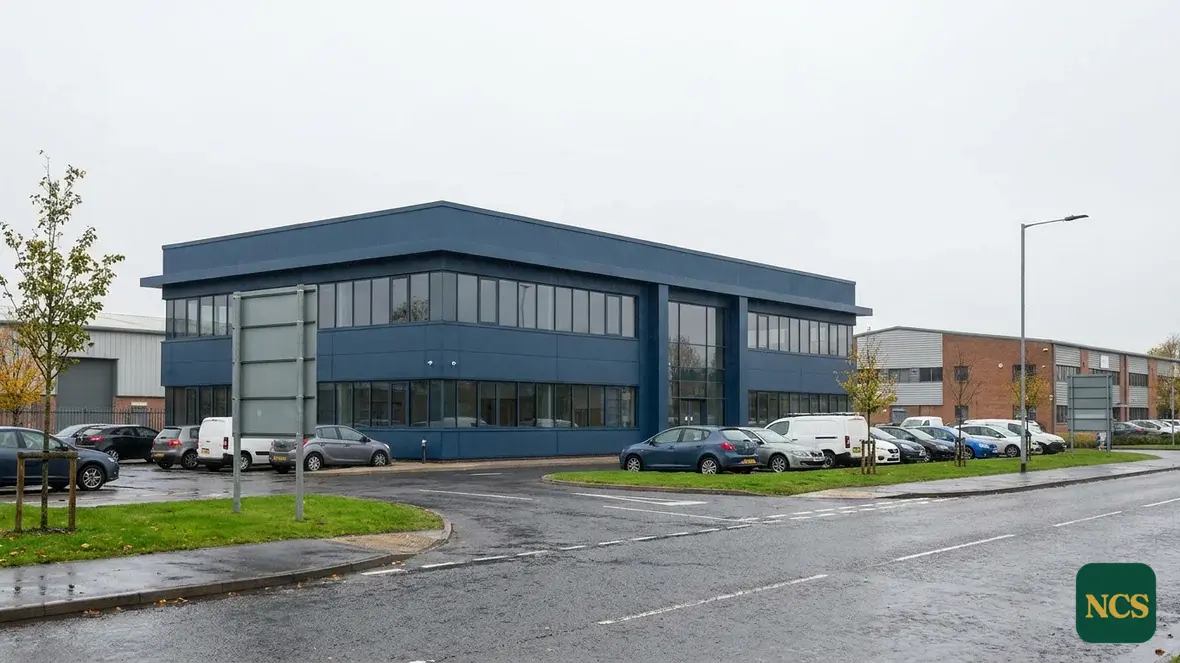
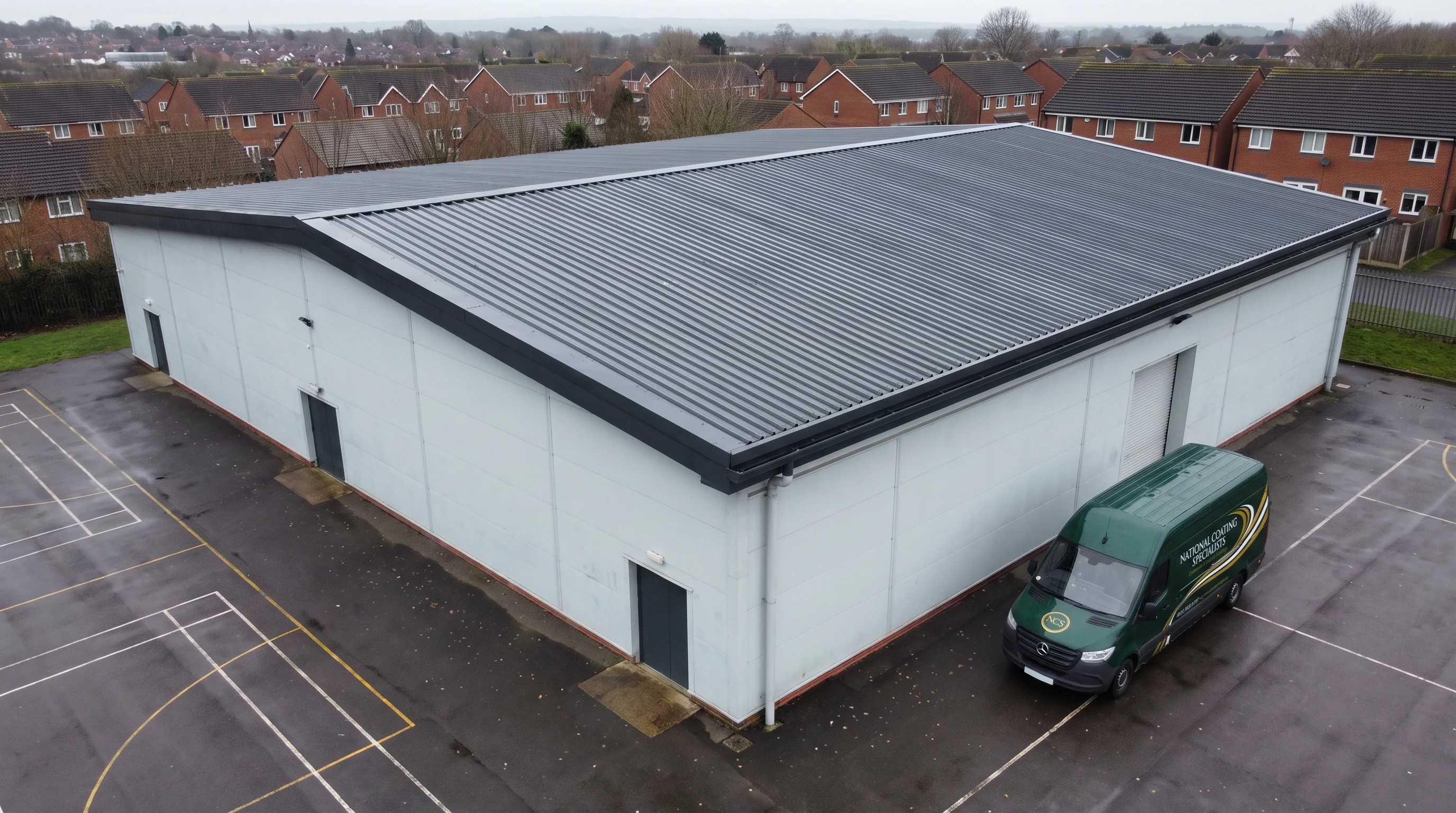
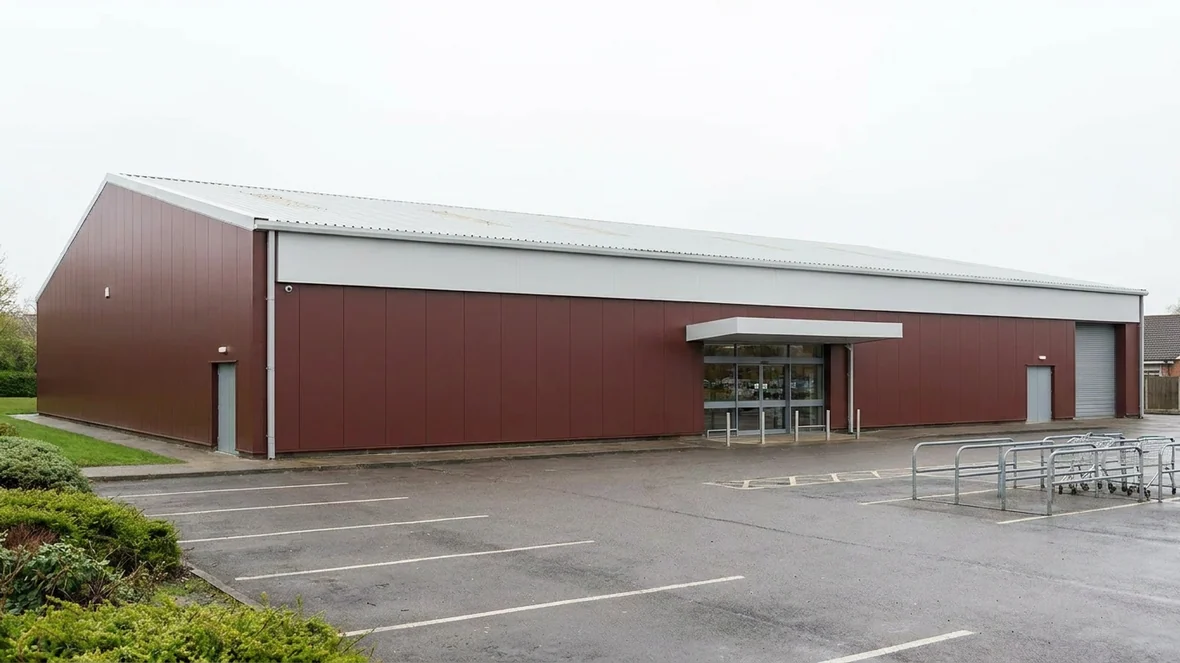
The building stock around Swindon is varied. Older estates near Cheney Manor and Dorcan hold decades of manufacturing and workshop units, many of them steel framed with profiled metal roofs and single skin or built up cladding. Out towards South Marston and the eastern edge of the town, larger modern distribution sheds dominate, with wide flat roofs, tall clad elevations and long gutter runs that carry a lot of water. The logistics parks strung along the M4 corridor add yet more large format warehousing.
Each of these building types weathers differently. A tall clad warehouse elevation facing the prevailing south-westerly takes far more rain and sun than a sheltered internal wall. An older workshop roof near the town centre may have been overcoated more than once already, while a newer shed may still carry its original factory finish. Understanding what is actually on a Swindon roof or elevation, and how it has weathered, is the difference between a coating that lasts and one that fails early. That is why our painters look before they quote.
What our industrial coating work involves
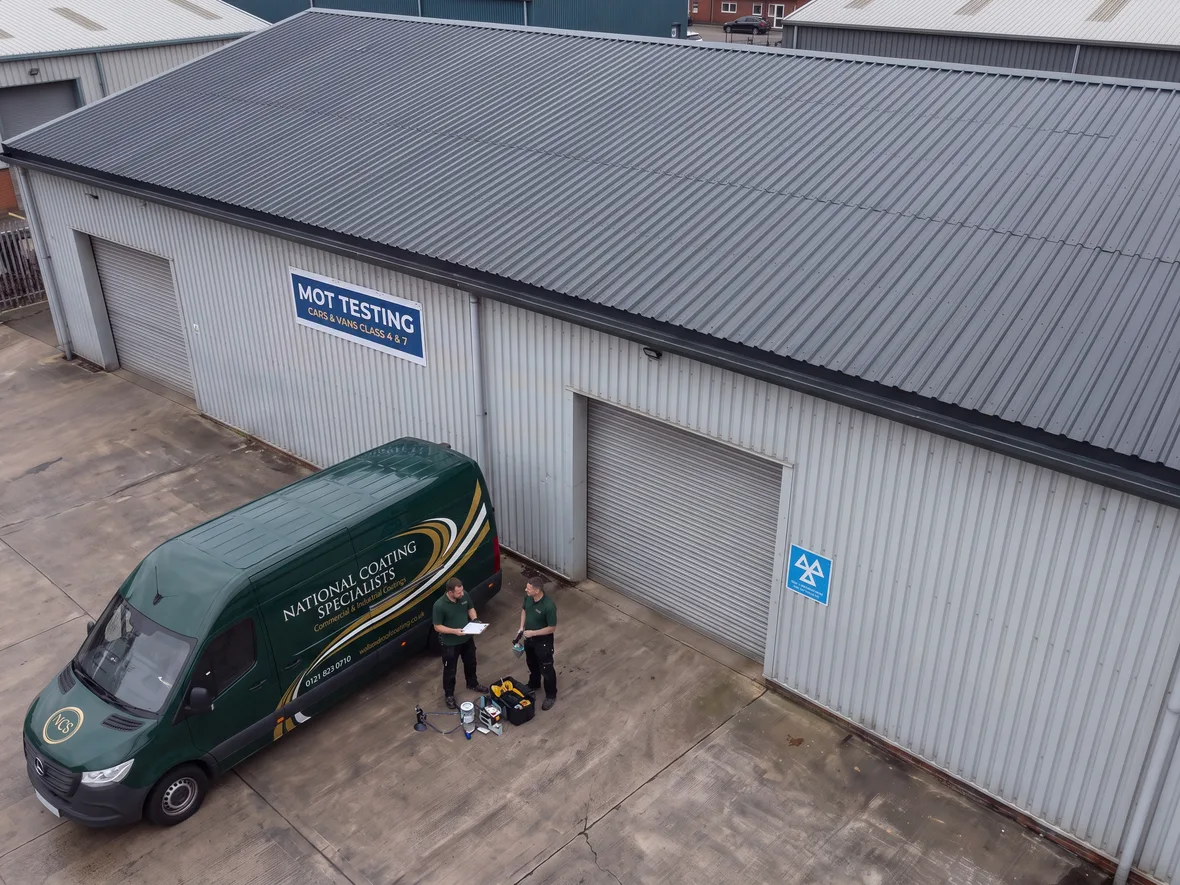
Most of our work in Swindon is spray-applied coating to metal roofs and cladding, with brush and roller used where access or detail demands it. On a profiled steel roof, that usually means a full clean, treatment of any corrosion, attention to the laps and fastenings, and then a coating system built up in coats suited to the substrate and its exposure. The same thinking applies to cladding painting on elevations, where colour, adhesion and weather resistance all matter.
We match the coating system to the metal and its condition, not to a catalogue. Galvanised steel, plastisol-coated sheet and older painted finishes all behave differently, and each needs the right preparation and the right primer before a topcoat goes anywhere near it. Where a roof carries rooflights, plant, or fragile sheets, we plan the work around them so the building stays safe to walk and safe to work under. The aim is a coating that bonds properly and sheds water for a long service life, applied with the least possible disruption to what is going on below.
Our survey-first approach to industrial painting
Everything we do starts with a survey. One of our surveyors comes to the site in Swindon, gets up onto the roof or elevation where it is safe to do so, and assesses the substrate, its condition and its exposure. From that we work out what the building actually needs, and we set it down clearly so the owner can see the reasoning.
- A site visit to inspect the roof, cladding and gutters at close quarters, not from the ground.
- Identification of the substrate and the coatings already sitting on it.
- A record of corrosion, failed sealant, damaged sheets and any water ingress.
- A written specification setting out the preparation, repairs and coating system suited to the building.
- Clear answers on access, safety and how we keep disruption to your operation low.
Because the survey is free and comes with no obligation, an owner can find out exactly what their building needs before committing to anything at all. Cost questions are answered honestly at that stage, once we know what the work truly involves.
Why industrial buildings in Swindon need external coatings
Swindon grew up around industry. Its Great Western Railway heritage left the town with a long tradition of large manufacturing and engineering sheds. The decades since have filled the edges of the town with distribution centres, trade counters and light industrial units. Those buildings age, and the ones built in steel and profiled cladding age in a way that shows. Coatings chalk and thin, sealants perish, and cut edges on cladding sheets begin to corrode where the coating was cropped during manufacture.
Owners call in commercial painters when the fabric of a building starts to let them down. A leaking roof over a working floor is a production problem long before it is a decorating one. Faded, streaked cladding hurts the way a business presents itself to visitors and customers. Rust creeping along a gutter line or a purlin means water is finding its way to steel that was never meant to be wet. Industrial painting is how those problems get held back, and doing it well means understanding the substrate underneath, not just rolling on a fresh colour.
The repairs and preparation our industrial painters handle first
A coating is only as good as the surface under it, so preparation and repair come before any painting starts. On many Swindon roofs that means dealing with corrosion repairs at cut edges and laps, replacing perished fasteners, and sorting out failed sealant before it lets in more water. Gutters often need clearing, and on some sites gutter relining is the honest answer where the original lining has broken down.
We clean down the whole surface to remove chalk, dirt, moss and loose material, because a coating applied over a dirty or unstable surface simply will not hold. Where there is active rust, we treat it back to sound metal. Where a sheet is beyond saving, we say so rather than paint over a problem. This is the unglamorous part of industrial painting, and it is the part that decides whether the finished work lasts.
Protecting buildings from the Wiltshire weather and corrosion
Many industrial and commercial buildings in Swindon face the full force of the prevailing weather. We commonly see elevations that have taken a battering, leading to faded cladding, chalked render, and early signs of rust around fixings and laps. Our work aims to keep water out of your building and stop corrosion creep. By properly preparing and then coating these exposed surfaces, we create a barrier that protects the substrate, extends its life, and prevents costly water ingress or structural damage. We focus on the areas that need it most, ensuring your building stays watertight and robust against the elements.
Why we survey before specifying any coating for a building
It would be quicker to hand out a standard specification for every unit in Swindon, but it would be dishonest, and the coating would often fail early. The right system for a chalked plastisol roof is not the right system for bare galvanised steel, and the right approach to a sheltered internal elevation is not the one for a weather-beaten south-facing wall. Only a survey tells us which is which.
Getting the specification right first time saves trouble and rework later, because a coating matched to the real substrate and its real condition is the one that lasts. We would rather spend an hour on the roof up front than watch a rushed job peel within a season. If you run an industrial or commercial building around Swindon and the fabric is starting to show its age, the sensible first step is a proper look. You can read more about our industrial painters service, or arrange a free survey and let us tell you honestly what your building needs.
Recently — July 2026
Surveys remain free and no-obligation, with a written report on condition, the realistic options and the recommended route.
A summer survey gives us time to specify and programme the work before the wetter months make access and curing harder.
Common questions about industrial painters Swindon
How long will an industrial coating last on a building in this part of the country?
Longevity depends far more on surface preparation, coating specification and exposure than on geography alone. In Swindon, where we encounter a mix of mild Atlantic moisture and occasional frost, a properly applied two or three coat system to prepared steel frequently lasts a decade and a half or more before a maintenance recoat is needed. Where preparation is cursory, we see early breakdown in as little as three or four years. The substrate matters just as much as the weather; galvanised and aluminium surfaces here can hold their finish for several decades if correctly primed.
Will we have to shut our facility while industrial painters are on site?
Rarely. We plan most programmes around your operational hours, using phased zoning, out of hours working and containment that isolates the work area without interrupting production. Some noise or odour sensitive sectors, such as food processing or pharmaceutical, may need a brief pause in a line while coatings cure, but a full shutdown is the exception rather than the rule. We determine this during the survey and write the schedule to maintain business continuity.
What surface preparation do industrial painters in Swindon typically carry out?
A thorough survey dictates the method, but we generally follow a hierarchy of blast cleaning, mechanical preparation or high pressure washing. On steel, abrasive blasting to remove mill scale and corrosion is the standard we aim for. On concrete floors, diamond grinding or shot blasting opens the surface for penetration. Hand and power tool cleaning is reserved for minor touch ups or areas where access prohibits blasting. The principle is simple; unless the substrate is correctly profiled and free of contamination, the coating cannot perform as designed.
How can I tell if my building needs a full recoat or just localised repairs?
The distinction comes down to the extent and type of failure visible. Isolated mechanical damage, small rust spots or nibs of flaking on an otherwise sound film can be repaired by feathering back and spot priming. Widespread chalking, extensive peeling, deep cracking or corrosion beneath the coating over a large proportion of the surface usually signals that the system has reached the end of its service. Our survey includes adhesion tests and film thickness readings across the building to give you an evidence based answer, not a guess.
Can your teams coat high level cladding and structural steel without scaffolding?
Yes, we routinely deploy industrial rope access technicians for work on tall warehouses, silos and process structures across Swindon. Where the building geometry or condition favours it, we also use mobile elevating work platforms. Scaffolding is reserved for projects where it provides the safest, most productive access, such as full roof coating or extensive repairs. Access method is always decided during the survey and justified on safety and productivity grounds, not convenience.
Coating versus replacement: which route makes sense for your building?
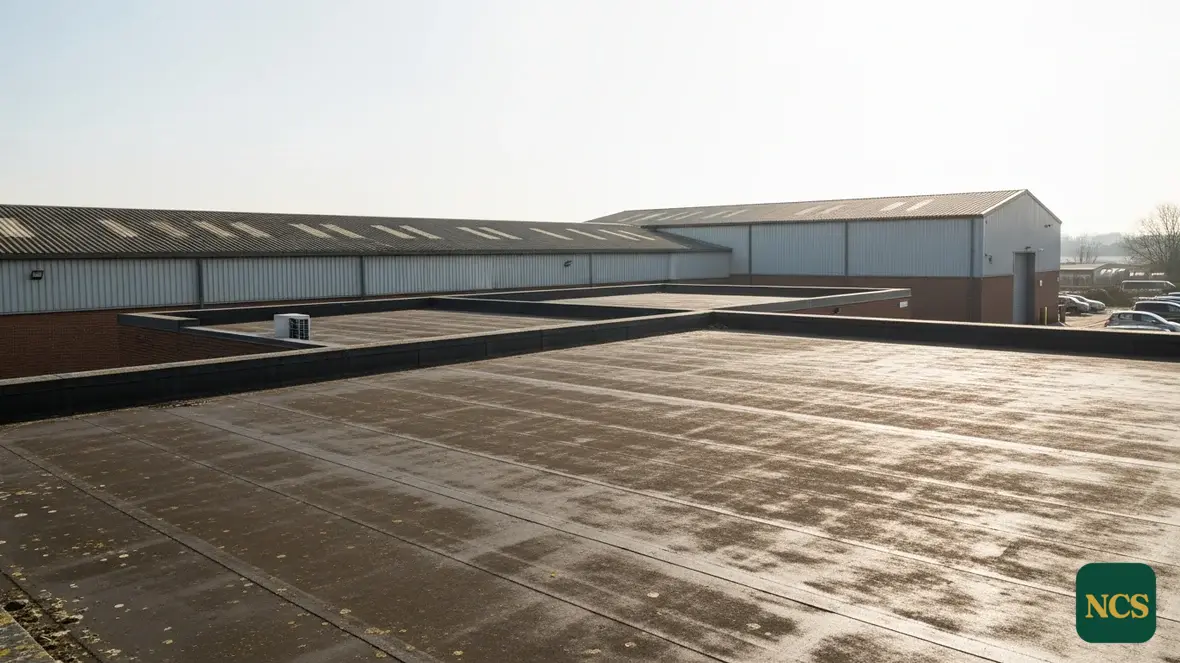
When we inspect a building as industrial painters in Swindon, the first question we ask is whether the existing fabric still has structural and functional merit. A protective coating preserves what is there; it stops corrosion, seals against moisture and refreshes appearance without altering the load bearing frame. This is the right path where the substrate is dimensionally sound, contamination has not penetrated deeply and the coating can be applied to a standard that will give a predictable service life.
There are, however, clear situations where replacement is the wiser move. If the steel or aluminium sheets have corroded to the point of pinholes, widespread thinning or fatigue cracks, no coating can restore lost section. Likewise, when multiple layers of old, poorly adhering coatings have built up to the point that removal costs approach those of new cladding, the case for overcoating weakens. Replacement also makes sense when a building’s insulation or fire performance requirements have changed and the installed panels cannot meet current regulations from behind.
The key factors we weigh during a survey include:
- Remaining metal thickness and the extent of pitting across the structure
- Condition and adhesion of the original coating system
- Whether the building envelope can be upgraded without replacing the outer skin
- Downtime implications of both routes and the order in which work can be phased
- Long term maintenance burden after either option
We present these findings without preference, because neither coating nor replacement is universally superior. Our role is to give you the data to decide between preserving what stands and starting fresh, on the basis of engineering sense rather than habit.
A free site survey is still the start. Phone descriptions miss the elevation that decides cost. We price industrial painters Swindon from what we can see and touch on site.
We walk the elevations and plant interfaces before we quote. Live sites need a industrial painters Swindon plan that respects production, access and what can actually be coated this season.
Owners in Swindon usually want the building to look looked-after without a shutdown. That is achievable when the Industrial Painters Swindon sequence is written around the working day, not against it.
Industrial and commercial painting around Swindon is still substrate work first. Industrial Painters Swindon means preparation, repairs and a system matched to exposure, not a tidy colour from the road.
A free site survey is still the start. Phone descriptions miss the elevation that decides cost. We price industrial painters Swindon from what we can see and touch on site.
We walk the elevations and plant interfaces before we quote. Live sites need a industrial painters Swindon plan that respects production, access and what can actually be coated this season.
Industrial and commercial painting around Swindon is still substrate work first. Industrial Painters Swindon means preparation, repairs and a system matched to exposure, not a tidy colour from the road.
Where corrosion or failed coatings have started, we say so in the survey. Painting over active rust is how industrial painters Swindon work comes back as a complaint within a year.
Industrial and commercial painting around Swindon is still substrate work first. Industrial Painters Swindon means preparation, repairs and a system matched to exposure, not a tidy colour from the road.
Our teams work to the HSE work at height guidance and hold CHAS accreditation so the paperwork a site manager asks for is ready before the first van arrives.
We walk the elevations and plant interfaces before we quote. Live sites need a industrial painters Swindon plan that respects production, access and what can actually be coated this season.
Owners in Swindon usually want the building to look looked-after without a shutdown. That is achievable when the Industrial Painters Swindon sequence is written around the working day, not against it.
Industrial and commercial painting around Swindon is still substrate work first. Industrial Painters Swindon means preparation, repairs and a system matched to exposure, not a tidy colour from the road.