Bristol’s industrial buildings range from the older trading estates inside the city right out to the huge distribution sheds at Avonmouth and Severnside. That’s where some of the region’s largest warehouse roofs sit directly in the path of weather coming up the Severn estuary. A lot of it is profiled metal, put up between the 1980s and the 2000s. Frankly, a fair amount of it is well overdue a serious look from someone who isn’t just flying a drone over it.
Industrial roof coating around Bristol and Avonmouth
We’re National Coating Specialists, an exterior coating contractor based in the South East and working across the UK. We start with a survey. Bristol’s mix of buildings suits us well: steel portal frame warehouses, factory units and logistics sheds whose roofs are sound underneath but failing at the surface. We’re talking faded finishes, rusting sheet edges, and laps that have started to weep. Coating restores that weatherproof skin without needing a full roof replacement. On buildings of this size, that’s the difference between a manageable maintenance project and a capital one that needs board approval and a season of disruption.
Estuary weather and ageing sheet steel
Roofs out towards Avonmouth get salt-carrying wind off the estuary. Roofs across the rest of the city get the same volume of rain, just without the salt. Either way, the weak point is always the same. Cut-edge corrosion starts where sheets were cut to length at manufacture, severing the protective coating. That leaves bare steel at every overlap, eaves line and verge. Rust establishes there first and works its way back underneath the finish. Fixings age in parallel: washers harden, threads loosen and leak paths open up at the laps. All of it is treatable while the sheet itself is intact. That’s precisely the window a coating programme is designed to use.

Straight answers: when we walk away
Coating has its limits, and we’re open about them. If our survey shows the deck failing, sheets rusted through, insulation saturated or corrosion past the point where preparation can recover it, we’ll recommend replacement. We’ll put that in writing, even though it means no coating work for us. There are middle cases too: roofs where most of the area will coat well, but a run of sheets or a valley gutter needs replacing first. We specify those repairs separately so you can see exactly what you’re paying for and why. Coating a failing roof buys you a tidy-looking year and an expensive lesson. We’d rather tell a Bristol estates team the truth at the survey stage than be the contractor who hid the problem under a fresh coat.
Minimal disruption for working sites
Most of these buildings can’t stop. Distribution runs around the clock, production runs shifts, and an empty warehouse earns nothing. Coating fits that reality because the work is entirely external. Nobody needs to clear the floor, nothing is stripped off, and the building is never left open to the weather midway through a programme. We plan with your facilities team before work begins, agreeing access, working zones, plant positions and timing around your busiest movements. Then we phase the roof so yards and dock doors keep operating beneath us for the duration.
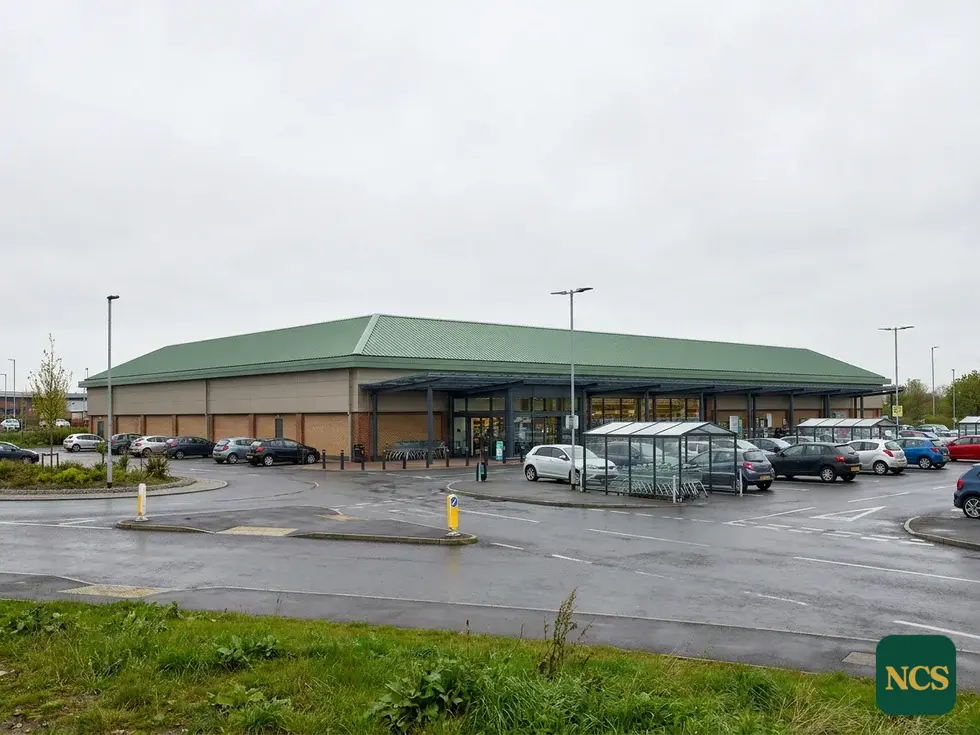
From survey to finished roof
The process is deliberately simple and starts with evidence, not just estimates:
- Close-quarters roof survey with a written, photographed report
- A clear verdict: coat, repair first, or replace
- An agreed specification covering preparation, repairs and the coating system
- Phased works planned around your operation
- Final inspection and a documented handover
If you manage industrial buildings in Bristol, Avonmouth or the wider South West, that survey is the sensible first step. Tell us about the roof, its rough age and what it covers, and we’ll arrange the rest. A morning of access for a surveyor now is considerably cheaper than discovering the roof’s condition through the stock it ruins later.