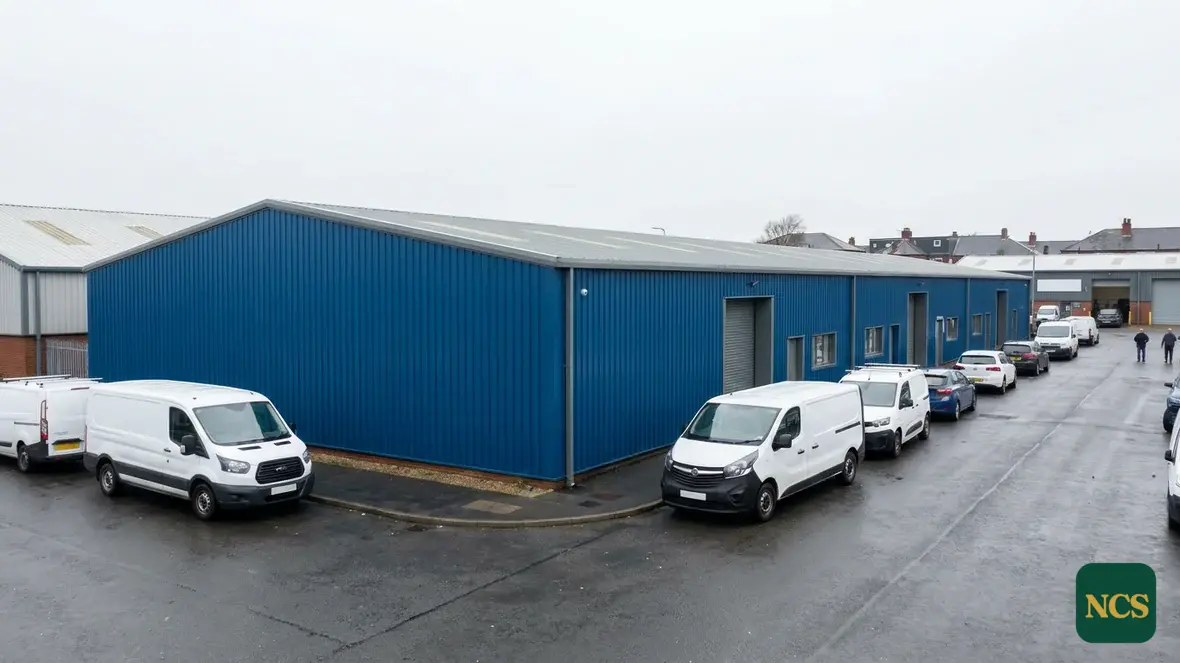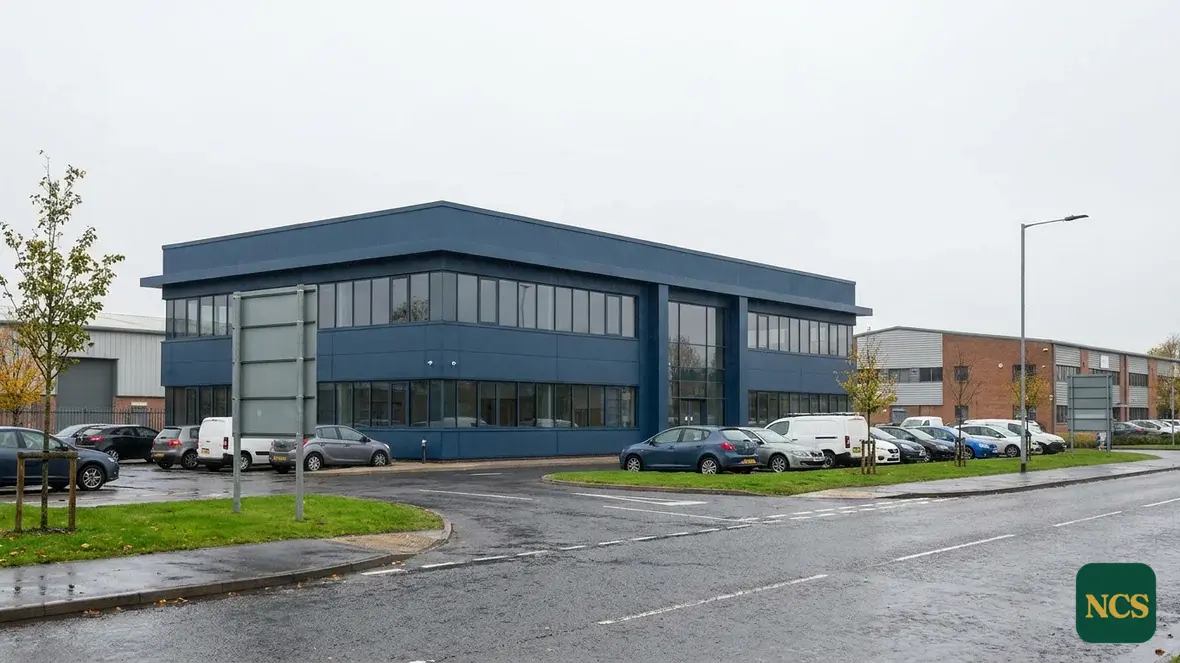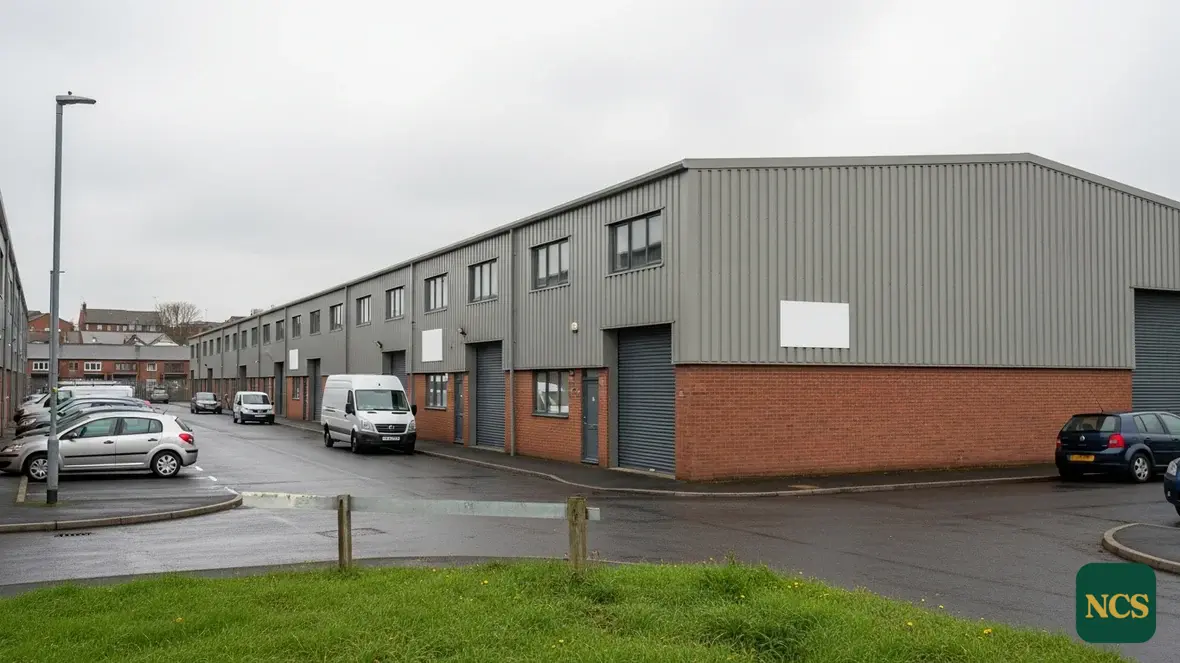
We coat the outside of commercial, industrial and agricultural buildings across Bristol and the wider South West. We’re talking about roofs, walls, cladding, render and gutters; we handle asbestos roof encapsulation and cut-edge corrosion treatment. We don’t just restore the colour and weather protection; we make sound existing sheets serve on, avoiding the huge disruption and cost of full replacement. Instead of replacing panels, we refurbish what’s already there, letting you keep your building in use while the work happens. From the port to the M4 and M5 corridors, we’ve seen the full range of cladding conditions.
When cladding panels cannot be saved by coating
Spray coatings refurbish cladding that’s still sound. They won’t bring failed cladding back to life. If the steel is perforated by corrosion, if a composite core is wet or delaminating, if the fixings have let go, or if the building is already set for replacement panels because of thermal or fire-safety issues, we’ll tell you to spend your money elsewhere. That finding goes into the survey report in plain language, backed up by photos. We’d rather walk away from an elevation than coat over a fault and let the estuary weather prove us wrong a couple of winters later. It is far better for you to know up front when coating isn’t the right answer.
Enquiries from Bristol arrive as cladding painting, respraying or refurbishment, and they all point at the same faded elevation.
How we manage a cladding respray in Bristol
Our survey records the panel types, coating condition, corrosion and access. We also factor in how a working site operates: traffic routes, deliveries, when you’re open. From that, we write a specification that covers cleaning, corrosion treatment, priming, masking and the coating system. Then we give you a fixed quote based on that document. We work on one elevation at a time so your building can keep trading. We’ll have costed access during the survey, whether that’s powered platforms on open yards or scaffolding where boundaries are tight. We can also schedule phased or out-of-hours working if your site can’t pause. Our teams cover Bath, Filton, Avonmouth and Weston-super-Mare. That means multi-site operators across the wider Bristol area can run one programme under one specification, instead of juggling different contractors, and keep their buildings in use throughout.
A survey is always better than a price from a photo
A photo can’t show how deep the chalking is, or corrosion hiding under a gutter line, or the state of the fixings. So, a price from a photo is just a guess with a letterhead. Survey-led contracting gives you something different:
- A price that’s actually based on the building’s real condition
- Preparation stages written down before we even start work
- A coating system that’s matched to the panel type and how exposed it is
- An early warning if your cladding isn’t suitable for coating
- A handover record of what we applied and where
If one of your Bristol buildings is starting to fade, streak or chalk, getting a survey is the cheapest decision you’ll make about it. Everything that follows is built on what we find, and it means we only recommend coating where it genuinely makes sense as an alternative to re-sheeting.
Cladding spraying for commercial buildings across Bristol
Bristol has some of the biggest and most varied commercial buildings with cladding in the South West. We’ve worked on everything from dockside sheds in Avonmouth to the business parks around Filton and the northern fringes. Cladding spraying in Bristol means we handle that whole range: we prepare the surface on site and then spray on fresh coating systems to profiled steel, composite panels and architectural metalwork. It brings back the colour and weather protection with far less disruption than recladding.
That estuary air adds its own pressure. Buildings near Avonmouth and the Severn get more salt on their walls than inland stock, and that speeds up fading, chalking and cut-edge corrosion. So, the condition varies a lot from one site to the next. That’s why every quote we give starts with a survey, not just a flat rate by area. It’s also why two quotes for what look like identical sheds can be different: the corrosion count is rarely the same twice, and we want to preserve what’s sound rather than recommending full replacement.
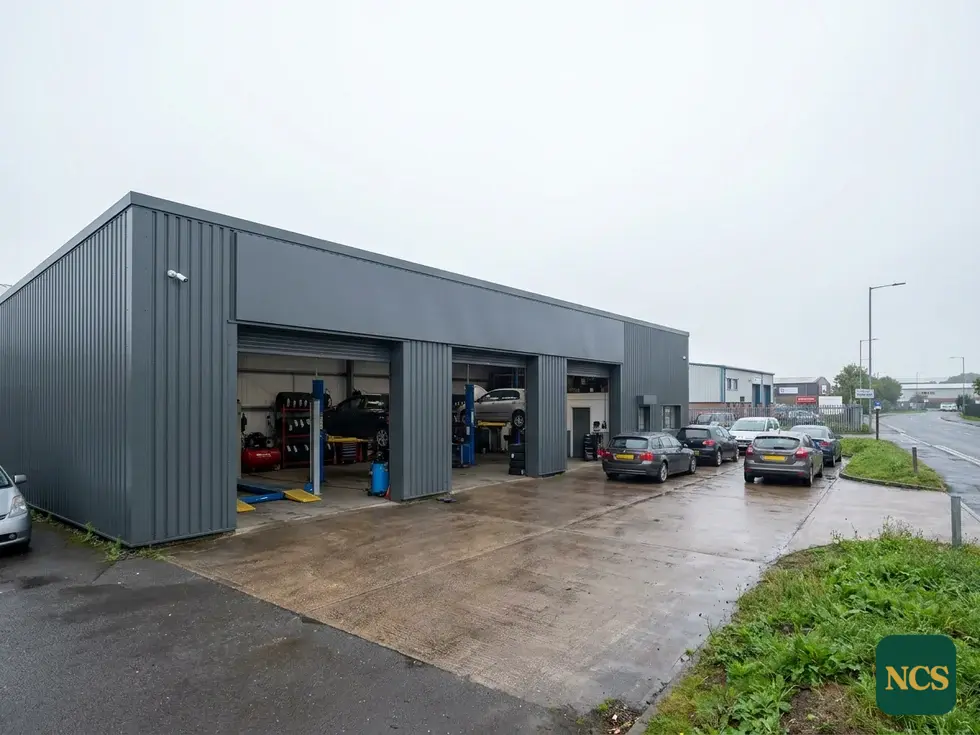
Keeping Bristol businesses trading through a cladding refurbishment
Our approach to cladding refurbishment is always about minimal impact on your operations. We know that for commercial, industrial and agricultural sites in Bristol, especially those with a tight turnaround or active production schedules related to the area’s historic aerospace or port industries, keeping the building in use is non-negotiable. Coating existing sound panels and structures means we avoid the lengthy strip-out, disposal, and reinstallation process of full re-sheeting. We work elevation by elevation, often out of hours or phased, so you can keep your doors open and your business moving. It’s about making your building last longer without bringing your site to a standstill.
Common building types we refurbish in the Bristol area
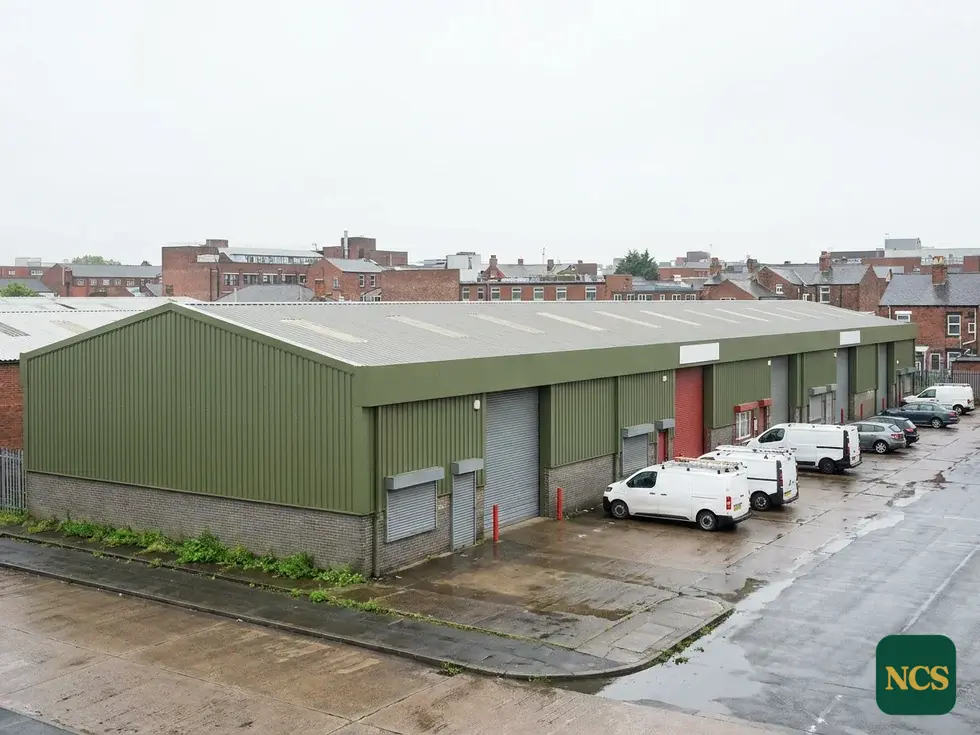
Across Bristol, the buildings we work on are familiar: warehouses, distribution units, trade counters, industrial estates, retail parks, leisure buildings and offices with curtain walling or panel infills. A lot of it is Plastisol-coated profiled steel from the 1980s onwards, often faded or chalking, with corrosion showing up at laps, sills and gutter lines. Shutter doors, fascias, soffits, window frames and rainwater goods usually get added to the schedule. We often do full colour changes with sprayed systems for rebrands or when new tenants move in. Schools, depots and self-storage sites use the same panel systems as industrial landlords, and our assessment doesn’t change just because of the name on the gate. We’re here to help these existing structures serve on for years to come.