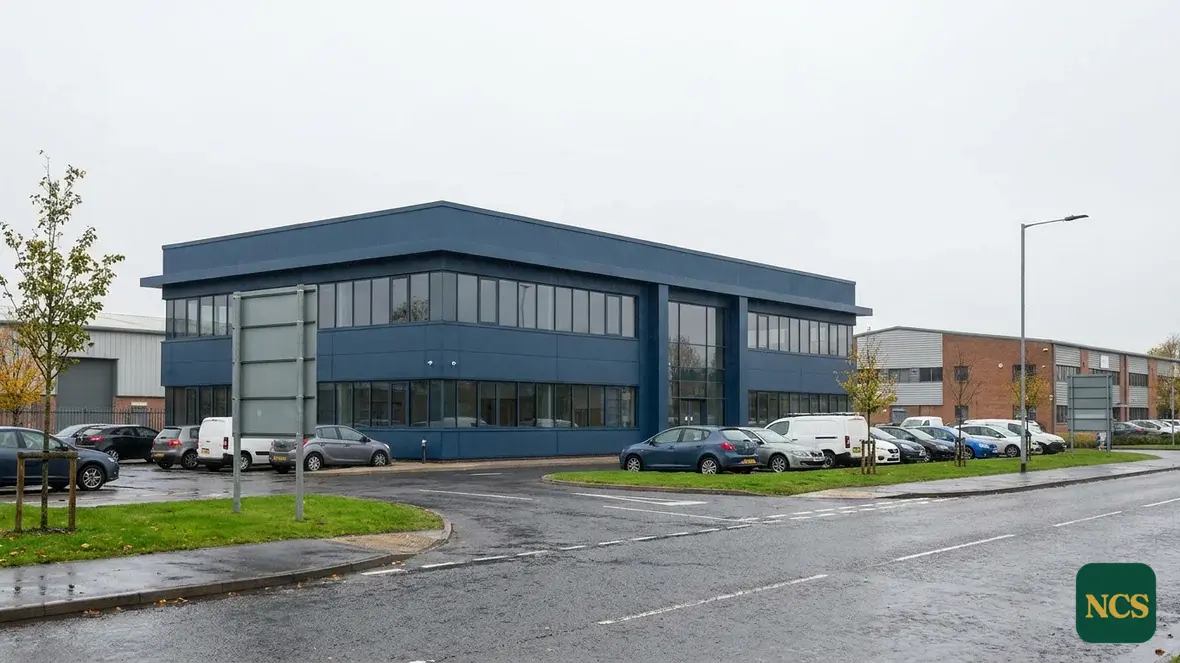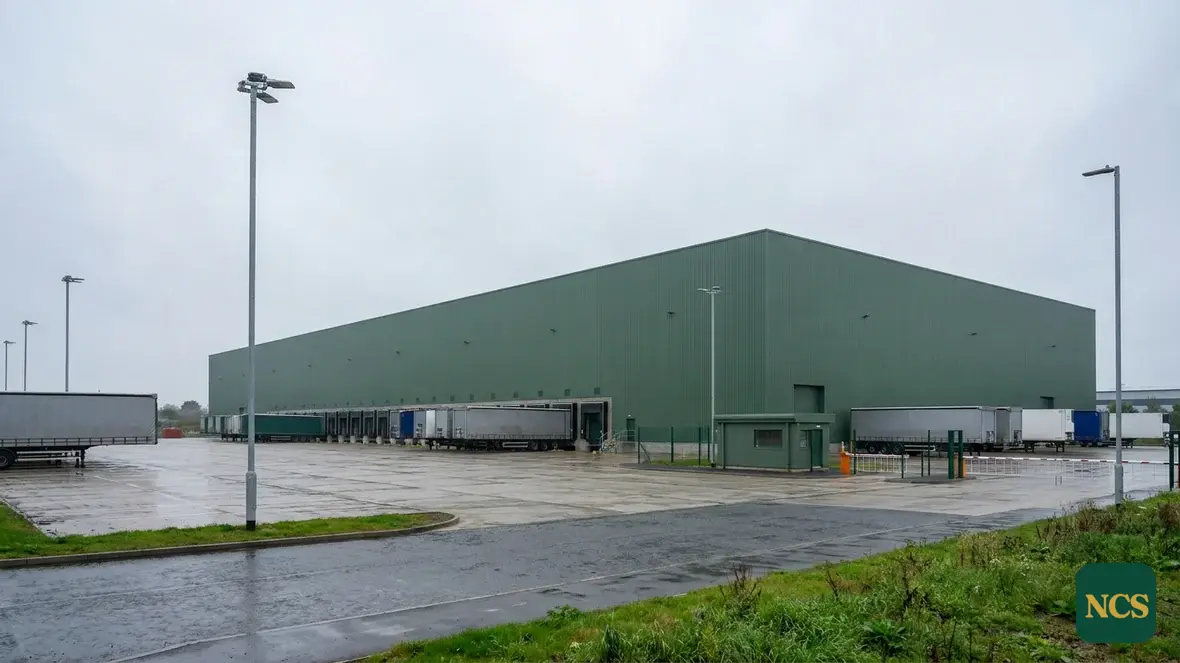
Wells sits between the Mendip Hills and the Somerset Levels, where damp air and driving rain test every roof and wall throughout the year. The small cathedral-city building stock that lines its streets and trading areas shows the effects in tired coatings, corroded edges and porous surfaces that let water find its way inside. Owners who need work done here usually start by searching for a contractor who inspects first rather than quoting from a photograph.
Local geography shapes the failures we see most often. The A39 corridor and surrounding lanes carry traffic past units that combine older stone or rendered elevations with newer profiled steel and fibre cement structures. Long wet periods leave little time for drying, so moss builds on shaded slopes, rust creeps under laps on steel roofs, and render cracks allow water to track behind the face.
Wells building stock and how the local weather ages it
The commercial and industrial buildings around Wells reflect the area’s working life rather than its tourist image. Trading estate units, food production sheds, workshops, storage premises and agricultural holdings all rely on profiled metal or fibre cement roofs, with stone, render or blockwork walls on the older stock. Wind-driven rain off the Mendips finds every failed joint and porous sheet, while condensation from housed stock attacks steel from the underside on many farm buildings. Failures tend to be moisture-driven: cut-edge corrosion on metal, porosity and brittleness on fibre cement, and blistering paint on rendered elevations.
These surfaces sit in a climate with long damp spells and short drying windows, so small defects compound quickly. A roof that showed only faint staining a season ago can develop lifted coating and wider rust within another winter if left alone. Walls on exposed gables take the same weather head on, and render that once protected the masonry now traps moisture behind cracks. The survey is where we separate buildings that still justify coating from those that need repairs or replacement first.
Commercial roof coating in Wells
The weather that rolls in over the Mendips isn’t kind to roofs around Wells. All that rain finds every failed lap and porous sheet on commercial buildings. That’s why commercial roof coating in Wells often comes down to timing: protect the roof while it’s still sound, or you’ll be paying for much bigger repairs later. A good coating system renews the weatherproof surface of a structurally sound roof, and it costs a lot less than replacing the whole thing. Put it on the wrong roof, though, and you’ve just wasted money on a problem the coating can’t touch. Our survey is how we tell those two situations apart, and it’s where every job in this part of Somerset starts.
As roof painters working across Wells and Somerset, we specify to the roof in front of us rather than repeating one system everywhere. Commercial roof coating work begins with a walked inspection of sheets, laps, fixings, flashings, rooflights and gutters, plus any internal signs of water ingress. From that evidence we set out the preparation needed, the right primer and finish for the substrate, and whether coating is the right step or whether repair or replacement makes more sense.
Commercial wall coating in Wells
Wells sits at the foot of the Mendips, and the weather lets buildings know it. That wind-driven rain off the hills, long damp spells and short drying windows give exterior walls in this part of Somerset a harder life than the postcard views suggest. Commercial wall coating in Wells is mostly a question of water management. We need to keep the rain out of the fabric while letting the moisture already inside the wall escape. Get that balance right and a building stays sound and presentable for years. Get it wrong, usually by sealing a damp wall behind the wrong product, and the result is worse than doing nothing at all.
If you have been searching for commercial painters in Wells, an airless-sprayed coating system usually outlasts a brush-and-roller repaint once the substrate has been properly repaired and primed. Commercial wall coating starts with a full survey that records substrate type, moisture readings, cracking patterns and the state of rainwater goods. We then write a specification that sequences preparation and repairs before any finish is applied, and we time the work to actual drying windows rather than a fixed calendar.
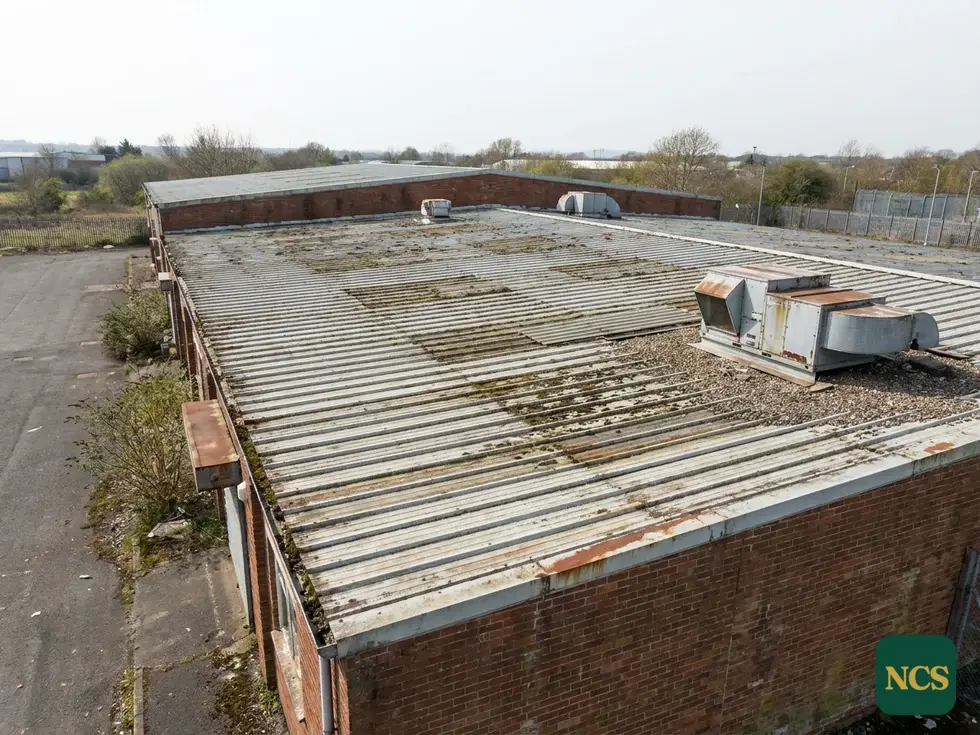
Cladding spraying in Wells
Wells might be Somerset’s smallest city, but the commercial buildings here are clad in the same profiled steel and composite panels we see everywhere else. They weather the same way too. Cladding spraying in Wells gives those buildings their colour and protection back without needing to replace the panels. We clean, prepare, and repair the existing cladding, then spray-coat it on site with a system chosen specifically for the substrate and how exposed it is. For building owners, that usually means the difference between a refurbishment that takes days and a full recladding project that stretches into weeks.
We’re survey-led by policy, not as a sales pitch, and cladding spraying or cladding painting follows the same order used on every other substrate. Cladding spraying begins with testing how well the existing finish is adhered, mapping corrosion and physical damage, and noting access constraints or operational limits inside the building. The specification then covers wash-down, edge treatment, repairs and the chosen coating system, with masking of glazing, signage and ground surfaces built into the plan.
Industrial roof coating in Wells
Wells is a small city with a working hinterland. We don’t see vast distribution sheds here, but a mix of units on small trading estates, agricultural buildings pressed into commercial service, and food and drink production facilities scattered across the surrounding countryside. Roofs are typically profiled metal or fibre cement, many of them thirty years old or more, and many showing the same pattern: sound structure, tired surface. We work across the UK from our South East base, and our approach is the same everywhere: survey first, recommend second, and only ever recommend roof coatings where the roof justifies one. For buildings of this age, that discipline matters more than any product brochure.
If you have been looking for industrial painting contractors who understand older industrial stock, we start every job the same way. Industrial roof coating requires a detailed inspection that records the condition of sheets, laps, fixings and any signs of internal moisture or structural movement. We then advise whether the roof is sound enough for coating, what preparation or localised repairs are needed first, and how the work can be phased so production or storage continues without interruption.
Cut edge corrosion treatment in Wells
Drive out of Wells in any direction and you’ll soon see them: steel-framed farm buildings, livestock sheds, grain stores. Many will have twenty or thirty-year-old profiled steel roofs. Look along the gutter line on those roofs and you’ll often spot a tell-tale rusty brown line where the sheets were cut to length. That’s cut edge corrosion. It’s one of the most common failures we see on coated steel roofs of this age, not just around Wells but across Britain. The end of a sheet is bare steel, so rust takes hold there first and works backwards underneath the coating.
Cut edge corrosion repairs around Wells stay small when they are caught early, and the survey maps every edge that needs treating before rust creeps further under the coating. Cut edge corrosion treatment is a contained process: prepare back to sound metal, apply rust-inhibiting primer, then seal with a reinforced flexible coating. Where the rest of the roof still has life, we can often treat the edges and recoat the full surface in a single programme so the job is done once rather than piecemeal.
Asbestos roof encapsulation in Wells
Wells might be famous for its cathedral, but the roofs we’re asked to look at here are usually nothing like it. We’re talking about the trading estates on the edge of town, the farm buildings dotted across the Somerset Levels, the workshops and storage units serving local businesses. A lot of these still have corrugated asbestos cement sheeting, most of it from the 1960s to 1980s. Decades of Somerset weather have left many of those roofs porous and leaking around fixings, yet the sheets themselves are often still sound. That difference decides whether encapsulation is possible or removal is required.
Encapsulation is a documented control measure under the Control of Asbestos Regulations, not a coat of paint over a problem. Asbestos roof encapsulation begins with a sheet-by-sheet survey that records condition, fixings and any signs of damage or movement. We then clean under controlled conditions, replace tired fixings, repair small defects and apply a purpose-made encapsulating system that binds the surface and sheds water again. If the roof is too damaged for this approach we say so and refer onward rather than apply a finish that cannot perform.
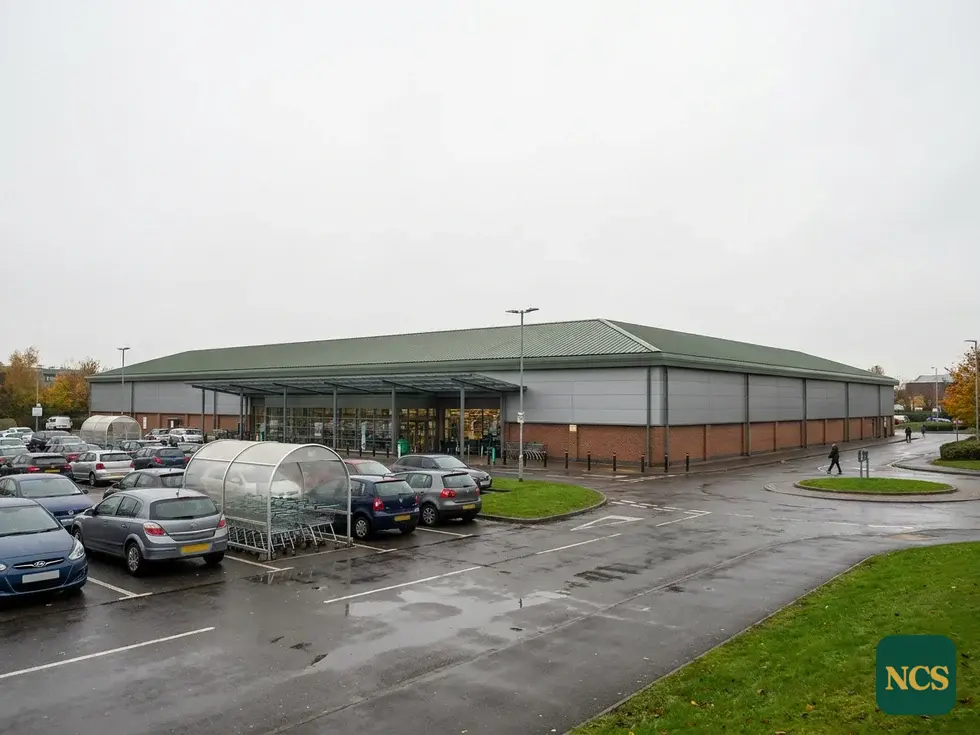
Agricultural building coating in Wells
Wells sits between the Mendip grazing above and the Somerset Levels below. The farming around here is mostly dairy and livestock, often on wet ground. That setting tells you a lot about the roofs we see. Damp air, wet ground, and housed stock all keep moisture working against the metal. The agricultural building stock is typical for the region: cubicle housing, parlours, fodder and general sheds, mostly profiled steel with some older fibre cement still in service.
Coating these buildings well around Wells starts with understanding that the wet is constant. Agricultural building coating never begins with a price; it begins with a survey that assesses laps, fixings, gutter lines, underside condensation and any moss or growth. We note whether fibre cement may contain asbestos and plan phased work around milking cycles and turnout so the operation keeps running. Where a roof has already reached the point that coating cannot deliver lasting results we say so plainly, because a failed finish costs more in the long run than honest advice at the start.
Coat, repair or replace across Wells
Our surveys end with a written verdict on the right course for that building, not a push towards coating. When sheets are perforated, insulation is saturated, render is cracking because of structural movement, or the roof has reached the end of its service life, we recommend repair or replacement instead. Coating only earns its place when the substrate remains sound, the defects are treatable, and the building has a future that justifies the spend. The report sets out the evidence and the reasoning so owners, landlords or insurers can make an informed decision rather than simply accepting the lowest figure.
This approach protects both the client and the finished work. A coating applied over unresolved faults will fail early, leaving the building no better off and the budget spent. A survey-led specification that includes “not yet” or “replacement is the better option” saves that outcome, even when it means we do not win the job that time.
Booking a coating survey in Wells
A survey is the only reliable starting point. Send us the address, a note of day-to-day use and any history of leaks or defects, and we will visit, photograph the detail, and report on whether coating, repair or replacement is the appropriate next step. The findings arrive in writing with no obligation to proceed, and the same process covers buildings across the surrounding area.
We work on the same terms in Glastonbury, Shepton Mallet, Frome and Bath. The county resources for property owners who manage multiple sites are available at the Somerset coating hub.