Guide
The Duty to Manage Asbestos: A Plain Guide for Property Owners
Most property owners only think about asbestos when a lender, insurer or buyer asks for the paperwork. By then the questions come quickly, and the honest answer is often that nobody has checked in years. This is where the duty to manage asbestos comes in: the law does not require you to strip everything out, but it does require you to know what you have and keep it under control.
What the duty to manage asbestos actually requires
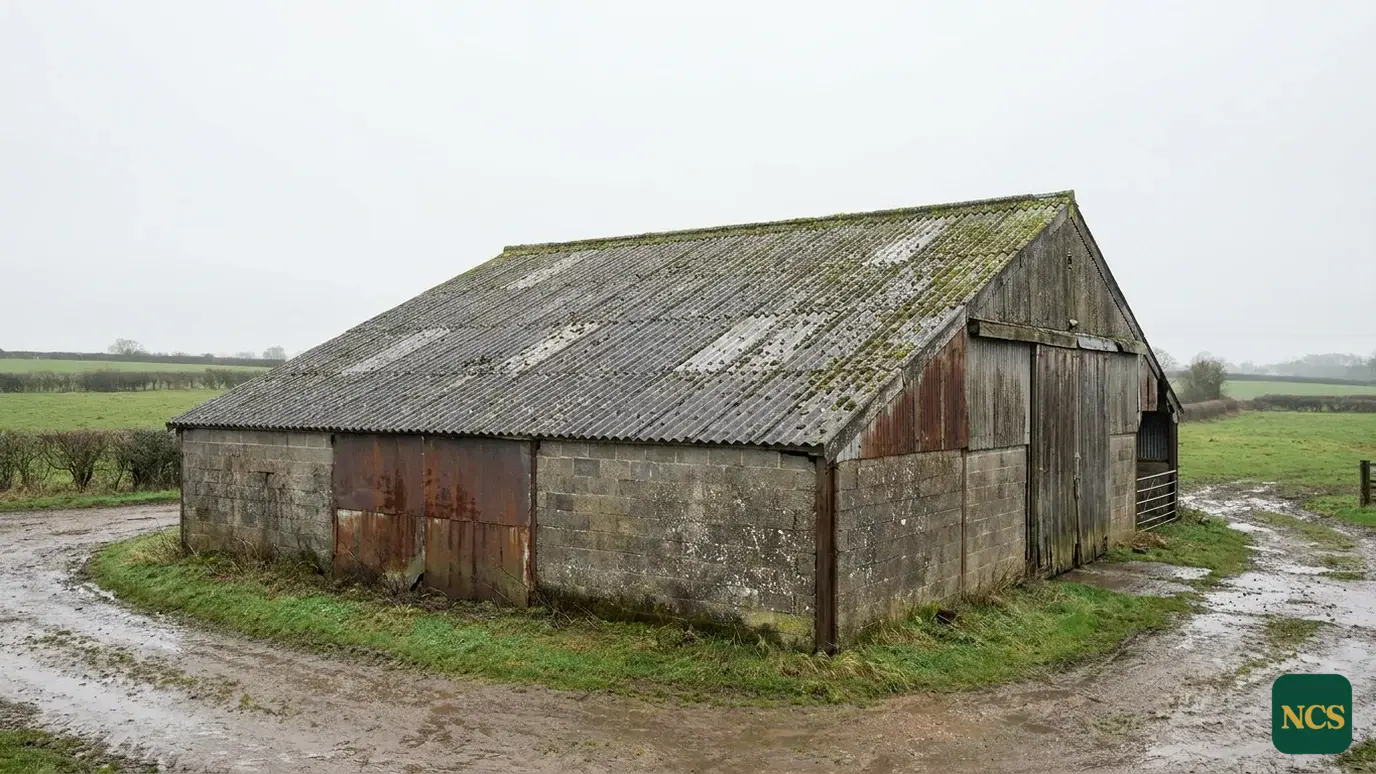
The duty sits in Regulation 4 of the Control of Asbestos Regulations 2012 (CAR 2012). In plain terms, if you are responsible for the maintenance or repair of non-domestic premises, you must find out whether asbestos is present, assume it is present where you cannot be sure, and manage the risk it poses. It applies to factories, warehouses, shops, offices, farm buildings and the common parts of blocks of flats. The regulation is about sensible control, not panic. Asbestos that is in good condition and left undisturbed is generally low risk. The danger comes when materials are damaged, drilled, cut or allowed to break down over time.
Who counts as the dutyholder
The dutyholder is whoever has responsibility for the building’s upkeep. Often that is the owner. Where there is a lease, it can be the tenant, the landlord or both, depending on what the lease says about repairs. If nobody has a clear repairing obligation, the duty falls on whoever controls the premises. Two things follow from this. First, read your lease before you assume the responsibility is someone else’s. Second, if you share a building, the parties are expected to co-operate so nothing falls through the gaps.
Identify, assess, record and manage
The practical work breaks into four steps, and they run in order.
- Identify: survey the building to locate materials that contain or may contain asbestos, or make a reasoned presumption where access is not possible.
- Assess: judge the condition of each material and how likely it is to be disturbed by normal use, maintenance or the weather.
- Record: put the findings into an asbestos register and a written management plan, with clear locations and photographs.
- Manage: act on the plan, keep the register up to date, label or monitor materials, and tell anyone who might disturb them.
None of this needs to be complicated, but it does need to be written down and reviewed. A plan that sits in a drawer and is never updated will not satisfy an inspector, and more importantly it will not protect the people working on your roof.
Why removal is not automatic
A common assumption is that finding asbestos means it must all come out. That is rarely the right call. Removal is disruptive, it creates airborne risk during the work, and it produces hazardous waste that has to be handled by a licensed contractor. For roofing and cladding in particular, taking sheets off can expose the building and disturb material that was otherwise stable. CAR 2012 does not demand removal. It asks you to control the risk by the most appropriate means. Where a material is in reasonable condition, leaving it in place and managing it is often the safer and more proportionate choice.
Where encapsulation fits
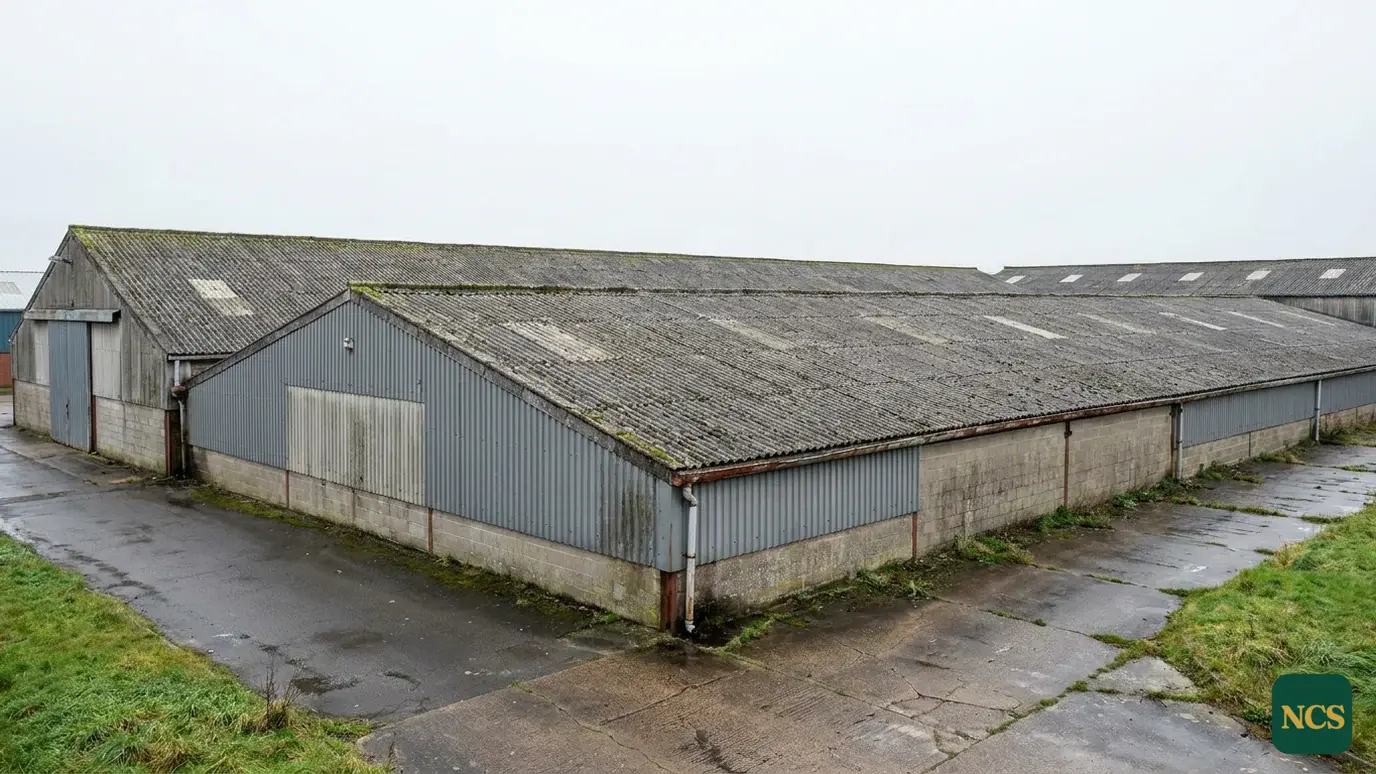
Encapsulation means treating and coating a material so its surface is sealed and the fibres are held in place. On asbestos cement roof sheets that are structurally sound but weathering, a coating system can slow further deterioration and reduce the chance of fibre release, while keeping the roof watertight. It is not a cure for everything. Sheets that are cracked, delaminating or failing at the fixings may be beyond coating, and that judgement should come from a survey rather than a photograph. Encapsulation is one tool among several, and it earns its place when the material is worth keeping and safe to work over.
Comparing the main options
The right route depends on the condition of the material, how the building is used, and how much disturbance you can accept. The table below sets out the honest trade-offs.
| Option | When it suits | Main consideration |
|---|---|---|
| Leave in place and manage | Material in good condition, undisturbed | Requires ongoing monitoring and a live register |
| Encapsulation coating | Sound sheets that are weathering but structurally intact | Not suitable for cracked or failing sheets |
| Over-cladding | Roofs needing thermal or watertight improvement | Adds load and must be assessed structurally |
| Licensed removal | Damaged, friable or end-of-life material | Most disruptive, produces hazardous waste |
- The duty applies to non-domestic premises and to the common parts of flats, and usually falls on the owner or whoever holds the repairing obligation.
- The four steps are identify, assess, record and manage, backed by a written register that is kept current.
- CAR 2012 does not require removal; it requires proportionate control of the risk.
- Encapsulation suits sound but weathering material, while damaged or friable material usually needs licensed removal.
Frequently asked questions
Does the duty to manage asbestos apply to my home? Not to a normal domestic house, but it does apply to the shared parts of blocks of flats, such as roofs, corridors and plant rooms.
Do I need a survey if I have no records? Yes. Where there is no reliable information, you must either survey or presume asbestos is present and manage accordingly. A survey is usually the clearer path.
Is encapsulation a permanent fix? No coating lasts forever. It manages sound material and needs to be inspected over time, which keeps it within your management plan rather than replacing it.
If you are weighing up how to control an ageing roof, our asbestos roof encapsulation service starts with a survey, and you can request a free quote to talk through your building.
Published by National Coating Specialists • survey-led commercial, industrial & agricultural coatings across the UK.
Accredited, insured & nationwide



Where we work
Sectors and buildings we coat
Survey-led coating, spraying and exterior refurbishment across commercial, industrial and agricultural property in the UK.
Get a free site survey, no obligation
One of our surveyors walks the building, photographs the condition and quotes only what it actually needs. Send us the details and we'll come back with a clear, practical route, not a hard sell.
Book your free site surveyWhat does your building need?
Pick the surface, then the problem. We will point you to the right service.