Guide
Early Signs of Cut-Edge Corrosion: What to Look For
Accredited, insured and audited



 IPAFPOWERED ACCESS TRAINED£10mPUBLIC LIABILITYIPAFPOWERED ACCESS TRAINED£10mPUBLIC LIABILITY
Cut-edge corrosion rarely announces itself. It begins as a faint orange smudge along the bottom edge of a roof sheet, easy to miss from the yard, and by the time rust streaks the cladding below it has usually been working away for twelve months or more. Knowing the early signs of cut edge corrosion is what separates a quick, low-cost treatment from a full sheet strip and replacement.
Why the edges fail before the sheet face
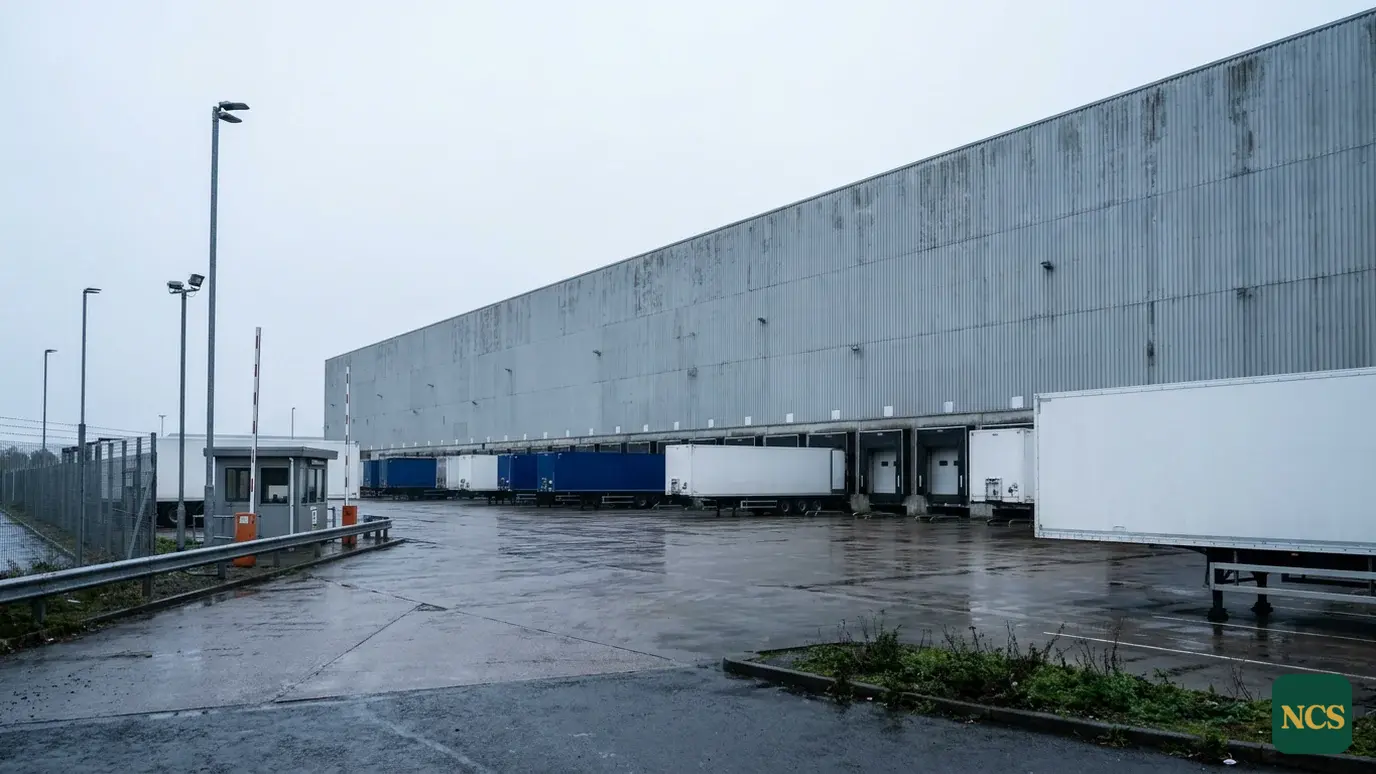
Coated steel roof sheets, whether plastisol or PVDF over galvanised steel, are well protected across their broad faces. The factory coating is applied to the flat metal before it is cut to size. The problem is the cut itself. Wherever a sheet is trimmed to length, the raw steel edge is left exposed with no coating over it.
The galvanised layer offers some sacrificial protection, but only for a few millimetres in from the edge. Rainwater sits on the exposed steel, debris traps moisture against it, and the coating slowly lifts as rust forms underneath. From there the corrosion creeps back along the sheet, lifting more coating as it goes. This is why a roof can look sound across its main surface while the edges are quietly failing.
Where to look first
You do not need to walk every sheet to spot trouble. The same handful of places fail first on almost every roof. Start at the eaves, where the sheet ends overhang the gutter. This is the most exposed cut edge on the building and it takes the most water. Move to the side and end laps, where two sheets overlap and moisture is drawn in by capillary action. Then check the valley gutters, rooflight surrounds, and any flashing details. These are the low points where water lingers and dirt collects, and they corrode long before the open field of the roof does.
The early signs of cut edge corrosion
Caught early, the signs are subtle but consistent. Rust staining is usually the first thing to show, a brown or orange bleed running down from the sheet end or lap onto the surface below. Next comes bubbling or blistering in the paint film, often in a line following the gutter or the cut edge, where rust is pushing the coating away from the steel.
You may see the coating starting to flake or curl back at the very edge, revealing a dull grey or brown line of bare metal. None of this needs a red, flaking mass of rust to count as a warning. The following points are what our surveyors check for on a first walkover.
- Orange or brown rust staining bleeding down from sheet ends and overlaps
- Bubbling or blistering paint running in a line along the gutter edges
- Coating lifting, flaking or curling back at the cut edge
- A dull grey or rusty line of exposed steel where the coating has gone
- Debris and moss packed into laps and behind gutters, holding moisture against the metal
- Rust marks on the cladding or walls directly below the roof edge
How the damage progresses
Cut-edge corrosion moves through recognisable stages, and the stage it has reached decides how much work is needed to put it right. The table below sets out what you tend to see at each point and what treatment usually follows.
| Stage | What you see | Where it shows | Treatment implication |
|---|---|---|---|
| Early staining | Faint rust bleed, no coating damage | Sheet ends and laps | Clean and monitor, light treatment |
| Bubbling coating | Blisters and lifting paint | Along gutter lines | Wire back, prepare and coat the edge |
| Active red rust | Flaking rust, exposed steel | Eaves and valleys | Full edge preparation and coating |
| Deep pitting | Thinning, pitted metal | Worst-exposed edges | Extensive treatment, possible reinforcement |
| Perforation | Holes, daylight through the sheet | Long-neglected edges | Sheet or panel replacement |
Why catching it early keeps treatment simple
The reason early identification matters is cost and disruption. At the staining and light bubbling stage, treatment is straightforward. The edges are cleaned back to sound metal, prepared, and coated so water can no longer reach the steel. It is external work, done off access equipment, with no need to disturb the building below. Leave it until the steel has pitted or perforated and the picture changes. Corroded sections may need cutting out and replacing, gutters may have to come off, and what began as edge maintenance turns into a sheet replacement project. The metal does not repair itself, and every wet season moves it further along the table above.
- Cut-edge corrosion starts at the exposed cut edges of steel sheets, not the protected face
- Look first at eaves, side and end laps, valley gutters and rooflights
- Rust staining and bubbling paint along gutter lines are the earliest visible warnings
- Treating it early keeps the work to cleaning and recoating rather than replacement
Common questions
Is cut-edge corrosion the same as general roof rust? No. It specifically affects the exposed cut edges of coated steel sheets, not the protected sheet face, which is why it always begins at ends, laps and gutters.
Can I just paint over the rust myself? Painting over active rust traps moisture and the corrosion carries on underneath. The edge has to be cleaned back to sound metal and properly prepared before any coating goes on.
How quickly does it spread? It varies with exposure and the age of the coating, but once the coating has lifted the bare steel corrodes steadily, which is why early treatment is far simpler than waiting.
When should I book a survey? As soon as you see staining or bubbling along the sheet edges. Identifying it early keeps the treatment light and external.
If you have spotted any of these signs, our cut-edge corrosion treatment service starts with a proper roof-level survey, and you can request a free quote to book one.
All access and roof work is planned in line with HSE work-at-height guidance.
Published by National Coating Specialists • survey-led commercial, industrial & agricultural coatings across the UK.
Client feedback
What clients say about our work
Get a free site survey, no obligation
One of our surveyors walks the building, photographs the condition and quotes only what it actually needs. Send us the details and we'll come back with a clear, practical route, not a hard sell.
Book your free site surveyCommercial & industrial coating systems we specify
Always specified to the substrate and exposure after a free site survey
Where we work
Sectors and buildings we coat
Survey-led coating, spraying and exterior refurbishment across commercial, industrial and agricultural property in the UK.
Why choose NCS
Why businesses trust National Coating Specialists
Recent work
Recent projects, documented survey to handover
Accredited, insured and audited
IPAFPOWERED ACCESS TRAINED£10mPUBLIC LIABILITYIPAFPOWERED ACCESS TRAINED£10mPUBLIC LIABILITYWhat does your building need?
Pick the surface, then the problem. We will point you to the right service.