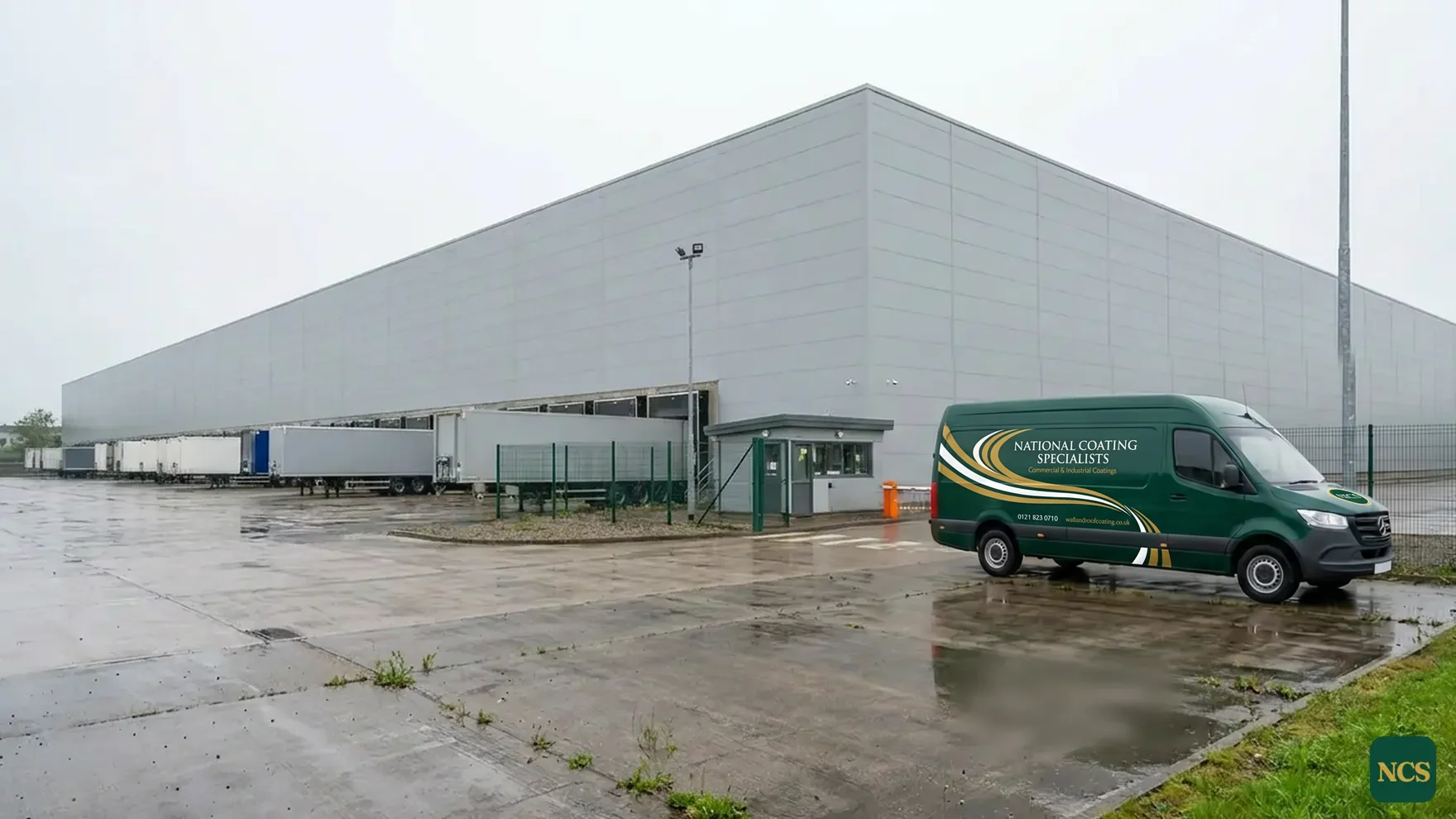
End Lap & Mid Lap Corrosion Treatment
Accredited, insured and audited



 IPAFPOWERED ACCESS TRAINED£10mPUBLIC LIABILITYIPAFPOWERED ACCESS TRAINED£10mPUBLIC LIABILITY
What end lap and mid lap corrosion is and why sheet overlaps fail first
End lap corrosion develops where adjoining profiled metal roof sheets overlap along the roof slope. The overlap is intended to shed rainwater, but moisture can be drawn into the joint by capillary action or held there by ageing sealant, debris and surface contamination. Because the concealed faces dry more slowly than the exposed roof, corrosion can progress within the lap before the full extent is visible.
End laps are found where the end of an upslope sheet covers the end of the sheet below. Mid laps are similar joints positioned within a roof slope rather than at the eaves or ridge. Their condition depends on the sheet profile, roof pitch, joint detailing, sealant condition, fixing arrangement and the integrity of the original protective finish.
The overlap creates a narrow, sheltered environment. Water, salts and airborne pollutants can remain trapped against vulnerable sheet edges. As the factory finish deteriorates, corrosion begins at exposed steel and works beneath the surrounding coating. Expansion of the corrosion products can then lift paint, disturb sealant and place further stress on the joint.
We do not assume that visible staining represents the full defect. We inspect the joint, the sheet ends, nearby fixings and the surrounding profile. Our advice is based on whether the metal remains sound enough to prepare, seal and coat, or whether deterioration has gone too far for a coating repair to be responsible.
Where it shows on a profiled metal roof: laps, fixings and sheet ends
Visible signs around the lap
Typical signs include rust staining across the sheet profile, blistered coating, flaking paint and a dark line following the overlap. The sheet edge may feel rough or appear swollen as corrosion forms beneath the coating. In more advanced areas, the upper sheet can begin to lift away from the lower sheet, leaving the joint open to further water entry.
End lap corrosion does not always appear evenly across the roof. It may be concentrated in profile valleys where water and dirt collect, or around sections exposed to persistent runoff. Rooflights, penetrations, gutters, ducts and changes in roof geometry can alter drainage patterns and create local areas of prolonged wetting.
Fixings and sealant
Fixings near a lap can provide useful evidence. Rust around a fixing head, a perished washer, movement in the sheet or distortion around the fixing position may indicate that water has reached the joint. Loose or overdriven fixings can also affect how firmly the sheets are clamped together.
Failed sealant may appear cracked, brittle, displaced or detached from the metal. Adding more sealant over a corroded, contaminated joint rarely addresses the underlying problem. We establish whether the defect is limited to accessible surfaces or continues inside the overlap, where preparation and repair become more demanding.
End lap corrosion vs cut edge corrosion: telling them apart
Cut edge corrosion begins at an exposed sheet edge where the protective coating has become thin, damaged or detached. It is commonly seen at eaves, around rooflight perimeters and along other exposed cuts. Lap corrosion occurs within or immediately around an overlapping joint, where moisture can remain concealed between adjoining sheets.
The distinction matters because the repair detail is different. An exposed cut edge can usually be accessed directly for preparation and coating. A corroded lap may need to be opened sufficiently to remove loose material, clean the joint and restore a sealed interface. Treating only the visible rust line can leave active corrosion concealed beneath the overlap.
Some roofs have related defects in the same area. Corrosion may begin at a sheet end and continue beneath the lap, while nearby exposed edges show separate coating failure. We record these as distinct conditions so that the proposed work reflects the actual routes of deterioration. Our guide to cut edge corrosion treatment explains the approach used for accessible sheet edges.
Treating lap corrosion: preparation, sealing and coating the joint
Cleaning and assessment
Effective treatment starts with controlled preparation. The roof surface must be cleaned so that dirt, biological growth, chalking and loose coating do not mask the condition of the metal. Corroded areas are then prepared back to a sound, stable substrate using methods appropriate to the roof sheet and the surrounding finish.
Preparation is not simply cosmetic. Loose rust, failed paint and degraded sealant must be removed wherever access allows. The joint is checked for thinning, perforation, movement and loss of profile strength. If the remaining metal is suitable for treatment, prepared areas receive a compatible corrosion-control coating before the lap is resealed.
Reforming and sealing the joint
Where the sheet remains serviceable, the overlap may be carefully resecured and sealed using a detail suited to the profile and joint condition. The seal must follow the contours of the roof rather than bridging loosely across them. Voids, lifted sheet edges and poorly seated fixings can undermine an otherwise neat-looking repair.
A reinforced coating detail may then be applied across the prepared joint to accommodate the profile and help maintain a continuous weather-resistant surface. The surrounding roof coating must be sound, clean and compatible with the proposed system. We also consider drainage, likely movement and the possibility of moisture entering from farther upslope.
Treating end lap corrosion properly therefore involves more than painting over rust. The repair depends on access to the affected metal, disciplined preparation, stable sheet edges, suitable sealing and a coating build that follows the roof profile without leaving weak points.
When lap corrosion means sheet replacement instead of treatment
Coating treatment is appropriate only where there is enough sound metal to support the repair. If the sheet has perforated, become severely thinned or lost its shape around the lap, sealing over the area can conceal weakness without restoring the substrate. Widespread delamination within the overlap can also make thorough preparation impractical.
We may recommend replacement where the joint cannot be stabilised, where corrosion extends deeply beneath inaccessible sheet surfaces, or where fixings no longer hold securely in sound material. Persistent water entry from failed roof detailing may also need correction before any local coating work can be considered dependable.
Replacement does not automatically mean renewing the whole roof. Depending on access, construction and the distribution of defects, the responsible approach may involve replacing a single sheet or a defined group of affected sheets while retaining serviceable areas. Equally, isolated rust staining does not automatically justify replacement if investigation shows that the substrate remains sound.
We explain the distinction clearly. If treatment is viable, we set out the preparation and sealing required. If the metal is no longer suitable for a coating-led repair, we say so rather than specifying work that cannot address the underlying condition.
The survey: how we map every affected lap before quoting
Roof-level inspection
We begin by reviewing safe access, roof construction, drainage routes and visible defect patterns. From roof level, we inspect the laps across each accessible slope rather than concentrating only on the most obvious stained area. The position and severity of defects are recorded against roof features so that affected joints can be located again during any subsequent work.
We examine coating adhesion, rust spread, sheet-edge condition, sealant failure, fixing security and signs of movement. Particular attention is given to profile valleys, runoff paths, rooflight surrounds and areas beneath discharges or adjacent structures. Where suitable access is available, we also look for underside staining, damp insulation or daylight through perforated metal.
Clear repair-or-replace advice
Our survey findings separate laps suitable for preparation and coating from areas requiring closer opening-up or sheet replacement. We also identify related defects that could compromise the repair, such as blocked drainage, failed flashings, damaged rooflights or uncontrolled water discharge. This produces a defined scope based on observed condition rather than a blanket assumption about the roof.
We provide honest advice on what can be retained, what needs treatment and what should be replaced. To discuss a roof showing rusted overlaps, lifted sheet ends or failing lap sealant, book a free site survey. The visit is free and carries no obligation.
Common questions about end lap corrosion
What causes end lap corrosion on a metal roof?
End lap corrosion develops where overlapping roof sheets retain moisture, dirt and salts. Water can enter the lap by capillary action or through failed seals and fixings. Because the concealed surfaces dry slowly, corrosion may progress within the overlap before it becomes obvious from above.
Can end lap corrosion be repaired without replacing the roof sheets?
Often, yes. Where the sheets remain structurally sound, we can remove accessible corrosion, prepare the metal and apply a reinforced coating detail across the lap. If the steel is perforated, badly thinned or no longer capable of supporting a durable repair, local sheet replacement may be the more appropriate course.
How can I tell whether corrosion is present beneath an overlap?
Typical signs include rust staining, lifting coatings, blistering, split sealant and an uneven or swollen lap edge. Water marks inside the building may also point to a defective joint, although leaks can travel away from their source. We inspect the full lap rather than relying on the most visible patch.
What is the difference between end lap and mid lap corrosion?
End laps occur where one sheet overlaps another along the roof slope. The term mid lap is commonly used for the same type of transverse joint when it sits part-way down a roof run. Both are vulnerable to retained moisture and require similar preparation, assessment and reinforced detailing.
Will painting over end lap corrosion stop it?
No. A surface coat applied over rust, loose material or a moving lap is unlikely to address the underlying defect. Effective end lap corrosion treatment depends on sound preparation, suitable detailing at the joint and a continuous coating applied to a stable substrate.
How we prepare and detail a corroded roof lap
We establish the extent of deterioration
We first examine the lap edge, surrounding coating, fixings and adjacent sheet profile. Particular attention is given to perforation, loss of metal thickness and movement between sheets. This determines whether the area is suitable for coating treatment or requires more substantial repair.
We remove contamination and unstable material
The surface must be clean, dry and firm. We remove dirt, biological growth, loose coating and accessible corrosion using methods appropriate to the sheet condition. Preparation is extended beyond the visible rust so that the repair does not finish on a weak or poorly bonded edge.
We address gaps and movement at the joint
A lap cannot be detailed reliably if it is loose, distorted or holding standing water. We correct defective fastening where appropriate and prepare the joint so that the treatment can follow the roof profile without bridging unsupported gaps. We also avoid sealing moisture into an overlap that has not dried.
We reinforce the vulnerable lap line
Once the prepared metal has received the required corrosion-control treatment, we form a reinforced detail across the lap. The reinforcement is worked into the coating without folds, voids or dry areas, with particular care around crowns, troughs and changes in profile.
We maintain coating continuity
The completed detail must connect properly with the surrounding roof coating. We check edges, fixings and profile transitions for pinholes, exposed reinforcement and insufficient coverage. End lap corrosion treatment is most dependable when the joint is treated as part of the wider roof surface rather than as an isolated strip of rust.
Client feedback
What clients say about our work
Get a free site survey, no obligation
One of our surveyors walks the building, photographs the condition and quotes only what it actually needs. Send us the details and we'll come back with a clear, practical route, not a hard sell.
Book your free site surveyCommercial & industrial coating systems we specify
Always specified to the substrate and exposure after a free site survey
Why choose NCS
Why businesses trust National Coating Specialists
Where we work
Sectors and buildings we coat
Survey-led coating, spraying and exterior refurbishment across commercial, industrial and agricultural property in the UK.
Recent work
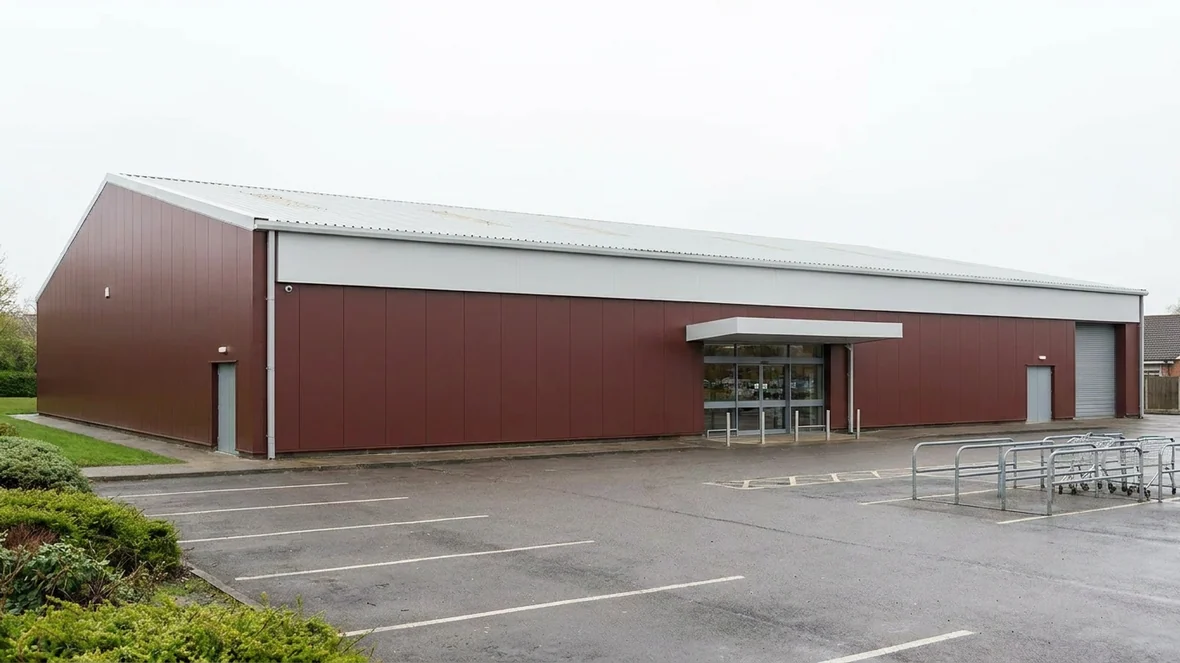
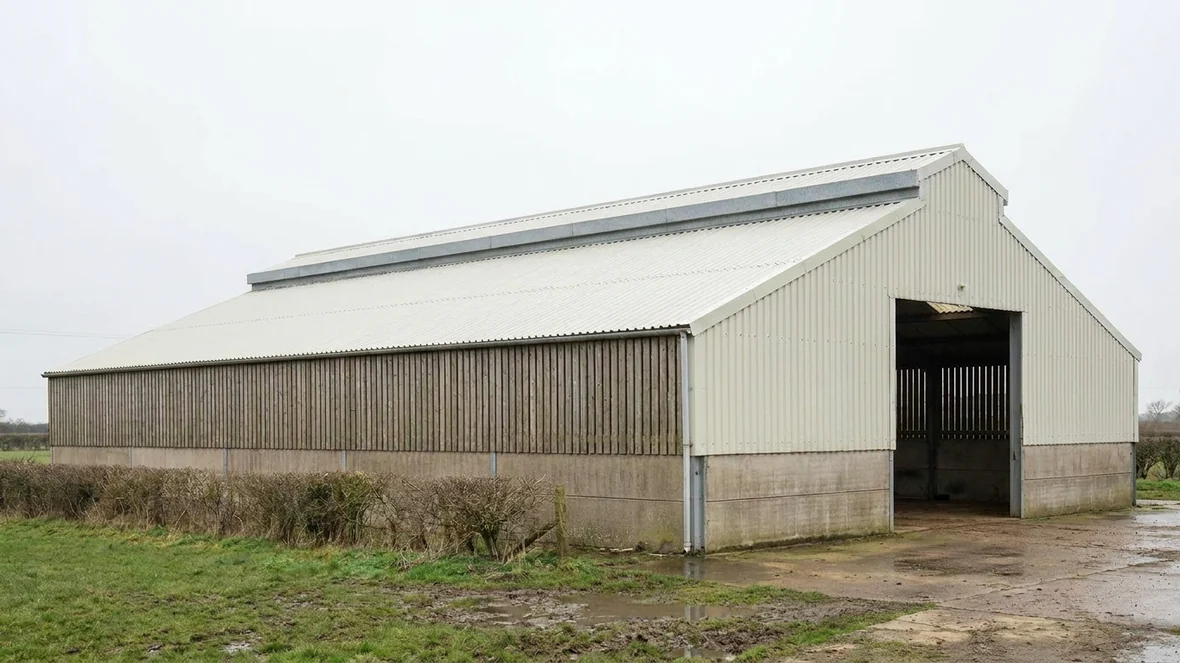
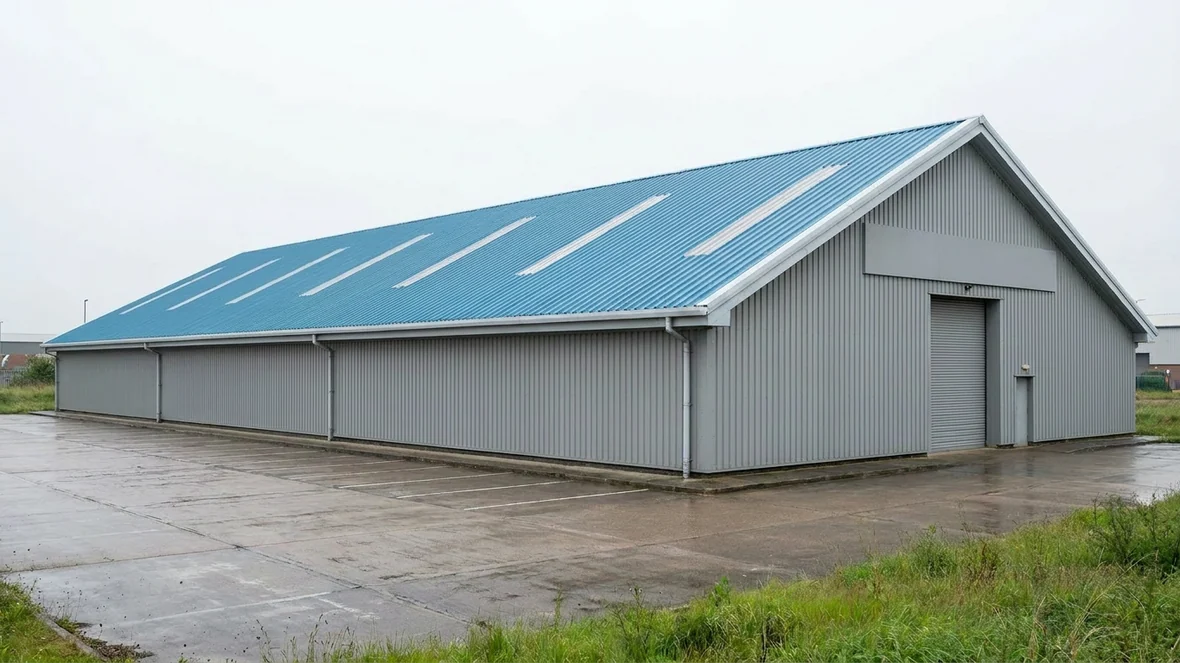
Recent projects, documented survey to handover
Book a free, no-obligation site survey
We coat and refurbish commercial, industrial and agricultural roofs and walls in place, right across the UK. Tell us about your building and we’ll arrange a survey at a time that suits you.
Accredited, insured and audited
IPAFPOWERED ACCESS TRAINED£10mPUBLIC LIABILITYIPAFPOWERED ACCESS TRAINED£10mPUBLIC LIABILITYWhat does your building need?
Pick the surface, then the problem. We will point you to the right service.