



Why food production building cladding degrades
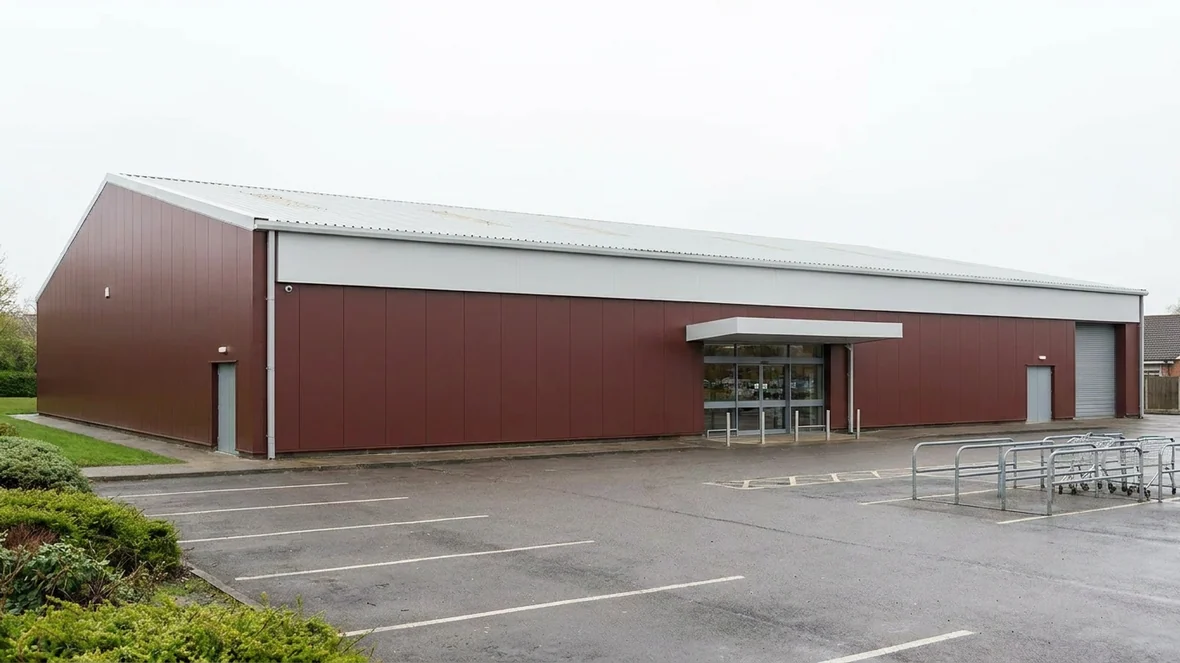
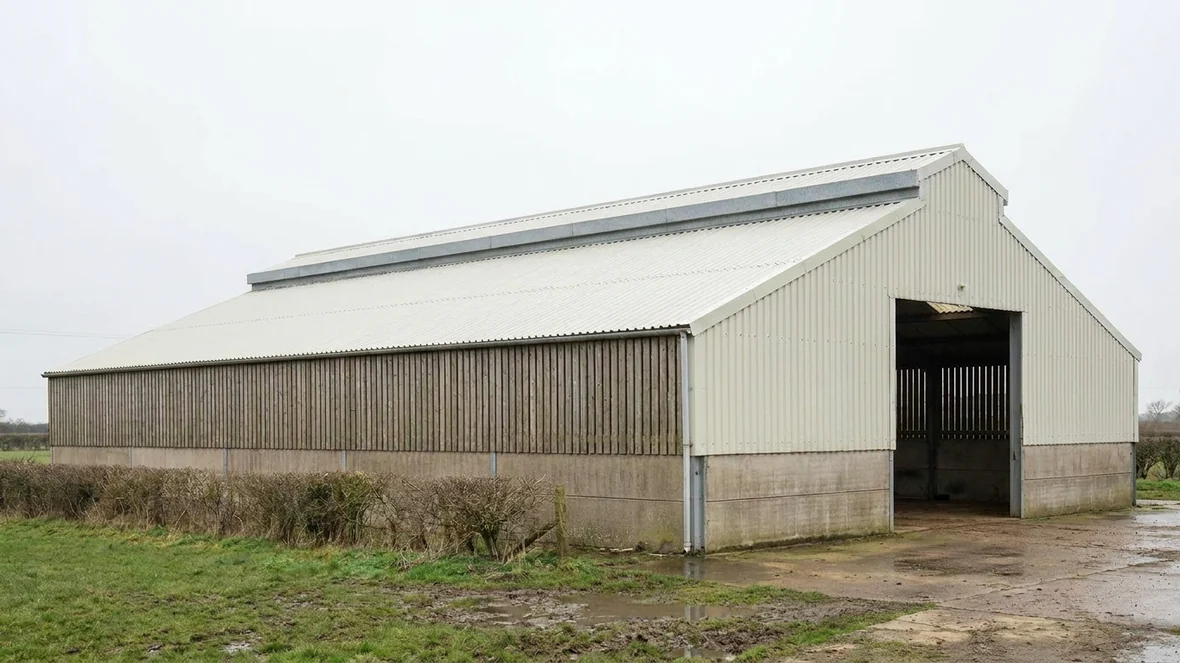
Food factory cladding spraying needs to account for the more aggressive weathering these walls and roofs endure compared with typical commercial buildings. Daily high-pressure washdowns with disinfectants gradually degrade protective coatings, while constant temperature cycling between chilled production areas and external conditions accelerates wear. The result is fading, chalking and staining that compromises both appearance and the cladding’s protective qualities.
In dairy and meat processing plants, fatty residues combine with cleaning chemicals to form stubborn surface deposits. These interact with plastisol coatings over time, causing premature breakdown. Bakeries face additional challenges from flour dust accumulation in panel profiles, which traps moisture against the metal substrate.
The building stock needing attention
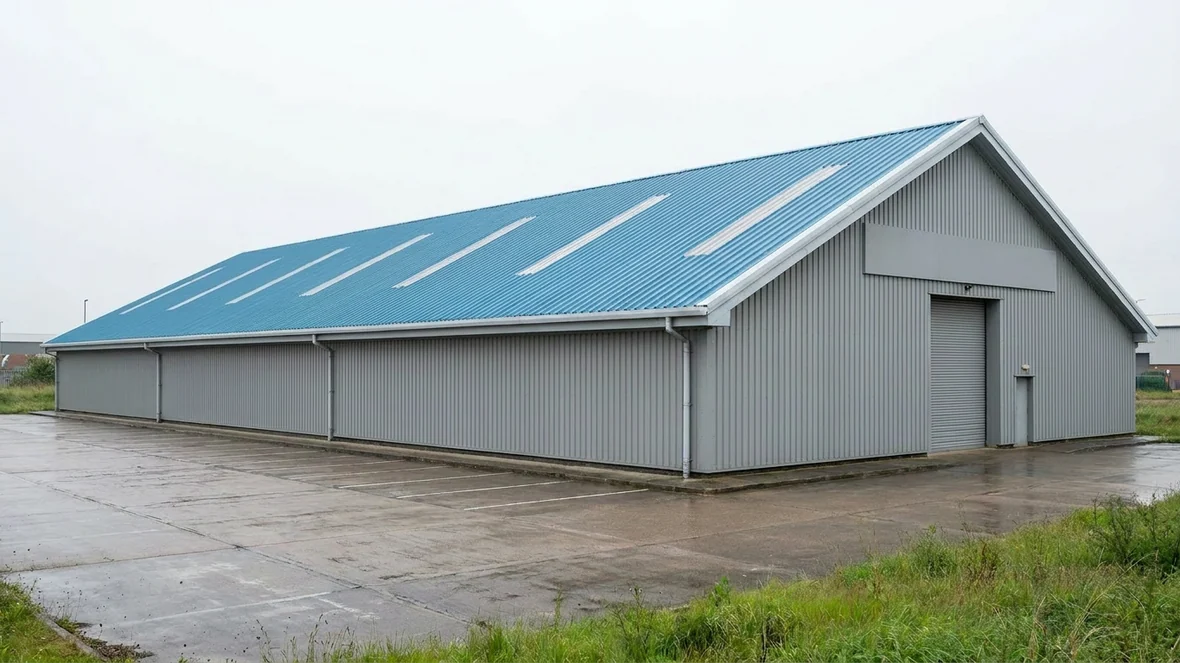
Most UK food production facilities built between the late nineteen eighties and early two thousands feature composite chilled panels with steel skins. These typically carried plastisol coatings rated for fifteen to twenty years – many now well beyond their intended lifespan. Roofs on these buildings usually combine profiled steel sheets with roof-mounted refrigeration plant, presenting complex geometries for recoating work.
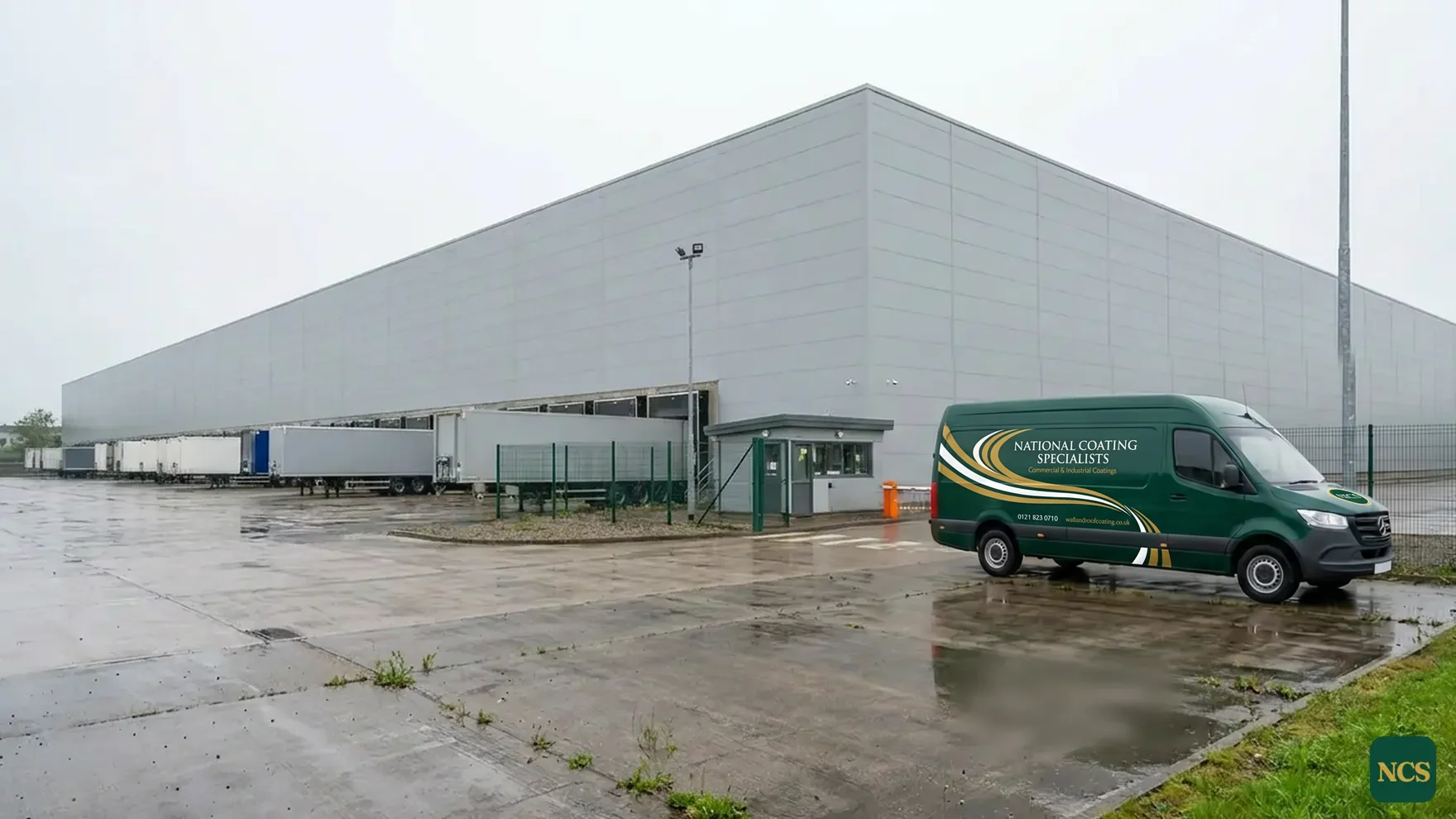
The smooth surfaces of food factory wall panels were originally chosen for hygiene reasons, but their large uninterrupted areas show weathering and coating failure clearly. Older buildings often exhibit edge corrosion starting at panel joints, where repeated thermal movement has stressed the coating system. Roofs suffer additional mechanical wear from maintenance access and equipment servicing.
Food factory cladding spraying is cladding painting and respraying done properly: panels washed back, edges treated, then a sprayed coating matched to the original finish.
How food factory cladding spraying works
Specialist spraying applies fresh protective coatings directly over existing cladding without panel removal. The process begins with surface preparation using methods compatible with food production environments – typically low-pressure washing and chemical degreasing rather than abrasive techniques that could contaminate production areas.
Application uses airless spray equipment to build a new coating system in multiple thin layers. This achieves complete coverage of complex roof geometries and panel profiles while maintaining the smooth, cleanable surfaces hygiene audits demand. The finish matches the original appearance but with modern coating chemistry better suited to current washdown regimes.
Cut edges, fixings and panel repairs
In food production environments, the integrity of wall and roof panels is critical. Cut edges and fastener points are the first areas to degrade, as repeated washdowns penetrate unprotected metal cores. Our surveys consistently find corrosion starting at these vulnerable points, often hidden behind cladding until leaks or contamination risks emerge. Panel repairs must use materials compatible with food-grade washdown chemicals, avoiding products that could react or leach over time.
For profiled steel roofs, the focus shifts to fastener seals and lap joints. These are high-risk areas where standard sealants fail under thermal cycling and chemical exposure. The right repair approach depends on the roof profile and panel thickness, which is why we document every detail during the survey.
- Seal cut edges with food-grade coatings that bond to both metal and composite substrates
- Replace standard fasteners with chemical-resistant variants where washdown occurs
- Address hidden corrosion behind panels before it breaches hygiene barriers
- Use non-tainting materials near production lines and storage areas
- Match repair thickness to existing panels to maintain thermal performance
Working around production constraints
Food factories cannot simply shut down for coating work. Our planning starts with understanding your production cycles, deep-clean schedules and audit windows. Work is phased to align with natural breaks, avoiding peak production periods or hygiene-critical zones when active. For cold stores, we coordinate with your temperature logging to prevent thermal bridging during application.
Contamination control dictates every step. We isolate work areas with physical barriers, not just sheeting, and use low-odour products that won’t trigger air quality alarms. Equipment is cleaned before entry, with no tools stored onsite between shifts. These protocols come from years of surveying food sector buildings, not generic best practice.
Why the survey comes first
Specifying coatings without a site survey risks two failures: wrong products for your substrates, or methods that disrupt operations. We document the exact panel types, joint details and washdown regimes first. This avoids later discoveries of incompatible materials or access constraints that force costly changes.
A proper survey also maps airflow patterns, condensation risks and temperature differentials unique to food plants. What works on a warehouse roof may fail on a chilled processing area. The goal is a solution that lasts between your major shutdowns, not just until the next audit.
Getting a straight answer
Our cladding spraying page covers the system side in more depth, and the food production page shows how we work across the sector. The practical next step is a free site survey, which costs nothing and commits you to nothing.
All access and roof work is planned in line with HSE work-at-height guidance.
Common questions about food factory cladding spraying
Can food factory cladding be sprayed while the site remains operational?
Often, yes. We plan the work around production schedules, vehicle movements, air intakes and sensitive external areas. Spray zones need controlled access, while ventilation openings, doors and nearby equipment may require temporary masking or isolation. Where normal operations would compromise safety or coating quality, work may need to take place during shutdown periods.
How do you prevent overspray around a food factory?
Overspray control starts with planning rather than relying on masking alone. We assess wind direction, neighbouring buildings, parked vehicles, loading areas and air-handling equipment before work begins. Suitable sheeting, screening and exclusion zones are then used as required. Spraying is paused when weather conditions make control unreliable.
Can you spray over peeling or faded cladding?
Fading is generally a cosmetic issue, but peeling, corrosion and failed previous coatings require proper preparation. We remove unsound material, treat affected areas and prepare the existing surface to provide a suitable key. Spraying directly over loose coating merely conceals the defect for a short time and is not a sound specification.
Does cladding need to be cleaned before spraying?
Yes. Food production sites can accumulate grease, traffic film, biological growth and airborne deposits, even on elevations well away from processing areas. The cladding must be thoroughly cleaned and allowed to dry. Particular attention is given to laps, fixings, gutters, door surrounds and sheltered areas where contamination tends to remain.
Will food factory cladding spraying stop water leaks?
Not by itself. A coating can protect and improve sound cladding, but it should not be treated as a substitute for roofing or cladding repairs. Failed seals, loose fixings, damaged sheets, defective flashings and leaking gutters need to be identified separately. We distinguish between a coating problem and a building-envelope defect before recommending work.
Food factory cladding coating or replacement?
Coating is usually worth considering when the existing sheets remain structurally sound but their factory finish has faded, chalked or begun to break down. It retains the serviceable cladding, limits disruption and can restore a consistent protective finish without removing large areas of the building envelope.
It is not always the right answer. Replacement wins when sheets are extensively corroded, perforated, badly distorted or no longer securely fixed. It may also be preferable where the wall or roof build-up requires upgrading, hidden moisture has damaged the assembly, insulation performance is inadequate, or repeated leaks arise from the cladding design rather than its surface finish.
Localised replacement and wider coating can sometimes be combined. Damaged sheets, flashings and fixings are renewed first, with sound surrounding cladding then prepared and coated. This can be a practical approach where deterioration is confined to vulnerable edges or isolated elevations.
We base the distinction on condition rather than appearance. Coating sound cladding is sensible maintenance; coating material that has reached the end of its useful service life is false economy. A survey should establish adhesion, corrosion, substrate condition and the extent of previous repairs before either route is specified.
Preparation and detailing around laps, fixings and openings
The broad faces of cladding are relatively straightforward. The quality of food factory cladding spraying is more often decided at edges, junctions and penetrations, where water, dirt and previous coating failures tend to concentrate.
-
Sheet laps: We clean and inspect laps carefully, removing loose coating and corrosion products without forcing water or debris into the joint. Open or defective laps may require repair before coating begins.
-
Fixings: Loose, damaged or heavily corroded fixings are not simply sprayed over. Their condition is assessed, and unsuitable items should be replaced or repaired before the coating system is applied.
-
Cut edges: Exposed sheet edges can deteriorate sooner than the main face. These areas require close preparation and deliberate coating coverage rather than a quick spray pass.
-
Doors, vents and louvres: Openings are masked accurately, with particular care around seals, hinges, sensors and ventilation components. Air intakes must be considered within the work plan so that spray mist and odour are not drawn into the building.
-
Flashings and gutters: These details are checked for movement, failed joints and trapped contamination. A decorative coating will not correct defective drainage or poorly formed flashing details.
After preparation, detailed areas may be treated by brush or roller before the main spray application. This helps achieve coverage around profiles, edges and fixings that cannot be addressed reliably by spray angle alone. Masking is removed carefully, and the completed elevations are inspected for missed recesses, thin edges and unintended coating on adjacent surfaces.