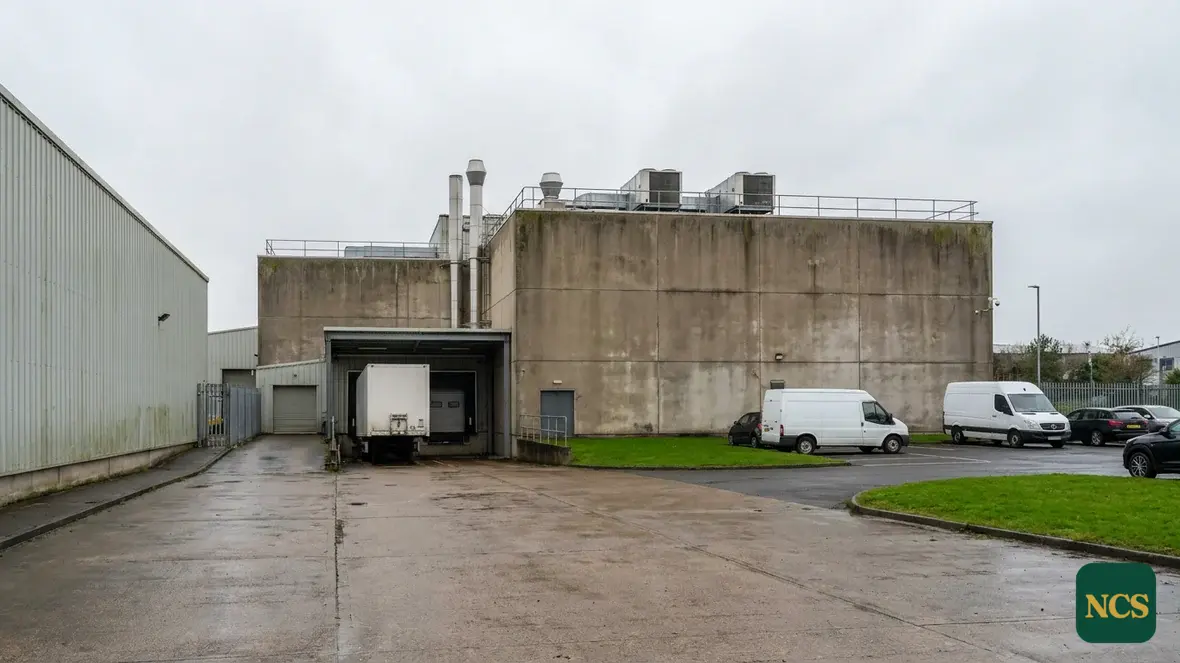




Food factory wall coating exists because daily high-pressure wash-downs and chemical cleaning degrade render and brickwork faster than almost any other building type.
Food factory wall coating: the deteriorating walls producers face
Food production buildings endure some of the harshest conditions of any commercial property. Exterior walls face daily wash-downs with high-pressure hoses, chemical cleaning agents, and constant temperature fluctuations from refrigerated interiors. Over time, this treatment degrades render and brickwork, creating cracks where moisture penetrates and microbial growth can establish. For hygiene-audited facilities, even minor wall degradation risks breaching food safety standards during inspections.
Operational managers know compromised exterior walls threaten more than appearances. Peeling coatings or porous surfaces harbour contaminants that could migrate inside during cleaning. Damaged wall surfaces also increase maintenance costs as staff spend more time scrubbing stubborn stains from rough textures. Left untreated, water ingress behind wall finishes risks structural issues and insulation damage that disrupts temperature control in sensitive production areas.
We paint and coat the walls of food production buildings across the UK, and every specification starts with a survey of the actual elevation.
How food factory wall construction determines coating needs
Most UK food production buildings feature either rendered blockwork or composite panel exteriors designed for easy cleaning. Older sites often have original brickwork beneath decades of patch repairs. Each substrate behaves differently under food factory conditions. Sand-cement render develops hairline cracks from thermal movement, while acrylic renders may blister under repeated chemical exposure. Composite panels maintain hygiene but suffer impact damage at joints and base details.
Brickwork on heritage bakery and dairy buildings shows distinctive erosion patterns – mortar recession leaves bricks protruding, creating ledges where dirt accumulates. Profiled metal cladding fares better against chemicals but suffers fastener corrosion at overlaps. All these substrates share one requirement: any coating system must withstand weekly high-pressure washing without degrading or trapping moisture against the building fabric.
The survey process for food production wall coatings
Assessing a food factory’s walls begins with identifying every substrate type present across the facility. Surveyors examine how existing finishes interact at junctions and transitions, noting any incompatible materials that could cause coating failure. They document all wall defects from cracks to staining patterns, cross-referencing these with cleaning schedules to diagnose causes.
The survey prioritises areas where wall condition directly impacts hygiene audits or maintenance burdens. Critical zones include loading bay surrounds, waste store adjacent walls, and any sections beneath roof drainage points. Solutions focus on creating continuous, impervious surfaces that withstand both cleaning regimes and thermal movement without compromising vapour permeability where required.
The repairs that come first
In food production facilities, the priority repairs are those that directly impact hygiene standards and structural integrity. Cracked render is a common issue, allowing moisture ingress and creating areas where bacteria can flourish. Blown patches on internal walls compromise surface smoothness, making thorough cleaning difficult. Damp ingress, often around refrigeration plant penetrations, risks mould growth and can affect temperature-controlled environments.
Effective repair starts with identifying the root cause of each issue. For cracked render, the focus is on stabilising the substrate before addressing the cosmetic damage. Blown patches require careful removal of loose material and replacement with a finish that matches the surrounding surface. Damp ingress demands a combination of moisture barrier installation and improved sealing around pipework and cables.
Planning around production constraints
Work in food factories must respect strict hygiene protocols and minimise production disruption. Scheduling typically aligns with planned maintenance windows or complete production shutdowns. Deep cleaning regimes dictate that coatings must be fully cured before surfaces are washed down, influencing product selection and application timing.
Contamination risk is a key consideration throughout the process. Certain products and application methods are restricted to prevent taint transfer, especially in areas handling raw ingredients. Roof-mounted refrigeration plant requires careful working methods to avoid impacts on sensitive components or rupture of refrigerant lines. Materials are selected not just for performance but for compatibility with food-safe cleaning agents.
- Scheduled during planned shutdown periods
- Materials selected for washdown compatibility
- Strict contamination control measures
- Coordination with production schedules
- Consideration of curing times
Why the survey is essential
A comprehensive site survey is the critical first step in any food factory coating project. It identifies specific substrate conditions, maps areas of concern, and documents the operational environment. This detailed assessment informs the specification process, ensuring solutions are precisely matched to the facility’s needs.
The survey also establishes a baseline for monitoring coating performance over time. It provides the information needed to minimise disruption during works and ensure compliance with food safety standards. Without this foundation, even the best products may fail to deliver lasting results in such demanding environments.
Where this sits in our work
This work runs under our exterior wall coating service, alongside everything else we do for food production. If one of these buildings is on your list, book a free survey and a surveyor will walk it before anything is specified.
Food factory wall coating: recent work we can show you
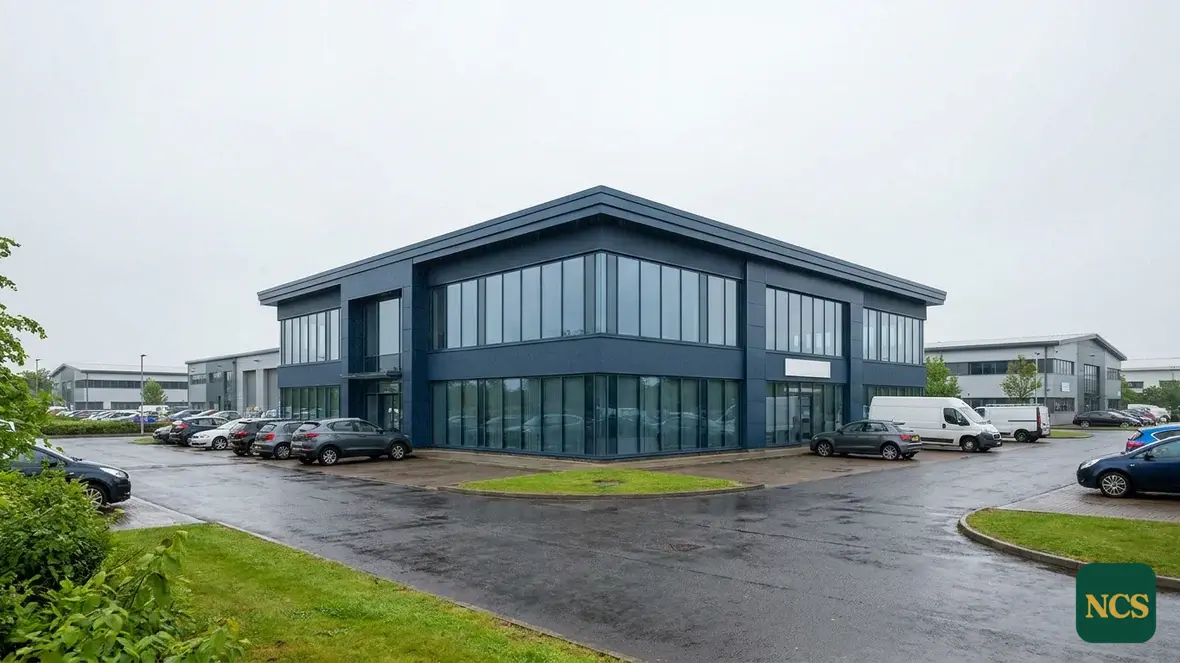
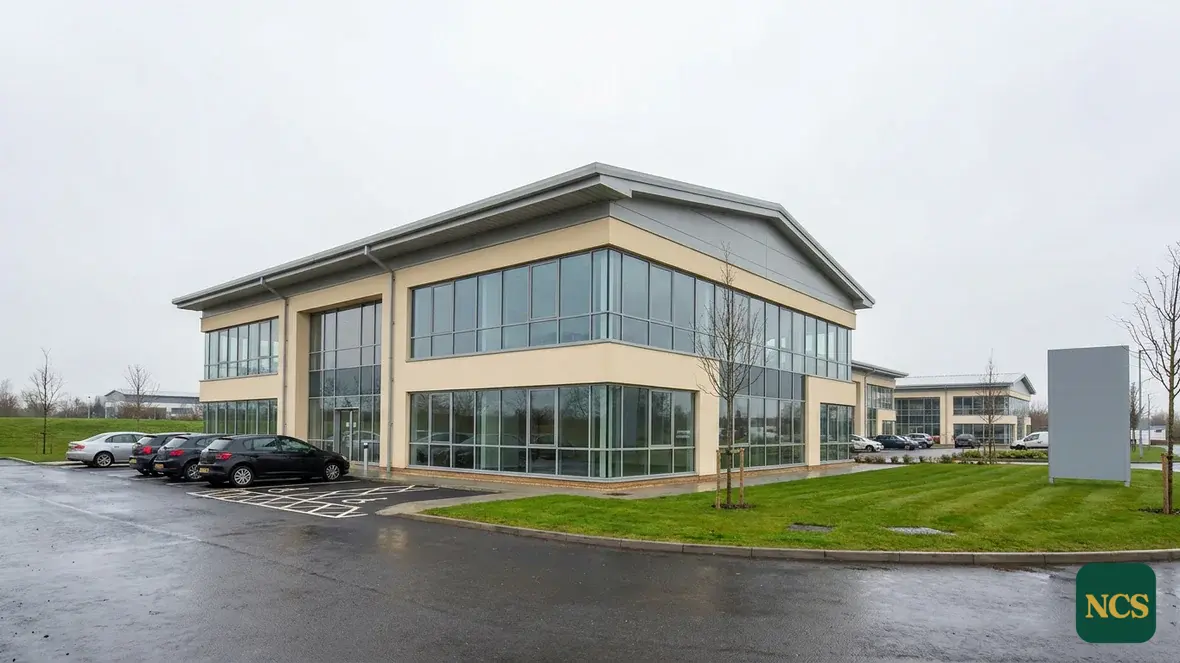
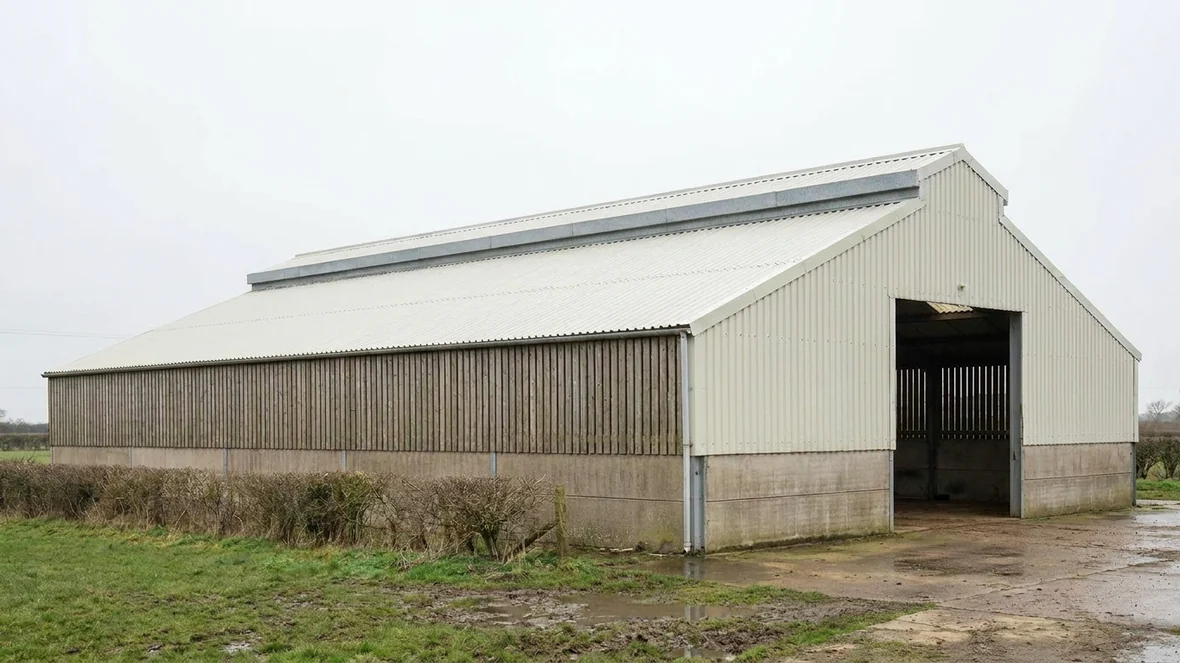
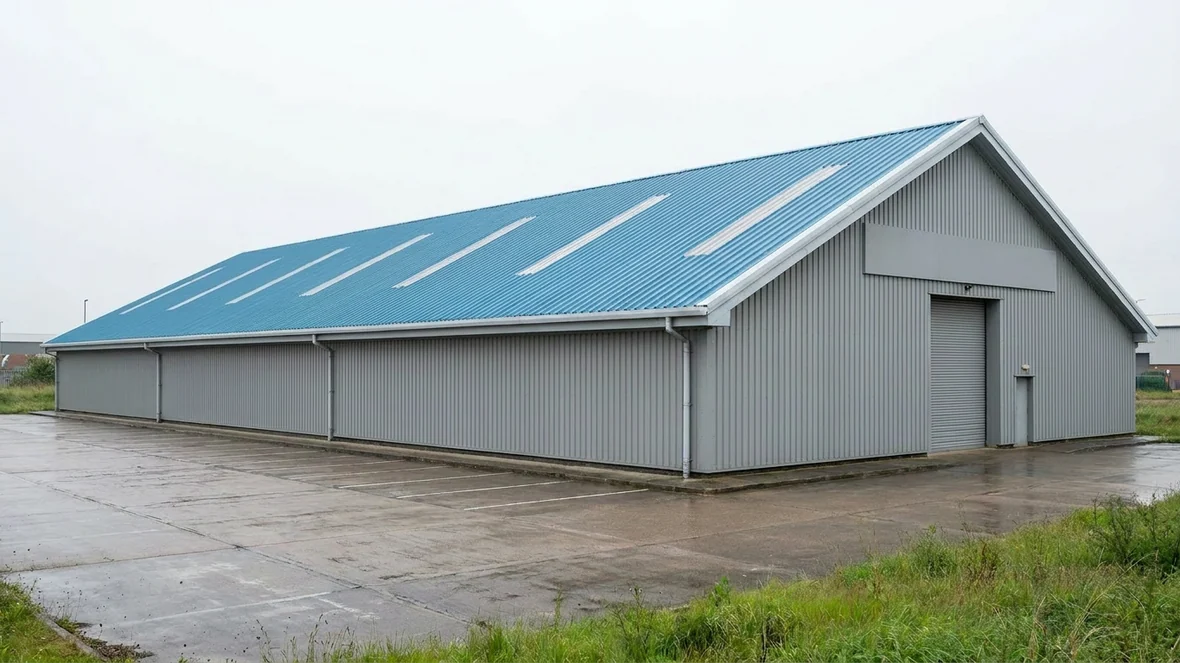
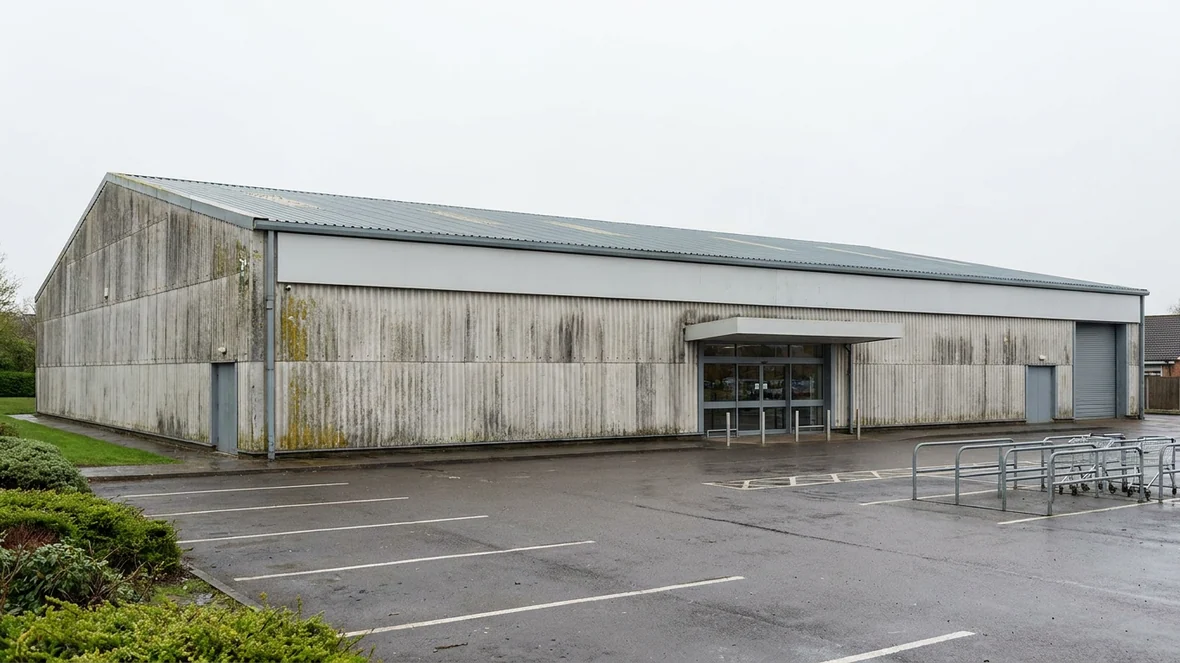
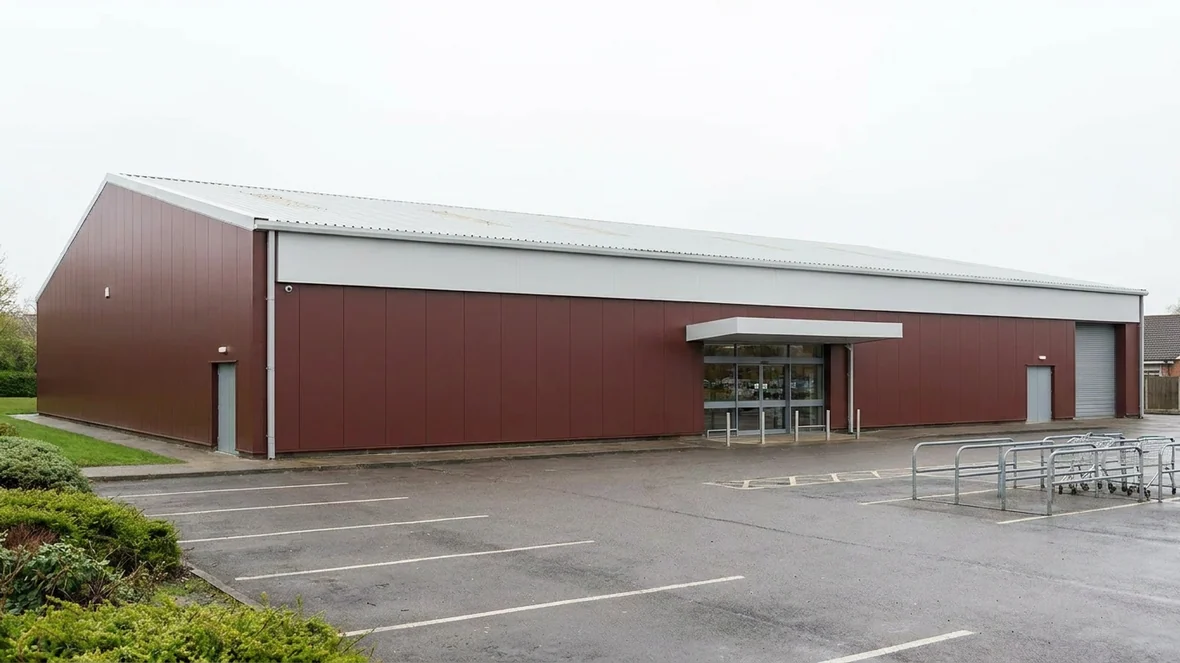
These are our own photographs from jobs of the same type. They are not stock images, and none of them is dressed up as something it is not. The caption tells you where each one was taken.
Standards behind our food factory wall coating work
Work in hygiene-audited buildings means materials selected for washdown compatibility and scheduling around planned shutdown periods, not guesswork. Our teams plan every job around the HSE’s food industry guidance, and we hold CHAS accreditation so the health and safety paperwork a facilities or hygiene manager asks for is ready before the first van arrives.
Common questions about food factory wall coating
Can food factory wall coating be applied while production continues?
Sometimes, but not automatically. We consider access, ventilation, airborne dust, odour, curing conditions and the risk of contamination before recommending a programme. Preparation is often more disruptive than the coating itself.
Work areas may need to be isolated from production, with food, packaging and exposed equipment removed or securely protected. Where this cannot be managed safely, coating should be completed during planned shutdowns or in carefully controlled phases.
Can you coat hygienic wall panels, tiles and painted blockwork?
Yes, provided the substrate is suitable and properly prepared. Hygienic panels, glazed tiles, old paint and dense blockwork present different adhesion challenges, so there is no single preparation method for every wall.
We first check for contamination, loose finishes, failing joints, corrosion, moisture and movement. A trial area may be sensible on smooth or uncertain surfaces. If the underlying wall is unstable, coating it will not make it structurally sound.
Will a food factory wall coating withstand frequent washdown?
A correctly specified coating can provide a seamless, cleanable finish suited to regular washdown. Its performance still depends on the cleaning regime, water temperature, chemical concentration, contact time and the use of pressure-cleaning equipment.
We review these conditions before selecting a system. Even a robust coating can be damaged by aggressive nozzles used too close to the surface, repeated impact from equipment or cleaning chemicals outside its intended resistance.
How should factory walls be prepared before coating?
Preparation normally involves degreasing, thorough cleaning, removal of loose or incompatible material and mechanical preparation to create a stable surface. Cracks, open joints, holes and local corrosion also need to be addressed.
The wall must be dry enough for the proposed system, and cleaning residues must be removed. Applying a food factory wall coating over grease, trapped moisture or weak existing paint is a short route to adhesion failure.
How long does food factory wall coating last?
There is no useful universal lifespan. Durability is influenced by the substrate, preparation standard, temperature changes, condensation, washdown, chemical exposure and the amount of impact or abrasion the wall receives.
High-risk areas around doorways, loading routes and movable equipment generally need more maintenance than protected wall faces. Routine inspection and prompt repair of local damage help prevent water and cleaning chemicals from getting behind the finish.
Food factory wall coating or wall replacement?
Coating and replacement solve different problems. Coating is usually the more proportionate option when the wall or panel remains sound but its surface has become worn, stained, difficult to clean or locally damaged. It can restore a continuous finish without removing serviceable construction.
Coating may also reduce disruption because there is less demolition, fewer exposed cavities and less waste to remove. That does not make it a shortcut. Cleaning, surface preparation, repairs and curing still require controlled working conditions and realistic access.
Replacement wins when the wall itself has failed. Saturated insulation, extensive panel delamination, severe corrosion, persistent water ingress, unstable tiles, significant movement or widespread mechanical damage cannot be corrected reliably with a surface coating. Replacement is also the better choice where the existing wall arrangement cannot provide suitable hygienic junctions or where required fire, thermal or structural performance depends on a complete new assembly.
There are also cases where partial replacement followed by coating is the sensible approach. Failed panels or defective sections can be removed, while sound adjacent surfaces are retained and refurbished. This avoids treating every defect as either wholly cosmetic or wholly structural.
Our survey distinguishes surface deterioration from substrate failure. We look beyond appearance, particularly at panel joints, fixings, wall bases, penetrations and areas affected by condensation. If replacement offers the more dependable result, we say so plainly rather than specifying a coating over a problem it cannot solve.
Detailing joints, penetrations and vulnerable wall edges
The broad wall face is rarely the most difficult part of a food factory wall coating project. Failures tend to begin at changes of material, open joints, service penetrations and exposed edges. These details need to be resolved before the main coating is applied.
-
Wall-to-floor junctions: Cracked or open junctions can admit water beneath the finish. Existing coves and sealant lines should be checked for adhesion, movement and trapped contamination.
-
Panel joints: Loose, split or contaminated joints require suitable treatment. Simply painting across a moving joint can leave a neat finish that soon cracks.
-
Pipe and cable penetrations: Gaps around services can collect residue and moisture. We assess whether they can be cleaned, sealed and coated without restricting necessary movement or maintenance access.
-
Door reveals and corners: These areas often receive repeated impact from trolleys, pallets and cleaning equipment. Local repairs must be firm, properly shaped and compatible with the surrounding substrate.
-
Fixings and corrosion points: Rust staining may indicate more than a cosmetic defect. Corroded fixings and exposed metal should be investigated, prepared and, where necessary, replaced before decoration proceeds.
Sealants and flexible joints should not be buried indiscriminately beneath a rigid coating. Where movement is expected, the detail must allow for it. We also protect drains, machinery, sensors and other sensitive fittings during preparation and application, then remove masking cleanly before the coating has formed brittle edges.
Good detailing is largely unglamorous. It is also what separates a clean-looking wall on completion from a finish that remains serviceable under condensation, washdown and routine factory traffic.