



The duty to manage asbestos in industrial buildings
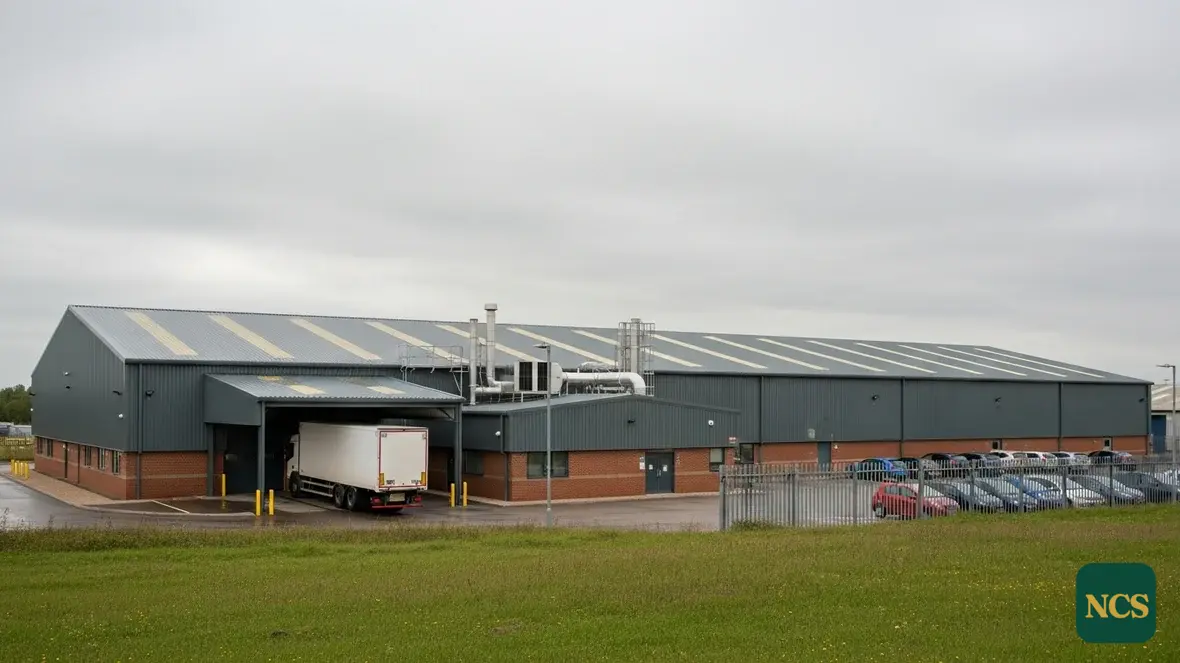
Industrial asbestos roof encapsulation forms part of the duty to manage asbestos in industrial buildings. The Control of Asbestos Regulations 2012 places clear responsibilities on those managing industrial premises. Factory owners, estate managers and maintenance teams must identify and properly control any asbestos containing materials on site. Industrial buildings frequently contain asbestos cement roofing sheets, often covering large production areas.
Regular inspections are required by law, with condition assessments logged in the asbestos register. Damaged or deteriorating asbestos cement roofs need encapsulation or removal to prevent fibre release during high bay door movements, roof-mounted plant vibrations or weathering. The duty holder must ensure encapsulation work meets HSE standards while minimising disruption to production schedules.
Painting an asbestos roof on factories and industrial units is sensible when the sheets are sound and the system is made for asbestos cement. The survey establishes both.
Asbestos cement in the industrial building stock
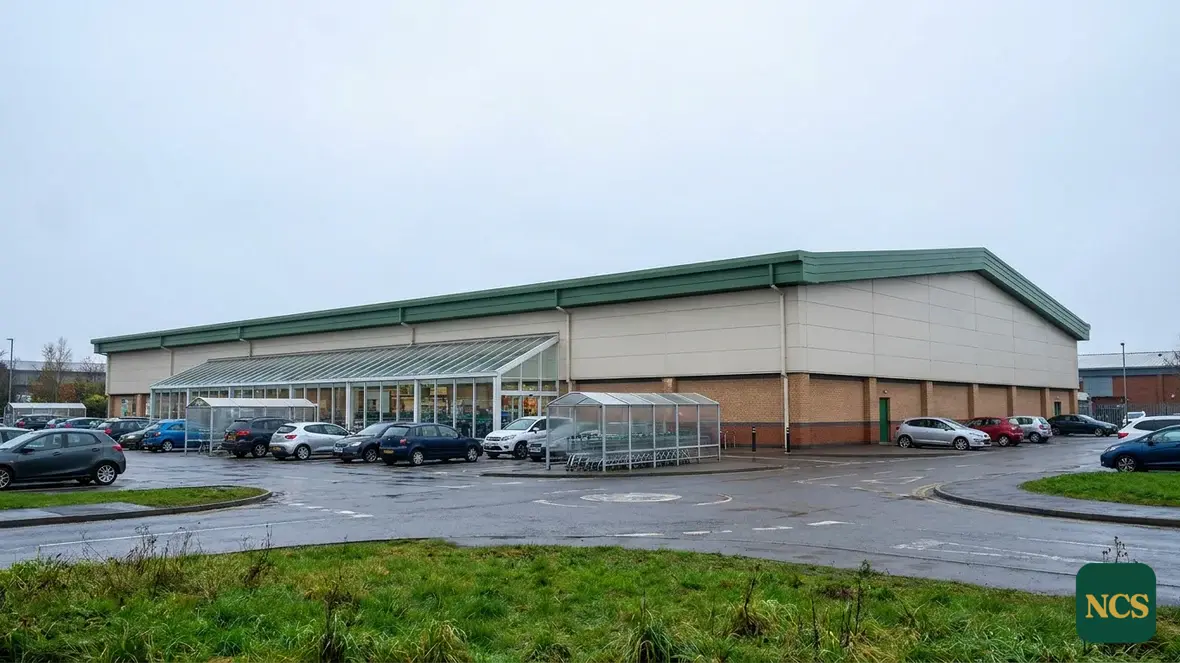
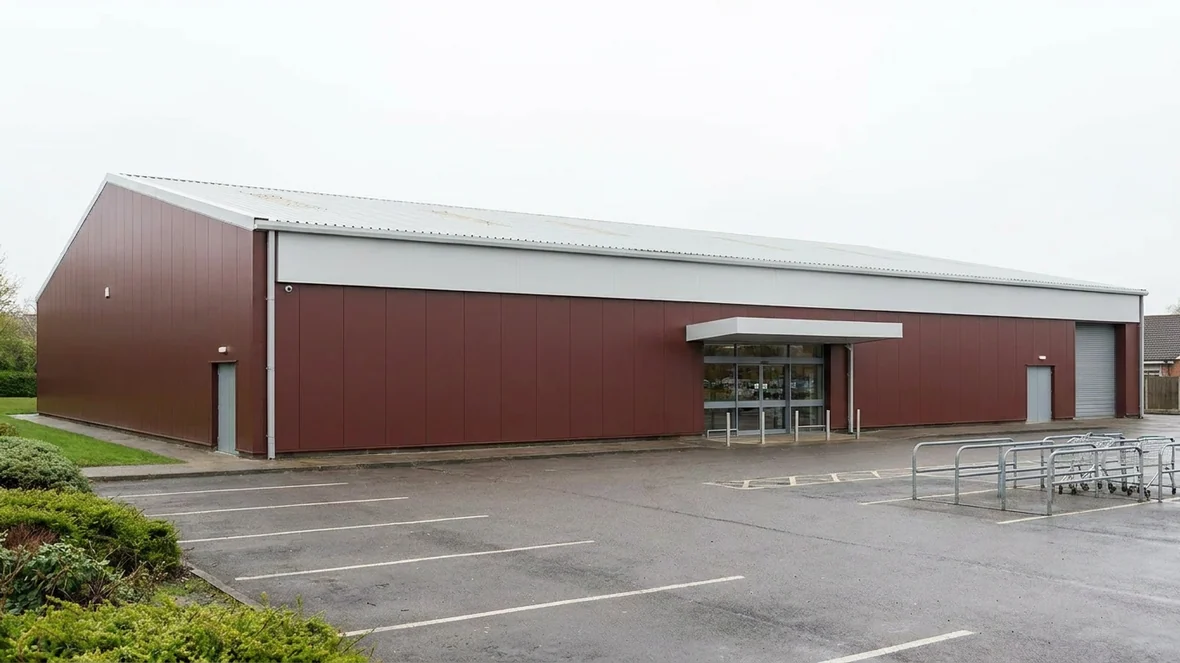
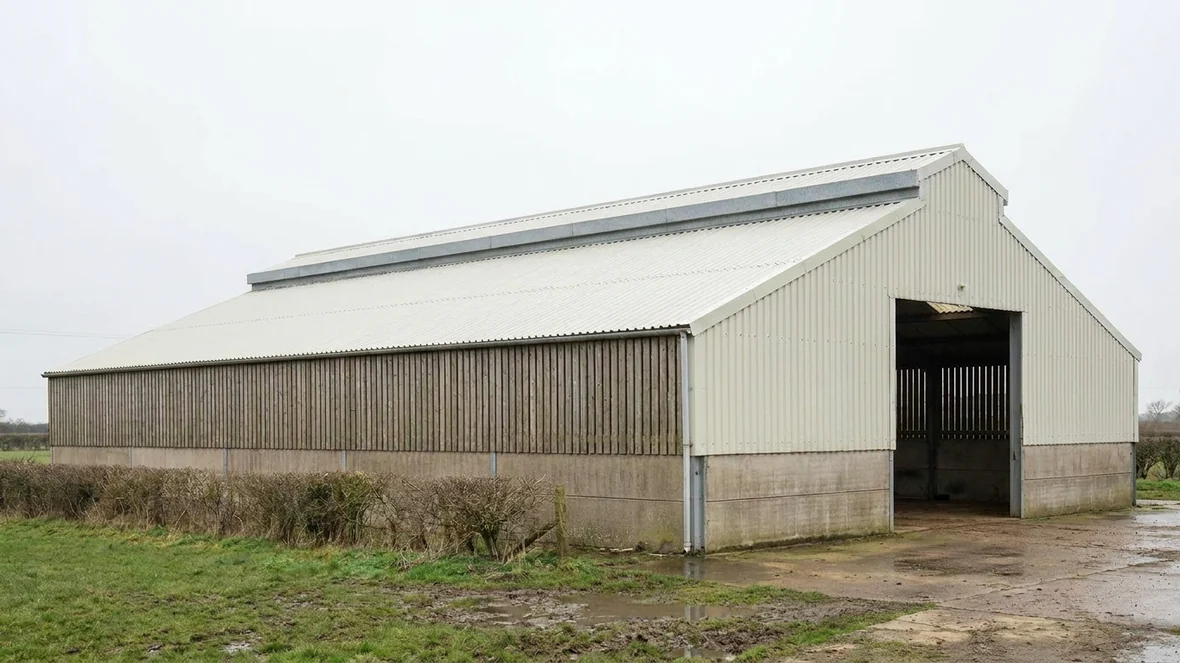
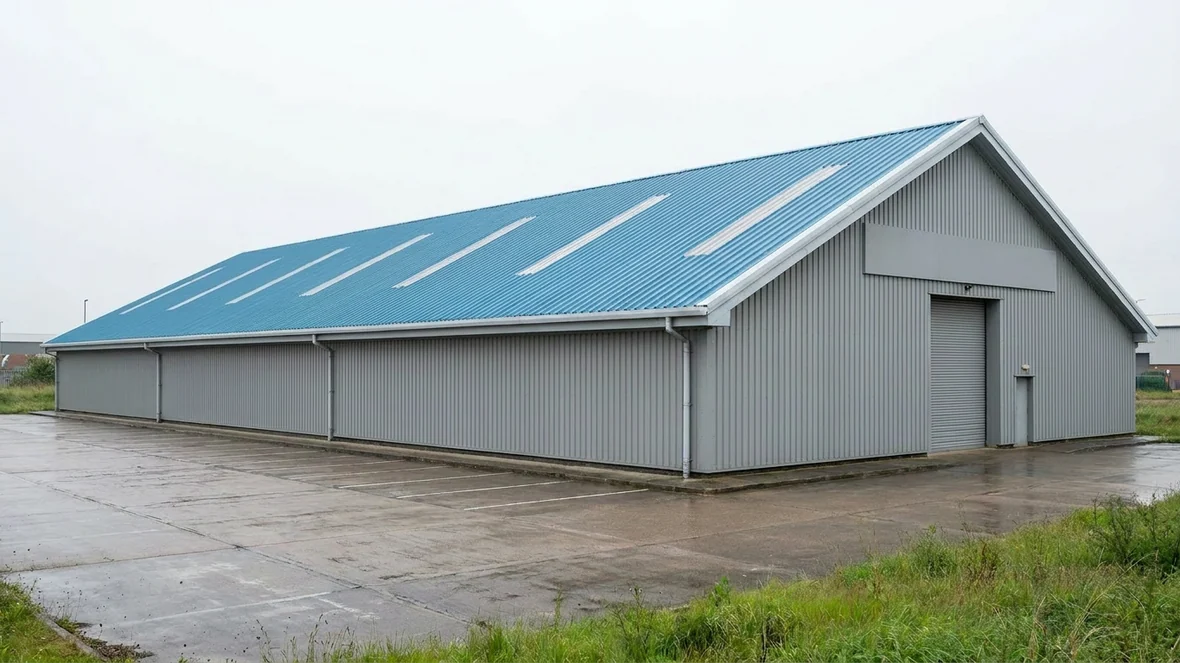
Industrial asbestos cement roofs typically appear on single storey production halls, warehouse units and manufacturing sheds. The material was favoured for its durability, fire resistance and low maintenance in harsh industrial environments. Standard large format corrugated or profile sheets cover most examples, though some older factories feature asbestos cement boarding on curved roof sections.
These roofs now show their age after decades of exposure to industrial processes, with common failure points including mechanical damage from roof-mounted equipment, thermal movement cracks and erosion around fasteners. Internal condensation in processing areas accelerates degradation. Crucially, well-maintained asbestos cement roofs that remain intact pose minimal risk, allowing encapsulation rather than full removal in many cases.
The industrial asbestos roof encapsulation process
Industrial asbestos roof encapsulation involves applying a reinforced coating system that bonds directly to the asbestos cement, sealing the surface while maintaining structural integrity. Specialist contractors first clean and prepare the roof under controlled conditions, often working around shift patterns to avoid production downtime. High pressure washing is avoided due to fibre risk, with mechanical cleaning methods preferred.
The coating system builds up in layers, starting with a primer that penetrates the asbestos cement substrate. Reinforcement fabric bridges any existing cracks before the final elastomeric topcoat provides waterproofing and UV protection. The process maintains roof performance for typically fifteen to twenty years while preventing fibre release, with the added benefit of reducing ongoing maintenance costs compared to aged bare asbestos cement.
When removal is the right answer
Encapsulation locks asbestos fibres safely in place, but there are cases where removal becomes necessary. This typically happens when the roof sheets are severely damaged or deteriorated to the point where encapsulation alone cannot guarantee long-term containment. In industrial settings, factors like heavy machinery vibration, extreme temperature fluctuations, or accidental impacts can accelerate degradation. The decision to remove rather than encapsulate also depends on future building plans – if major refurbishment or demolition is planned, full removal may be more practical than temporary sealing.
Sectors with strict environmental regulations or high worker footfall often opt for removal to eliminate future liability. Food production facilities and pharmaceutical plants are typical examples where even encapsulated asbestos may fall short of compliance standards. The presence of other contaminants like lead paint or fibreglass residues can also tip the balance towards full removal, as these require separate handling procedures incompatible with encapsulation methods.
Planning around industrial operations
Industrial sites cannot simply shut down for coating work, so scheduling happens around production cycles, shift patterns and peak delivery times. Early meetings with site managers establish key constraints: forklift routes that must remain clear, sensitive areas near vents or extraction systems, and any hazardous zones requiring additional permits. Painters work around noise restrictions in office-adjacent areas and avoid times when airborne particulates could interfere with sensitive manufacturing processes.
- Out-of-hours application when production lines are idle
- Staggered sections to maintain building access
- Temporary screening for food-grade areas
- Dedicated welfare units to keep workers off operational floors
- Air monitoring where required by site rules
Large roof areas are tackled in logical sequences matching the building’s natural divisions – bay by bay for steel-framed structures, or section by section where expansion joints occur. Paint crews coordinate with maintenance teams to tie in with planned downtime for other services, minimising disruption. The physical challenges of industrial roofs – fragile skylights, fragile roofing sheets, and unstable surfaces – demand methodical planning more than domestic work.
Why the survey comes first
Every industrial asbestos roof presents unique challenges that only hands-on inspection can reveal. What looks like superficial weathering at ground level often proves to be advanced degradation when examined closely. Surveyors check for less visible issues like fastener corrosion, substrate delamination, and previous botched repairs that could undermine encapsulation. They assess the structural adequacy of roof purlins and sheeting rails that must bear the coating’s weight long-term.
Detailed surveys map out access constraints that shape the whole project – loading bay closures allowed, crane swing radii, and whether cherry pickers or scaffolding cause less disruption. They confirm which asbestos types are present through sampling, as different fibre categories demand distinct encapsulation approaches. Without this groundwork, even the most experienced commercial painters risk specifying solutions that look sound on paper but fail in practice.
The next step
You can read more about the wider asbestos roof encapsulation service, or see how we approach industrial buildings as a whole. When you are ready, request a free survey and we will look at the building itself before recommending anything.
Where asbestos cement sheets are involved, our approach follows HSE asbestos guidance.
Common questions about industrial asbestos roof encapsulation
Can an asbestos cement roof be coated without removing it?
Yes, provided the sheets remain sufficiently sound and a suitable risk assessment supports encapsulation. The coating system seals the weathered surface and provides a protective finish without the disturbance associated with wholesale removal. We first survey the sheets, fixings, laps, rooflights, penetrations and supporting structure to establish whether coating is a sensible option.
How do you prepare an asbestos roof before coating?
Preparation must remove loose contamination and provide a stable surface without unnecessarily disturbing the asbestos cement. We select controlled cleaning methods to suit the roof’s condition, contain residues and manage the resulting waste appropriately. Defective fixings, open laps and local faults are addressed before the main coating is applied.
Can you encapsulate a leaking asbestos roof?
Sometimes. Encapsulation may form part of the remedy where leaks arise from tired fixings, open laps, porous sheets or minor local defects. It will not correct serious structural movement, extensively fractured sheets or a failing supporting frame. We trace likely water-entry points rather than assuming that a coating alone will solve every leak.
Is an encapsulated asbestos roof still classed as asbestos?
Yes. Encapsulation does not remove the asbestos-containing material or change its underlying classification. The roof must remain recorded in the building’s asbestos management information, and anyone planning later work must be told that asbestos cement remains beneath the coating.
Can work continue inside the building during encapsulation?
That depends on the survey findings, access arrangements and activities below. We consider fragile-roof controls, falling-material risks, ventilation openings and the need to isolate particular areas. Some buildings can remain partly operational with suitable segregation, while others require temporary restrictions. This is decided during planning rather than left to the coating team on the day.