



School cladding spraying has to work around term dates, exams and safeguarding rules, which is why the survey and the programme matter as much as the coating itself.
School cladding spraying: why cladding fades and stains
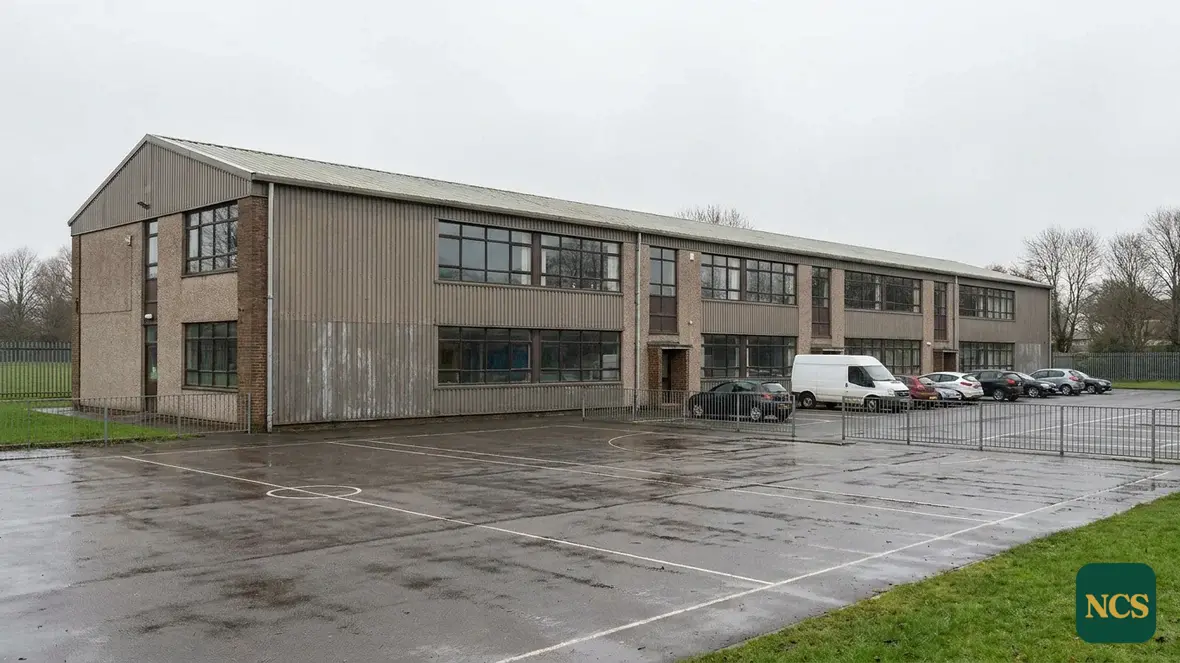
The cladding on school buildings faces constant weathering from rain, UV exposure and pollution, compounded by tight maintenance budgets that delay intervention. Plastisol-coated steel panels, common on teaching blocks built between the nineteen seventies and nineties, gradually lose their plastisol layer through chalking – a powdery degradation where the coating breaks down under sunlight. Composite cladding systems on newer academy buildings show different failure modes, with staining often tracking the fixings or joints where moisture penetrates. Both problems worsen each year without treatment, yet recoating must wait for the narrow windows between terms or exams.
The school building stock needing cladding refresh
Three main eras define the cladding types needing attention across the education estate. Post-war system-built teaching blocks often have profiled asbestos cement sheets now overclad or replaced with steel. The expansion years of the sixties and seventies left thousands of flat-roofed classroom wings with ribbed steel cladding in plastisol colours that have faded unevenly. More recent academy buildings use aluminium composite material (ACM) or high-pressure laminate (HPL) panels – systems chosen for speed of construction rather than longevity, now showing early weathering at only ten to fifteen years old. All three types can be transformed by respraying, but each requires specific preparation to ensure adhesion over their existing substrates.
What on-site cladding spraying involves for schools
Professional cladding spraying starts with thorough preparation – pressure washing to remove chalked plastisol or surface contaminants, spot repairs to any corroded steel, and masking of adjacent surfaces. For schools, this work is planned carefully around term dates to avoid disruption, often scheduled for summer holidays or half-term breaks.
The spray application itself uses airless equipment to apply a high-build coating system in multiple thin layers, building to a uniform finish that matches the original colour or allows a change if required. The result is a factory-fresh appearance with renewed protection against weathering, achieved without the cost and disruption of full cladding replacement. Schools value the minimal downtime – most teaching blocks can be fully recoated within a week during holidays.
Enquiries for schools and public-sector buildings arrive as cladding painting, respraying or refurbishment, and they all point at the same faded elevation.
Cut edges, fixings and panel repairs – the first work to specify
On school buildings, the survey always starts with the cut edges and fixings. These are the points where water ingress begins, often hidden behind decades of overpainting. The surveyor looks for failed sealant at the panel joints, corroded screw heads where the fixings have lost their protective coating, and any areas where the original cladding has been cut or modified without proper weatherproofing. On flat roofs, the upstands and parapet edges take priority, especially where they meet window reveals or downpipes.
- Sealant failure at panel joints and window perimeters
- Corroded or missing fixings that compromise the cladding’s wind resistance
- Cut edges where the original factory coating has degraded
- Previous patch repairs that have failed or trapped moisture
- Areas where services penetrate the cladding without proper flashing
On composite cladding systems, the survey checks for core exposure at the panel edges and any signs of delamination. These are not cosmetic issues – they directly affect the building’s weathertightness and long-term performance.
Planning around term dates, exams and safeguarding
School work follows the academic calendar, not the contractor’s ideal schedule. The survey identifies which areas can be accessed during term time with minimal disruption, and which require holiday working. Sports halls and dining blocks often have more flexibility than teaching blocks. Exam periods are absolute no-work zones – no noise, no access, no exceptions. The specification accounts for this by sequencing the work in phases that match the available windows.
Safeguarding rules dictate how contractors operate on site. All personnel require DBS checks, and work areas must be fully segregated from pupil routes. The survey notes access points, temporary fencing requirements, and any areas where out-of-hours working is the only option. On boarding school campuses, the logistics are even tighter – the specification must account for 24-hour occupation and limited summer holiday windows.
Why the survey drives the specification
Every school building has its own history of adaptations and repairs. The survey maps these variations so the specification can target the actual failure modes, not generic assumptions. A 1970s teaching block with multiple roof leaks requires a different approach to a 2000s academy building with composite panel issues. The survey also identifies any asbestos-containing materials or other legacy hazards that affect the work method.
Without the survey, coatings are specified blind – leading to either over-application in low-risk areas or under-protection where it matters most. The survey ensures the work addresses the building’s real needs, within the constraints the school actually faces. It turns a generic quote into a targeted solution.
Where this sits in our work
This work runs under our cladding spraying service, alongside everything else we do for schools & public sector. If one of these buildings is on your list, book a free survey and a surveyor will walk it before anything is specified.
School cladding spraying: recent work we can show you
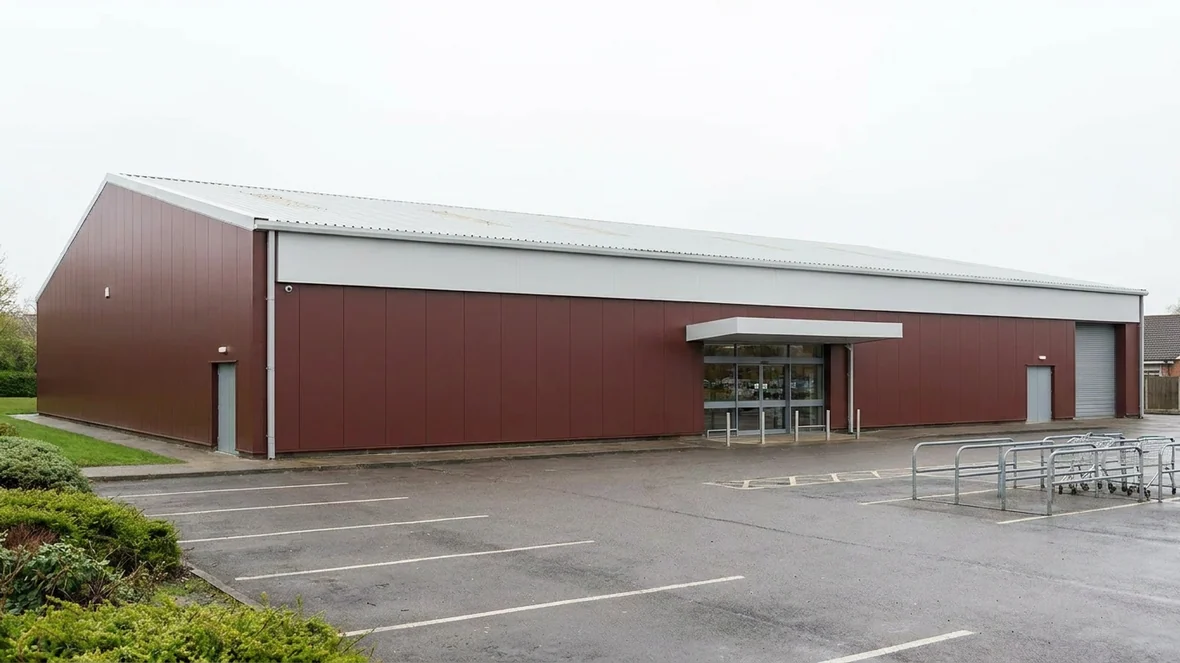
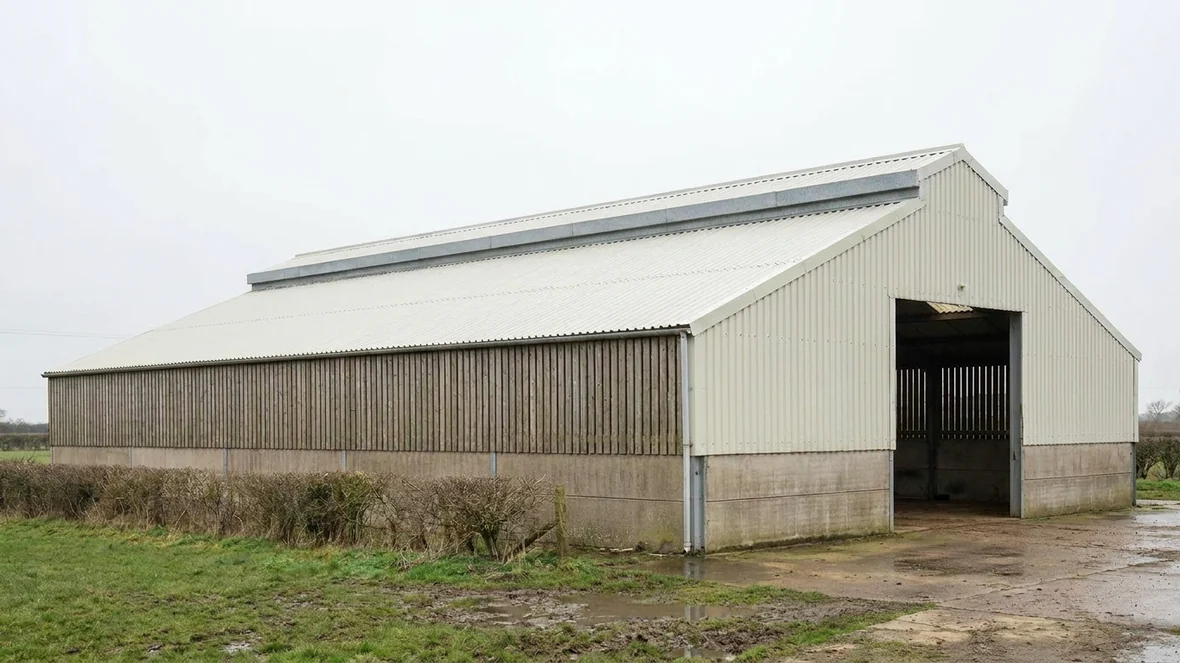
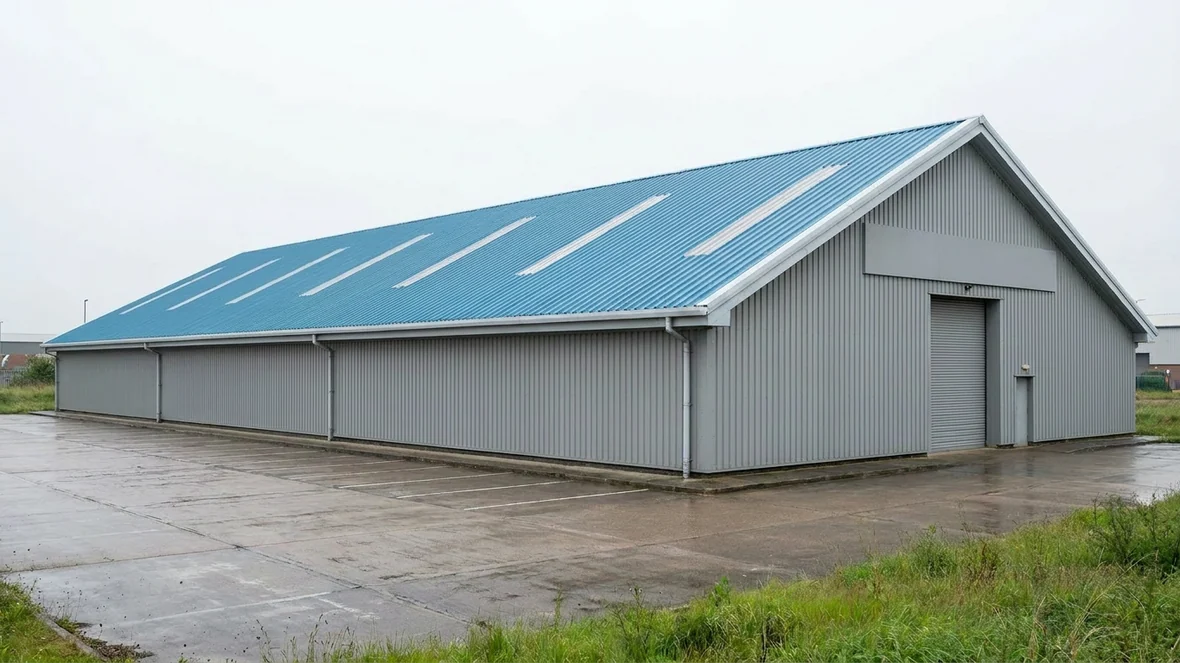
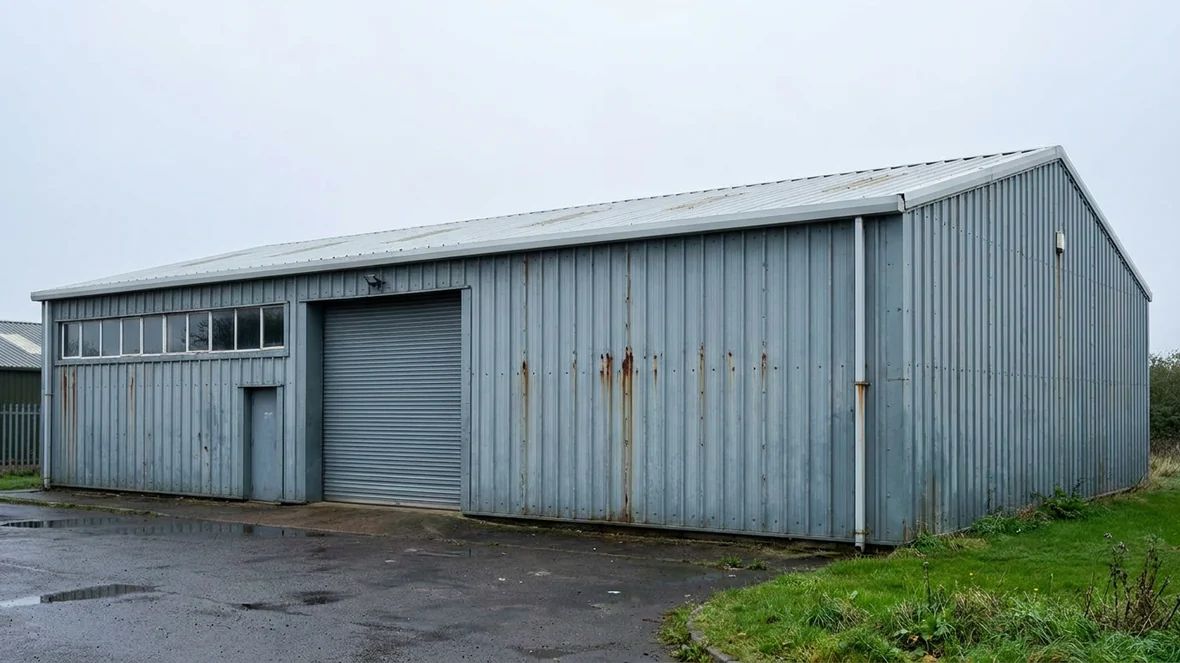
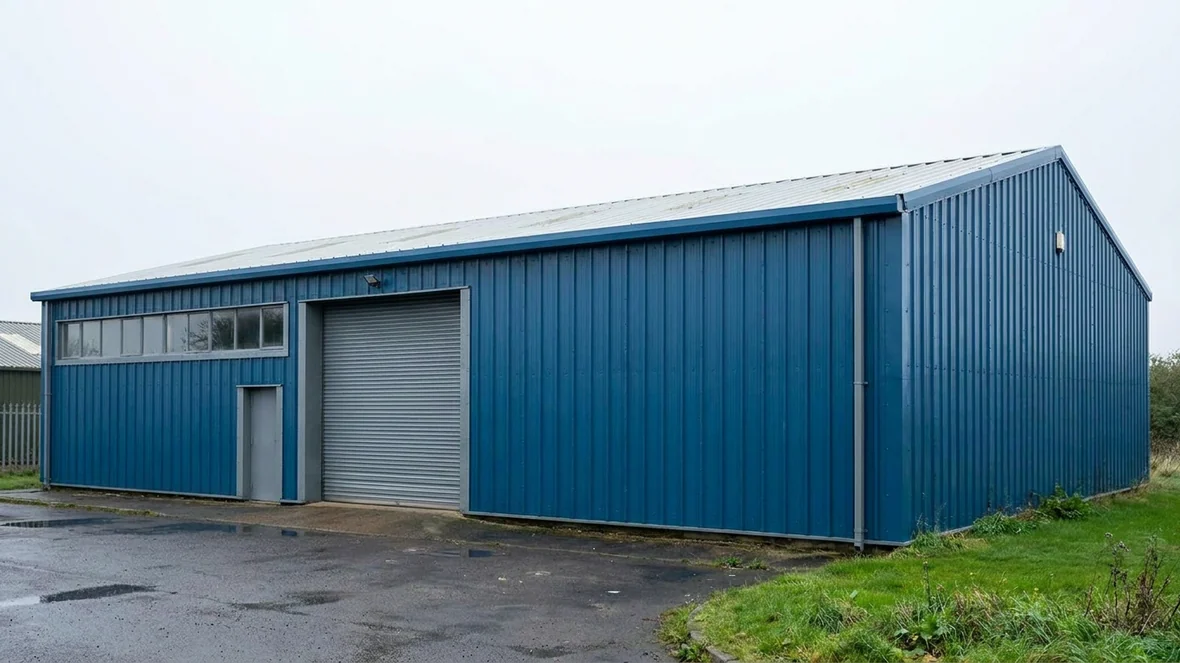
These are our own photographs from jobs of the same type. They are not stock images, and none of them is dressed up as something it is not. The caption tells you where each one was taken.
Standards behind our school cladding spraying work
Work on occupied school sites means DBS-checked personnel, segregated work areas and access planned around term dates, exams and safeguarding rules. Our teams plan every job around the HSE’s education sector guidance, and we hold CHAS accreditation so the health and safety paperwork a facilities or premises manager asks for is ready before the first van arrives.
Common questions about school cladding spraying
Can school cladding be sprayed without closing the school?
Often, yes. We plan school cladding spraying around the site’s timetable, access arrangements and safeguarding requirements. Work may be divided into controlled areas, with spraying scheduled outside busy periods where necessary. Some elevations or entrances may need temporary restrictions while preparation and coating take place.
Can faded or peeling school cladding be recoated?
Faded cladding is frequently suitable for recoating, provided the underlying panels remain sound. Peeling, corrosion and failed previous coatings require closer investigation. We assess adhesion, contamination, panel condition and the extent of any corrosion before deciding whether preparation and recoating are appropriate.
How long does school cladding spraying take?
The programme depends on the building’s size, access, panel condition, detailing and weather exposure. Preparation can take longer than spraying, particularly where coatings are failing or corrosion needs treatment. We set out the likely sequence after surveying the elevations rather than offering a generic timescale.
Will spraying affect windows, signs and surrounding surfaces?
These areas should be protected before spraying begins. We mask glazing, doors, signs, lights, vents and adjacent finishes, and control the working area to reduce the risk of overspray. Particular care is needed around entrances, playgrounds, parked vehicles and neighbouring property.
Can the cladding colour be changed?
Yes, subject to the condition and type of the existing surface. A colour change can modernise an older elevation or bring separate buildings into a more consistent scheme. Strong changes in colour may affect the preparation and coating specification, so we consider opacity, existing finish and architectural details during the survey.
School cladding spraying or replacement?
Coating is usually worth considering when the cladding panels are structurally serviceable but their appearance or protective finish has deteriorated. It retains the existing fabric, avoids unnecessary removal and can address fading, chalking, minor corrosion and an outdated colour scheme.
Replacement is the better option when panels are extensively perforated, badly distorted, insecure or no longer able to perform their intended function. It may also win where the wall build-up requires significant improvement, persistent water ingress originates behind the panels, or widespread failure makes local repairs impractical.
A new coating cannot correct defective insulation, failed concealed components or unsuitable panel design. Nor should it be used to disguise corrosion that has materially weakened the cladding. In those circumstances, replacement or a broader refurbishment programme is the more responsible recommendation.
The decision should follow an inspection rather than appearance alone. We consider the panel substrate, existing coating adhesion, corrosion, fixings, joints, sealants, interfaces and signs of moisture. Where only selected panels are beyond recovery, a combination of local replacement and coating may provide the most sensible result.
Preparation and detailing before cladding is sprayed
The finish depends heavily on work completed before the spray equipment is used. School elevations tend to include signs, alarms, vents, cables, lights, canopies and repeated window details. Each interface needs to be assessed, cleaned and protected rather than treated as part of one uninterrupted surface.
- We remove dirt, chalking, organic growth and other contamination using methods suited to the substrate.
- We test the existing finish for adhesion and identify loose or unstable areas requiring removal.
- We abrade sound surfaces where necessary to create a suitable key for the new coating system.
- We treat local corrosion after removing loose material and establish whether any panel has deteriorated beyond repair.
- We review joints, fixings and sealants separately, as a decorative coating is not a substitute for failed weatherproofing.
- We mask glazing, doors, vents, signs and surrounding surfaces, with particular attention to air intakes and occupied areas.
- We plan spray direction and working boundaries around wind, access and the daily use of the school site.
We also check weather and surface conditions before application. Moisture, low surface temperature, strong wind and airborne contamination can all compromise the work. If conditions are unsuitable, delaying the application is preferable to forcing the programme and accepting a weaker finish.