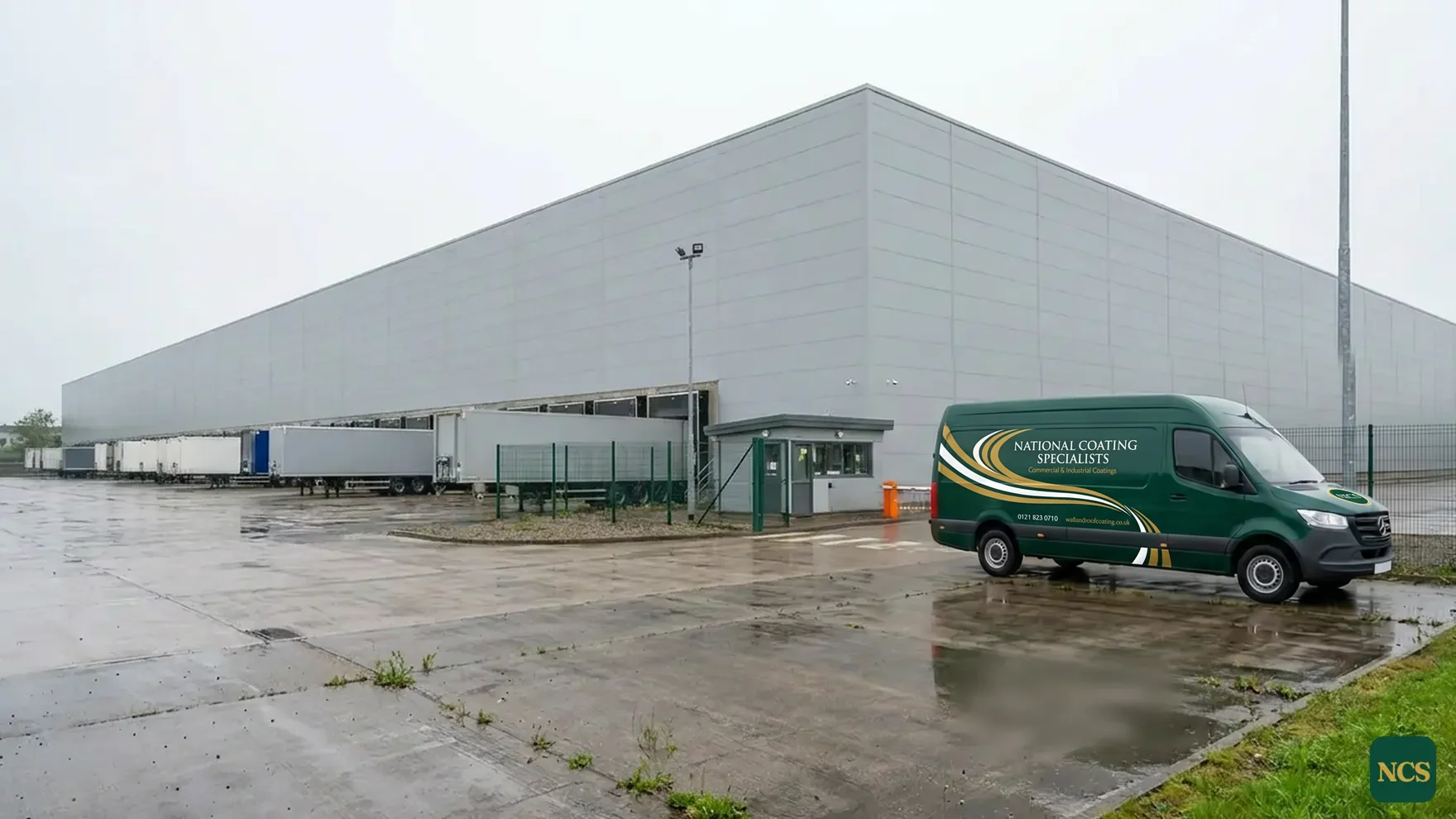
Underside Corrosion Treatment for Metal Roofs
Accredited, insured and audited



 IPAFPOWERED ACCESS TRAINED£10mPUBLIC LIABILITYIPAFPOWERED ACCESS TRAINED£10mPUBLIC LIABILITY
What underside corrosion is: the failure you cannot see from above
Underside corrosion is the deterioration of a metal roof sheet from its internal face. The external coating may still look serviceable, while moisture trapped beneath the sheet attacks the protective finish and exposed metal. Because the damage begins inside the building, it can remain unnoticed until rust staining, dripping or perforation becomes visible below.
This is different from weather-side failure. External roof corrosion is usually associated with damaged coatings, standing water, exposed fasteners, laps or vulnerable cut edges. Where edge deterioration is also present, we may recommend cut edge corrosion treatment. Internal-face damage calls for a separate assessment because the moisture source, access requirements and preparation methods are different.
We survey the roof from inside and outside wherever safe access allows. A sound-looking roof surface does not prove that the sheet retains adequate thickness beneath. Equally, visible internal rust does not automatically mean that the entire roof needs replacing. We look at how far the deterioration extends, whether the sheet remains structurally sound and whether the moisture source can be controlled before advising on repair, coating or replacement.
Condensation, insulation gaps and why the underside rusts
Condensation forms when warm, moisture-laden internal air reaches a cold metal surface and cools below the point at which it can retain that moisture. The resulting film or droplets sit against the underside of the roof sheet. If drying conditions are poor, repeated wetting gradually weakens coatings and encourages corrosion at scratches, fixings, laps and other vulnerable areas.
The risk is greater in buildings that generate moisture through occupancy, washing, production, storage or changing temperatures. Air leakage can carry humid air into roof voids, while restricted ventilation prevents it from escaping. The issue may be intermittent, which is why a roof can appear dry during a survey yet still show a clear pattern of historic wetting.
Insulation defects are another common factor. Gaps, compressed sections, displaced quilt and poorly sealed joints create local cold spots. Thermal bridging around purlins, fasteners, rooflights and penetrations can produce concentrated bands of condensation. Damaged vapour-control layers may also allow moisture to pass into the roof build-up, where it becomes trapped against the sheet.
We do not treat underside corrosion as a surface-preparation problem alone. Unless condensation, air leakage or water entry is addressed, a new coating may be exposed to the same conditions that caused the original failure.
Warning signs inside the building: staining, drips and white residue
Rust staining and discoloured sheets
Brown streaks beneath the roof, around fixings or along purlin lines often indicate active or historic corrosion. Darkened insulation, peeling internal finishes and staining that follows the roof profile can show where moisture has travelled. The visible mark is not always directly below its source, as water may track along a sheet, lap or structural member before dripping.
Drips in cold or humid conditions
Regular dripping without obvious rainfall may indicate condensation rather than a leak through the external roof covering. Timing matters. Drips that appear during cold starts, after humid operations or when internal temperatures change sharply can point towards an environmental cause. Dripping during rain may instead suggest failed fasteners, open laps, damaged rooflights or penetrations, although condensation and water ingress can occur together.
White deposits and surface bloom
White residue may be associated with corrosion products on galvanised surfaces, dried mineral deposits, insulation contamination or water carrying residues from adjacent materials. Its appearance alone is not enough to identify the cause. We examine the surrounding coating, metal condition and moisture path rather than assuming every pale deposit requires the same treatment.
Other warning signs include flaking paint, blistered coatings, damp insulation, rust around fastener points and small pinholes visible against daylight. Occupants may also report musty odours, wet stock or recurring puddles. These observations help us understand when and where moisture is forming.
Inspecting the underside: internal access and what we photograph
A useful survey depends on safe access and a clear view of the internal roof face. High-level racking, suspended ceilings, services, machinery and stored goods can restrict inspection. We agree suitable access arrangements before attending and identify areas that cannot be viewed safely. Where the underside is concealed by a liner panel or insulation system, further opening-up may be needed before firm conclusions can be reached.
We photograph representative roof bays, local defects and the relationship between corrosion and the building structure. Typical records include purlin lines, laps, fasteners, rooflights, penetrations, insulation joints, damaged vapour-control layers and areas beneath known external defects. Wider photographs provide context, while closer views show blistering, rust scale, coating loss and any perforation.
We also compare internal findings with the external roof condition. Failed seals, damaged flashings or open laps may be admitting rainwater, while apparently intact external areas may support a condensation diagnosis. Moisture distribution is important: widespread fine droplets suggest a different mechanism from a defined wet trail beneath a penetration.
Where appropriate, we check whether corrosion is superficial or whether scaling has caused meaningful metal loss. We consider the condition of fixings and supporting steelwork as well as the sheet itself. Purlin corrosion, weakened fastener locations or movement at laps can change the repair strategy. Our report separates observed facts from likely causes and states where access limitations prevent certainty.
Treatment routes: anti-condensation coatings and ventilation fixes
Treatment begins with moisture control. Depending on the roof construction and building use, this may involve improving natural or mechanical ventilation, sealing unwanted air paths, repairing insulation gaps, restoring vapour-control continuity or stopping external water ingress. Changes must suit the way the building operates; indiscriminate ventilation can move humid air into colder parts of the roof rather than resolving the problem.
Where the metal remains sound, corroded areas may be cleaned back to a stable surface and prepared for a compatible protective coating system. Loose rust, failed paint, dirt, grease and soluble contamination must be removed. Preparation around profiles, fasteners and purlin interfaces requires particular care because these areas are difficult to reach and often retain moisture.
Anti-condensation coatings can help manage intermittent moisture by holding droplets within a textured or absorbent surface and allowing them to evaporate when conditions improve. They are not a substitute for adequate ventilation, insulation or vapour control. They also require a suitable, properly prepared substrate. Applying them over loose rust, saturated contamination or unstable existing paint is unlikely to provide a reliable repair.
We assess compatibility before specifying any coating route. The existing finish, degree of corrosion, internal environment and likelihood of regular washing or contamination all matter. In some buildings, a corrosion-resistant protective coating is the main requirement. Elsewhere, moisture-management treatment may be appropriate after the causes of condensation have been reduced. We explain the limitations as clearly as the benefits.
Local repairs can be sensible where deterioration is confined and surrounding sheets remain serviceable. More widespread preparation may be needed where the coating has broken down across broad areas. We do not recommend covering every visible mark without establishing whether the roof can be cleaned, dried and maintained safely.
When underside corrosion is too advanced for coating
Underside corrosion is too advanced for coating when the remaining metal cannot provide a stable, structurally dependable substrate. Heavy scaling, deep pitting, perforation, splitting around fasteners and loss of profile shape are strong indicators that paint alone is not an appropriate remedy. A coating can protect sound metal, but it cannot restore sheet thickness or recover strength that has already been lost.
Replacement may be limited to isolated sheets or defined roof areas when adjacent material remains sound. More extensive renewal may be appropriate where deterioration is widespread, access for preparation is impractical, insulation is saturated or the roof build-up no longer manages moisture effectively. The supporting structure and fasteners must also be considered; replacing sheets without addressing corroded purlins or persistent condensation leaves the underlying problem unresolved.
We tell you when coating is viable, when enabling repairs are needed and when replacement is the more responsible route. To establish the condition of your roof without obligation, book a free site survey and we will assess the internal face, likely moisture sources and practical treatment options.
Common questions about underside corrosion
What causes corrosion on the underside of a metal roof?
Underside corrosion is commonly caused by condensation forming on cold roof sheets. Moisture may also enter through failed laps, loose fixings, damaged flashings or defects elsewhere in the roof. Poor ventilation, persistent humidity and contaminants within the building can accelerate the process.
Can rust on the underside of a metal roof be treated without removing the sheets?
Often, yes. Where the sheets remain structurally sound, we can prepare and coat the affected surfaces from inside the building. The practical limitations are access, the extent of corrosion and whether purlins, insulation or equipment obstruct the roof profile. Coating is not a substitute for repairing active leaks or severely weakened sheets.
How do I know whether underside corrosion is only surface rust?
Light surface corrosion usually leaves the sheet intact beneath the rust. More advanced corrosion may cause deep pitting, flaking, pinholes or loss of rigidity. We assess representative areas rather than relying on appearance alone, as apparently minor staining can conceal deterioration beneath old coatings or deposits.
Will coating stop condensation under a metal roof?
No. A protective coating can isolate prepared metal from moisture and slow further corrosion, but it does not remove the cause of condensation. Ventilation, insulation, internal humidity and temperature differences may also need attention. If water is entering from above, the external roof defects must be resolved as part of the wider repair strategy.
Can underside corrosion affect roof purlins as well as the sheets?
Yes. Condensation and leaks can affect purlins, cleats, fixings and other supporting steelwork. These components may require separate preparation and coating, and significant section loss should be reviewed by an appropriately qualified structural professional. Treating the roof sheets alone may leave important areas unprotected.
Underside coating or roof replacement?
Coating is generally the more proportionate option when the roof sheets are structurally serviceable and corrosion is accessible for proper preparation. It allows us to retain the existing roof covering while protecting exposed metal and dealing with local areas of deterioration.
Its suitability depends on more than the amount of visible rust. We consider adhesion of existing finishes, the depth of pitting, access around the roof profile, the condition of laps and fixings, and whether moisture sources can be controlled. A coating applied over loose corrosion, contamination or a persistently wet surface is unlikely to provide a sound result.
Replacement wins when sheets have widespread perforation, serious section loss, extensive fatigue or insufficient strength. It may also be the better decision where the roof design is fundamentally unsuitable for the building, where insulation requires comprehensive upgrading, or where internal access makes thorough preparation impracticable.
Localised sheet replacement and coating can sometimes be combined. Severely damaged sheets are removed, while sound surrounding areas are prepared and protected. We favour this mixed approach only where the boundaries between repairable and unserviceable material can be established with reasonable confidence.
- Coating retains serviceable roof sheets and can address accessible surface corrosion.
- Replacement removes metal that has reached the end of its useful structural life.
- Neither option should proceed without identifying leaks, condensation or process-related moisture.
- A survey should distinguish cosmetic staining from pitting, perforation and structural deterioration.
Preparing profiled roof sheets from below
Preparation is the part of underside corrosion treatment that determines whether a coating can bond properly. Working overhead makes this less straightforward than treating an open, horizontal surface. Rust, failed paint, dust and cleaning residue must be removed without spreading contamination through the occupied building.
We pay particular attention to profile troughs, side laps, cut edges, fixings and the junctions between sheets and purlins. These areas tend to retain moisture and are easily missed when access is restricted. Loose corrosion is removed back to a firm edge, and remaining surfaces are cleaned to a condition suitable for the selected coating system.
Managing the working area
Before preparation begins, we establish how the space below the roof is used. Machinery, stored materials, electrical equipment and sensitive processes may require sheeting, screening or temporary relocation. Dust and debris must be contained, and access equipment must allow the operatives to reach the full profile rather than working only on the most visible faces.
Checking moisture and adhesion
The prepared metal must be dry enough to coat, including around laps and fixings where moisture can remain concealed. We also check the soundness of any existing finish that is intended to remain. If that finish is poorly bonded, coating over it merely transfers the weakness into the new system.
Treating details before the main coats
Edges, fixings, pits, seams and difficult contours may need additional attention before the broader areas are coated. This detail work helps achieve continuity across changes in shape and condition. We then apply the main coats methodically, checking that the crowns, valleys and sheltered faces of the roof profile receive adequate coverage.
Client feedback
What clients say about our work
Get a free site survey, no obligation
One of our surveyors walks the building, photographs the condition and quotes only what it actually needs. Send us the details and we'll come back with a clear, practical route, not a hard sell.
Book your free site surveyCommercial & industrial coating systems we specify
Always specified to the substrate and exposure after a free site survey
Why choose NCS
Why businesses trust National Coating Specialists
Where we work
Sectors and buildings we coat
Survey-led coating, spraying and exterior refurbishment across commercial, industrial and agricultural property in the UK.
Recent work
Recent projects, documented survey to handover
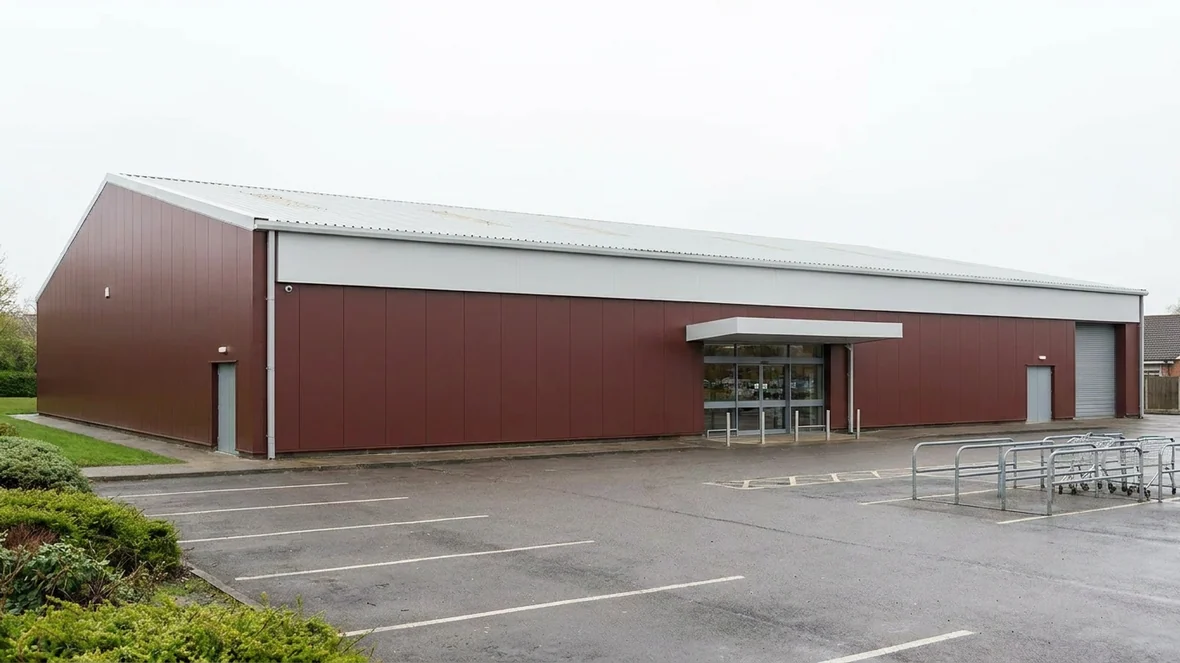
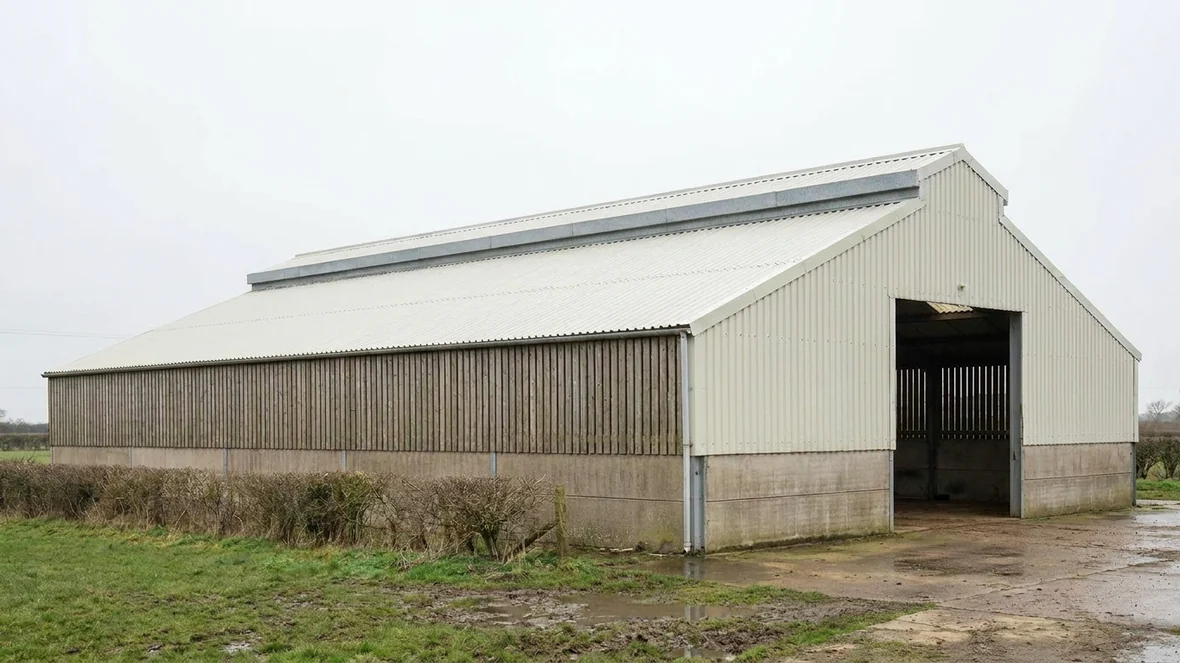
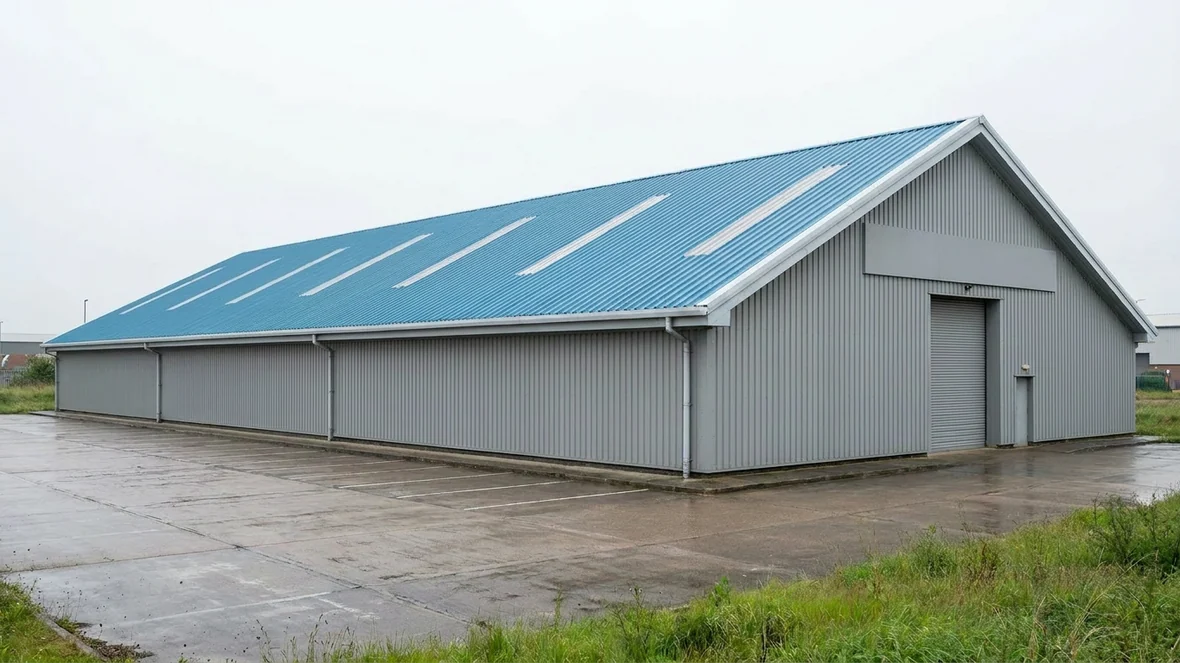
Book a free, no-obligation site survey
We coat and refurbish commercial, industrial and agricultural roofs and walls in place, right across the UK. Tell us about your building and we’ll arrange a survey at a time that suits you.
Accredited, insured and audited
IPAFPOWERED ACCESS TRAINED£10mPUBLIC LIABILITYIPAFPOWERED ACCESS TRAINED£10mPUBLIC LIABILITYWhat does your building need?
Pick the surface, then the problem. We will point you to the right service.