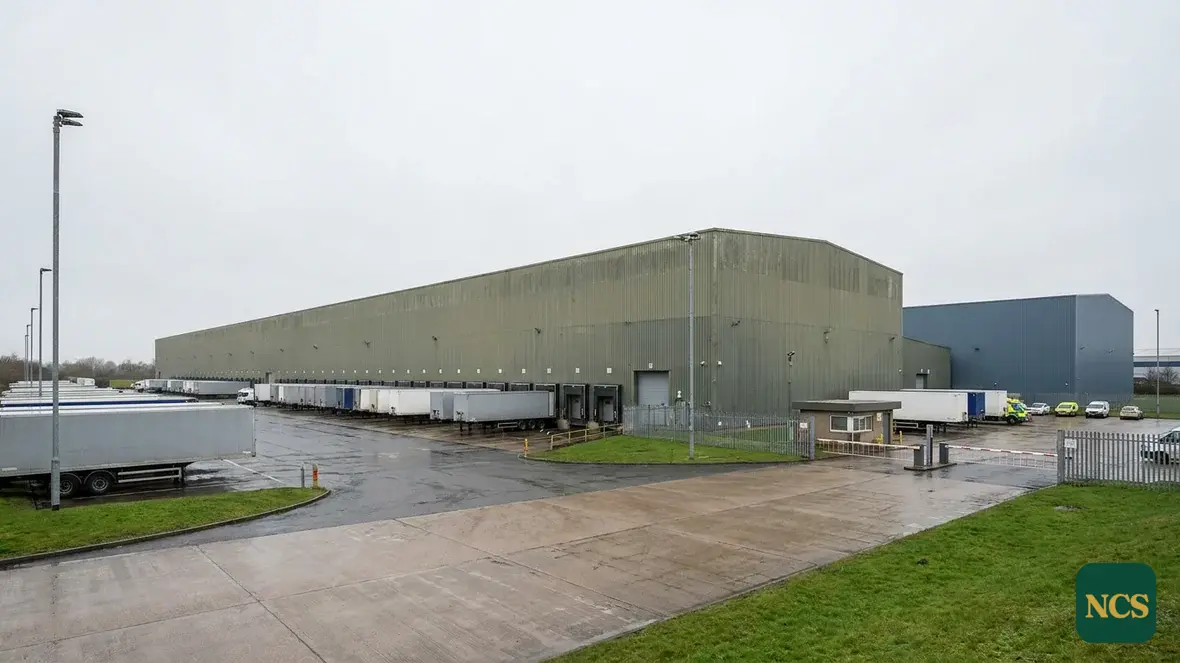




Warehouse cladding spraying: why panels fade, chalk and stain
Warehouse and distribution buildings endure constant exposure to the elements, with their steel cladding taking the brunt of UV radiation, rain, and pollution. Over time, this leads to fading, chalking, and staining as the protective coatings degrade. The large surface areas of these buildings amplify the effects, with south-facing elevations particularly vulnerable. Operational factors like forklift exhaust, loading bay traffic, and nearby industrial processes can accelerate the deterioration, leaving the cladding looking tired and reducing its protective qualities.
The combination of environmental and operational stresses means warehouse cladding often shows visible wear within a decade, sometimes sooner in coastal or heavily industrial areas. Without intervention, the underlying steel becomes more susceptible to corrosion, especially at panel overlaps and fixings where moisture can penetrate. Regular recoating is a practical solution to maintain both appearance and structural integrity, and warehouse cladding spraying is exactly that solution, applied on site.
The warehouse building stock and its cladding
Most modern warehouse and distribution buildings are constructed with steel frames clad in profiled steel panels, typically finished with plastisol or polyester coatings. These were widely adopted from the late twentieth century onwards, meaning many are now reaching the point where their original coatings are failing. The plastisol finishes common on older buildings tend to chalk and fade, while polyester coatings may show micro-cracking and loss of gloss.
The sheer scale of warehouse buildings means recladding is rarely practical, making overcoating the most cost-effective approach. Buildings from the 1990s and early 2000s are particularly likely to need attention, as their coatings were not as advanced as modern formulations. Even newer warehouses can benefit from recoating if situated in harsh environments or subject to heavy operational wear.
On-site cladding spraying for warehouses
Professional spray coating involves applying a new protective layer directly over the existing cladding, after thorough cleaning and preparation. For warehouse buildings, this is typically carried out section by section to minimise disruption to operations, with work scheduled around peak activity times. The spray application ensures even coverage across the profiled panels, reaching into the troughs where dirt and moisture accumulate.
The result is a uniform finish that restores the building’s appearance while providing renewed protection against weathering and corrosion. Modern coating systems can closely match the original colour or offer a complete refresh, with options ranging from subtle tones to high-visibility shades for branding purposes. The process causes minimal disturbance to daily logistics, with no need for internal access or racking removal.
Repainting profiled cladding on warehouses and distribution buildings by brush rarely lasts. A sprayed system on prepared panels is what restores the factory finish.
Cut edges, fixings and panel repairs
The first signs of trouble in warehouse cladding typically appear at the cut edges and fixings. These vulnerable points bear the brunt of weather exposure, with water ingress often starting around poorly sealed screw heads or where panels meet at corners. The thin protective coating on profiled steel sheets wears fastest at these high-stress areas, leaving the substrate exposed to rust and corrosion.
Our surveys consistently find that failed sealant joints and degraded edge trims account for over half of all warehouse cladding issues. The repair approach depends on the extent of deterioration. Localised damage may only need individual panel replacement with proper edge sealing, while widespread failure usually warrants full recladding. Either way, the fix must account for thermal movement in the steel framework beneath.
- Inspect all perimeter trims and flashings for gaps or detachment
- Check screw heads for rust staining indicating seal failure
- Probe cut edges with a blunt tool to test coating adhesion
- Look for chalky residue where the coating has degraded
- Assess panel overlaps for signs of capillary water tracking
Working around warehouse operations
Warehouses cannot simply shut down for cladding work. The coating process must accommodate continuous goods movement, often with zero tolerance for disruption to loading bays or racking aisles. We plan the work in phases, starting with the least critical elevations and progressing around the building as stock rotation allows.
Night shifts and weekends become essential for areas near active dock doors. Temporary containment measures prevent overspray reaching inventory, while coordination with site managers ensures forklift routes remain clear. The key is maintaining the building’s weathertight integrity throughout the works – we never leave an entire elevation exposed overnight without temporary sealing.
Why the survey comes first
No two warehouse cladding systems fail in quite the same way. The survey establishes whether the issues stem from coating breakdown, substrate corrosion, structural movement, or a combination. This diagnosis directly informs whether spot repairs, overcladding or full replacement represents the most appropriate solution.
We also assess the building’s thermal performance and condensation risk during the survey. Many older warehouses lack adequate insulation beneath the cladding, leading to internal condensation that accelerates corrosion from behind. The survey findings determine whether the recladding should incorporate thermal upgrades to prevent recurring problems.
The next step
You can read more about the wider cladding spraying service, or see how we approach warehouses & storage as a whole. When you are ready, request a free survey and we will look at the building itself before recommending anything.
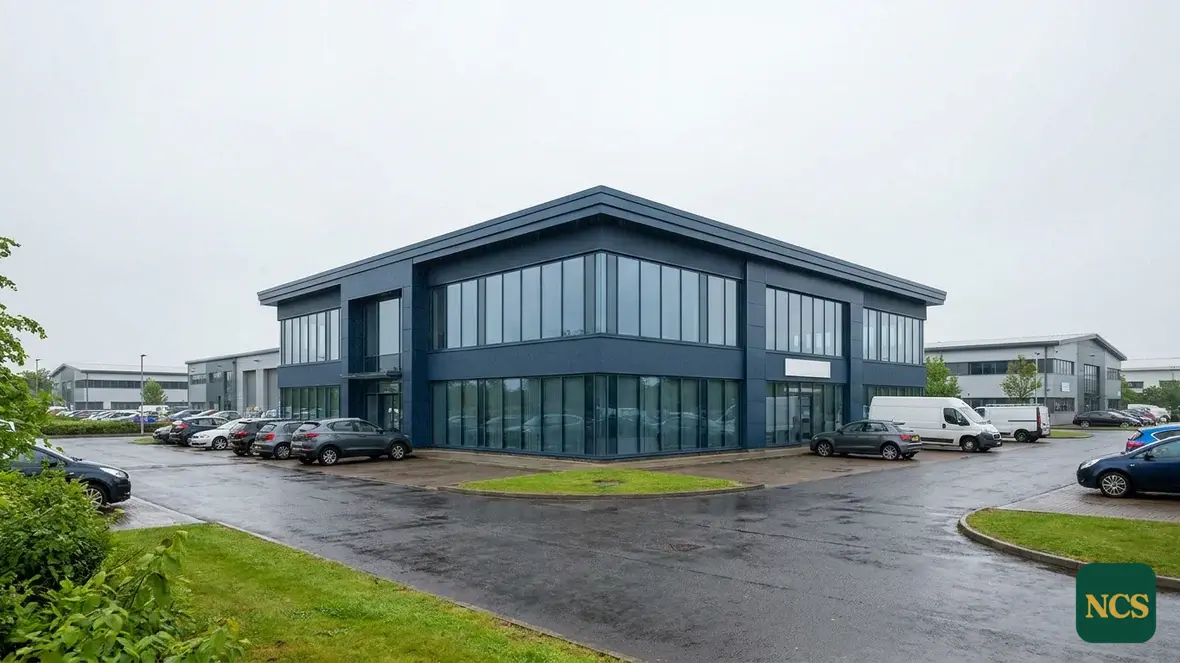
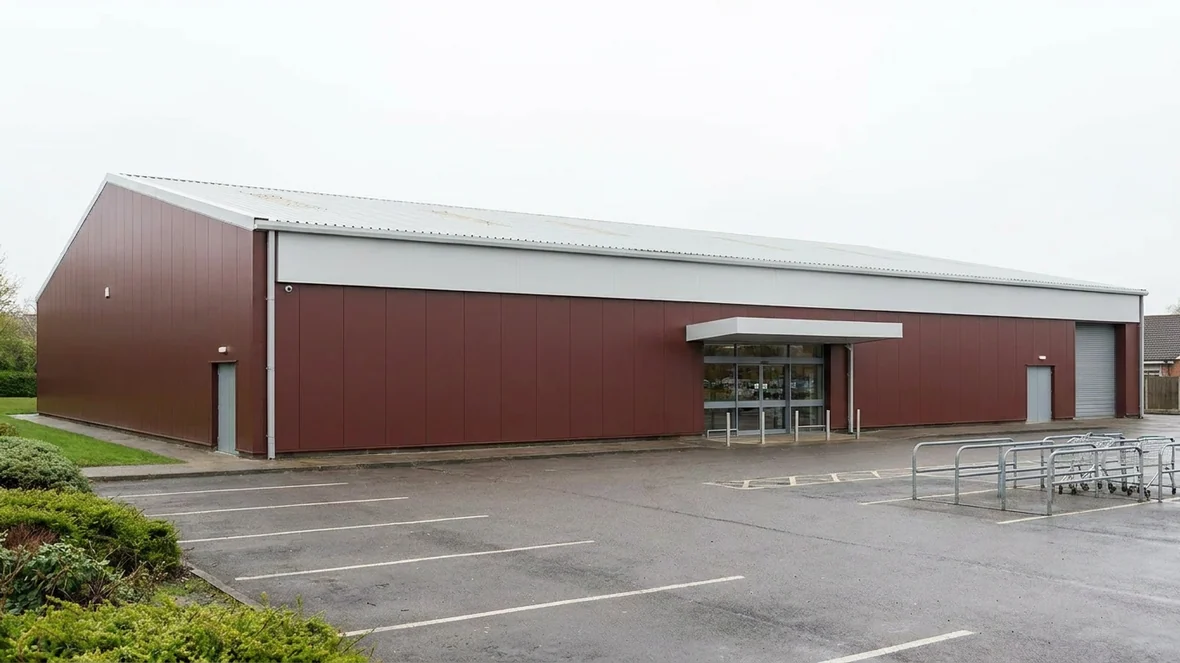
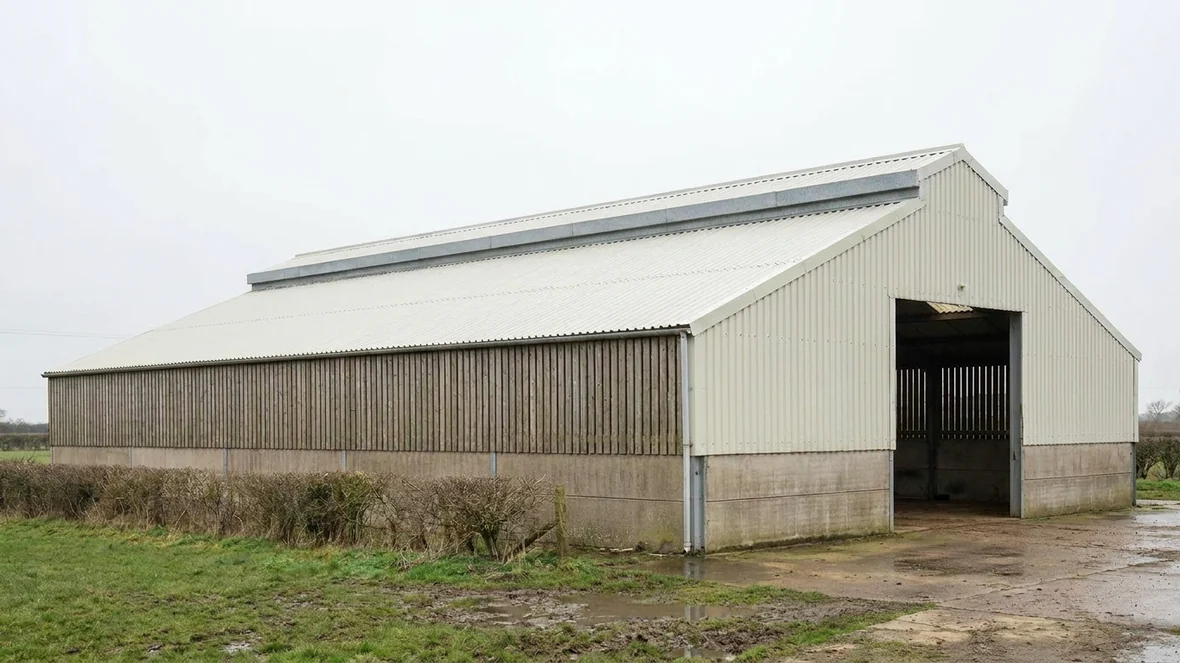
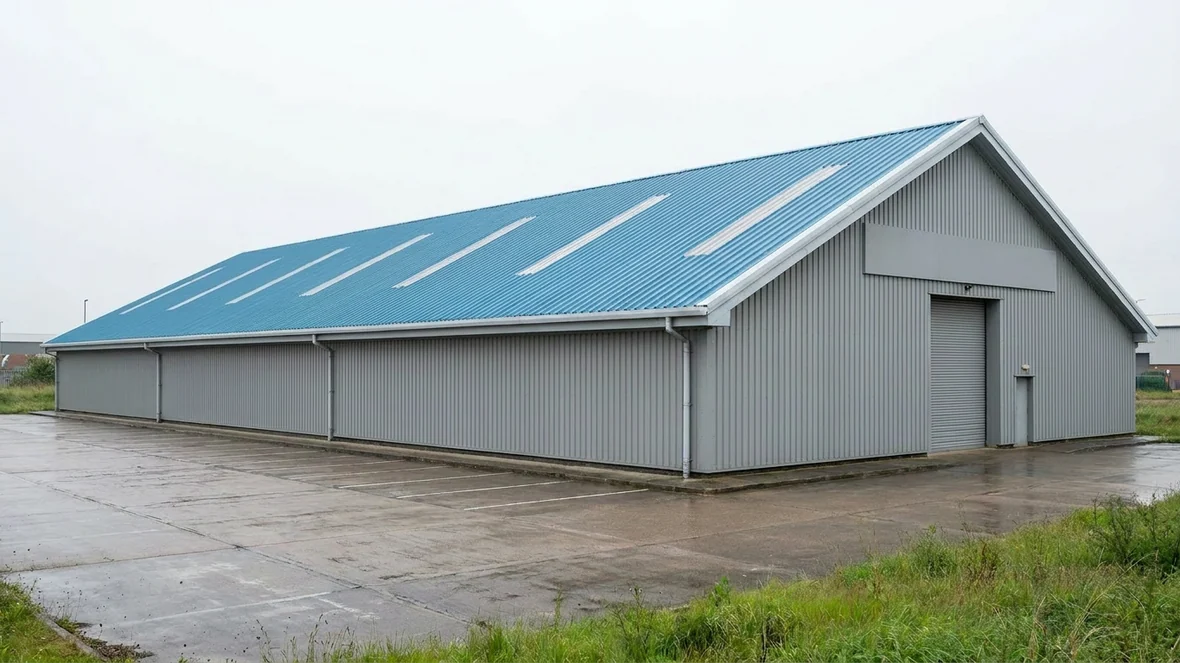
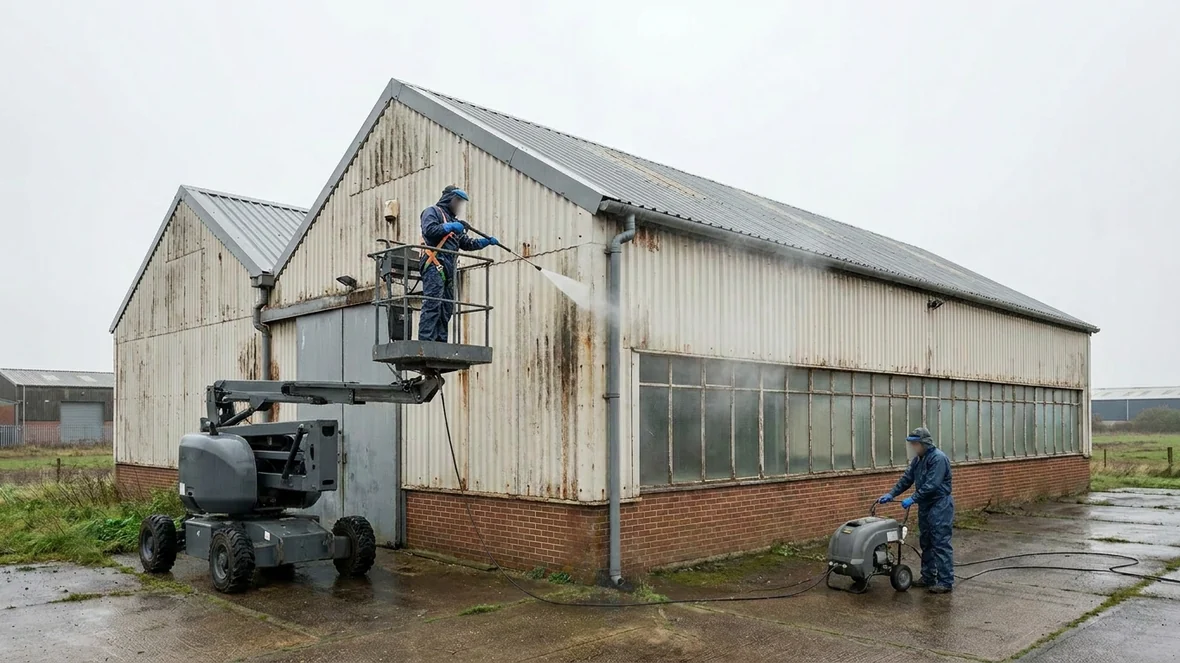
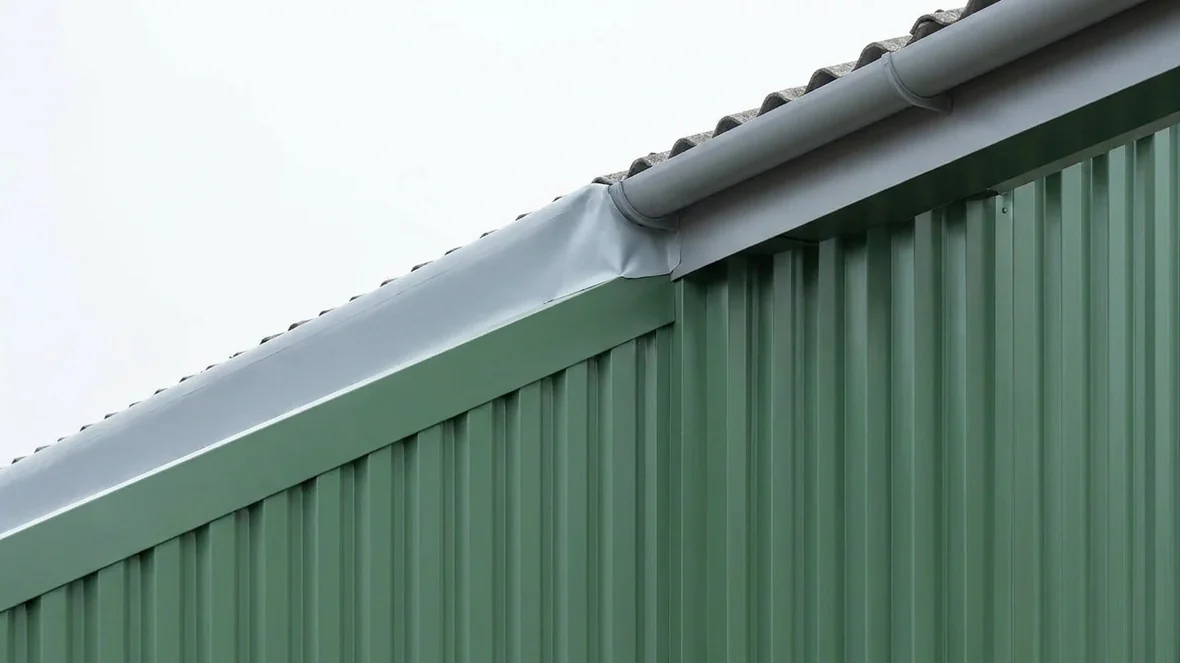
Warehouse cladding spraying: recent work we can show you
These are our own photographs from jobs of the same type. They are not stock images, and none of them is dressed up as something it is not. The caption tells you where each one was taken.
Standards behind our warehouse cladding spraying work
Tall warehouse elevations are usually reached with mobile platforms working around live loading bays, agreed at survey stage. Our teams plan every job around the HSE’s work at height guidance, and we hold CHAS accreditation so the health and safety paperwork a facilities or estates team asks for is ready before the first van arrives.
Common questions about warehouse cladding spraying
Can faded warehouse cladding be sprayed?
Usually, provided the panels and their existing finish remain suitable for coating. Fading and chalking are often surface-ageing problems rather than reasons to replace sound cladding. We inspect the substrate, check adhesion and identify corrosion, failed repairs or incompatible previous coatings before specifying the preparation required.
Can you spray warehouse cladding that has started to rust?
Localised corrosion can often be prepared and treated before coating. Spraying over active rust is not an adequate repair. Where corrosion has perforated panels, weakened sheet edges or become widespread around laps and fixings, selective or complete replacement may be the more sensible course.
Can warehouse cladding spraying be carried out while the building is occupied?
In many cases, yes. We plan access, exclusion areas, masking and spraying around the building’s operations. Air intakes, doors, loading bays, parked vehicles and neighbouring property all require consideration. If overspray cannot be controlled safely while a particular area is in use, that part of the work must be rescheduled or isolated.
What weather is needed for spraying warehouse cladding?
The surface must be sufficiently dry and within the coating’s permitted application conditions. Rain, condensation, strong wind and unsuitable temperatures can all interrupt work. We assess the cladding itself rather than relying solely on a general forecast, as metal panels may remain cold or damp after the surrounding air has changed.
Do I need permission to change the colour of warehouse cladding?
Not always, but it should be checked before work begins. Planning conditions, lease terms, estate requirements, listed status and conservation restrictions may affect an external colour change. Keeping a similar colour does not automatically remove every consent requirement, particularly on prominent or sensitive sites.
Warehouse cladding coating or replacement
Coating is generally appropriate where the cladding is fundamentally sound but its appearance and protective finish have deteriorated. It retains the existing panels, creates less disruption than wholesale removal and allows local repairs to be dealt with as part of a planned refurbishment.
Replacement wins when the panels no longer provide a reliable substrate. That includes extensive perforation, serious loss of metal around fixings and laps, distorted sheets, persistent water ingress caused by the cladding system itself, or widespread failure that cannot be dealt with through isolated repairs.
Replacement may also be necessary where the project needs to improve insulation, alter the wall build-up or satisfy a fire, structural or design requirement that a surface coating cannot address. A decorative or protective coating does not upgrade an unsuitable panel assembly, correct defective detailing or restore missing structural capacity.
The choice need not always be all or nothing. Selective panel replacement followed by warehouse cladding spraying can be a practical option where damage is limited to particular elevations, impact zones or sheet ends. We base the recommendation on survey findings rather than treating coating as the answer to every tired-looking building.
Preparing laps, fixings and panel edges for spraying
Broad areas of cladding are usually the straightforward part of the work. The more demanding details are sheet laps, cut edges, fastener heads, sealant lines, penetrations and places where water or dirt has been retained. These areas tend to reveal whether the preparation has been thorough.
We remove adherent dirt, chalking, loose coating and corrosion products using methods suited to the substrate. Existing finishes are checked for adhesion, while glossy or otherwise unsuitable surfaces may require additional preparation to provide a dependable key. Cleaning residues must be removed rather than allowed to dry back onto the elevation.
Loose or failed sealant is not simply buried beneath coating. It is assessed separately, because movement joints and weather seals have a different function from the panel finish. Damaged fixings, insecure flashings and open laps should also be addressed before spraying; coating cannot restrain loose components or bridge significant movement reliably.
Masking is planned around glazing, signage, vents, rooflights, doors, cameras, external equipment and adjoining finishes. We also consider wind direction and the position of air intakes before application begins. At edges and awkward details, controlled application and additional attention may be needed to achieve coverage without excessive build, runs or overspray.
Once the coating has cured sufficiently, we inspect the completed surfaces from practical viewing positions and check the detailed areas again. Minor misses often occur behind profiles, beneath flashings or around protrusions rather than across the open face of a panel, which is why a final detail inspection matters.