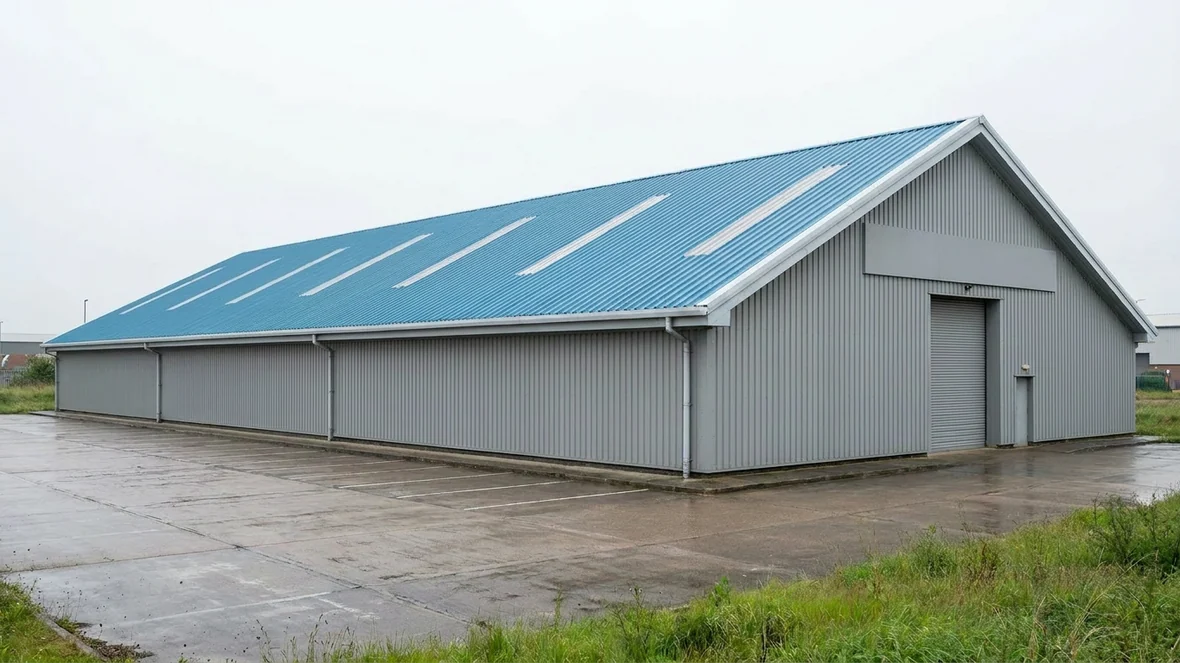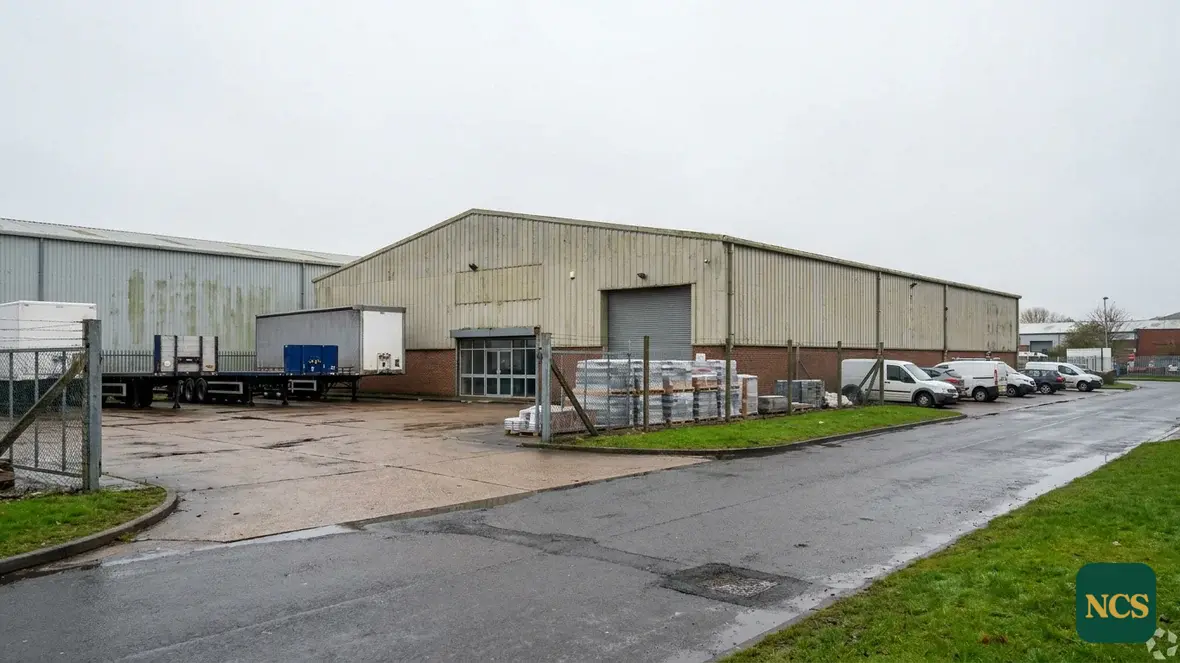




Warehouse roof coating
Warehouse roof coating starts with a proper survey, not a guess. Here is what that survey usually finds on distribution and logistics buildings, and the route we recommend once we have seen it.
Why warehouse roofs reach the coat-or-replace decision
Warehouse and distribution buildings endure some of the harshest roof conditions in commercial property. Constant exposure to wind, rain, and UV light accelerates ageing, while heavy foot traffic from maintenance and equipment adds physical stress. For older roofs nearing the end of their design life, these cumulative stresses often force a critical decision: whether to coat the existing roof or replace it entirely.
Operational imperatives also drive the decision. Distribution centres and logistics hubs operate round the clock, with goods moving in and out 24 hours a day. Downtime for major roof repairs or replacement can disrupt operations significantly, making a coating solution that extends roof life without extended site closure particularly attractive. However, coating is only viable where the existing roof structure and substrate remain sound.
The warehouse roof stock and how it fails
Most warehouse roofs in the UK are profiled metal sheets, typically steel with a protective coating applied during manufacture. These sheets sit atop steel frames clad with insulation boards and protective membranes. While robust, these roofs face multiple failure modes over time. The most common issues are corrosion at sheet edges and fixings, splitting along panel seams, and degradation of the factory-applied protective coatings.
Roof age plays a significant role in failure patterns. Older roofs installed before modern protective coatings became standard are particularly prone to corrosion and fatigue cracking. Even newer roofs can fail prematurely due to improper installation, inadequate maintenance, or exposure to harsh environmental conditions. Understanding the specific substrate and failure mode is crucial in assessing whether coating is feasible.
Plenty of these enquiries arrive as roof painting for warehouses and distribution buildings, and done properly that is what the work is: a surveyed deck, treated steel and a liquid system rather than a cosmetic coat.
What roof coating does for warehouses
For viable warehouse roofs, coating can provide significant benefits. It seals existing leaks, protects against future corrosion, and extends overall roof life. Coating also improves thermal performance by reducing heat gain in summer and heat loss in winter, potentially lowering energy costs. However, coating is not a universal fix. Severely corroded or structurally compromised roofs must be replaced instead.
Coating candidacy depends on thorough assessment. Factors like roof age, existing substrate condition, and operational constraints all influence feasibility. The coating process itself must accommodate warehouse operations, avoiding disruption to goods movement and dock door access. Only a full survey by qualified professionals can determine whether coating is the right solution for a given warehouse roof.
Leaks, fixings, rooflights and gutters
The first step in any warehouse roof coating project is addressing existing issues that would compromise the new system. On profiled steel roofs, leaks most commonly occur at failed fixings, cracked rooflights, or blocked gutters. Each requires a different approach. Loose or corroded fixings need resealing or replacement to prevent water ingress through the fastener holes. Polycarbonate rooflights become brittle with age and UV exposure, often needing full replacement rather than repair. Gutters packed with debris from the yard below must be cleared and checked for proper fall before any coating work begins.
- Reseal or replace failed fixings to prevent leaks at fastener points
- Assess rooflights for UV degradation and cracking
- Clear gutters of debris and verify drainage fall
- Check flashings at parapets and penetrations
- Identify any substrate corrosion needing treatment
Planning around warehouse operations
Coating work on a live warehouse cannot disrupt the constant flow of goods. The work plan starts with understanding the building’s shift patterns, peak delivery times, and critical access routes. Most coating applications are scheduled for weekends or overnight shifts when forklift traffic is lightest. Areas around dock doors and trailer yards are phased to keep loading bays operational. Inside, racking tight to the walls means access equipment must be carefully selected – sometimes requiring specialised low-profile platforms that can work within the narrow aisles.
Communication with the warehouse team is essential. They know which roof areas leak first in heavy rain, which gutters overflow most often, and where previous repairs have failed. Their input shapes both the work sequence and the choice of coating system to match the building’s actual use patterns rather than theoretical assumptions.
Why the survey comes first
Every warehouse roof has unique combinations of age, substrate condition, and operational pressures that determine the right coating approach. A proper survey maps these variables systematically. It identifies areas where the steel profile has flattened under years of foot traffic, sections with incompatible previous coatings, and zones where roof access constraints will dictate application methods. Without this groundwork, even the best coating products cannot perform as intended.
The survey also verifies whether the roof can safely bear the weight of coating crews and equipment. On older structures, this sometimes means reinforcing purlins or adding temporary walkways before any coating work begins. What looks like a simple recoating job often reveals underlying issues that must be resolved first – which is why the survey drives the specification rather than the other way around.
Where this sits in our work
This work runs under our roof coating service, alongside everything else we do for warehouses & storage. If one of these buildings is on your list, book a free survey and a surveyor will walk it before anything is specified.
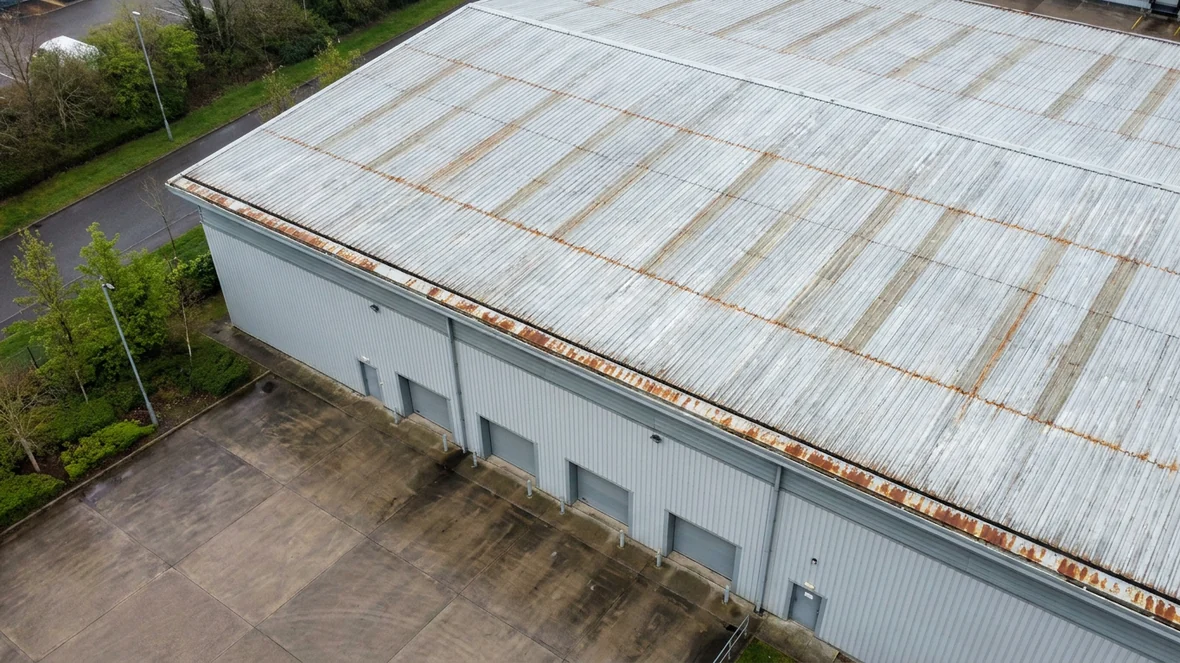
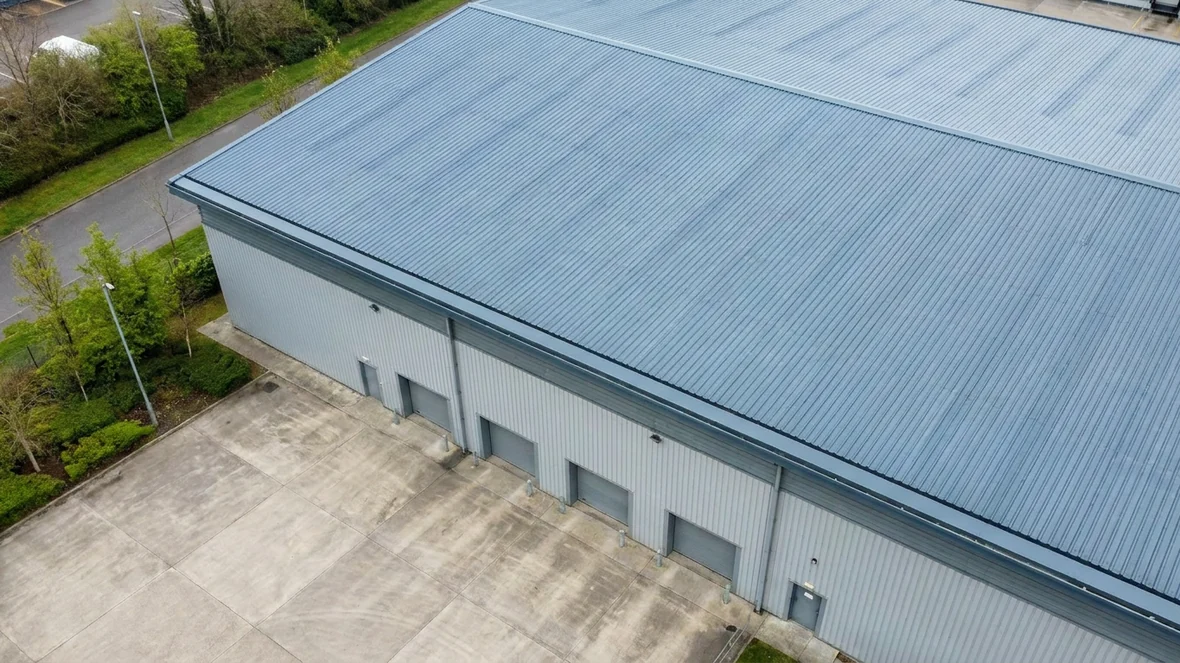
Warehouse roof coating: recent work we can show you
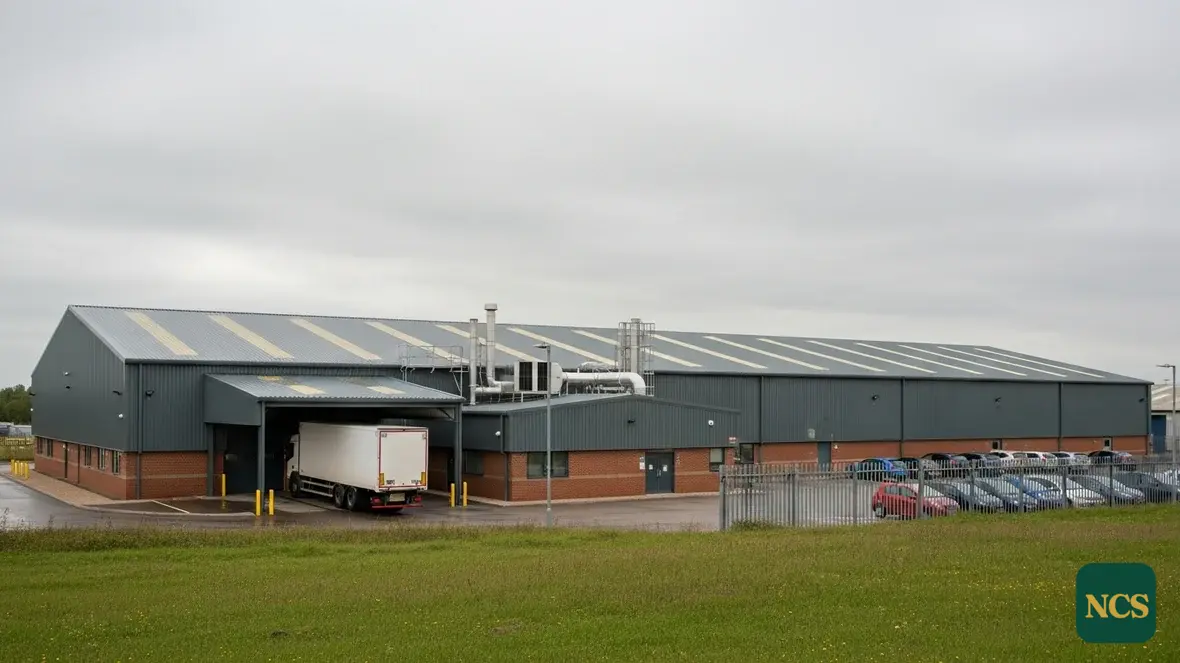
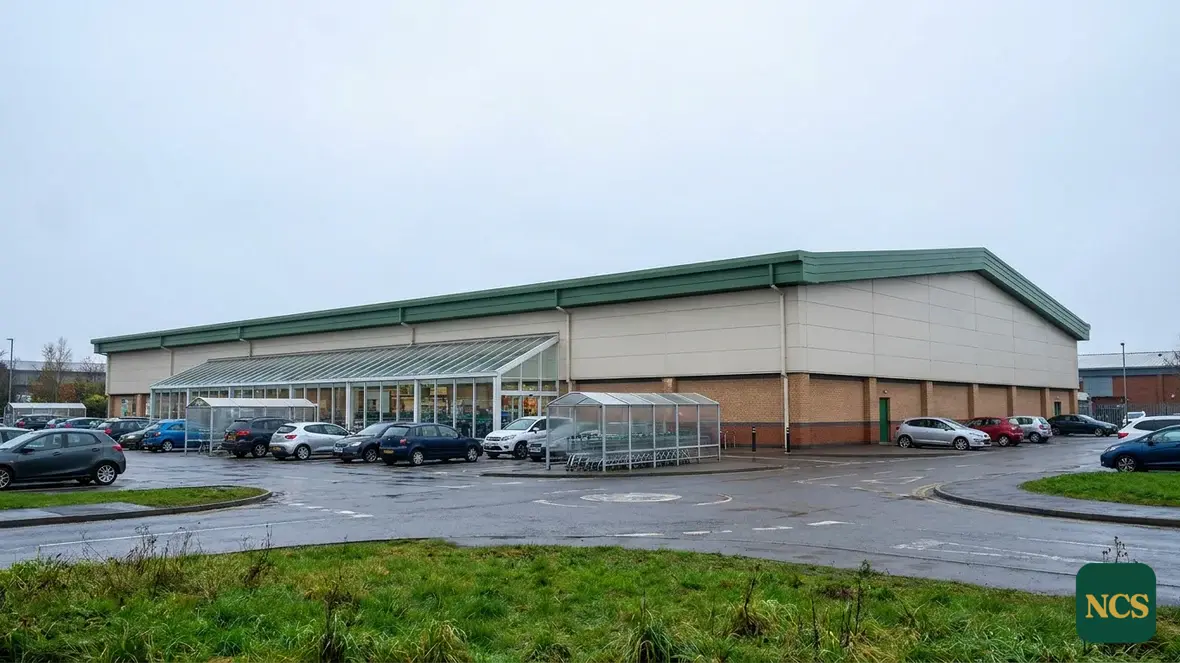
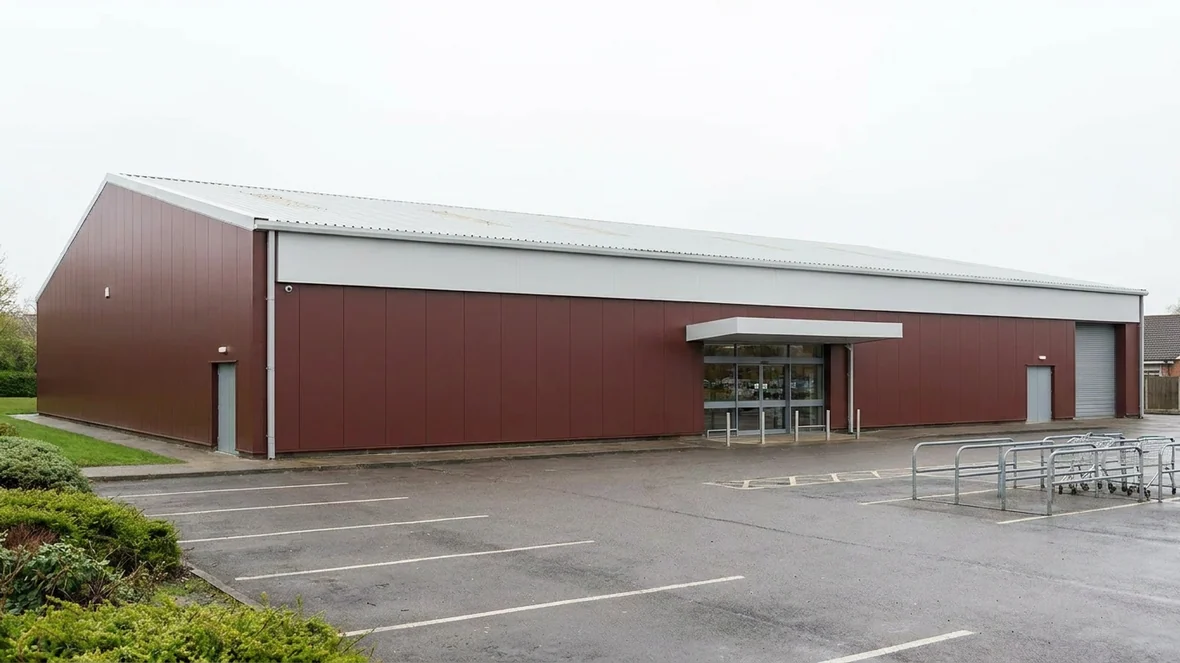
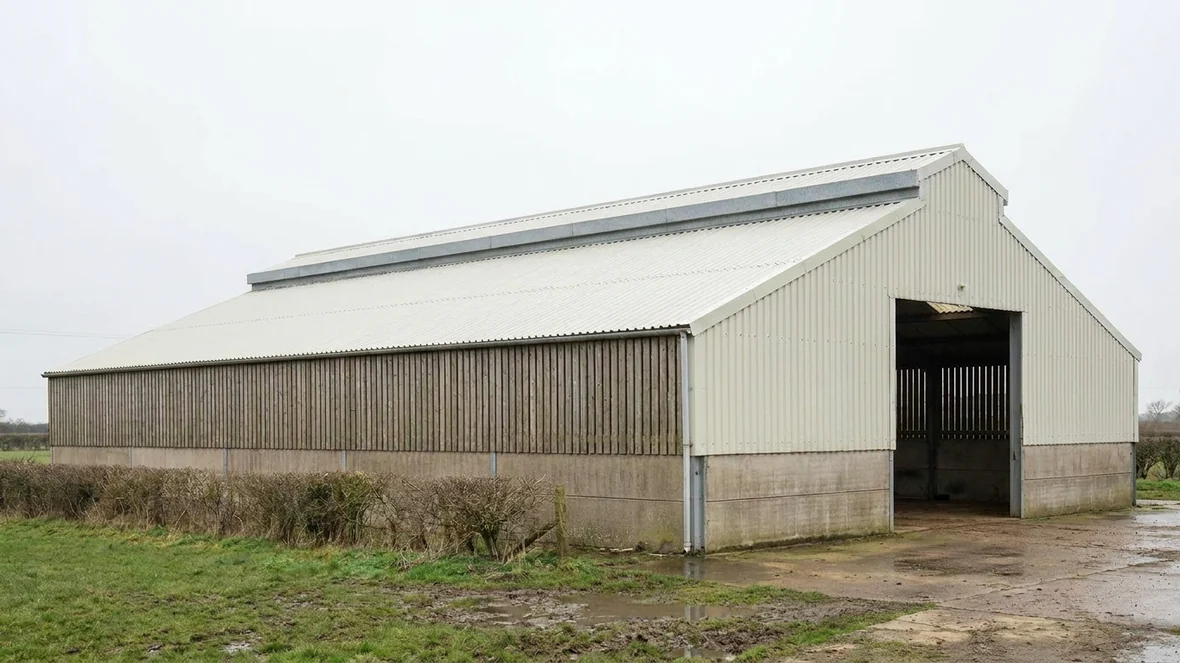
These are our own photographs from jobs of the same type. They are not stock images, and none of them is dressed up as something it is not. The caption tells you where each one was taken.
Standards behind our warehouse roof coating work
Warehouse roof work is planned around fragile rooflights, live racking below and 24-hour operations from the survey onwards. Our teams plan every job around the HSE’s work at height guidance, and we hold CHAS accreditation so the health and safety paperwork a facilities manager or site engineer asks for is ready before the first van arrives.
Common questions about warehouse roof coating
Can a warehouse roof be coated instead of replaced?
Often, yes, provided the roof sheets and supporting structure remain serviceable. Coating cannot compensate for severely weakened sheets, widespread corrosion or structural movement. We survey the roof first, identify defects and determine whether repair and coating are technically appropriate.
Will warehouse roof coating stop leaks?
A coating can help protect a sound, properly detailed roof, but it should not be treated as a blanket cure for leaks. Failed fixings, open laps, damaged sheets, defective gutters and poorly sealed penetrations must be addressed before coating. Otherwise, water may continue to enter beneath the finished surface.
Can a rusty metal warehouse roof be coated?
Surface rust does not necessarily rule out coating. Loose corrosion must be removed, affected areas prepared and any sheets that have lost their integrity repaired or replaced. Particular attention is required around cut edges, fixings, laps and areas where water regularly sits.
What is the best time of year to coat a warehouse roof?
Application depends more on suitable conditions than on a particular month. The roof must be sufficiently dry, and temperature, wind, humidity and the likelihood of rain all need to be considered. We plan the work around a realistic weather window rather than applying material to a marginal surface.
Can an asbestos cement warehouse roof be coated?
It may be possible where the sheets are in suitable condition, but the work requires careful assessment and controlled methods. Preparation must avoid unnecessary disturbance of the material. The roof type, condition, access arrangements and applicable safety requirements should all be established before work begins.
How we prepare roof details before coating
The broad areas of a roof are usually straightforward. The quality of warehouse roof coating is more often determined by the treatment of edges, joints, fixings and penetrations. These details must be prepared before the main coating is applied.
Cleaning and surface assessment
We remove dirt, loose material, organic growth and poorly adhered previous coatings using methods suited to the roof substrate. Cleaning also exposes defects that may have been hidden beneath debris. Once the surface is dry, we check whether it provides a stable base for the proposed coating system.
Corrosion and cut-edge preparation
Corrosion is prepared back to a firm edge rather than simply covered. Cut edges and sheet ends require particular care because moisture can work beneath the original finish and cause it to lift. Any unsound material is removed before the exposed area receives the appropriate preparatory treatment.
Fixings, laps and penetrations
Loose or failed fixings, open sheet laps and defective seals are dealt with individually. Rooflights, vents, flues and other penetrations are checked at their junctions with the roof covering. We avoid relying on excessive coating thickness to bridge gaps that should first be repaired or sealed correctly.
- Gutters and outlets are cleared so water can drain freely.
- Loose coatings are removed to a sound boundary.
- Damaged sheets and suspect fixings are identified for repair.
- Laps, edges and penetrations are detailed before the main roof area.
- Prepared surfaces are allowed to dry before coating begins.
Applying the coating evenly
Coating is applied only when the prepared surface and weather conditions are suitable. We work methodically across the roof, maintaining coverage around profiles and previously detailed areas. Final checks concentrate on missed sections, thin edges, water traps and places where access or roof geometry makes consistent application more difficult.
Detailing Roof Sheets, Laps and Fixings Before Coating
A warehouse roof coating is only as dependable as the preparation beneath it. Before applying the main coating, we inspect the roof sheet by sheet and deal with local defects that could interrupt adhesion or allow water to track beneath the finished system.
Sheet laps and edges
Side laps, end laps and cut sheet edges are common points of weakness. We remove loose material, corrosion and failed previous coatings before preparing the exposed surface. Where lap details have opened or deteriorated, we carry out suitable local treatment before applying the wider roof coating.
Fixings and penetrations
We check roof fixings, washers, vents, ducts and other penetrations for movement, corrosion and failed seals. Coating over an unstable fixing or defective junction simply conceals the problem, so these areas are addressed individually and allowed to cure as required.
Practical preparation includes:
- removing dirt, chalking, moss and poorly bonded coatings;
- preparing corroded areas to a sound, stable surface;
- treating exposed edges, laps and fastener heads;
- checking junctions around rooflights and penetrations;
- keeping outlets and drainage paths clear; and
- confirming that the prepared roof is clean and dry before coating.
We then apply the warehouse roof coating methodically, maintaining coverage around profiles, seams and awkward details. Particular care is taken at changes in level and direction, where hurried application can leave thin or incomplete areas.