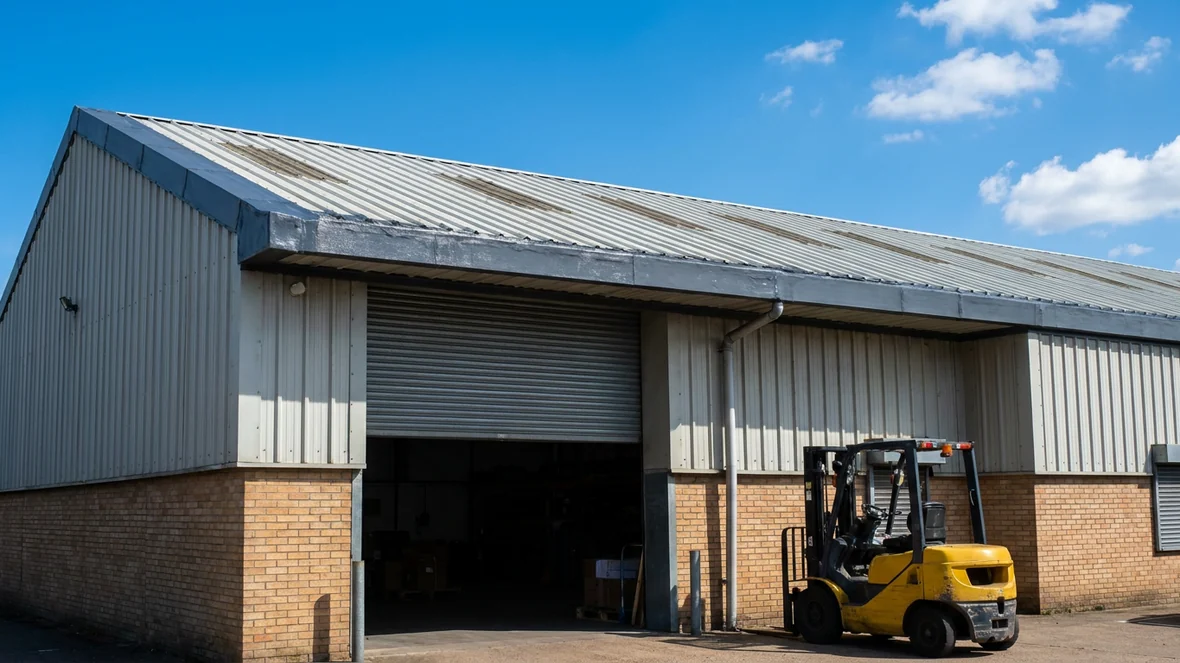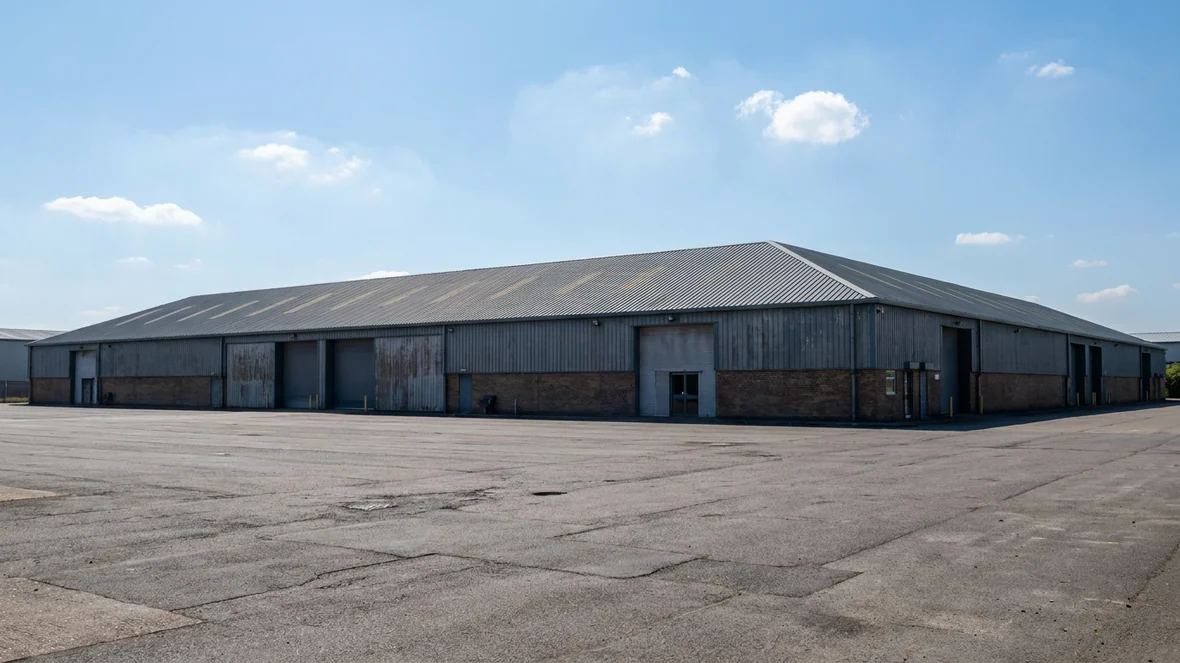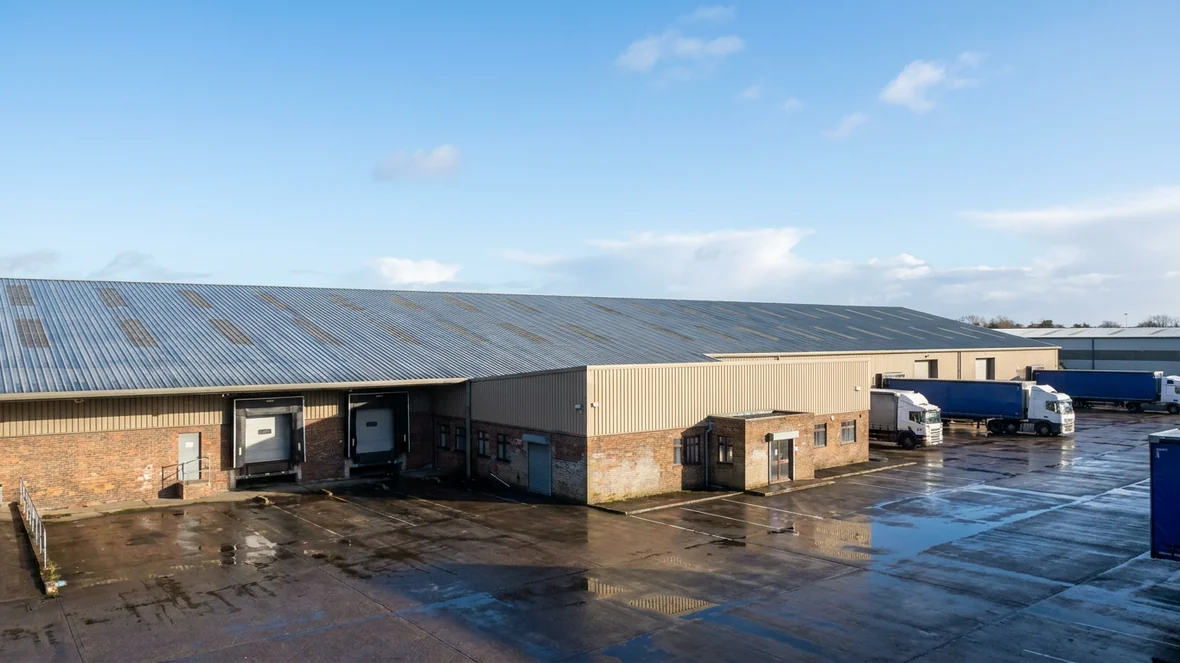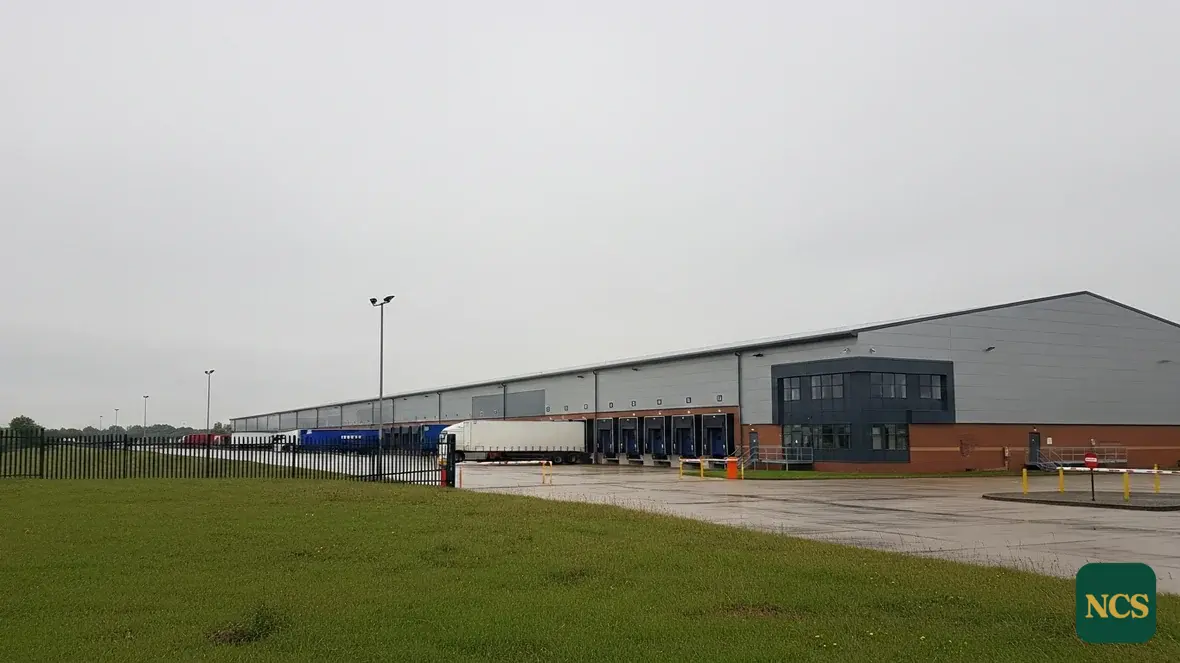









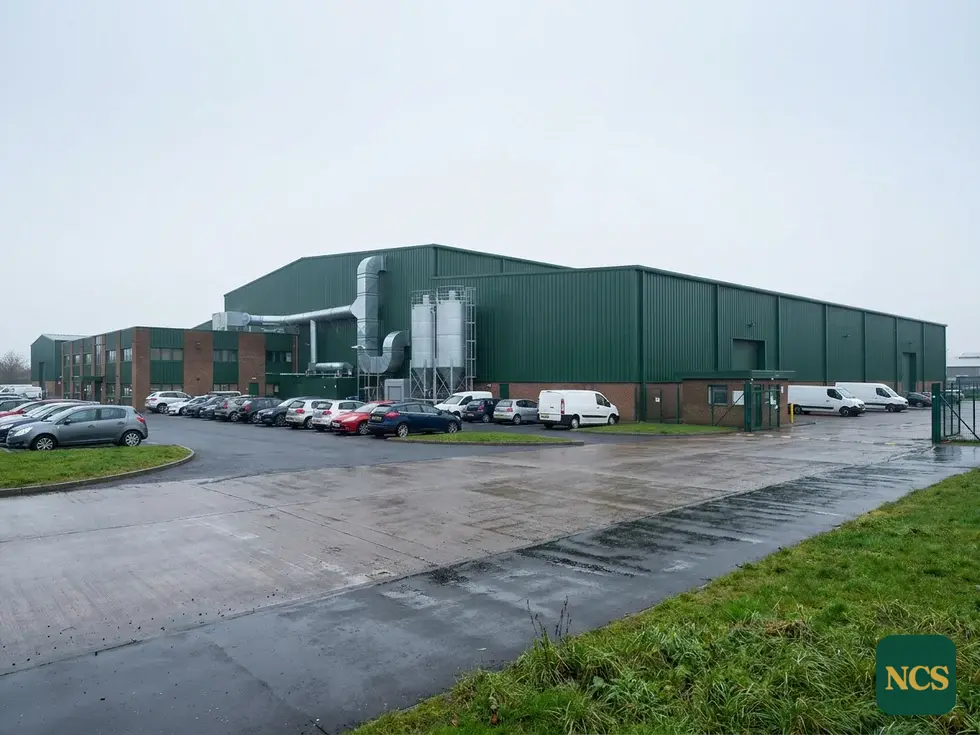
There is a certain irony in the steel city’s roofs rusting, but the mechanism is no joke if you own one of them. Sheffield’s industrial stock, from the large works sheds of its metals trades to newer units on the estates along the valley floors, is roofed overwhelmingly in profiled coated steel, and coated steel always corrodes first at its cut edges. Add the city’s exposed, Pennine-edge weather and those edges get little rest. Here is how the problem works, what treating it involves, and where treatment honestly stops being worth doing.
Cut edges: the gap in the protection
A coated roof sheet is protected on its faces and bare along the line where it was cut. Build a roof from those sheets and the bare lines sit at the end laps, side laps and gutter edges, the positions that hold water longest. Rust takes hold on the exposed steel and then spreads backwards beneath the coating, lifting it from the metal as it goes. Within the laps, trapped moisture drives the same process around the clock, hidden from view until the coating starts to bubble and peel at the lap lines.
It is worth stressing that this is a materials issue, not a workmanship one. The same detail exists on every profiled coated roof in the country; exposure and drainage simply decide how quickly it matters on yours.
Exposure speeds everything up
Sheffield roofs work harder than most. Driving rain off the high ground, longer wet spells, and freeze-thaw cycles through winter all push moisture at the sheet ends and pick at any coating that has already lifted. On exposed elevations, edge corrosion is often further advanced than the age of the roof alone would suggest. The practical lesson is to inspect sooner and trust the roof’s appearance from ground level less; by the time edge rust is obvious from the yard, it has usually been running for years.
What you get from treating it early
Treatment at the right stage is a contained, external job: edges prepared back to sound steel, corrosion-inhibiting primer applied, laps and gutter lines sealed with a flexible coating system. It costs a fraction of resheeting and keeps the building working throughout. What it buys you:
- The corrosion stopped before it reaches perforation
- Existing sheets kept in service rather than scrapped
- Leak risk at the laps and gutters dealt with at source
- A roof returned to planned maintenance rather than crisis management
The point where sheets are past saving
We will not coat a roof that cannot carry it. Perforated sheet ends, laps rusted through across large sections, or steel thinned to weakness are beyond treatment, whatever any sales pitch claims, and our survey report will say exactly that, with the photographs to back it. At that point the honest conversation is about partial resheeting, full replacement or over-roofing, and we will have it with you plainly. Recommending the wrong fix to win a job is how contractors end up back on the same roof explaining a failure. If you are weighing a treatment quote against a replacement quote, ask both contractors for photographs of the sheet ends and laps; the steel itself settles the argument better than any sales pitch.
Survey-led, Sheffield covered
Every quotation we issue starts on the roof: laps, edges, gutters, fixings and the wider coating condition, all recorded and reported. Where the factory finish is fading across the whole roof, we will set out the case for combining edge treatment with a full roof coating in one visit, against doing the edges alone now and the rest later. We are based in the South East and work across England, Sheffield and South Yorkshire included. Tell us what you are seeing, or what your inspection found, and we will book the survey.