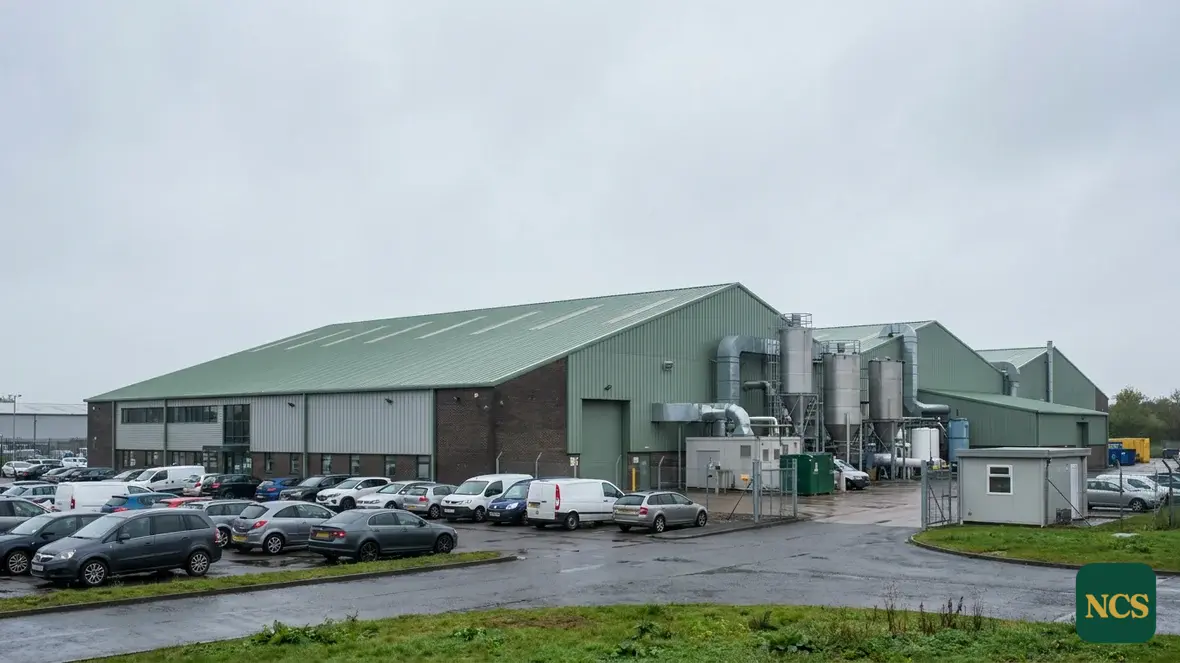
Sheffield knows steel, and most of its industrial roofs are made of it. The city’s stock runs from larger sheds in the old industrial valleys, long since refitted for modern manufacturing and distribution, to portal frame units built from the 1980s onward. Almost all of it sits under profiled metal sheet, and a great deal of that sheet is now at the stage where the factory finish has given up before the steel has. That is precisely the window where an industrial roof coating earns its keep, and where National Coating Specialists do their work.
A steel city with steel roofs
We’ve seen the same pattern across Sheffield’s industrial estates time and again. The protective finish rolled onto profiled sheet at manufacture lasts a few decades. The steel beneath it lasts much longer, provided it is not left exposed. When the finish chalks, fades and lifts, the clock starts on the metal itself. This happens fastest at the cut edges and laps where there was never any protection at all. Facilities teams who act inside that window pay for preparation and coating. Teams who wait pay for sheet repairs first, and eventually for a new roof. The building has not changed. The timing has.
How coating extends a sound metal roof
A coating system reinstates what the roof has lost: a continuous protective layer over sound steel. After cleaning and preparation, we treat corroded details. We seal laps and fixings, and then overcoat the whole surface to form a fresh weatherproof envelope. The result is a roof that sheds water properly again and a corrosion process that has been stopped rather than hidden. Against the alternative of scaffolding, strip-off, weeks of programme and an operation working under temporary cover or not at all, the case for industrial roof coatings usually makes itself. But only when the substrate justifies it.
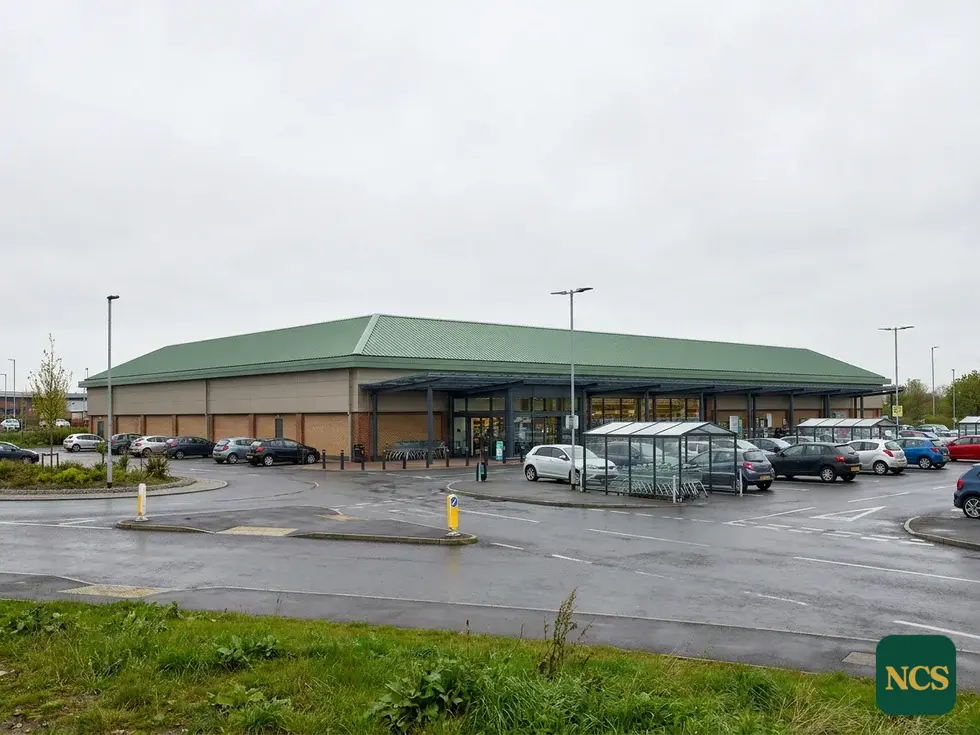
Cut-edge corrosion on older sheets
Cut-edge corrosion needs taking seriously on Sheffield’s older industrial buildings because age compounds it. The longer rust has had at the sheet ends, the further it has crept back beneath the finish and the thinner the metal at the laps has become. Our surveys grade it honestly: edges that need preparation and priming, laps that need sealing, sections that need sheet repairs before any coating, and areas where the metal is simply too far gone. That grading drives the price, which is why we will not produce a number until someone has stood on the roof.
Working alongside continuous production
Manufacturing in this city often runs shifts around the clock, and our method is built for that:
- External application throughout, with the roof never opened up
- Working hours and noisy preparation scheduled around your shifts
- Exclusion zones and access routes agreed with your safety team in advance
- Sectional working so sensitive bays are covered when you choose
- A named contact and a daily progress picture for your facilities lead
Production carries on below. The roof improves above. That is the whole arrangement.
The roofs we turn down
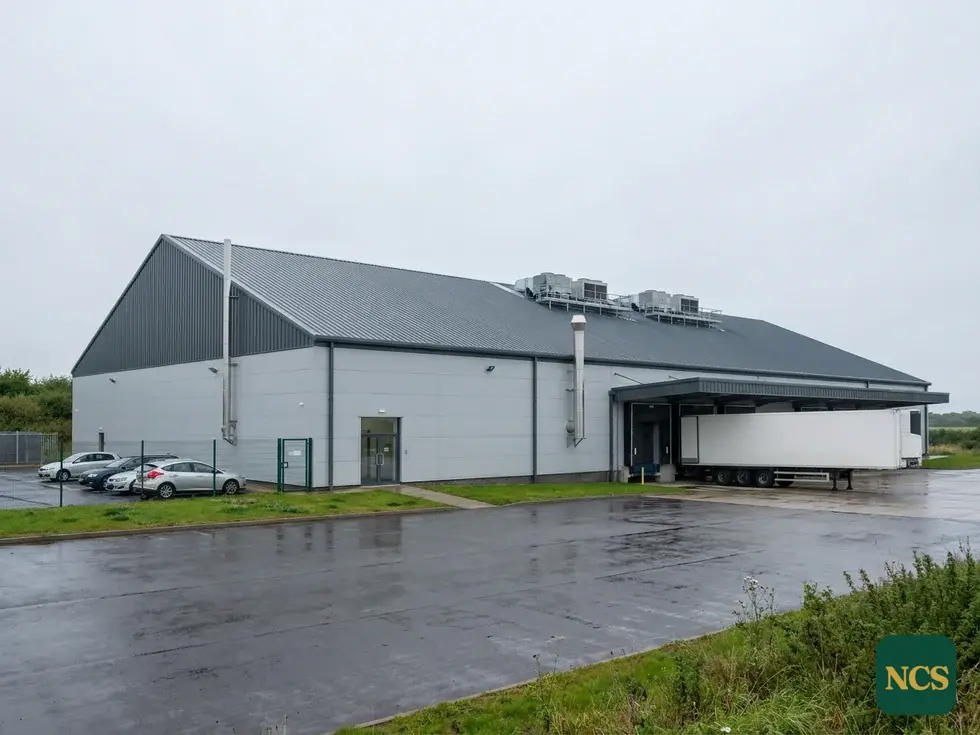
Not every roof in Sheffield should be coated. We say so when it is true. Widespread perforation, corrosion advancing from the underside, soaked insulation or a deck with structural problems all point to replacement or overcladding. Our written report will recommend accordingly even though it takes us off the job. We work UK-wide from our South-East base. The only way that model works is by telling every client the truth about their roof, including the unwelcome version.