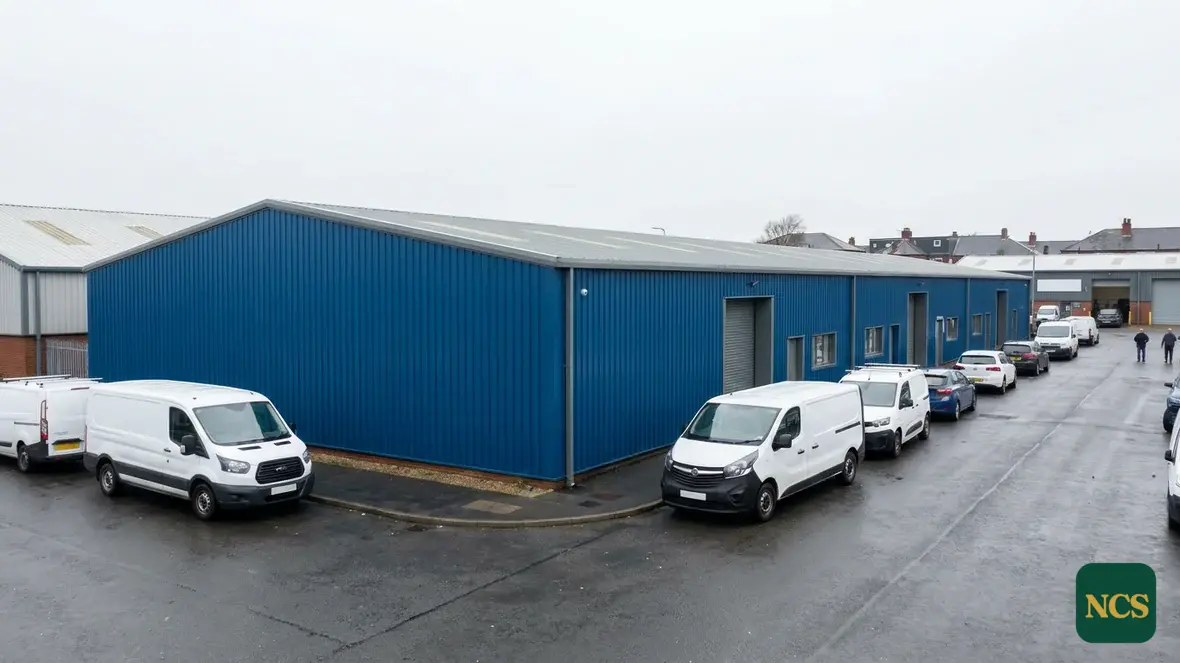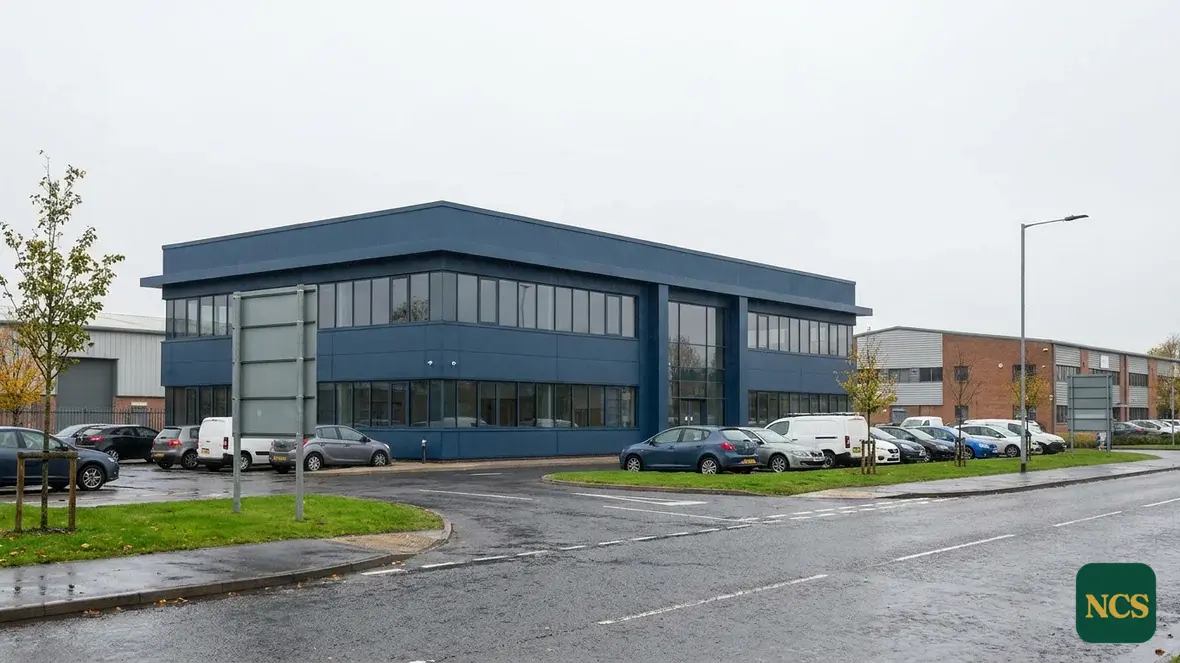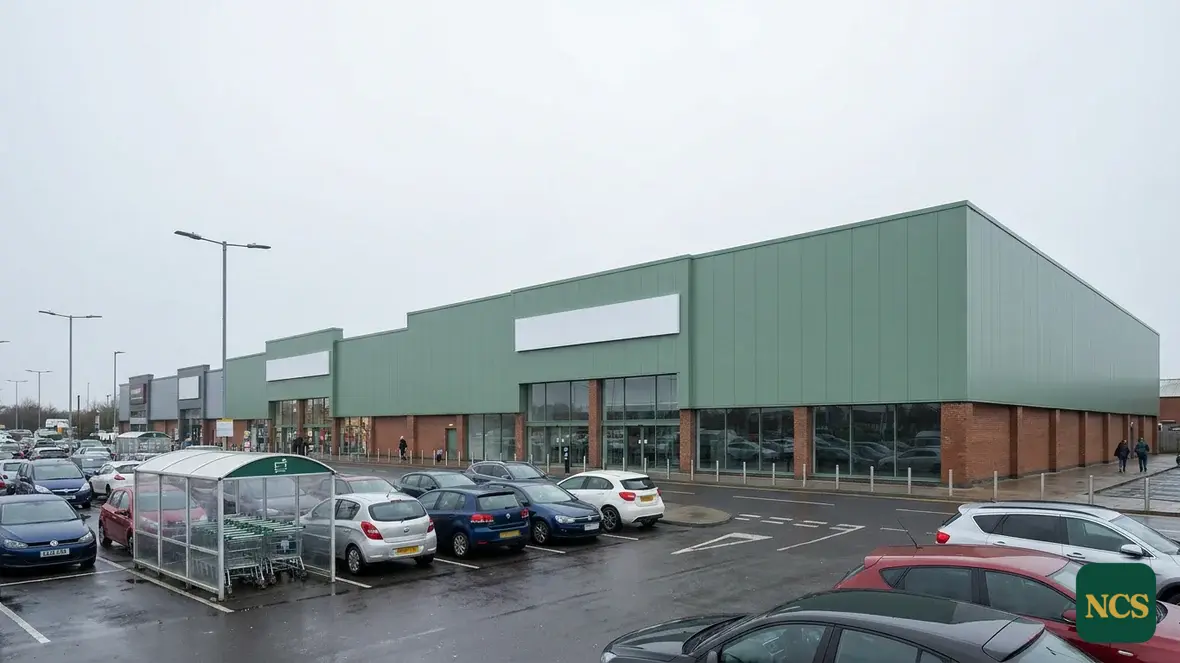
Cladding spraying in Sheffield
Sheffield’s industrial estates are full of buildings that have worked hard for decades, and plenty of them are showing their age on the outside. We spray cladding to renew the finish on profiled steel and composite panels. We do it in place, on site, and the building stays in use. For manufacturers and landlords across South Yorkshire, it’s usually the difference between a refurbishment budget and a full recladding budget. Those two can be an order of magnitude apart.
We’re a survey-led contractor. That means we inspect the building before we give you a price. On older industrial buildings, that order isn’t a formality. It’s what separates a coating that lasts from one that just hides a problem. The same visit covers colour too, whether you want a like-for-like refresh, a switch to your corporate branding, or you just want to get rid of a faded shade the building has carried since it went up.
A cladding respray on a Sheffield unit is a refurbishment in the real sense: repairs first, then the sprayed finish.
Older steel buildings, honestly assessed
A lot of the commercial buildings around Sheffield, and out towards Rotherham, Chesterfield, Barnsley and Worksop, go back decades. Original factory finishes have chalked, colours have faded unevenly, and cut-edge corrosion has had plenty of time to take hold along laps and sheet ends. On buildings like these, the survey matters more, not less.
The question is rarely whether the cladding looks tired. It’s whether the steel underneath is still sound enough to be worth coating. On most buildings we inspect, it is. The survey documents exactly where treatment and localised repair are needed before any colour goes on.
There’s also a commercial timing point worth knowing. Landlords approaching lease events, and tenants facing dilapidations discussions, both tend to find that a surveyed, well-documented respray is far easier to justify and negotiate around than vague redecoration allowances. The condition report has value beyond the coating itself.
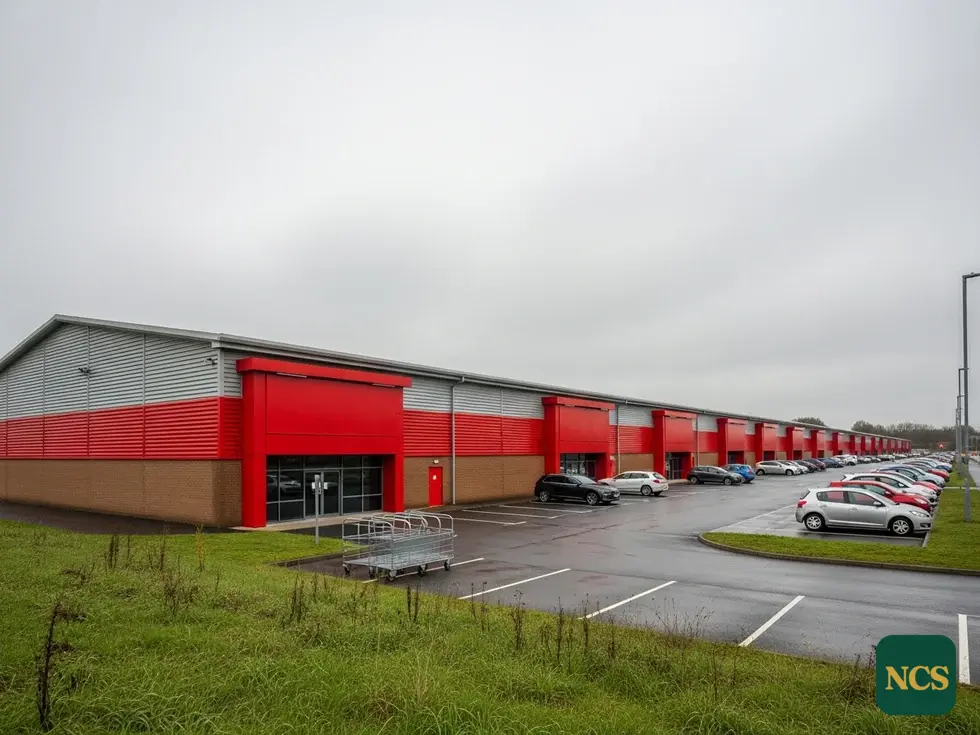
How a respray actually runs
Once the survey has set the scope, the job itself follows a sequence designed around your operations:
- We wash down and degrease every surface we’re going to coat.
- We mechanically prepare and treat corroded cut edges.
- We carry out repairs and panel replacement where the survey identified them.
- We mask off glazing, signage, hardstanding, and neighbouring surfaces.
- We spray apply the specified coating system.
- We complete snagging and a final walk-round with you.
We phase the work elevation by elevation. That means loading doors, parking, and access routes stay usable throughout the programme. Production doesn’t have to stop for the painters.
Coatings also need the right conditions to cure. We plan programmes with realistic weather windows, not promises that ignore a South Yorkshire winter. If a day is wrong for spraying, we use it for preparation instead of pressing on and hoping for the best.
Where coating stops being the answer
A respray can’t rescue everything. Perforated sheets, delaminating composites, saturated insulation, and structural corrosion all need more than paint. Pretending otherwise just moves the cost a couple of years down the road. When a survey turns these up, the report says so. It sets out the alternatives, from targeted panel replacement through to advice on recladding.
That honesty occasionally costs us a job. It also means that when we do recommend spraying, the recommendation is worth something. It comes from a contractor prepared to say no.
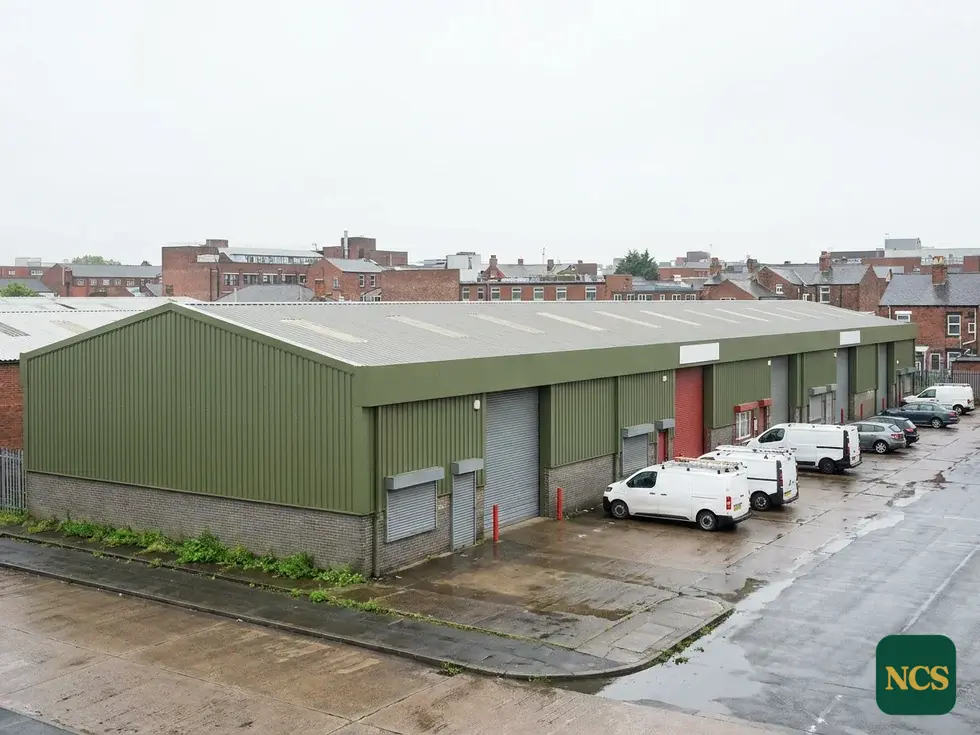
Why Sheffield buildings suit this approach
A survey-led respray deals in specifics: this panel needs replacing, this elevation needs edge treatment, this substrate takes this system. On large industrial buildings, the difference shows. You get a price that holds, and a finish that performs as long as the preparation allows. If you run or let a clad building in Sheffield and the exterior has started to undersell what happens inside it, the first step is simply arranging the inspection.