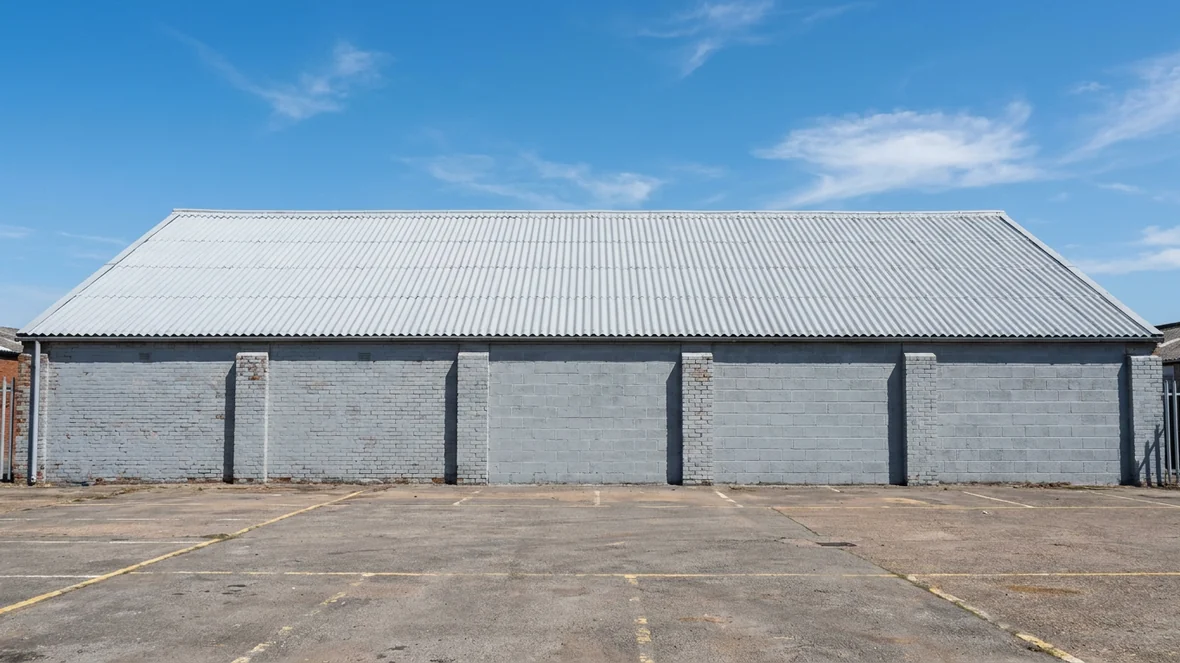










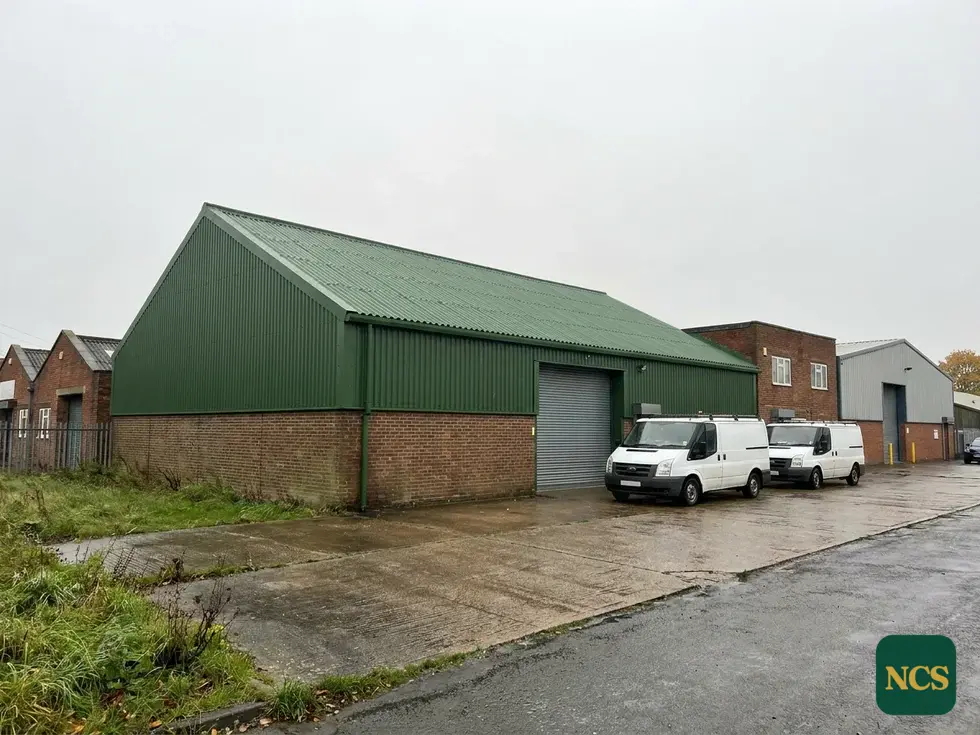
If you control the maintenance of a non-domestic building in Bristol with an asbestos cement roof, the Control of Asbestos Regulations 2012 already apply to you, whether or not you have ever read them. The practical question for most owners is simple: is this roof better stripped out, or sealed and managed in place? Encapsulation is often, though not always, the answer, and this page explains how we decide which.
What the duty to manage actually asks of you
Regulation 4 of the 2012 regulations places a duty to manage asbestos on whoever is responsible for a building’s upkeep. You must take reasonable steps to find asbestos-containing materials, assess and record their condition, and put a written management plan in place. The regulations do not demand removal. HSE guidance has said for years that asbestos in good condition and left undisturbed presents a low risk, and that disturbing it unnecessarily can create a greater one. Encapsulating a sound roof is a legitimate management measure, provided its condition genuinely supports that decision and the plan is kept under review.
Asbestos cement roofs around Bristol
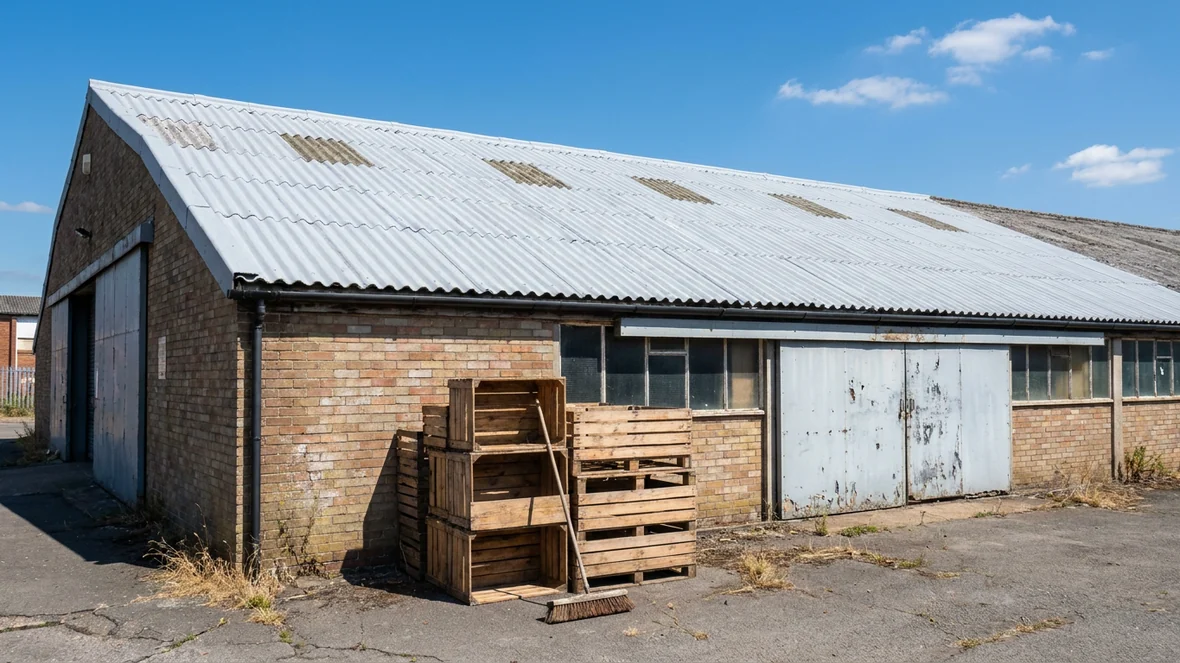
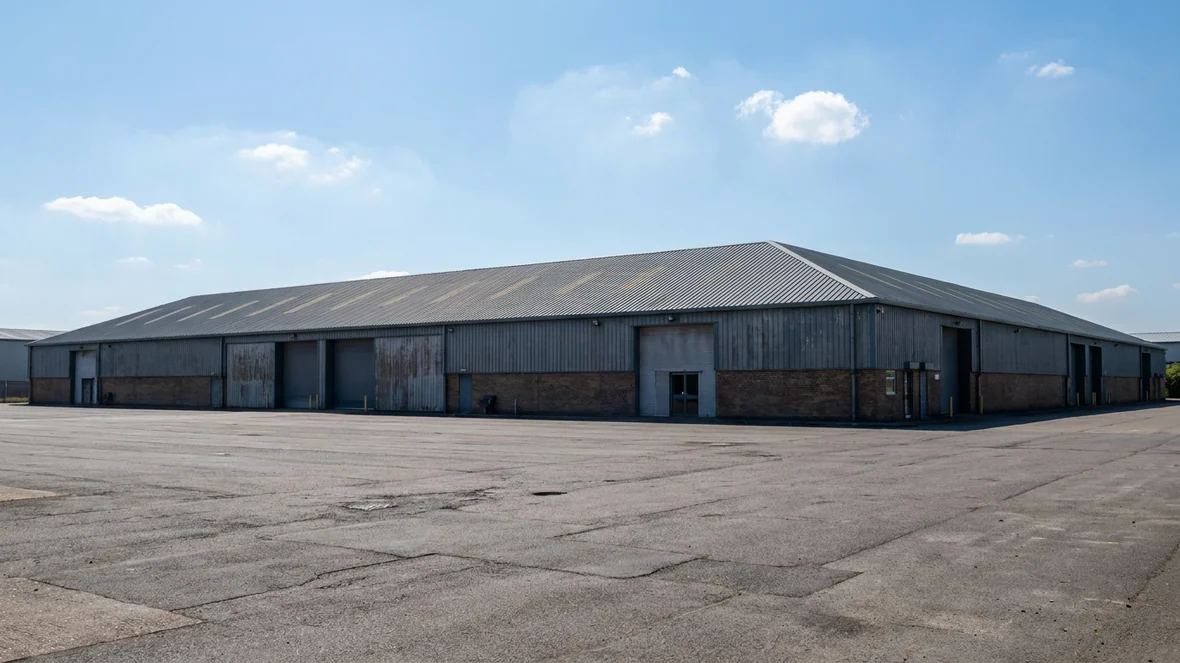
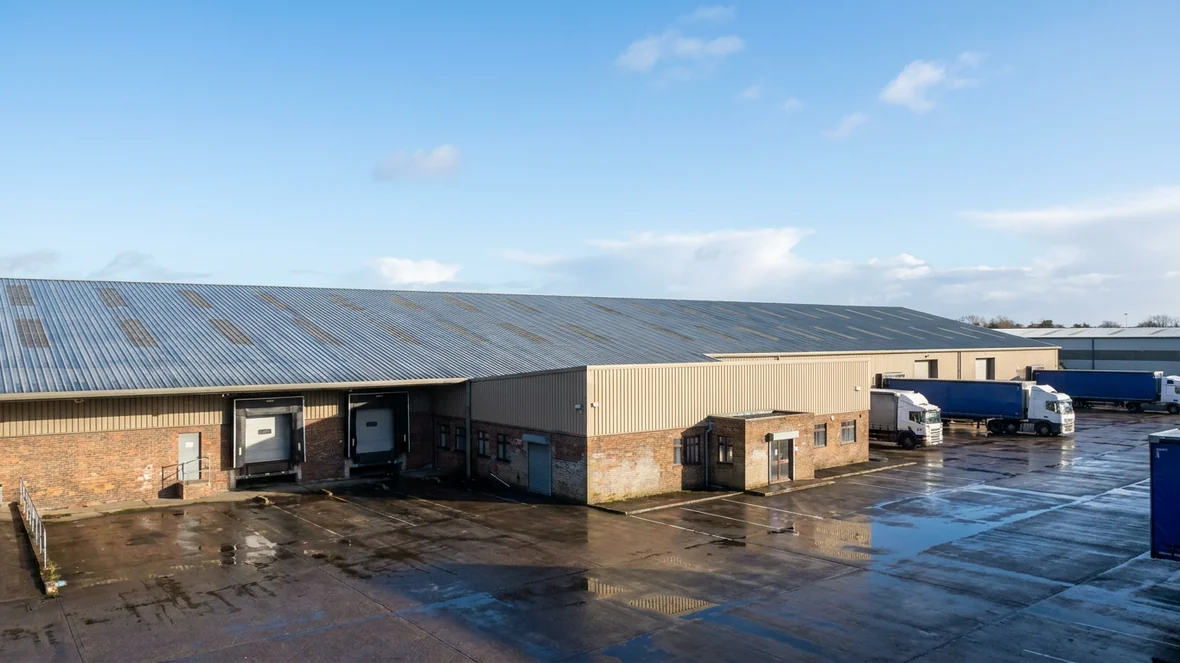
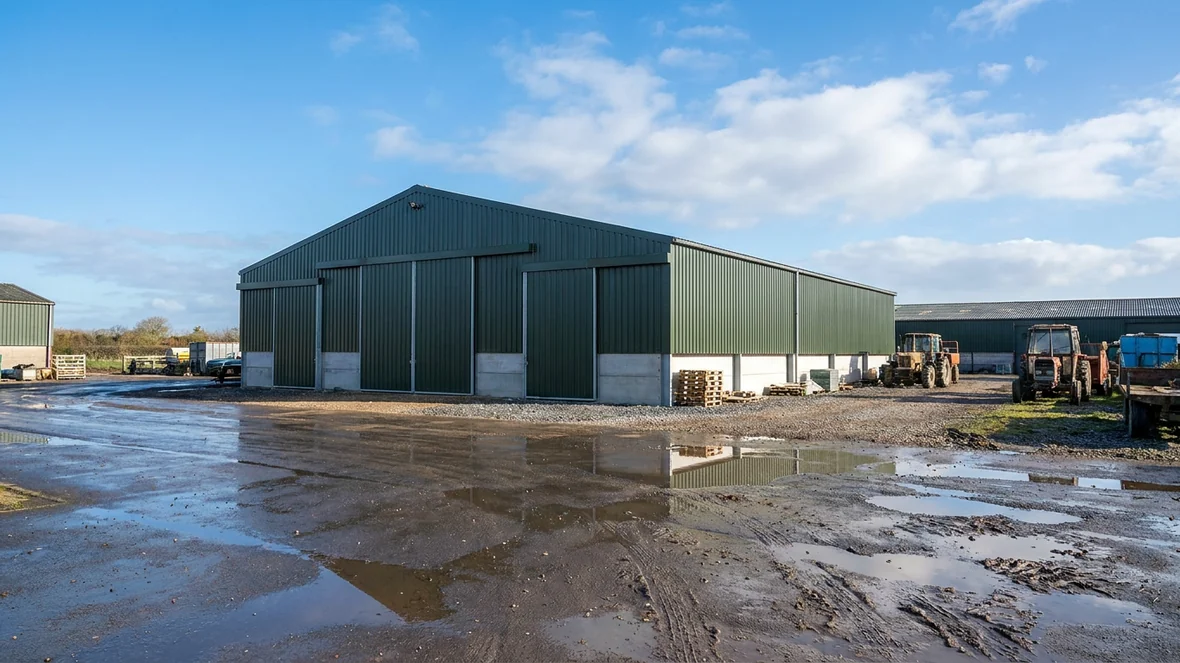
Bristol expanded quickly through the post-war decades, and the industrial estates and yards that grew with it, along the motorway corridors, near the docks and on the city fringe, still carry large areas of profiled asbestos cement sheeting laid between the 1960s and the 1980s. The farm buildings of the surrounding countryside use the same material on barns, grain stores and livestock sheds. Sound asbestos cement releases very little fibre. The trouble starts with age: rain and frost slowly erode the cement surface, it turns porous, moss colonises it, and the roof begins to leak, stain and shed fibres as it weathers.
Sealing sound sheets instead of stripping them
Encapsulation tackles the weathering directly. The roof is cleaned using controlled, non-abrasive methods, because anything that scours the surface does more harm than good. Biological growth is treated, minor defects and loose fixings are put right, and an encapsulant coating system is applied across the sheets. The cured coating bonds to the cement, seals the porous surface, locks down fibre release and restores proper water shedding. Work is carried out from outside, so the business underneath usually keeps operating. Compared with removal, which means controlled stripping, hazardous waste disposal and a complete replacement roof, the saving in both money and disruption is usually substantial.
The honest limits of encapsulation
No coating can save a roof that has already failed. Where sheets are extensively cracked, holed or delaminating, where edges are crumbling, or where the material has degraded to the point of becoming friable, encapsulation is the wrong answer and we will say so. The same goes for roofs with significant impact damage, structures that look suspect underneath, and buildings heading for redevelopment, where coating money would simply be wasted. Those situations call for removal by a contractor working under the appropriate controls, and our survey report will tell you that plainly rather than talk you into a coating.
Survey-led, with the findings in writing
We do not quote for asbestos roof encapsulation in Bristol from photographs or guesswork. A condition survey comes first, and you receive the findings in writing:
- Condition notes across the roof area, not just the easy slopes
- Photographs of defects, repairs and problem details
- A clear verdict on whether encapsulation is suitable
- Any repairs required before coating
- The recommended system and a re-inspection interval for your management plan
If the survey supports encapsulation, you get a specification you can hold us to. If it does not, you get a straight recommendation for the removal route instead. We are based in the South-East and carry out this work across England, with the city and surrounding area well within normal reach.