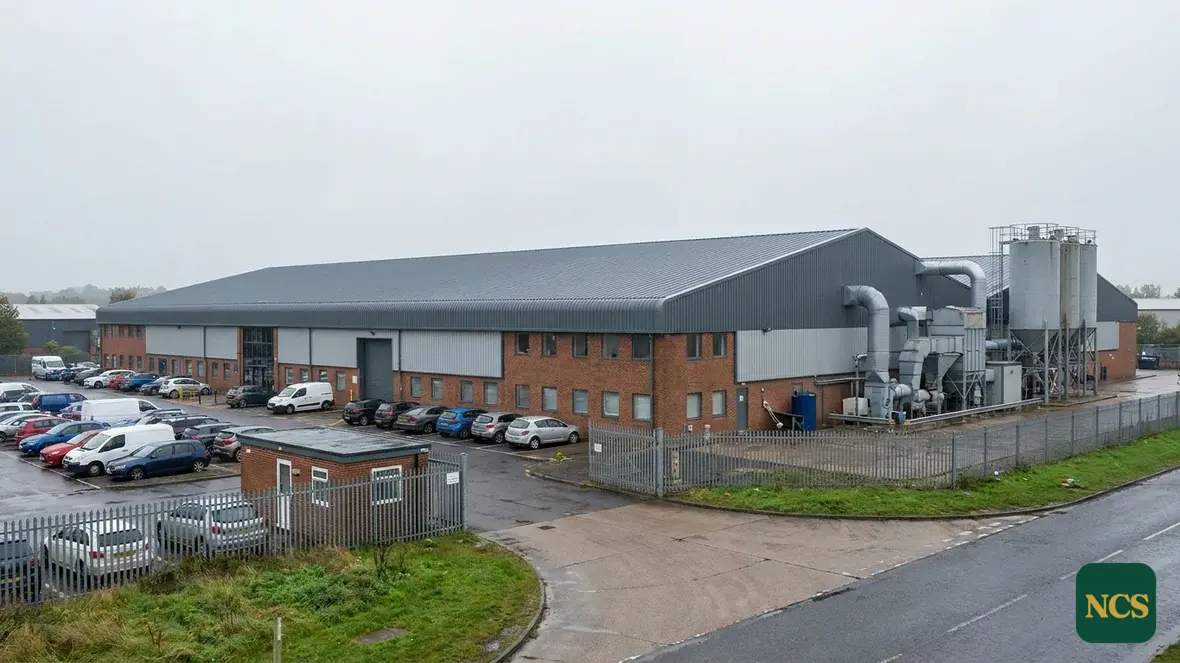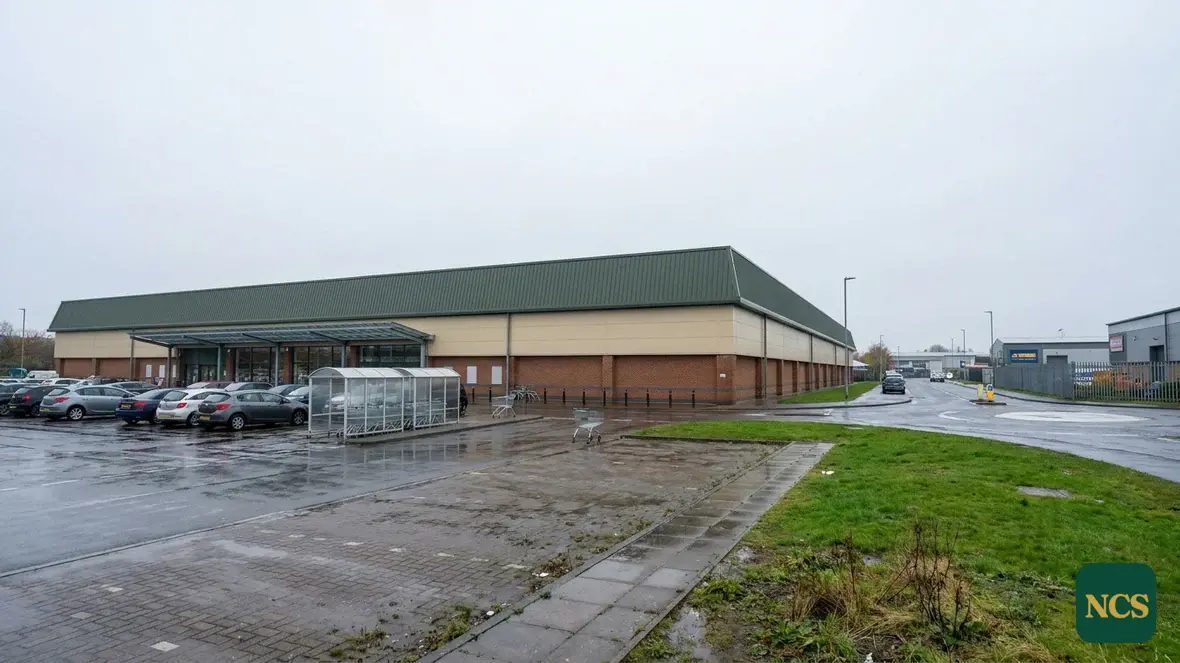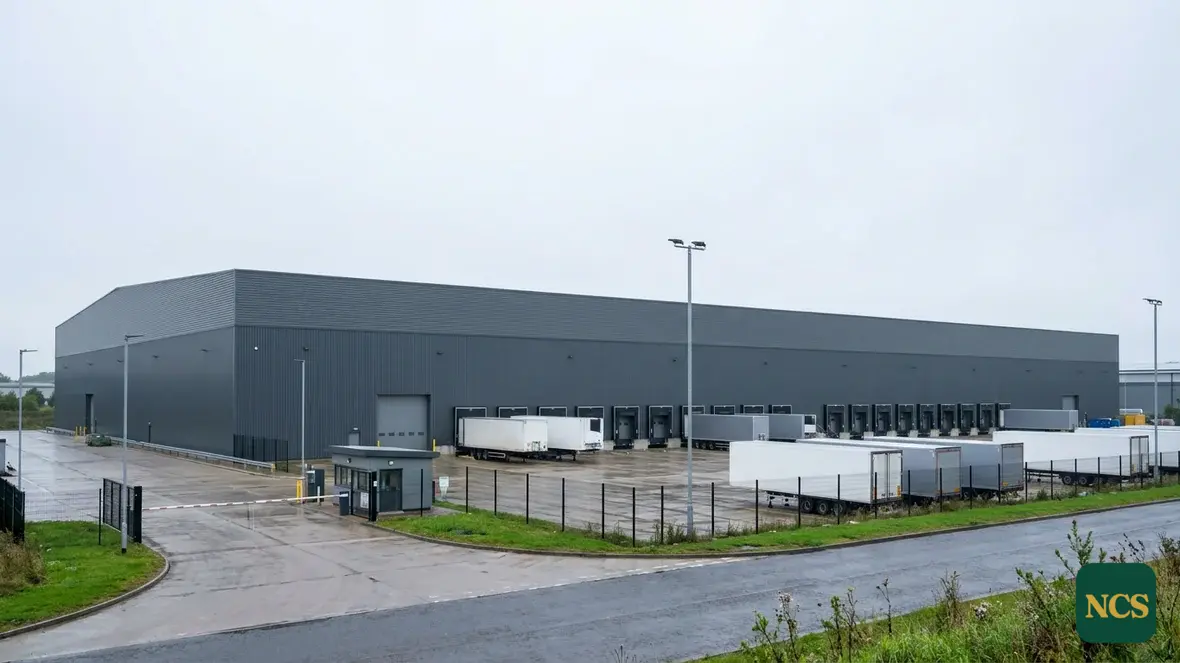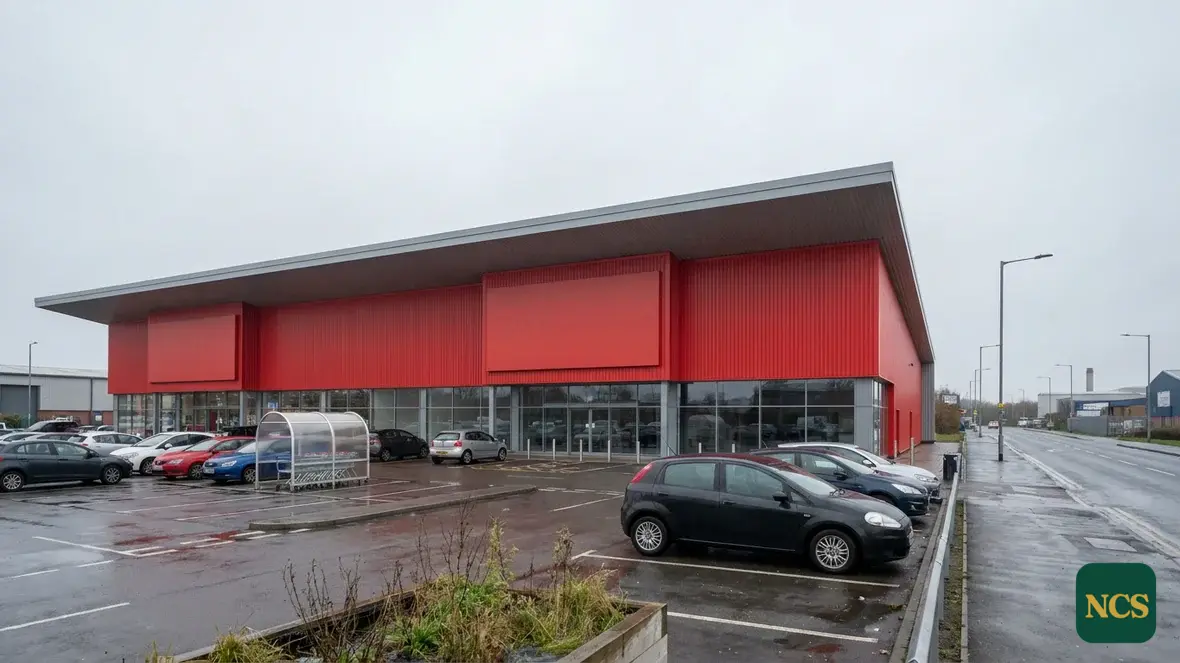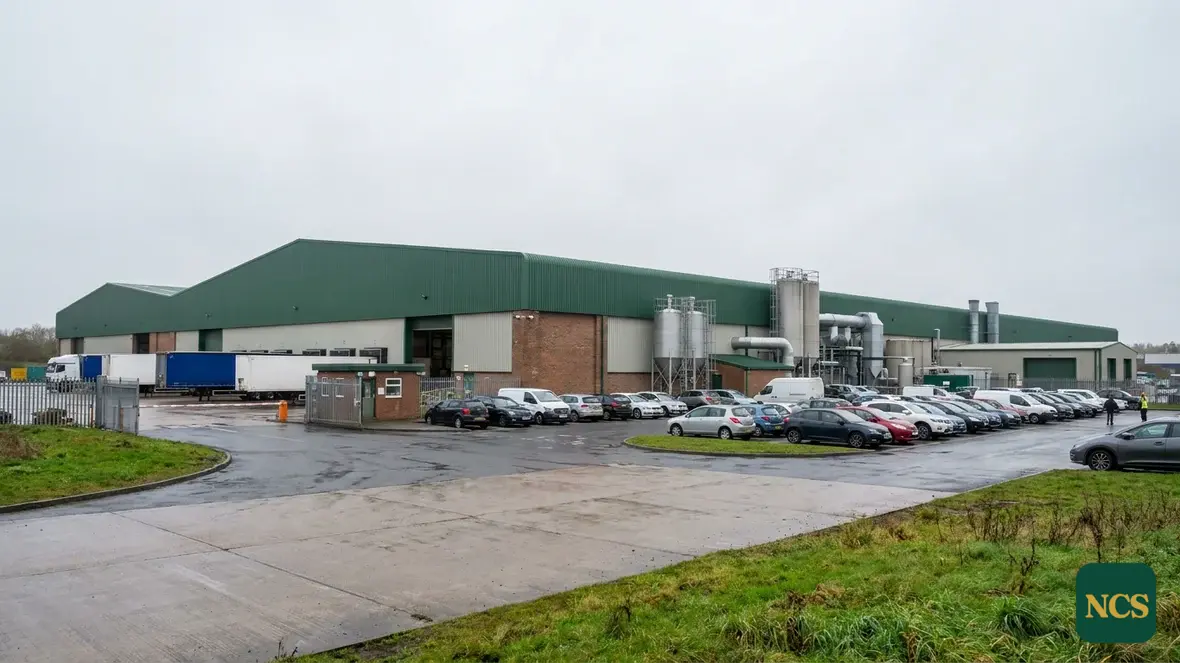
Canterbury’s industrial stock is easy to overlook. It is not a city of giant distribution sheds, but the trading estates on its edges and the units serving east Kent’s food, farming, trades and storage businesses still add up to a lot of profiled metal roofing, much of it decades old and most of it working hard. When those roofs start streaking with rust or letting water past the laps, their owners face the same decision as any national logistics estate: coat, repair or replace.
Reading the condition of an older estate roof
Age alone does not condemn a metal roof. What matters is what the weather has done to it, and east Kent’s mix of coastal air, driving rain and strong sun works on every weak point: cut sheet edges, fastener heads, laps and rooflight margins. Our surveys look at all of it, including the adhesion of the existing finish and the state of the gutters, because a coating specification written without that knowledge is guesswork. The output is a condition report in plain language, with photographs, that tells you what the roof needs and in what order.
Cut-edge corrosion, the quiet roof killer
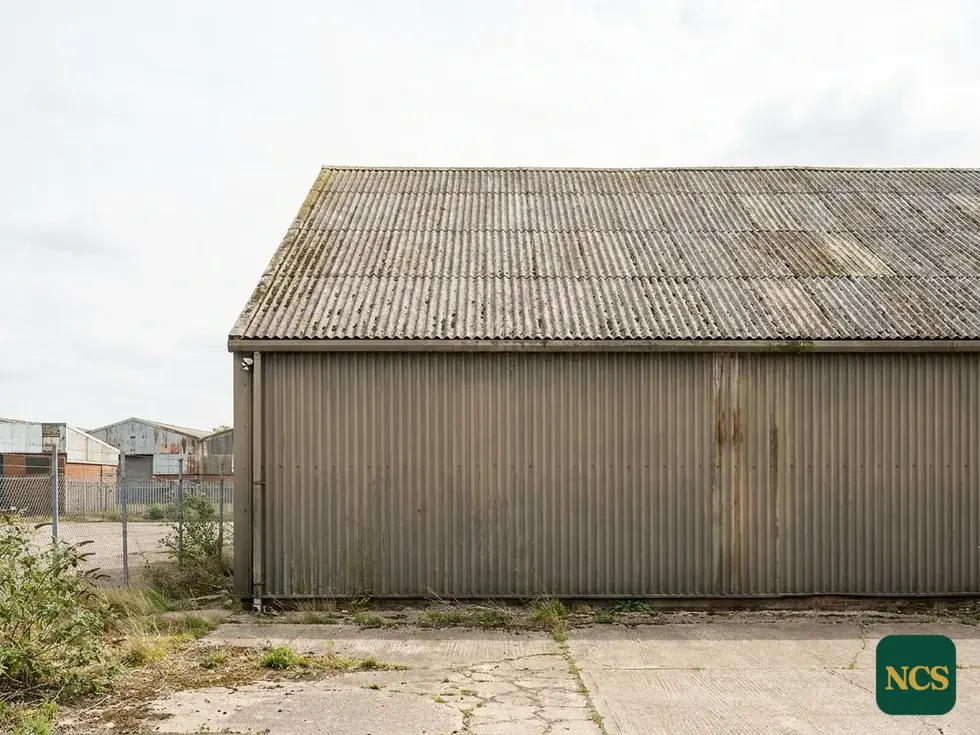
The single defect we find most on roofs around Canterbury and across Kent is cut-edge corrosion. Profiled sheets are protected by factory-applied layers that stop dead at the cut edge, so the exposed steel at laps, eaves and gutter lines corrodes first. Rust then creeps back underneath the finish, lifting it from the metal, and by the time the failure is obvious from the ground it has usually been progressing for years. Treated early, with proper preparation, priming and sealing of the edges before a coating system goes on, it is a manageable defect rather than a roof-ending one. The cost gap between early treatment and late re-sheeting is large enough that a survey pays for itself in clarity alone.
Keeping disruption to a minimum
Most of the buildings we look at cannot simply close for roofing works, and with a coating system they do not have to. The work is done from roof level: cleaning, repairs, edge treatment and coating application, with no strip-off and no period where the building stands open to the sky. Occupiers carry on below, deliveries keep moving, and on shared estates the programme can be phased so each unit is dealt with in turn. Where rooflights need replacing or gutters need attention, that work folds into the same programme. Compared with replacement, the difference in disruption is not marginal; it is the difference between a maintenance project and an operational crisis.
The roofs we refuse to coat
Some roofs are past the point where coating is honest work. Sheets perforated across wide areas, corrosion eating through from the underside, saturated insulation trapped in built-up construction, or a structure failing at purlins and fixings: in any of these cases, a coating would cover the evidence without stopping the decay, and we will tell you so in the survey report. The recommendation will be repair or replacement, with reasons, even though it means we do not get the coating work. Canterbury is comfortably within range of our South-East base, so getting that honest assessment arranged is a quick job rather than a campaign.