Cladding spraying in Canterbury and east Kent
Canterbury sits only a few miles from the north Kent coast, and the cladding on its commercial buildings knows it. Salt-carrying air drifting inland from Whitstable and Herne Bay speeds up the fading and chalking of coated steel, and cut-edge corrosion gets an early start at panel laps and sills. Cladding spraying in Canterbury exists for exactly this situation: restoring the coating film on serviceable panels before the weather turns a cosmetic issue into a structural one.
We quote nothing until the building has been surveyed. Coastal-influenced corrosion is uneven and often worst where it is least visible, so an honest price depends on a proper inspection rather than a glance from the car park. The survey costs you a visit and tells you what the building genuinely needs.
What the local building stock involves
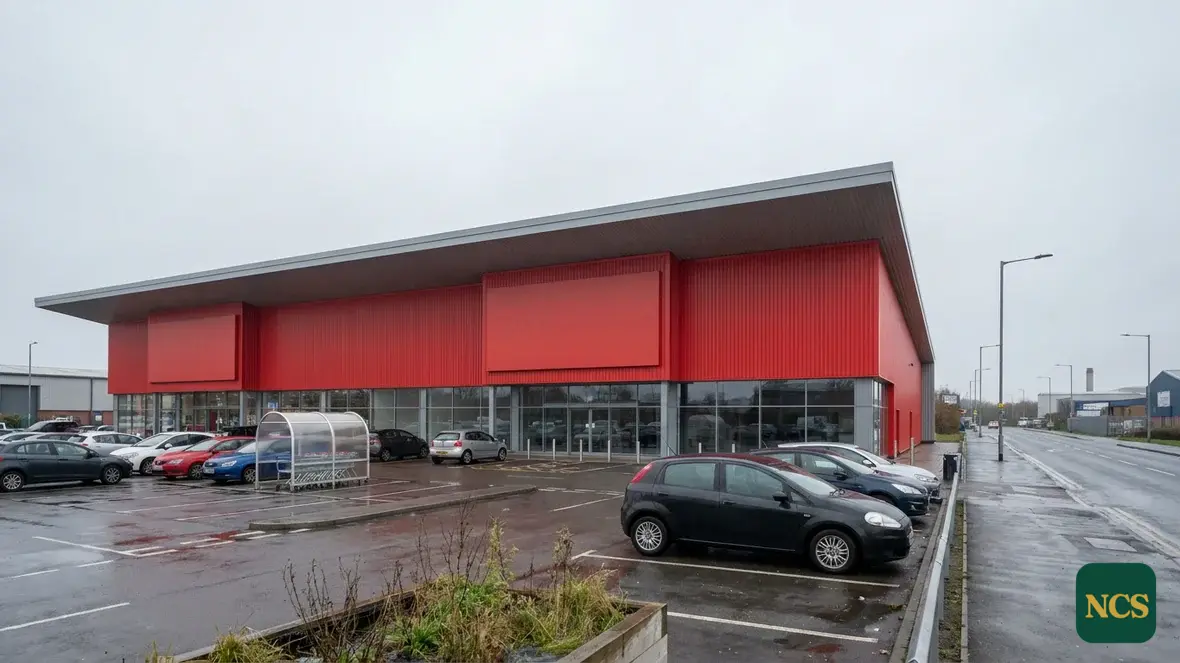
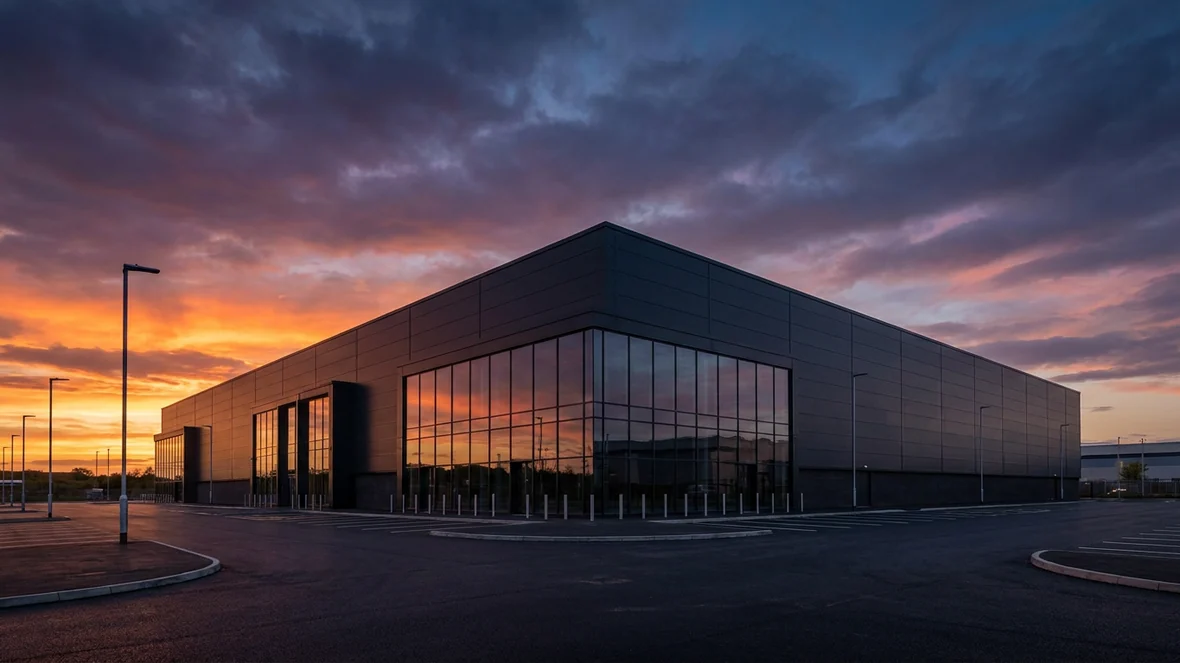
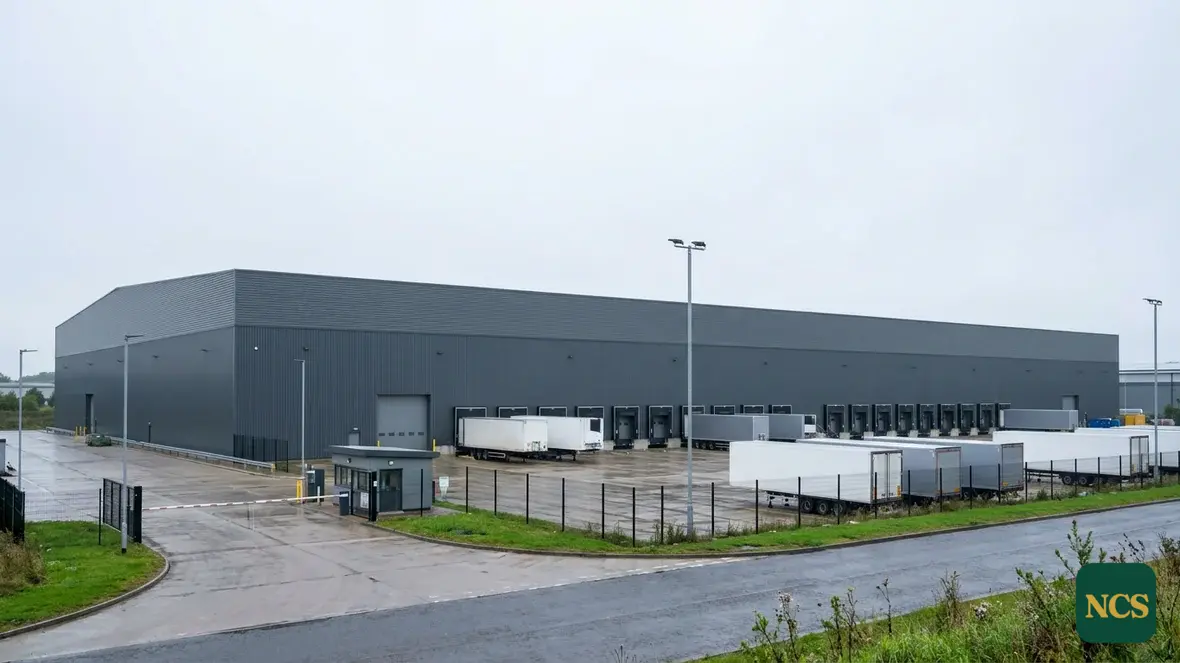
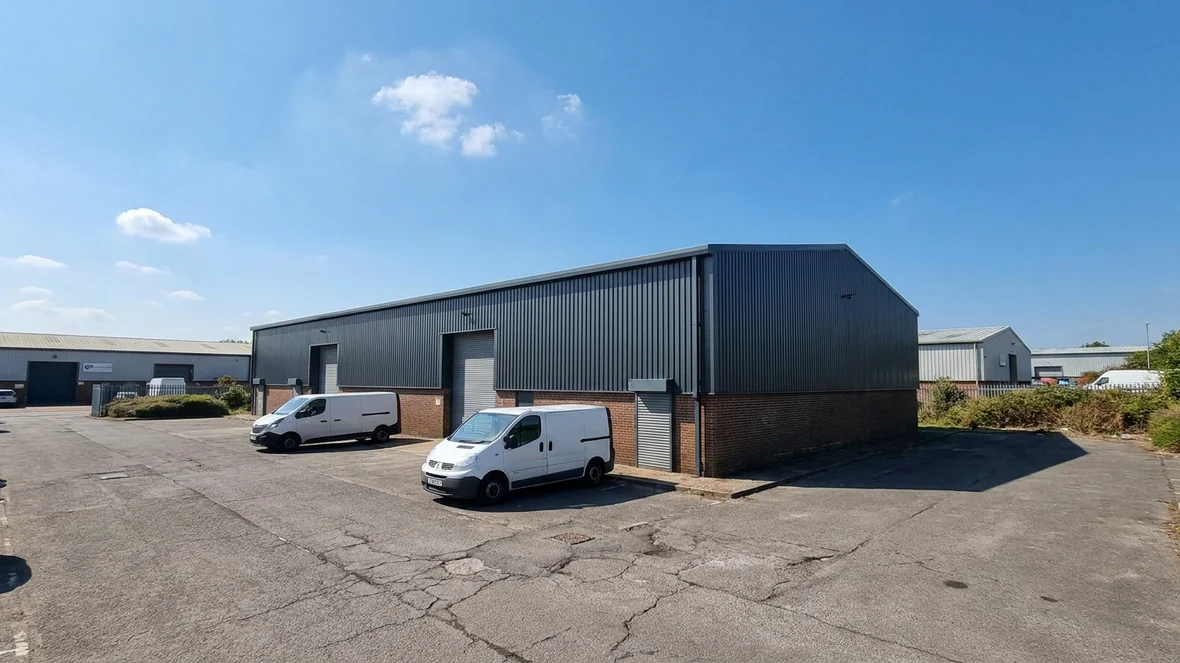
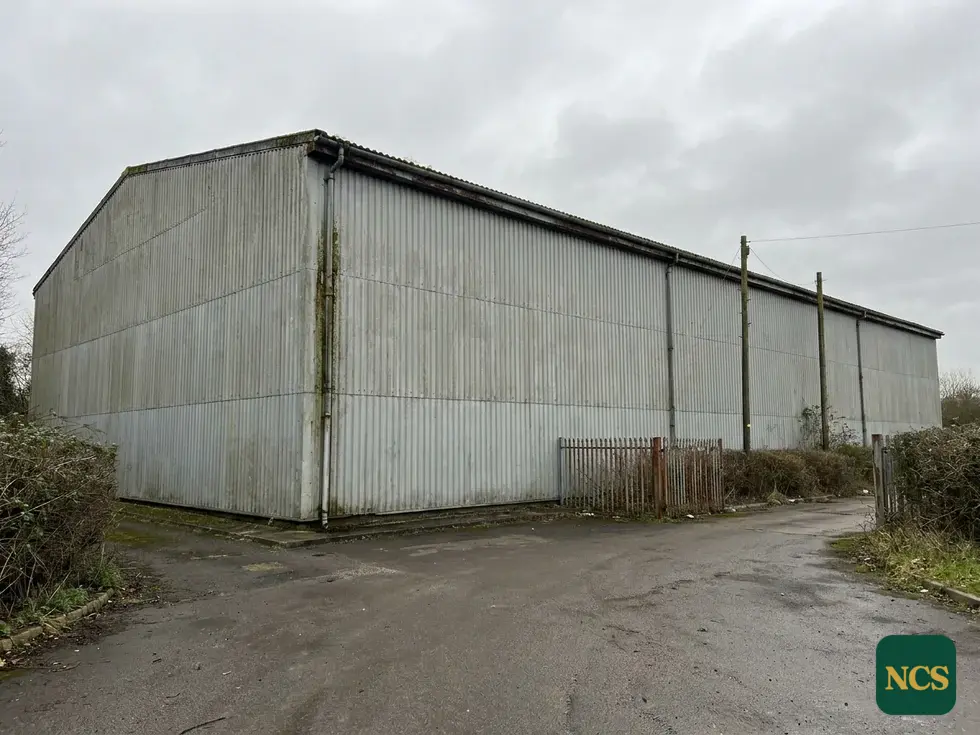
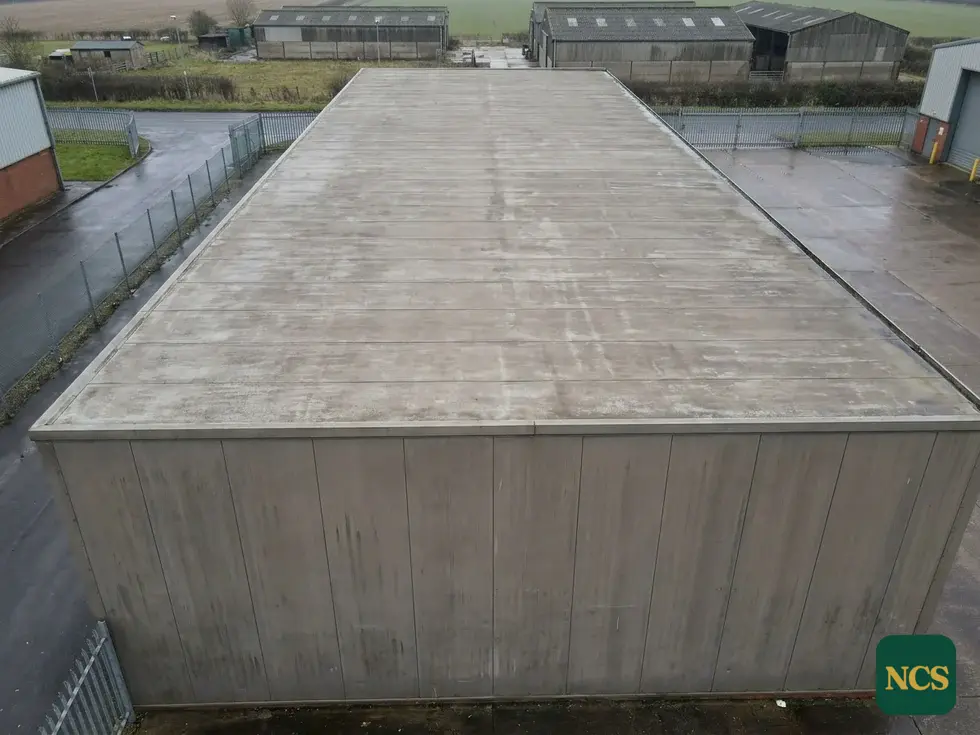
Most of the work around the city is on profiled steel and composite cladding: trade and industrial units on the estates off the ring road, retail and leisure buildings, storage and distribution sheds, and offices with curtain walling or panel infills. Plastisol and similar coatings in this part of Kent fade noticeably on south- and west-facing elevations, while corrosion shows first along gutters, drip edges and panel bottoms. Shutters, fascias, window frames and rainwater goods are usually added to the schedule so the finished building reads as one job, not a patch. Educational and visitor-economy buildings around the city carry similar panel systems, and the assessment does not change with the use of the building.
When a respray is the wrong spend
Some cladding is past coating, and pretending otherwise helps nobody. We advise against spraying where corrosion has gone through the panel, where composite cores have taken in moisture, where fixings or flashings have failed, or where recladding is already planned for thermal or fire-safety reasons. In those cases a new finish would be decoration over a fault, and coastal weather exposes that kind of shortcut quickly. The survey report gives you the finding straight, with photographs, so the budget goes on the work the building actually needs.
Step by step: how the work is planned
Everything follows the survey: panel schedule, condition notes, corrosion map and access plan, then a written specification and a fixed price against it. On site the sequence runs in a strict order:
- Wash down and degrease all surfaces due for coating
- Treat corrosion, prime bare steel and make good minor defects
- Mask glazing, signage, paving and adjacent surfaces
- Spray apply the specified system in controlled coats
- Walk each elevation with you before sign-off
The same crews and the same standards apply across Whitstable, Herne Bay, Faversham and Ashford, so owners with more than one east Kent site can put the whole portfolio through a single survey-led programme. Access is settled during the survey too, from powered platforms to scaffold, and the figure you receive already includes it.
Why we put the survey first
Because the alternative is guesswork billed as confidence. A price given without inspection either pads itself against the unknown or trims the preparation to stay cheap, and this close to the coast the second option always shows itself within a couple of winters. Survey-led contracting means the specification exists before the quotation, the preparation is itemised rather than implied, and the decision to coat or not to coat is made on evidence. For a Canterbury building owner that is the difference between a finish that lasts and one that merely photographs well at handover. The survey takes a visit to arrange, and it is the most useful hour you will spend on the building this year.