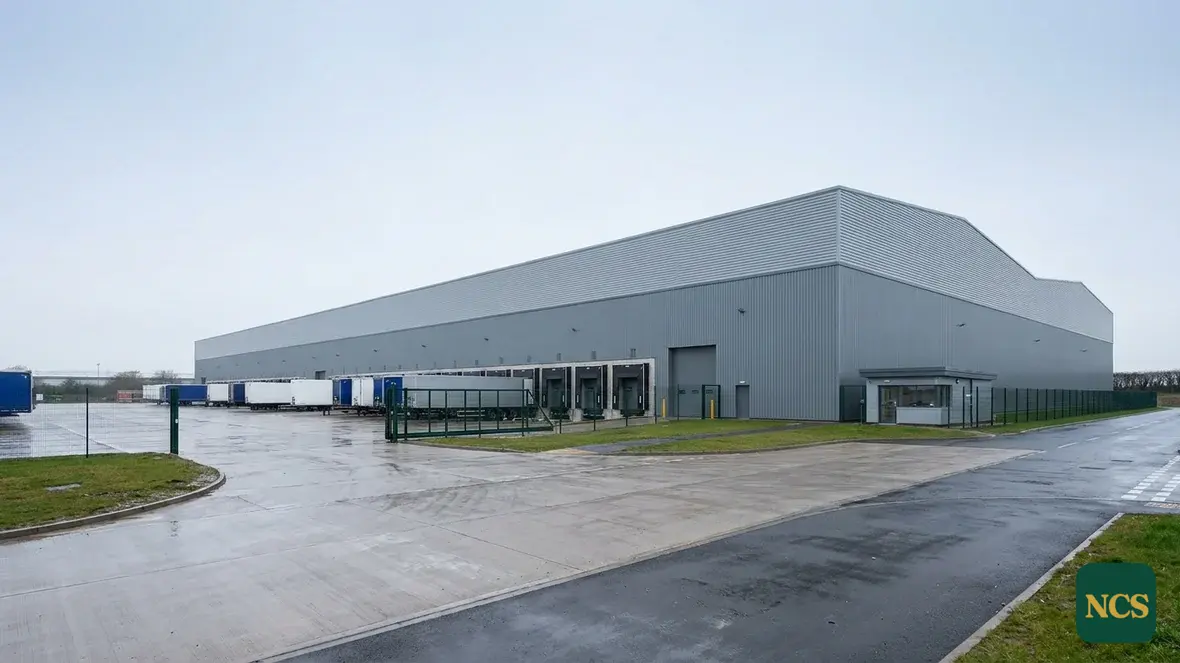
Industrial roofs on Colchester’s trading estates
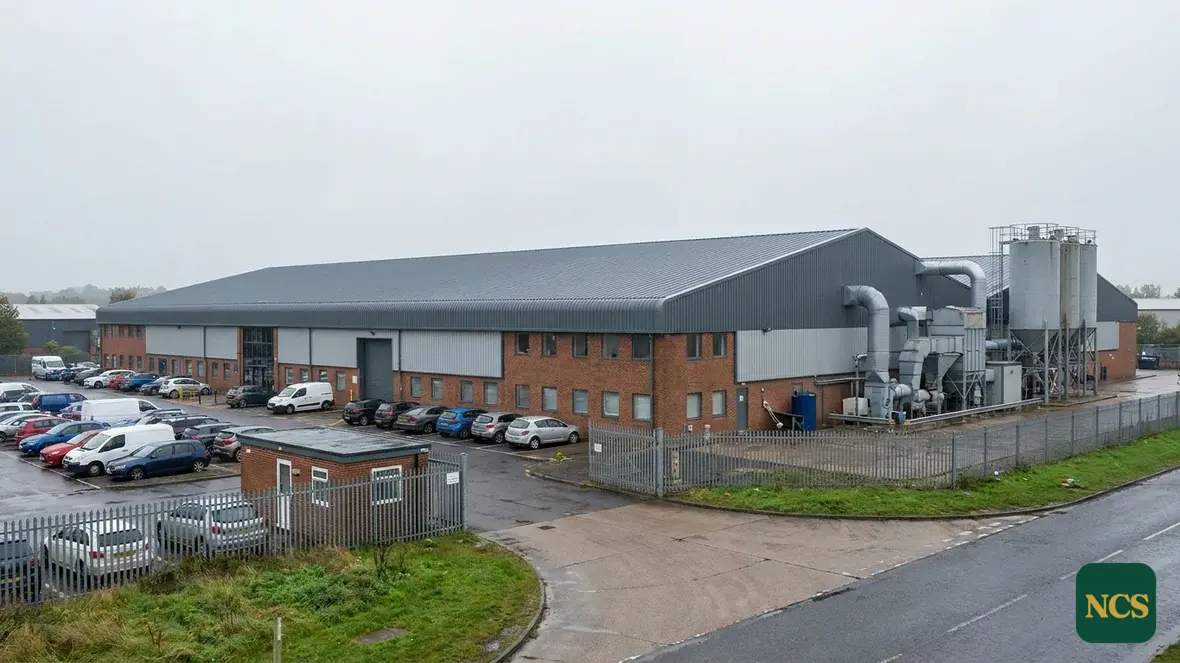
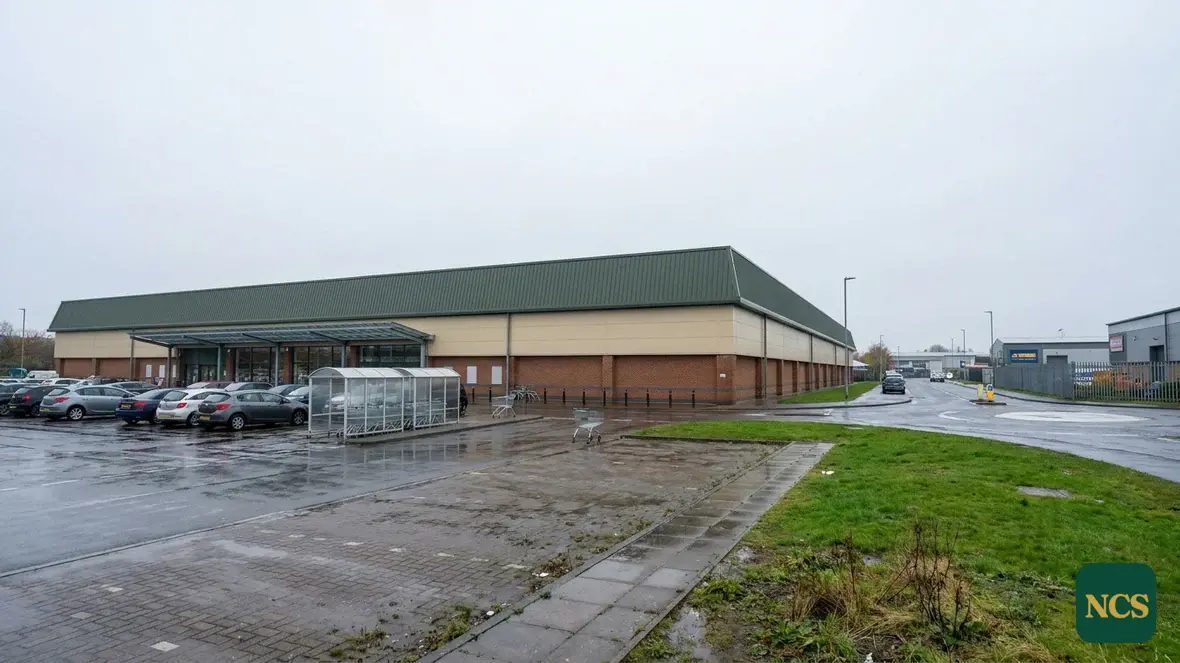
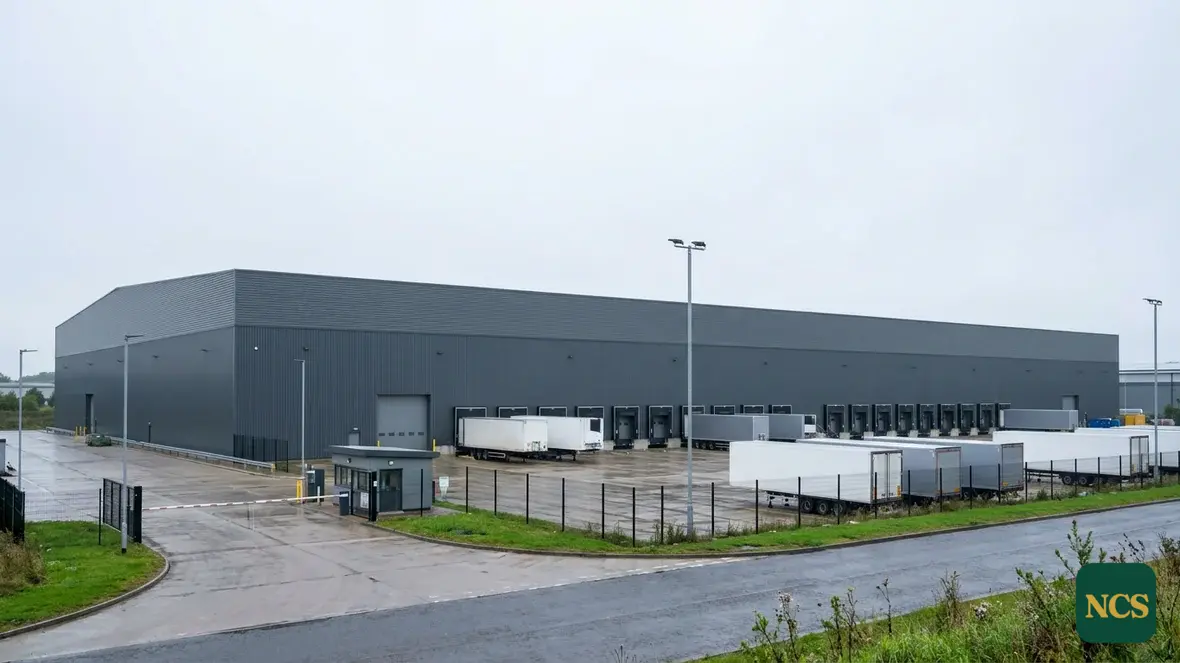
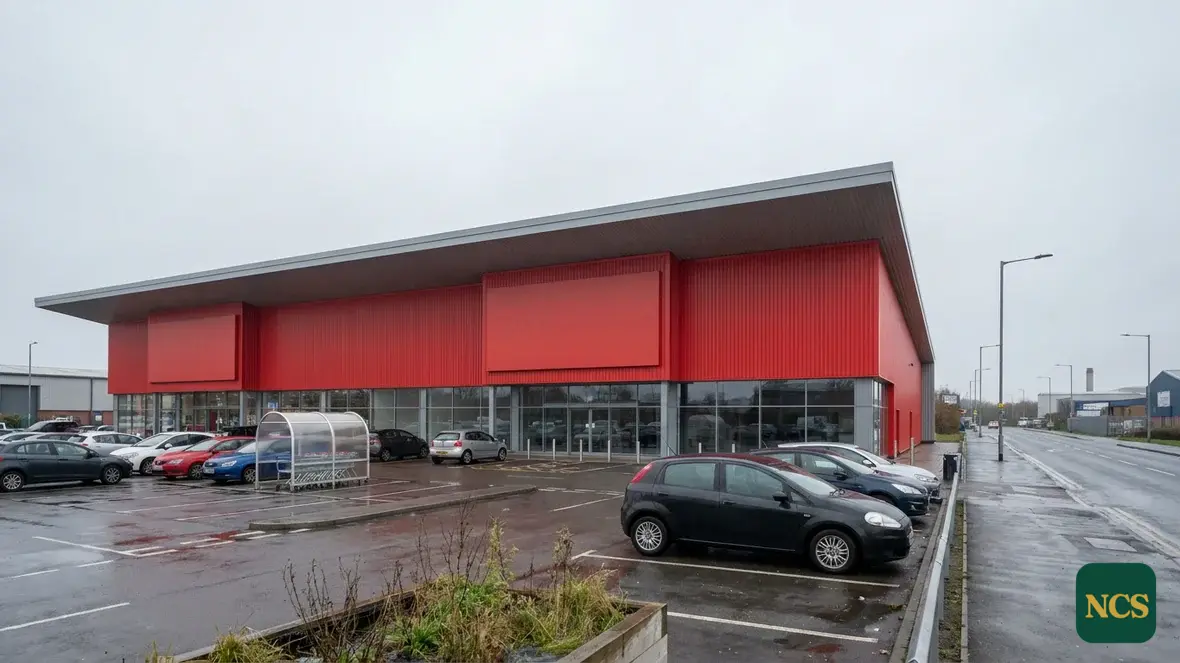
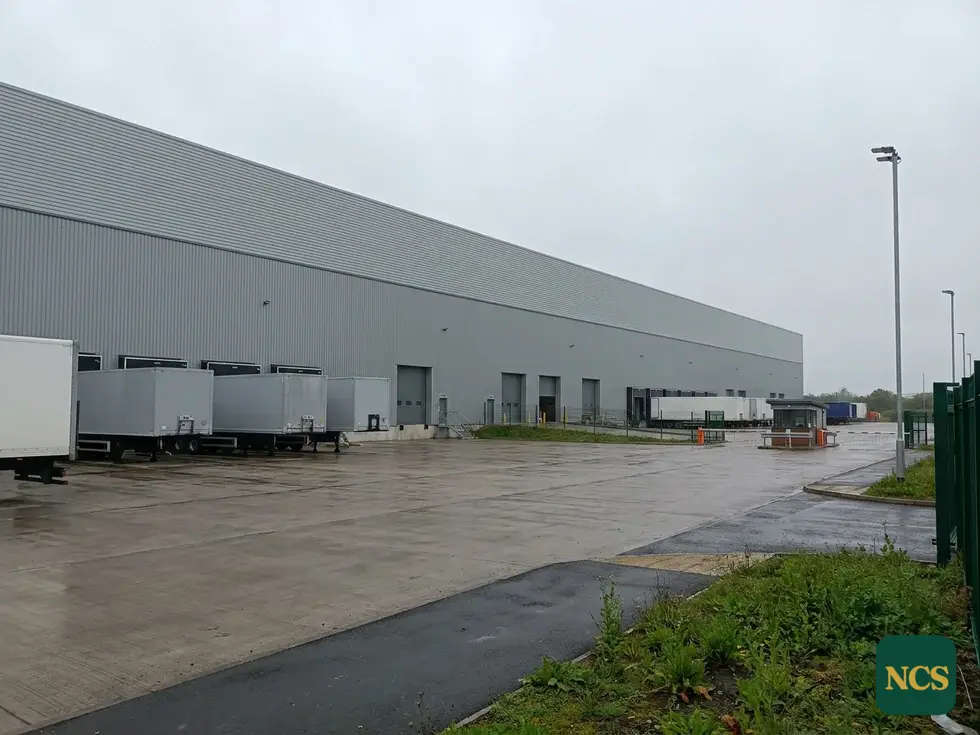
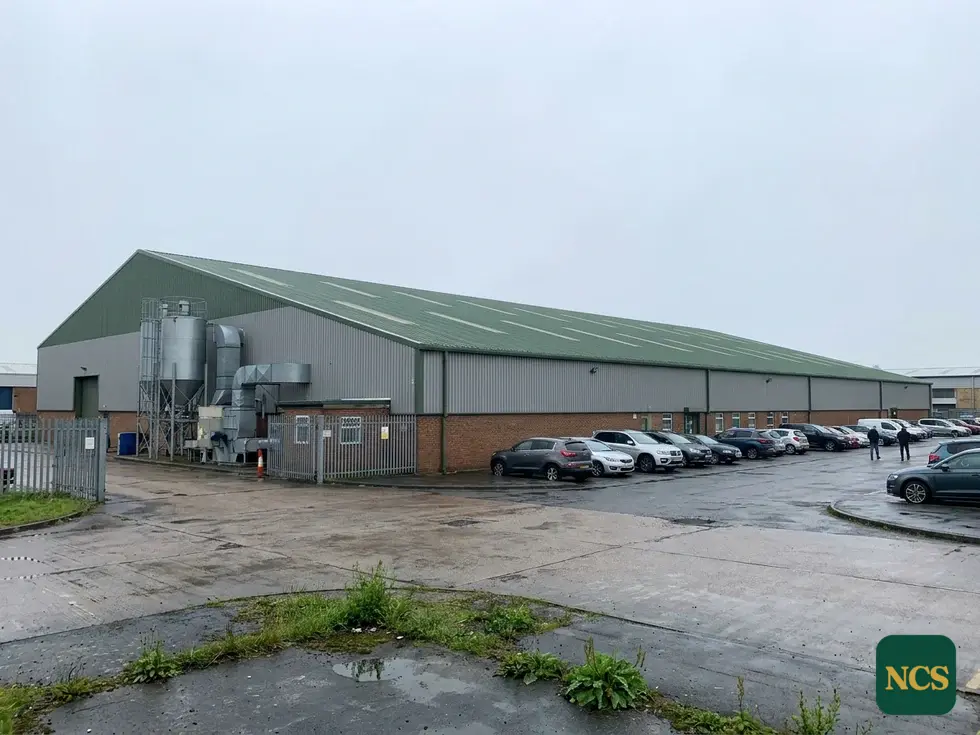
Walk any trading estate on the edge of Colchester and you will see the same roofline repeated: long runs of profiled metal sheeting over warehouses, workshops and distribution units, much of it installed in the 1980s, 1990s and 2000s and now well into the second half of its design life. The A12 corridor keeps these buildings busy, which is exactly why their roofs get so little attention until water appears where it should not. National Coating Specialists surveys and coats industrial roofs across Colchester and Essex, working for the facilities and estates teams responsible for keeping that stock dry and lettable.
Why cut-edge corrosion decides so many roofing budgets
Profiled steel sheets are protected by a factory finish everywhere except where they were cut: the exposed edges at eaves, side laps and end laps. Those edges are where corrosion starts, almost without exception. Moisture is drawn into the overlap, rust blooms along the bare steel, and the deterioration creeps back beneath the coating, lifting and flaking it as it goes.
The financial point is simple. Treated early, cut-edge corrosion is an edge repair: preparation, treatment and a dedicated sealing system, followed by a full roof coating that protects everything else. Ignored for a few more years, it becomes sheet replacement, and on a large warehouse roof that is a different order of cost entirely. Most of the roofs we survey around Colchester are still on the right side of that line, but the margin narrows every winter.
What the survey covers
Every quotation we issue is built on a physical inspection, not an aerial photograph. The survey is yours to keep whether or not you proceed, and it covers the points that actually determine whether coating makes sense:
- Condition of the existing finish, including chalking, fade and delamination
- Extent and severity of cut-edge corrosion at eaves and laps
- Fixings, fasteners and any sheet damage or distortion
- Gutters, outlets and signs of ponding or poor drainage
- Rooflights, their condition and whether they should be replaced during the works
- Internal evidence of leaks, staining or saturated insulation
Coating an occupied unit without stopping it
Distribution and trading-estate buildings rarely have quiet periods, so the works programme has to fit around the operation rather than the other way round. Coating is well suited to occupied buildings: there is no strip-off, the roof is never opened up, and the building stays weathertight from the first day to the last. We agree access routes, yard space and timing with your site team in advance, sequence the roof in sections, and keep noise and disruption to the level of access equipment and surface preparation rather than demolition.
For multi-let estates we can coordinate with several occupiers at once, giving each unit clear notice of when work passes over their demise. The aim is that your tenants notice the scaffolding and the cleaner roofline, and very little else.
The honest answer: when we advise against coating
Coating extends the life of a roof that still has structural integrity. It does not rescue one that has run out. If our survey of your Colchester building finds perforated sheets across large areas, corrosion that has taken hold of the fixings or the steel beneath the laps, or a built-up roof with waterlogged insulation, we will tell you that coating is the wrong place for your money and that replacement, in part or in full, is the better decision. We would rather lose the job than coat over a failure and leave you to discover it two winters later.
Where the roof is fundamentally sound, the economics usually favour coating strongly: less cost, less disruption, no landfill from stripped sheets, and a renewed weatherproof surface over the whole roof. The survey settles the question with evidence rather than guesswork, and it costs you nothing but an hour of your site contact’s time to arrange.