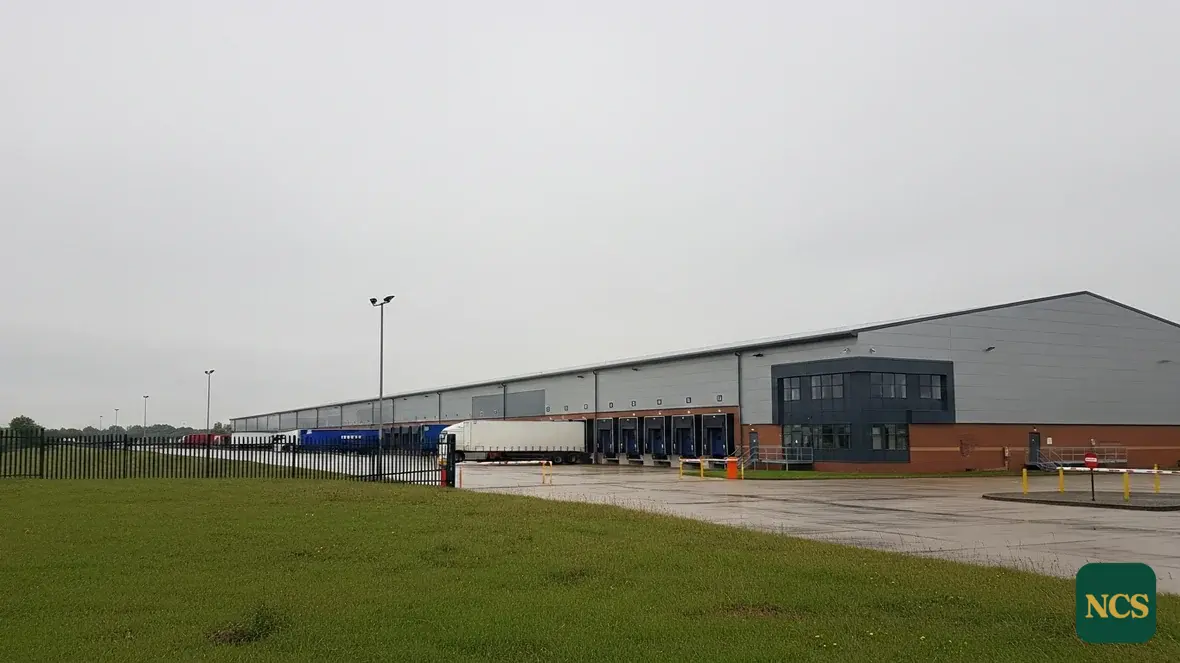
Cut edge corrosion on Colchester’s industrial roofs
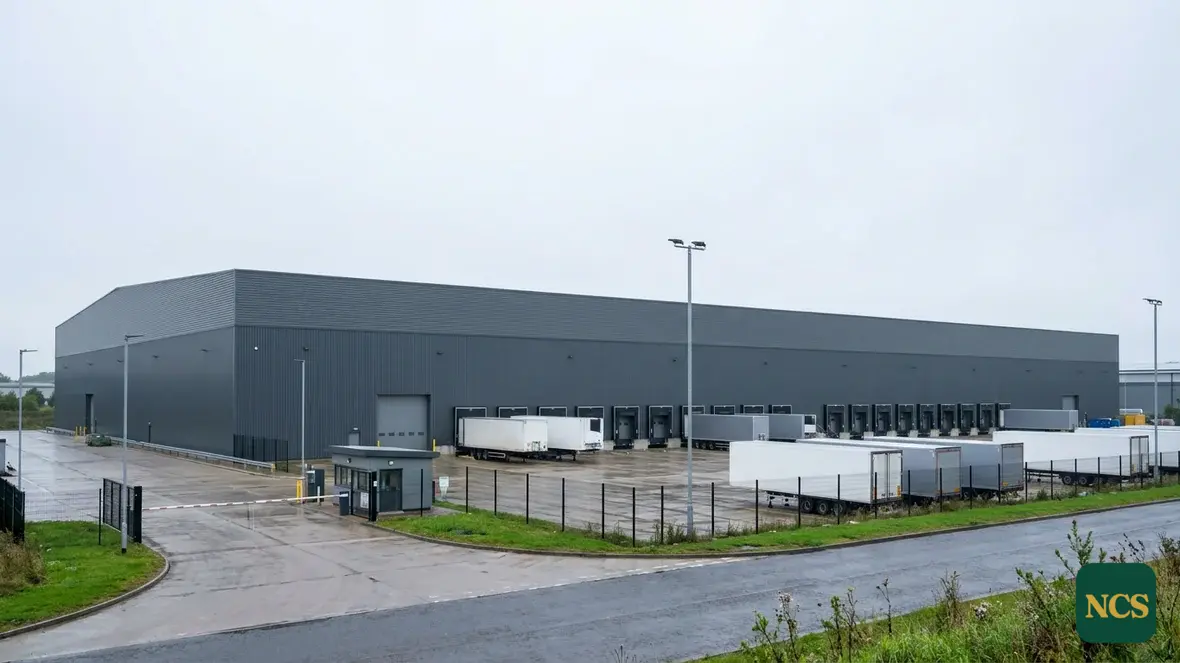
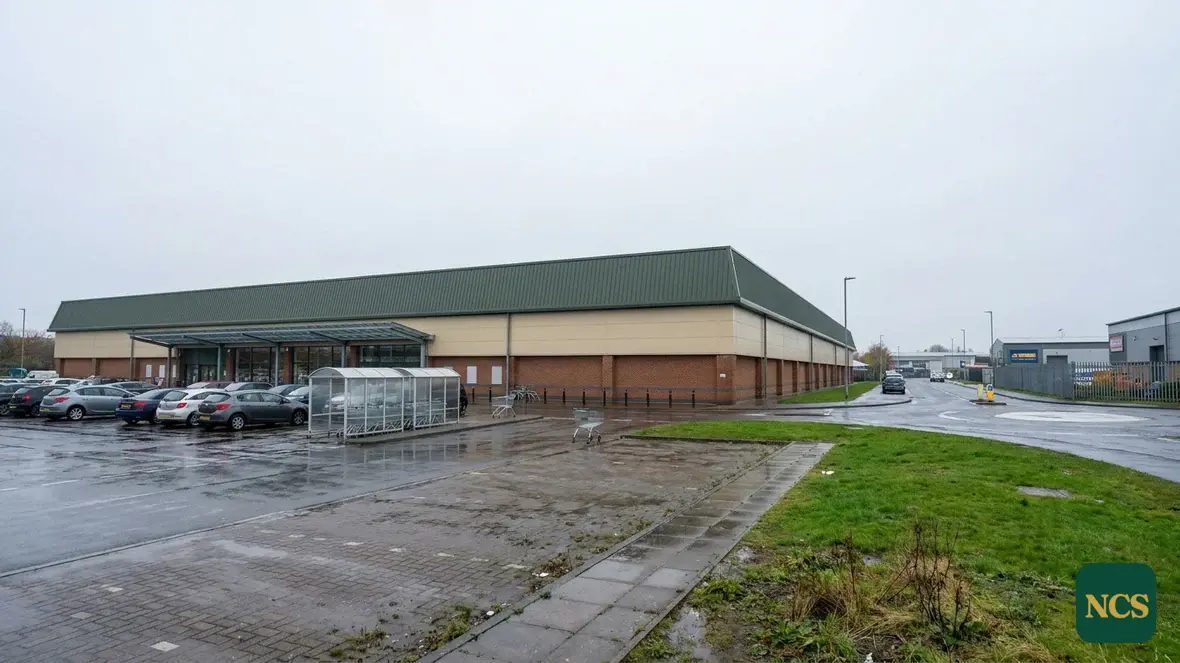
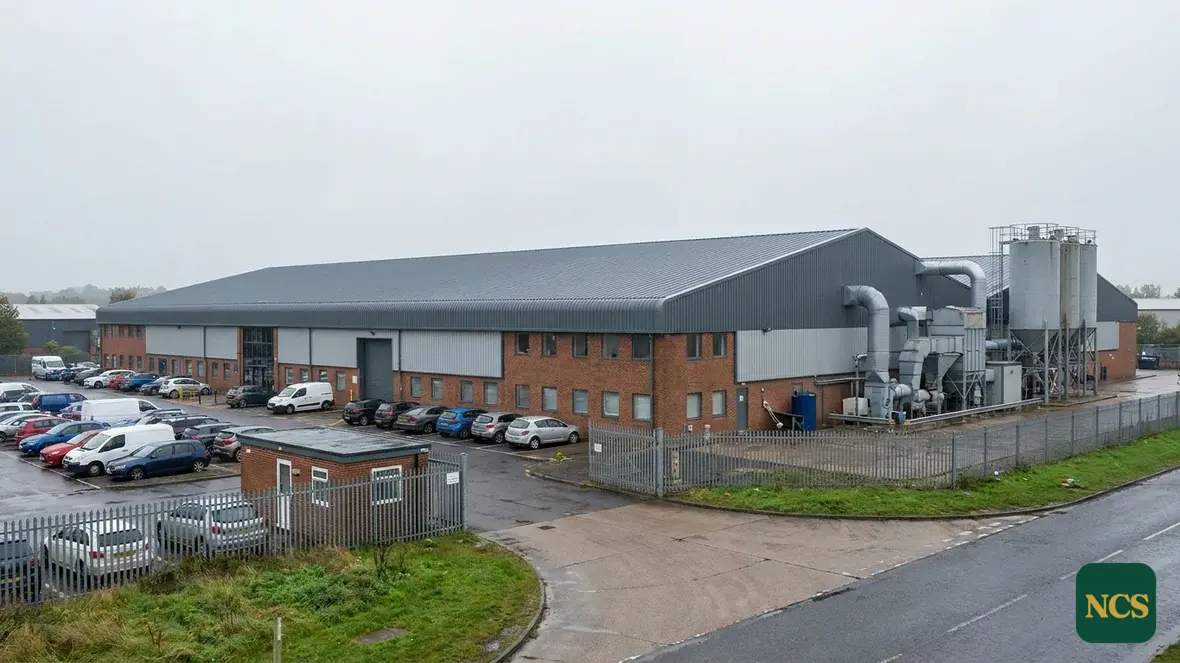
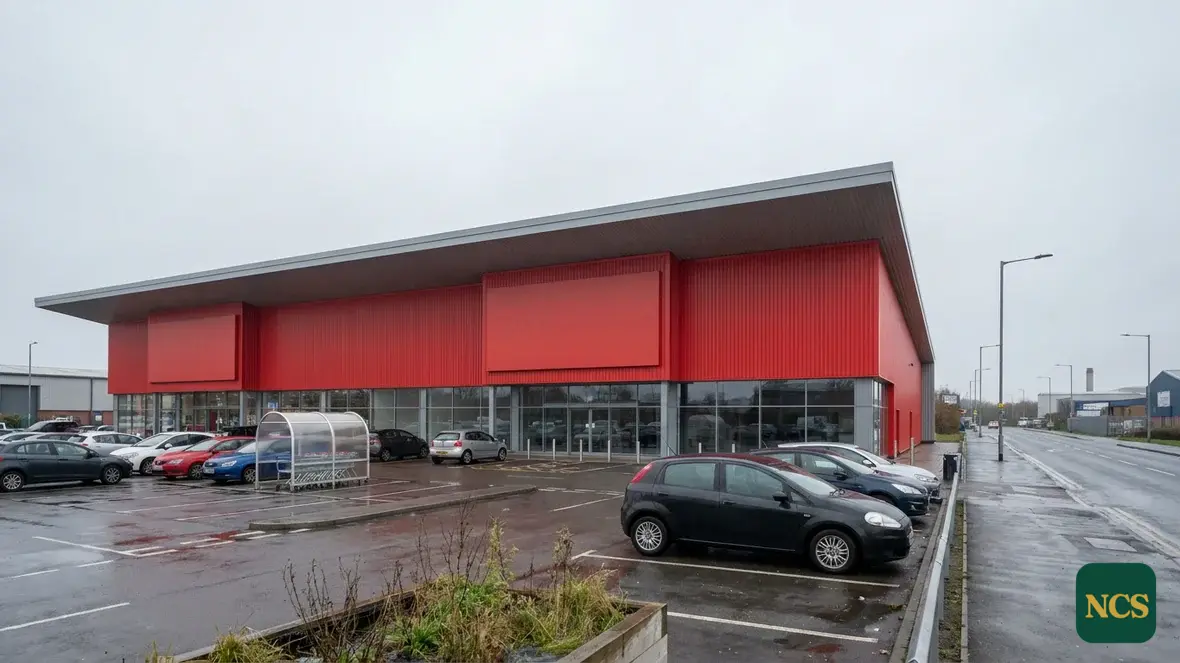
Profiled steel roofing has served the business parks and distribution sheds around Colchester well, but it carries one built-in weakness. Every sheet is cut to length, and that cut exposes the raw steel core at the end of the sheet and along every overlap. The plastisol or polyester coating on the face stops dead at the cut, so the first place a metal roof rusts is almost always the edge.
From the ground it shows as a rust-coloured line along the eaves or a stain bleeding down into the gutter. Up close it is usually worse: the coating lifts as the rust creeps beneath it, exposing more steel and pulling the corrosion front up the sheet.
Why a small edge problem refuses to stay small
Two things drive the spread. First, capillary action draws rainwater deep into the side and end laps, where it sits against bare cut steel and cannot evaporate. Second, once the factory coating starts to delaminate, the curled edge becomes a water trap of its own. Each wet winter moves the damage further from the edge, and on the exposed flat country east of Colchester there is no shortage of wind-driven rain to feed it.
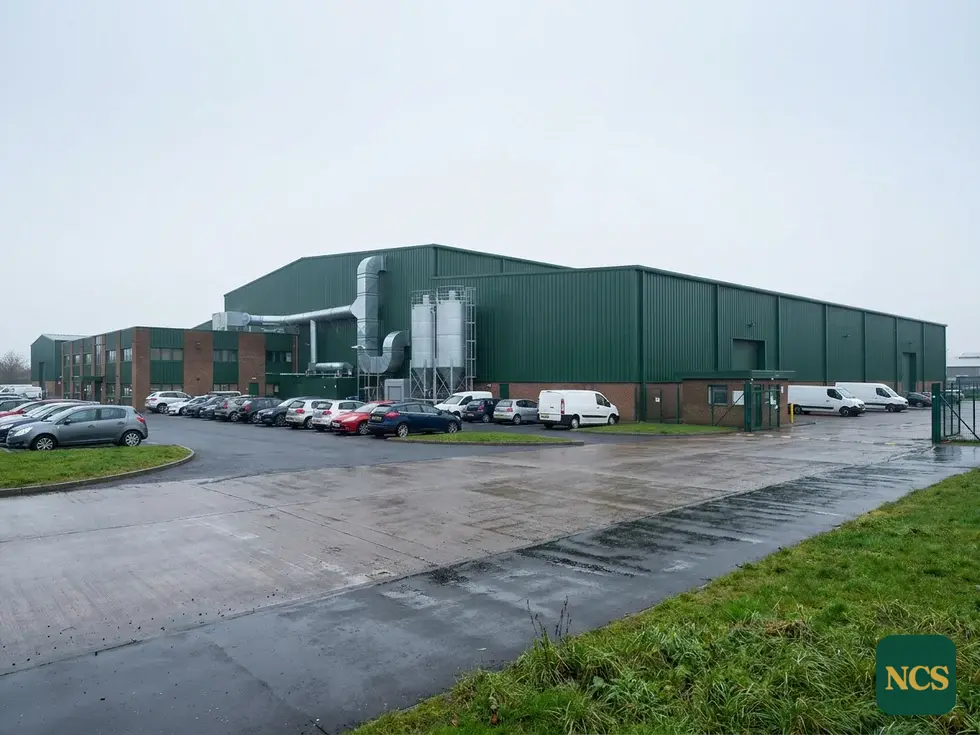
Essex farm buildings show the same pattern as the industrial stock. Grain stores and livestock sheds with profiled steel roofs corrode at exactly the same points, often faster where condensation attacks the underside of the laps as well.
Why early treatment is the better spend
Treating cut edge corrosion early is a localised job: abrade the edge back to sound steel, apply a corrosion-inhibiting primer, seal the laps, and finish with a flexible edge coating that the original sheet never had. Done in time, it stops the defect rather than hiding it.
Waiting changes the job completely. Rust does not pause, and once it perforates the sheet you are no longer buying a treatment, you are buying new sheets, access equipment and downtime. For an occupied warehouse or workshop, the disruption is often a bigger cost than the work itself. Early treatment exists precisely to keep you off that path.
When we will tell you not to coat
Not every roof we survey is a candidate. If our inspection finds holes in the sheets, corrosion that has travelled far beyond the lap zone, or sheets rusting from the underside, we will not offer a treatment that cannot work. Coatings protect steel that still exists; they do not bridge perforation or rebuild lost metal. In those cases we set out the honest options, which may mean replacing individual sheets before treating the rest, or accepting that the roof needs an overlay or a full re-sheet.
That assessment comes from the survey, with photographs of what we found, so you can see the condition for yourself rather than take our word for it.
Edge treatment or full roof coating?
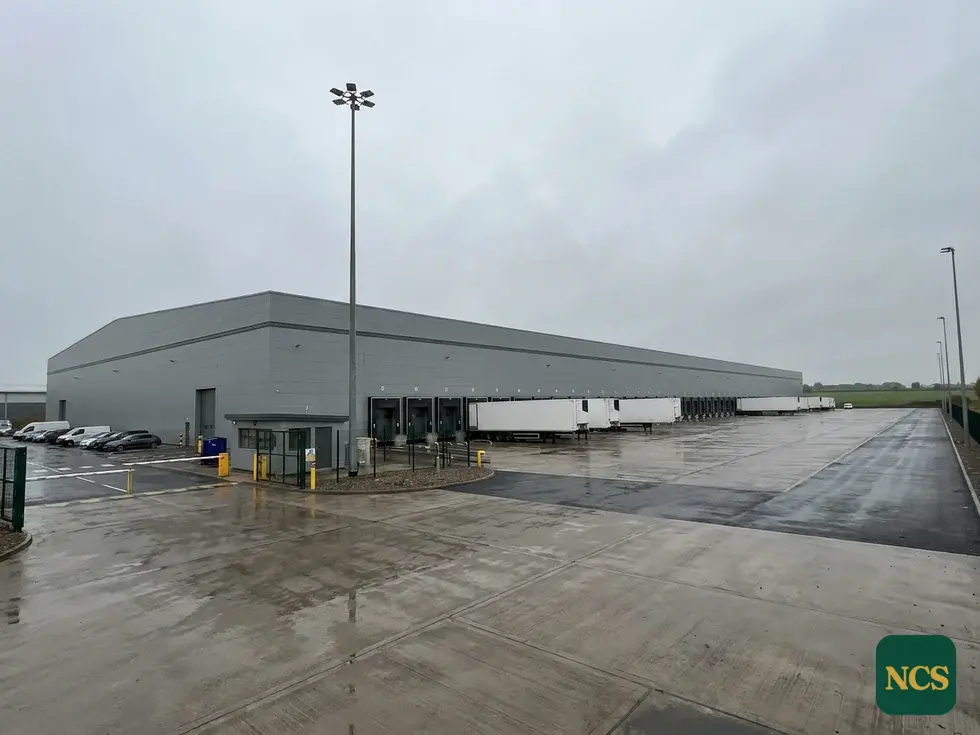
The survey looks at the whole roof, not just the stained edges, because the right job depends on both.
- Condition of cut ends, side laps and end laps across the roof
- How far corrosion has travelled beneath the coating
- Fixings, flashings and gutter lines, which fail in the same way
- Overall coating condition: chalking, fading and brittleness
- Whether localised treatment or a full coating is better value
Where the sheet faces are still sound, edge treatment alone may be all the roof needs. Where the whole coating is tired, treating the edges as the first stage of a full roof coating protects the entire surface in one programme of work. We are based in the South-East and cover Colchester and the rest of England, and every job starts with that survey.