The duty to manage comes before any coating decision
Before anyone talks about coatings, owners of commercial and agricultural buildings around Oxford need to be clear on one piece of law. Regulation 4 of the Control of Asbestos Regulations 2012 places a duty to manage asbestos on whoever controls maintenance of non-domestic premises. That duty means identifying asbestos-containing materials, assessing their condition, keeping a written record and managing the risk. It does not mean automatic removal. Asbestos cement sheeting in sound condition can be kept in place, sealed and monitored, and that is exactly where encapsulation fits: a recorded, planned measure inside your management plan rather than a workaround.
Where these roofs sit in and around Oxford
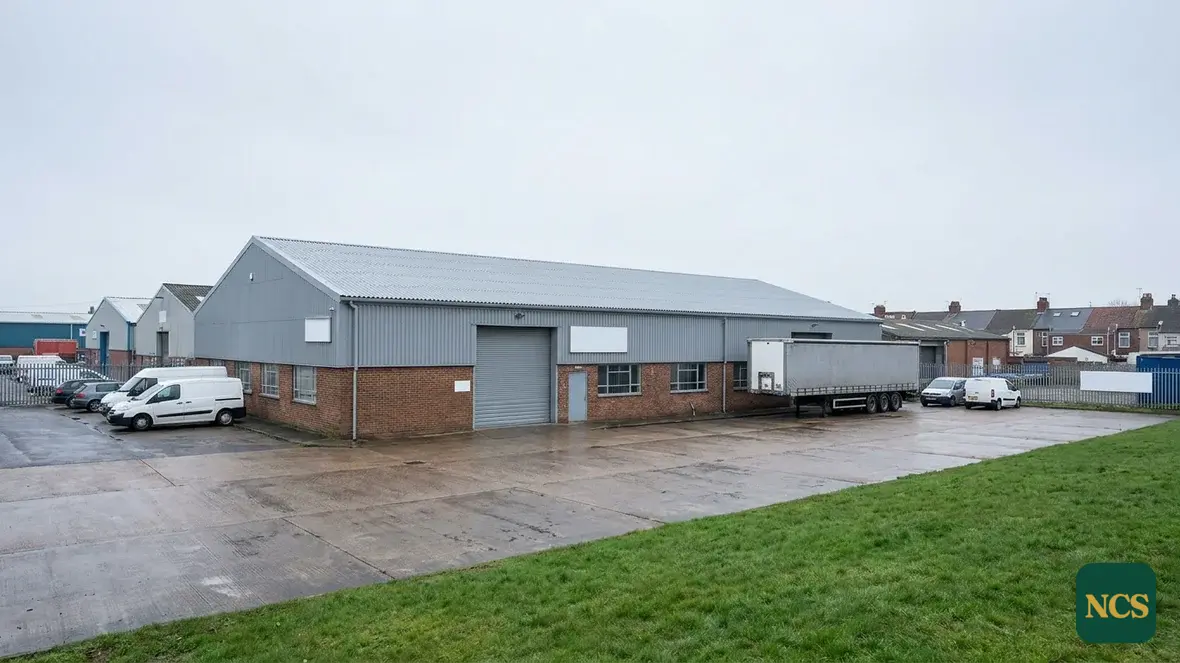
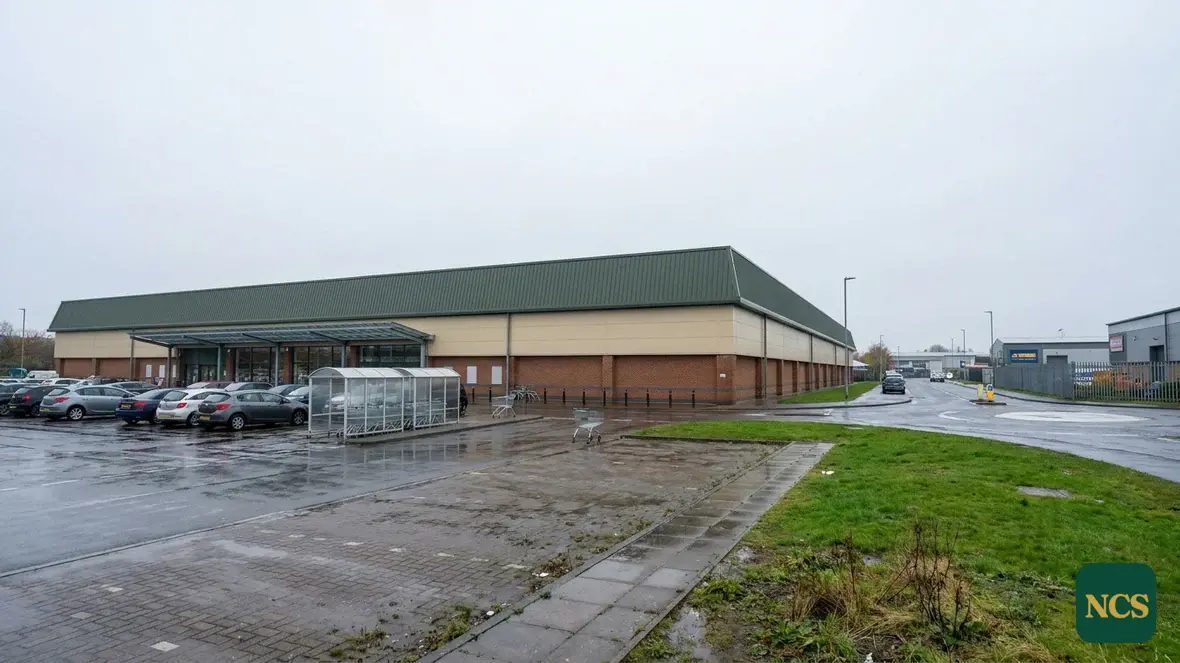
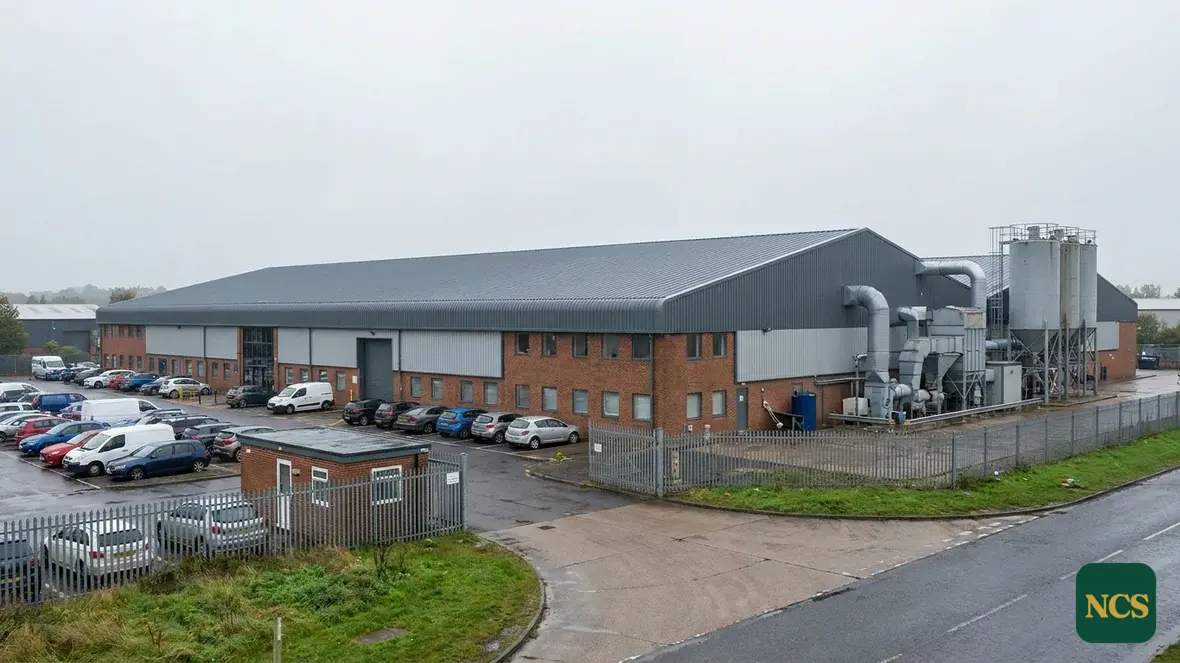
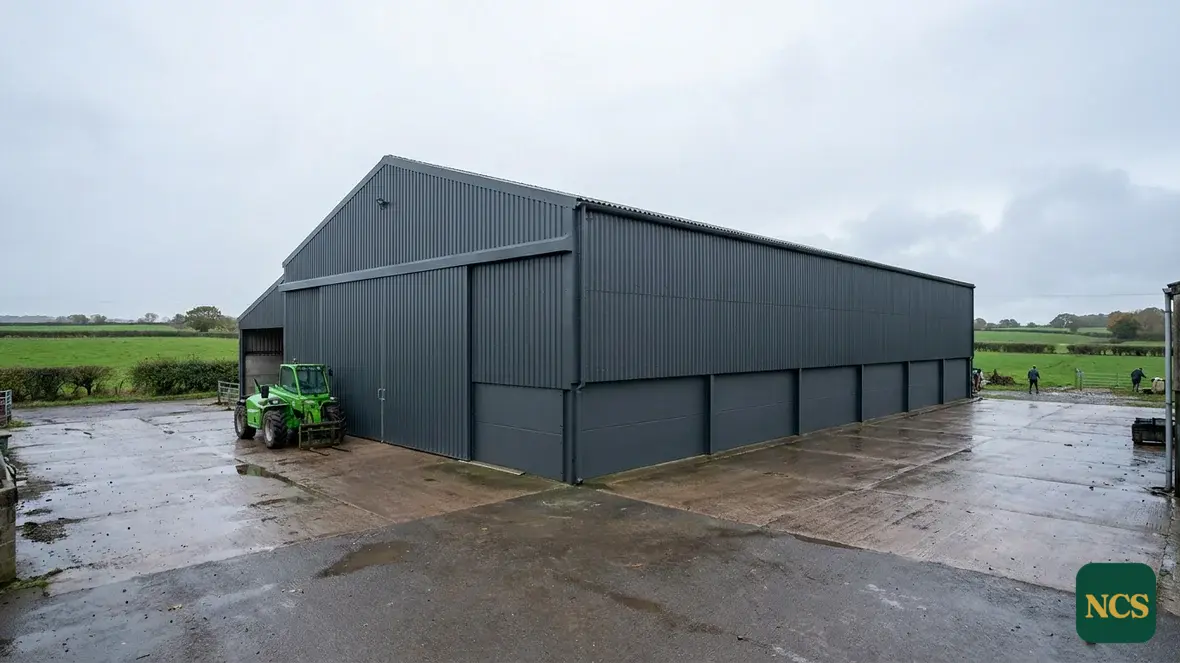
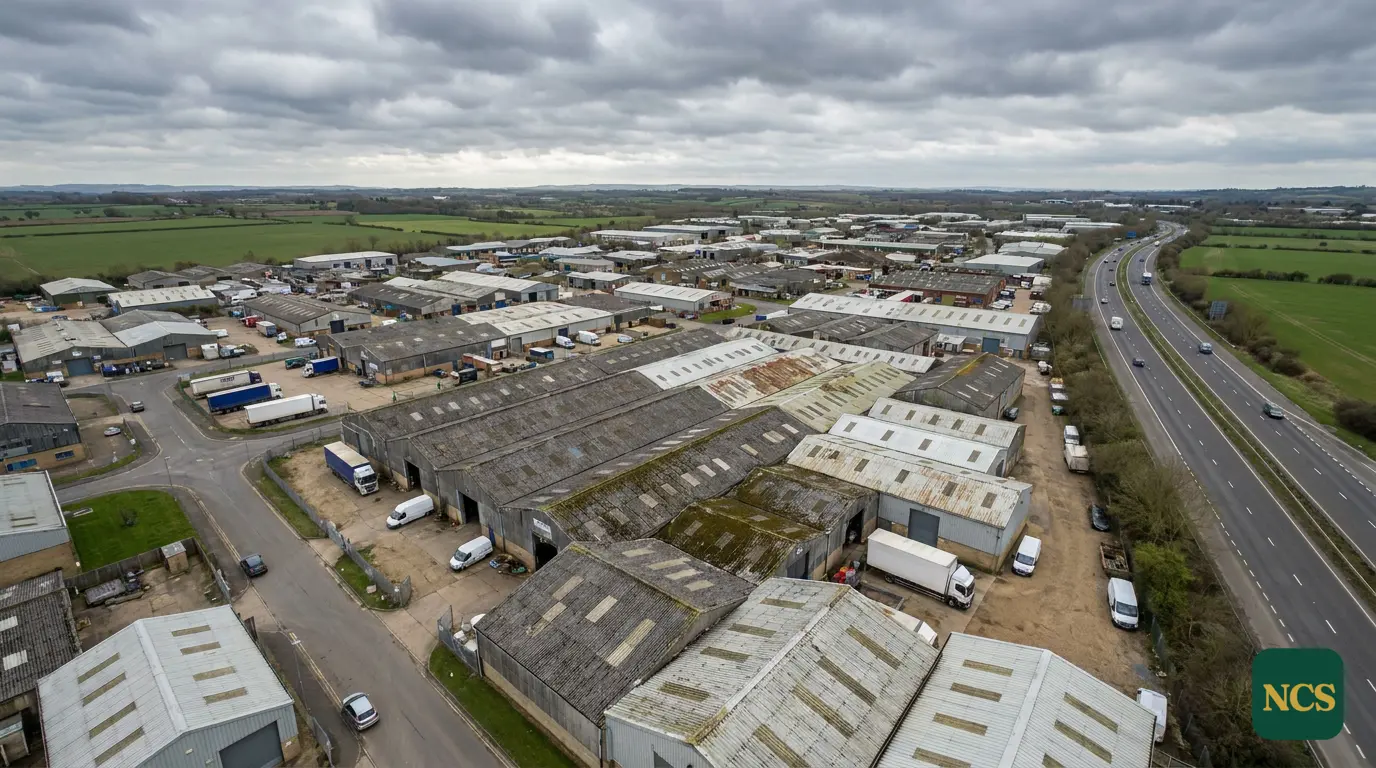
Oxford’s mid-century growth left more asbestos cement roofing than the city’s historic skyline suggests. The motor-industry era produced workshops, stores and ancillary buildings on the eastern side of the city, the estates around the ring road carry plenty of 1960s to 1980s portal-frame units, and the surrounding Oxfordshire countryside is full of agricultural barns and grain stores roofed in the same corrugated sheet. Most of these roofs were given a working life of thirty years or so. Many have doubled it, which is why surfaces are now porous, moss-covered and leaking at fixings even where the sheets themselves remain sound. Depots, garage premises and school outbuildings from the same period often carry smaller asbestos cement roofs too, and the duty to manage applies to them just as it does to a large industrial unit.
What encapsulation actually involves
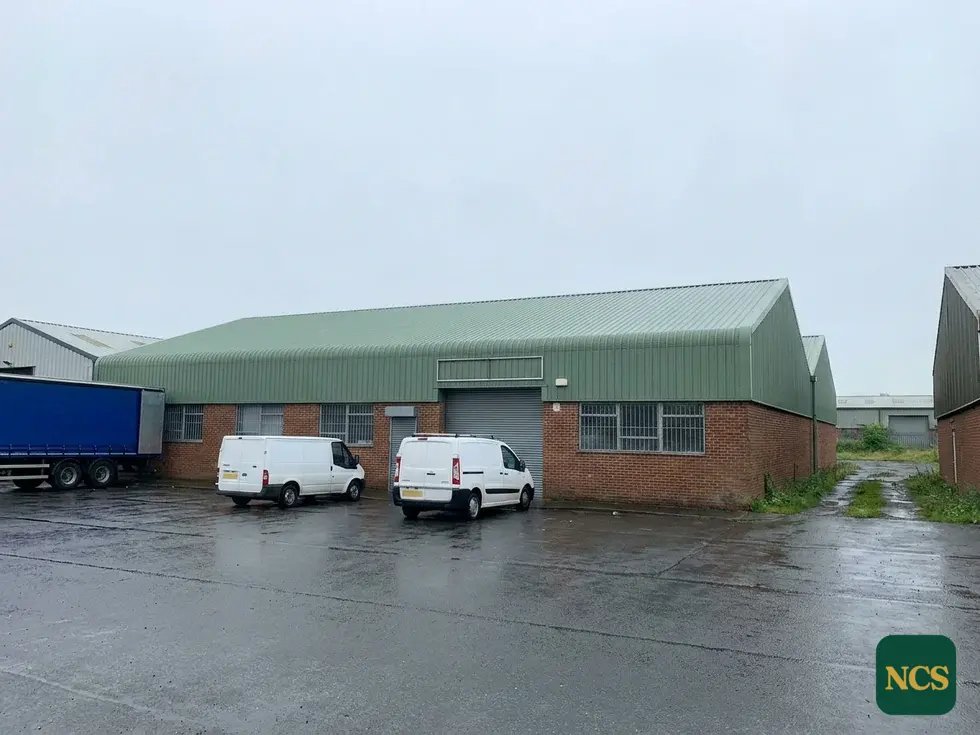
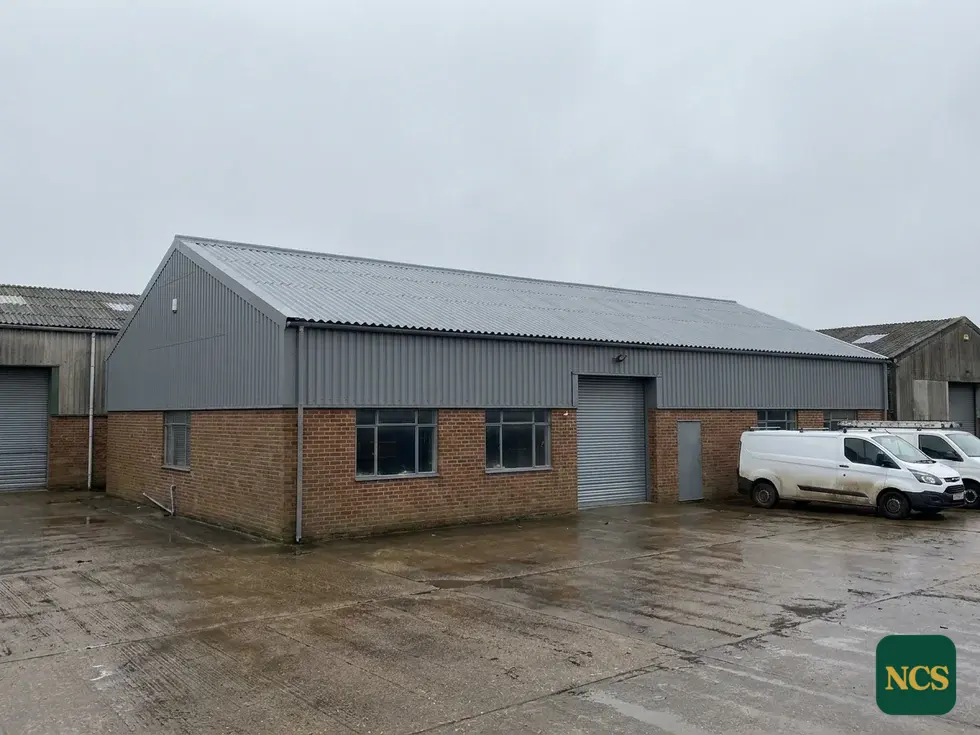
Encapsulation is not painting over a problem. The roof is surveyed sheet by sheet, then cleaned under controlled conditions so that debris and moss are removed without releasing fibres or treading sheets. Damaged fixings are replaced, minor repairs are made, brittle rooflights are dealt with, and the prepared surface is sealed with a coating system designed for asbestos cement. The cured coating binds the surface, locks fibres in, restores water-shedding and gives the roof a further service life. Compared with stripping the roof, disposing of the sheets as hazardous waste and funding a full replacement, the cost difference is usually substantial, and the building stays occupied throughout. Coatings are available in a range of finishes, so a tired grey roof can be brought back into keeping with neighbouring buildings, and the sealed surface is far easier to inspect at each review of your management plan.
When we will say no
There are roofs we will not coat, and it is better you hear that before a survey than after a failure. Encapsulation is wrong where sheets are extensively cracked or holed, where the cement has gone soft and friable through decades of saturation, or where storm damage and structural movement have broken the roof’s integrity. It is also strictly limited to asbestos cement. If a survey finds insulation board, lagging or sprayed coatings, that material is licensable and must be removed by an HSE-licensed contractor. Where removal is the right answer for your building, we will say so in writing and step aside.
A survey-led service for Oxford and Oxfordshire
We work from a South-East base, which puts Oxford comfortably within our regular survey area. The process is simple:
- A condition survey of sheets, fixings, rooflights, gutters and structure
- A photographic record you can attach to your asbestos management plan
- A plain written recommendation: encapsulate, repair first, or refer for removal
- A specification and price only where coating is genuinely appropriate
- Workmanship carried out under controlled, documented conditions
If your building dates from the 1960s to the 1980s and the roof has never been assessed, the survey is the place to start. It answers the compliance question and the cost question at the same time.