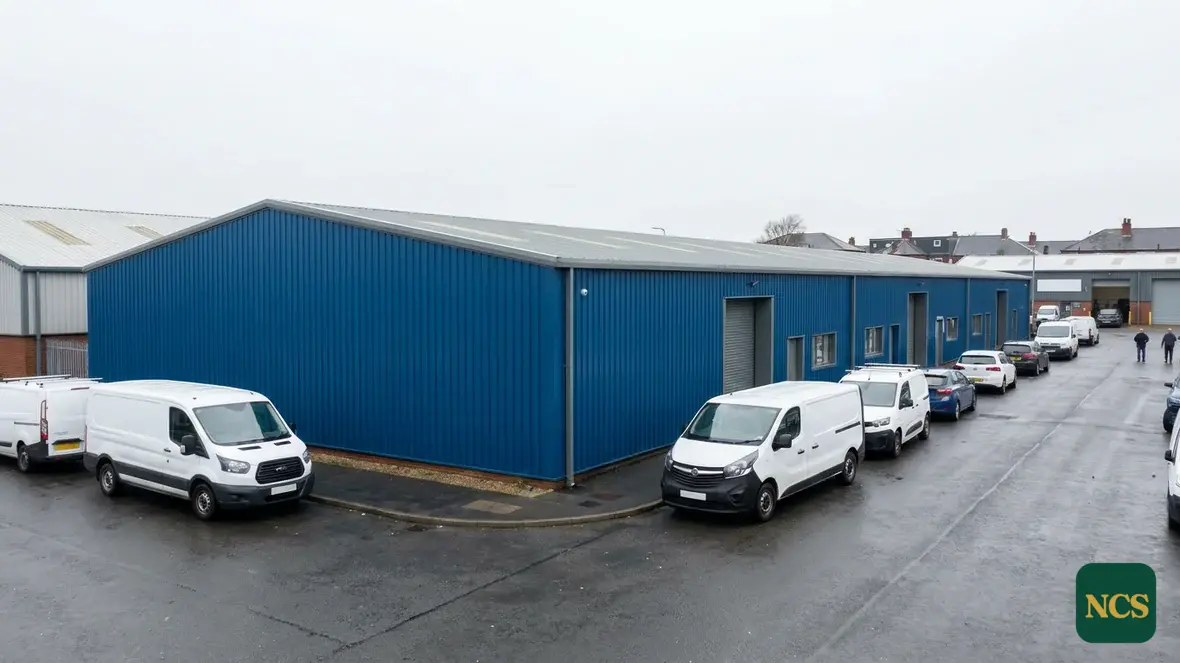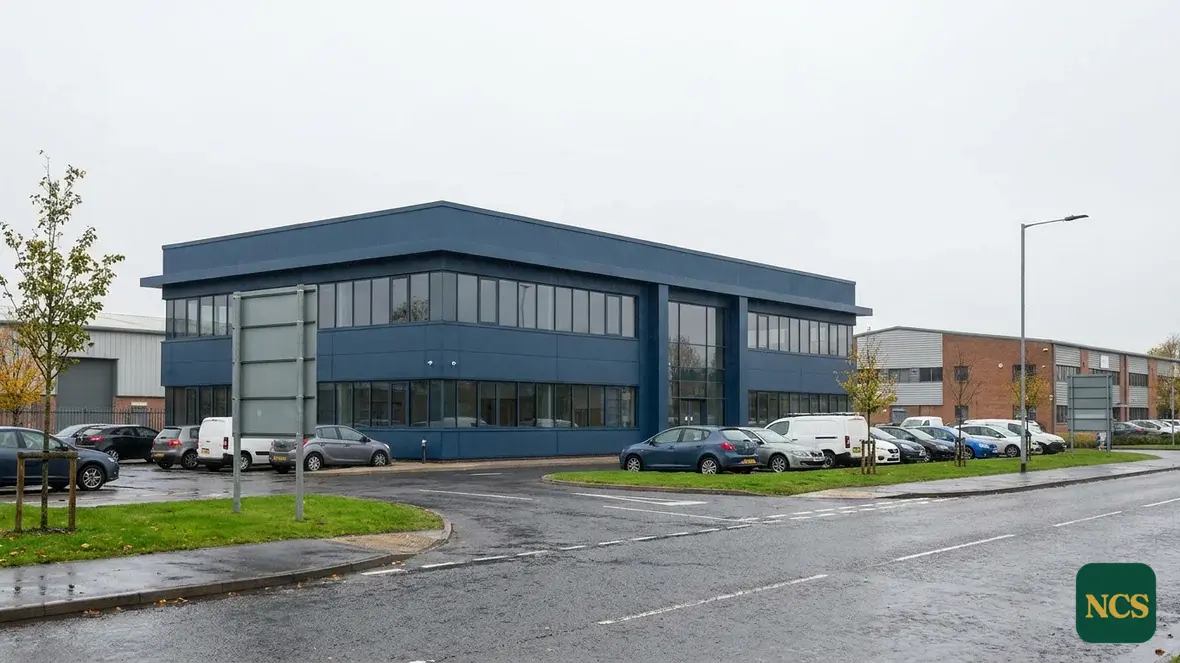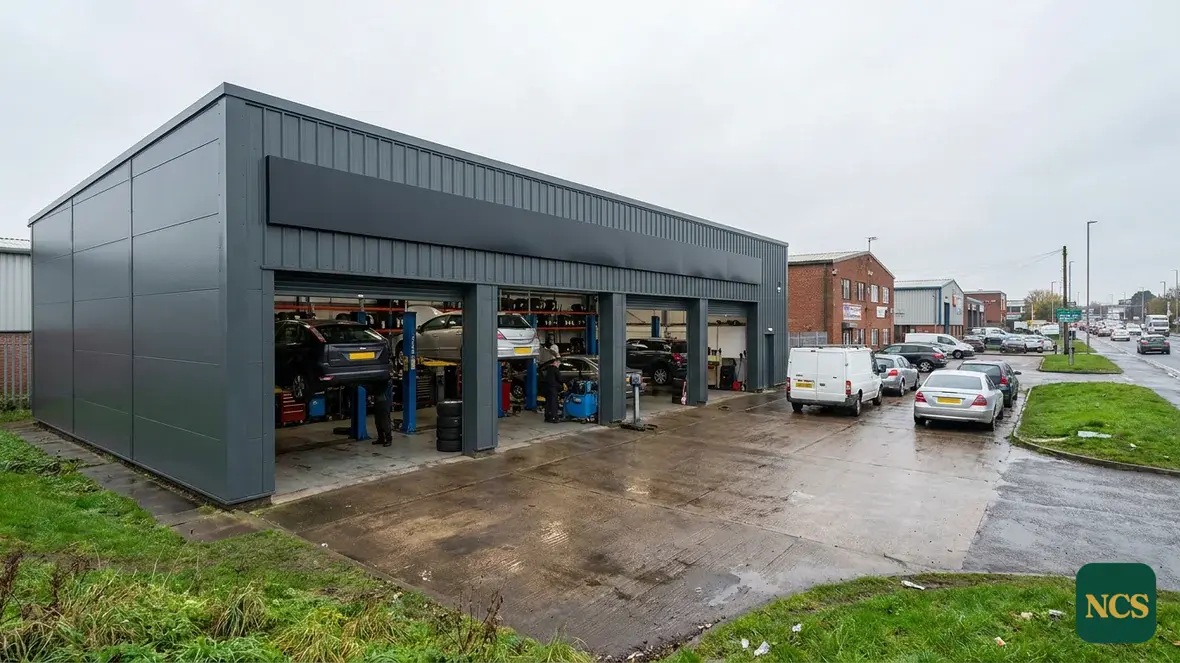
Cladding spraying in Oxford
Walk around the business parks and trade estates near Oxford and you’ll see plenty of buildings that just look tired. It’s not that they’re falling apart, they just look a bit dated. That faded colour from twenty years ago can quietly put off a new tenant. We coat the outside of commercial buildings across the UK, and respraying the cladding gives you a factory-quality finish in any colour. You get a modern look without the cost, the waste or the hassle of ripping off all the old panels and recladding.
We always survey first. That means we inspect the building, write a proper scope, then give you a price. On commercial property, where the look of a place affects what you can charge, that discipline gives you a predictable result. The difference in the programme is stark too. A respray usually takes days per elevation. Recladding takes months of scaffold, stripped walls and a building you can’t even show to anyone.
Why owners and agents respray
When we talk to building owners and agents around Oxford, Abingdon, Witney, Bicester and Didcot, the reasons for respraying are usually commercial, not just cosmetic:
- Freshening up a unit between tenancies to get the asking rent.
- Rebranding a building to match new corporate colours.
- Bringing a tired unit up to the standard of the rest of an estate.
- Stopping cut edge corrosion early, before it ruins the whole panel.
- Extending the life of cladding that’s sound, instead of just replacing it.
The logic is always the same: the cladding panels themselves are fine, but the finish is not. Replacing perfectly good steel just because the paint has failed makes no sense for the budget or the skip. For organisations that care about their environmental footprint, keeping the existing cladding in service rather than manufacturing and transporting new panels is an easy win. We know several occupiers on Oxfordshire’s science parks care about exactly that.
The survey behind the scope
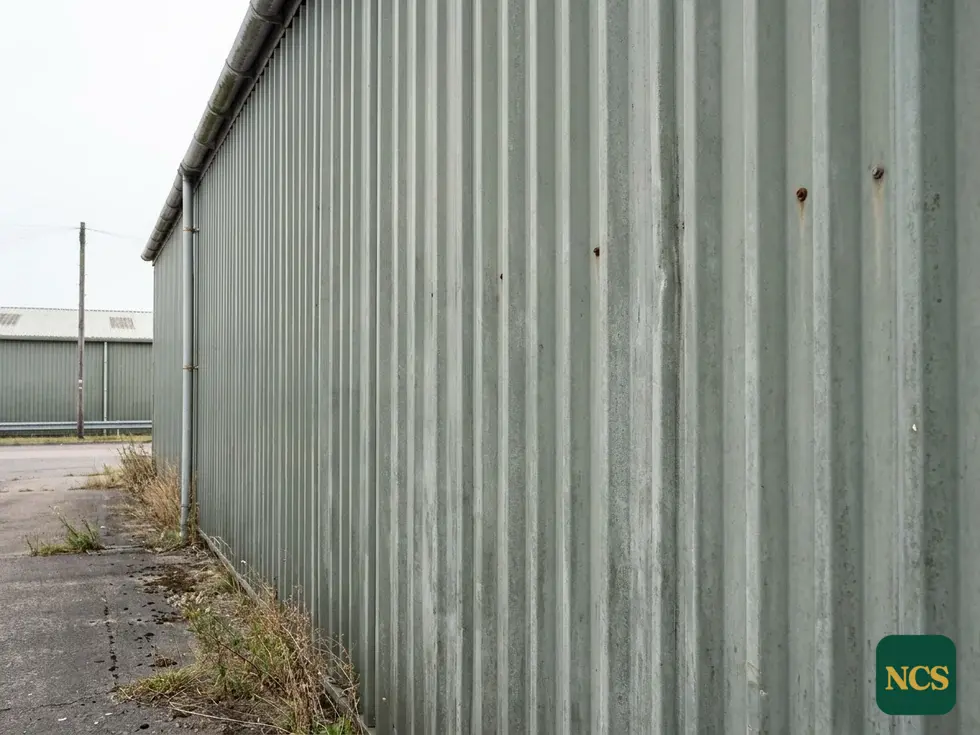
We won’t quote a price until we’ve inspected the building properly. We check the panel type, how well the existing finish is still stuck on, any corrosion at the cut edges and laps, the state of the fixings, gutters and sealant lines, and what access we’ll need for the job. Our written scope then specifies the preparation needed for each elevation and recommends the right coating system for the substrate. We always explain why.
For buildings that are still occupied, including labs and offices, we agree on phasing and working hours at this stage. That means the programme fits around the people inside, instead of disrupting them. Masking, access equipment and working during quiet hours are all easier to plan properly in advance than to try and improvise on site. Tenants who know what to expect usually stay on side until we’re done.
A cladding respray on a Oxford unit is a refurbishment in the real sense: repairs first, then the sprayed finish.
What we will not put a coating over
Not every building should be sprayed. If you’ve got perforated sheets, composite panels that are delaminating, insulation that’s taken on water, or widespread fixing failure, those parts need to be replaced first. Or the whole elevation might need replacement instead of a coating. Our report will tell you exactly that. Where the damage is contained, the usual route is to replace a few panels and then respray the whole elevation. That way, nothing looks patched.
What you will never get from us is a fresh colour sprayed over a known defect. That would fail early, and on managed estates, bad news travels faster than any advert.
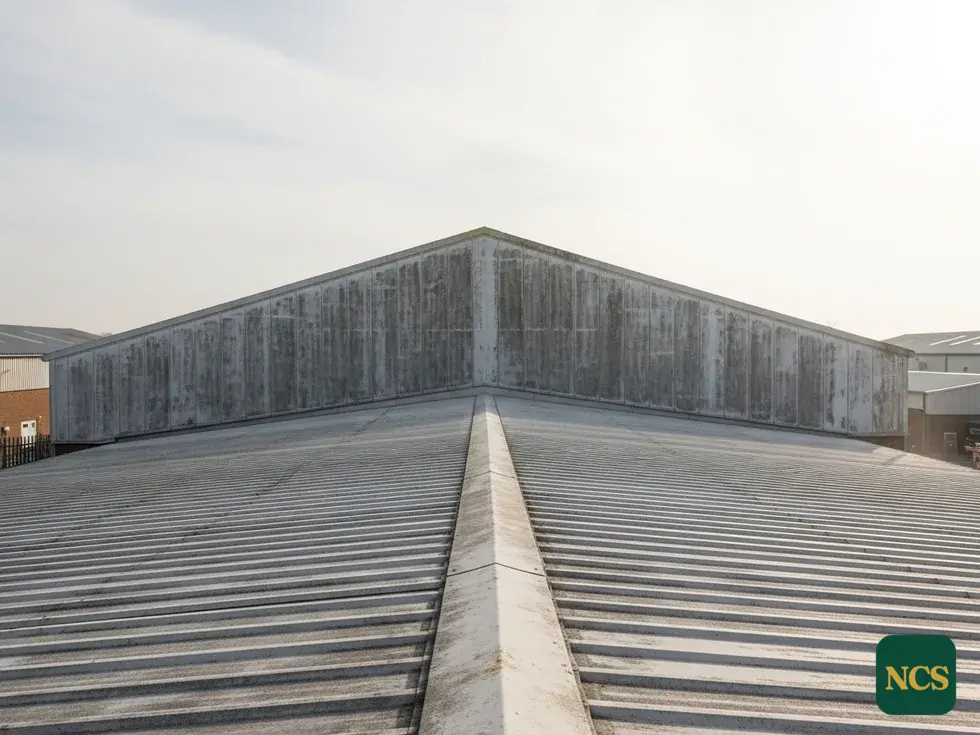
The survey-led difference on commercial stock
When we quote a respray based on real findings, it protects your budget and the finish in equal measure. We specify the preparation, we match the system to the metal, and the quote won’t change once we start work. The report itself is also a useful document for your planned maintenance schedules and for talking to valuers and prospective tenants. If you own or manage clad buildings in Oxford and one of them is starting to let the estate down, an inspection will tell you precisely what it needs and what it doesn’t.