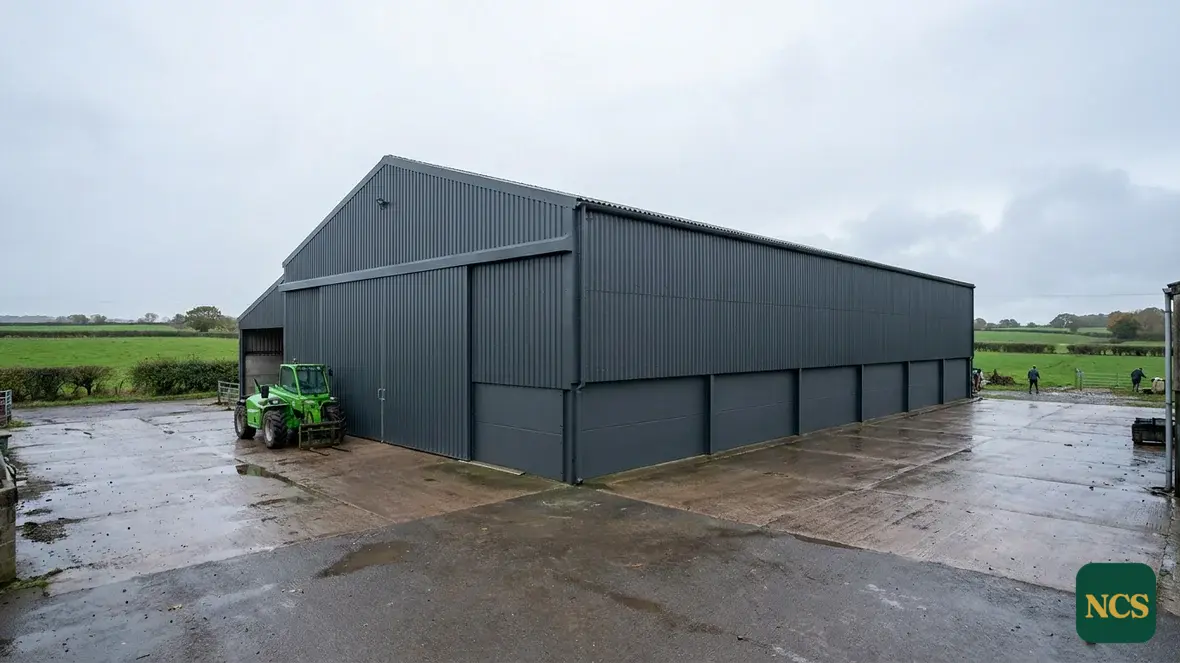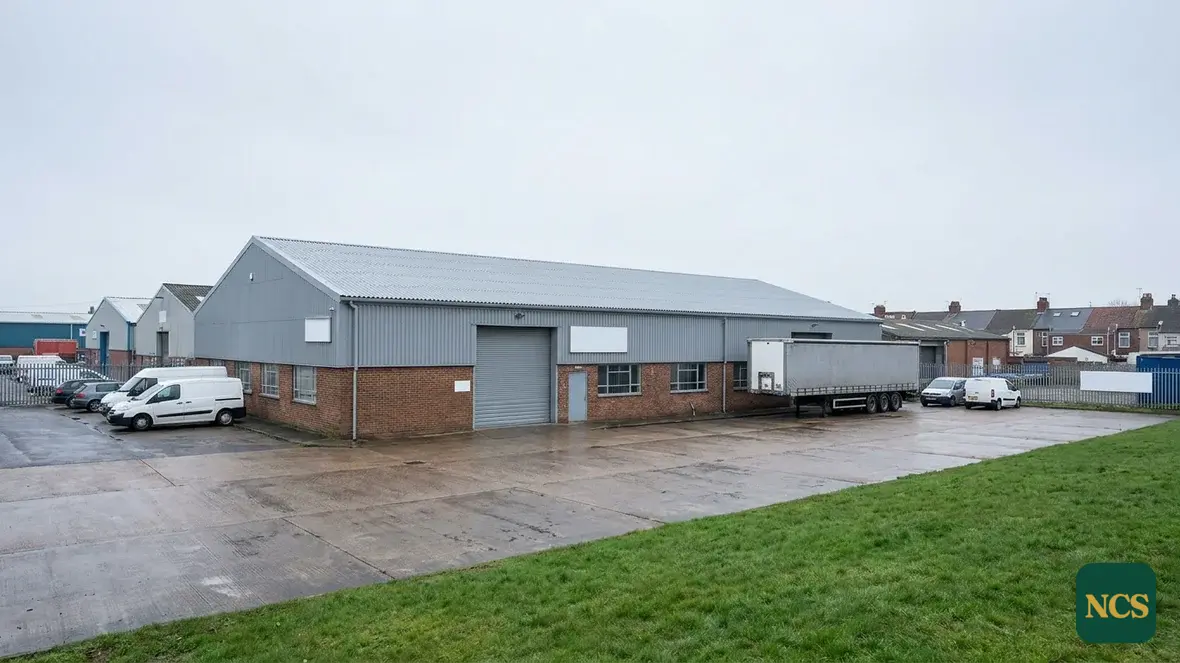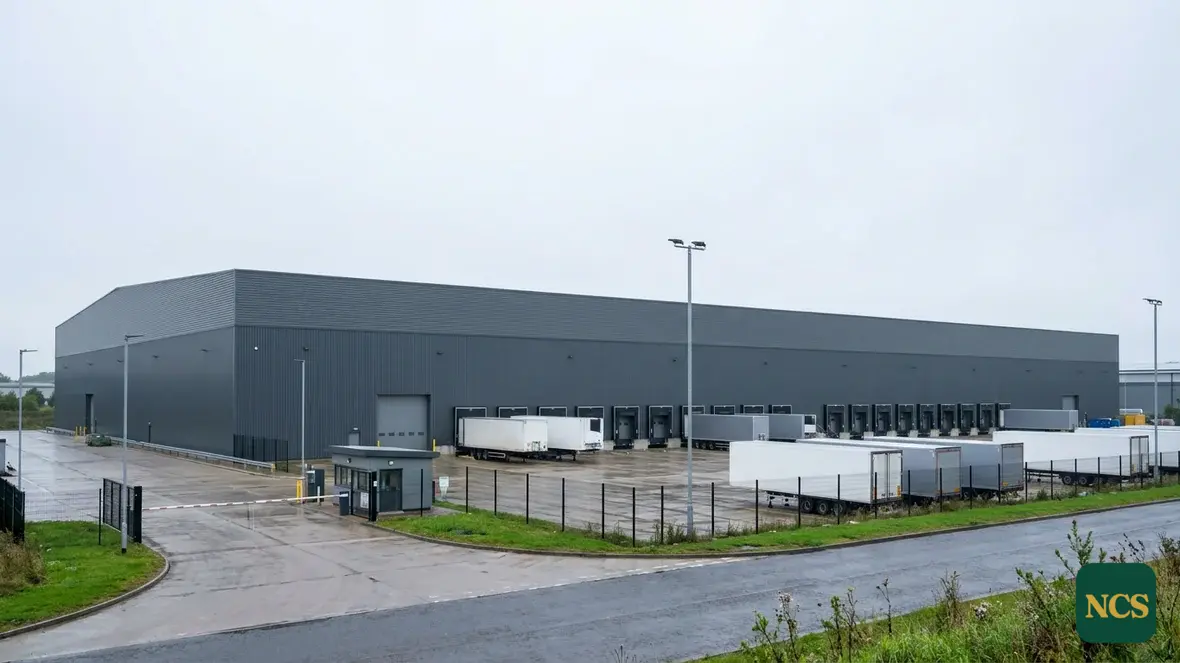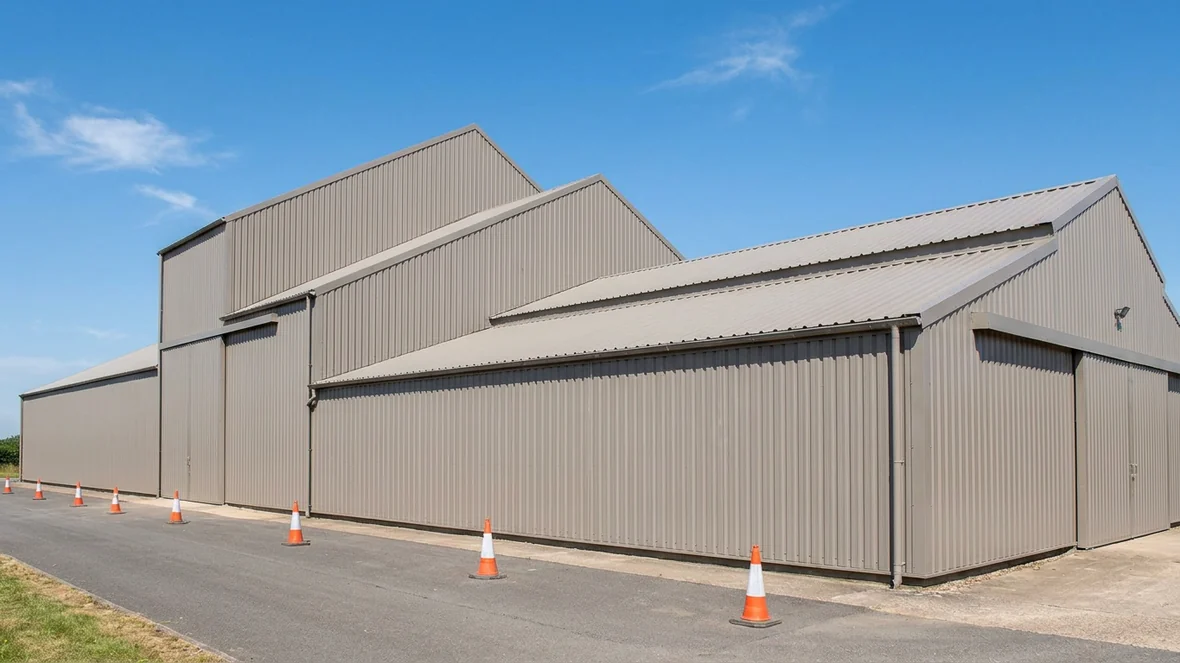
Behind Brighton and Hove, the South Downs carry more working agriculture than most people ever notice: arable on the chalk, sheep on the steeper ground, and the barns, grain stores and machinery sheds that keep both running. National Coating Specialists is based in the South-East, so this is close ground for us, and our survey-led approach suits downland buildings that have spent decades standing in salt-carrying wind.
Downland farm buildings and what wears them out
The flint and timber barns of the old Downs are mostly heritage pieces now. The working stock is steel portal frame and fibre-cement: grain stores serving the arable chalk, lambing sheds and handling buildings for the flocks, machinery stores holding kit that costs more than the building around it. Open downland gives these roofs nowhere to hide. Wind drives rain into laps and ridges, south-facing slopes take heavy ultraviolet exposure, and the factory finishes applied forty years ago were never designed for either over this length of time. Most of these buildings remain structurally sound, which is precisely why a surface-level intervention at the right moment makes sense.
Salt air accelerates everything
Proximity to the Channel changes the corrosion arithmetic. Salt-laden air works on cut edges, fixings and any scratch in a coated sheet faster than the same defects fail inland, so a roof a few miles behind Brighton and Hove can be years ahead of an identical roof in the Midlands on the deterioration curve. On coastal-fringe surveys we typically find:
- Chalking and colour loss concentrated on south-facing slopes
- Cut-edge corrosion running ahead of general surface wear
- Rust streaking below fixings and laps
- Brittle, clouded rooflights ready to crack underfoot
- Moss and lichen holding moisture on the shaded northern slopes
None of these alone condemns a roof. Together, untreated, they shorten its life considerably.
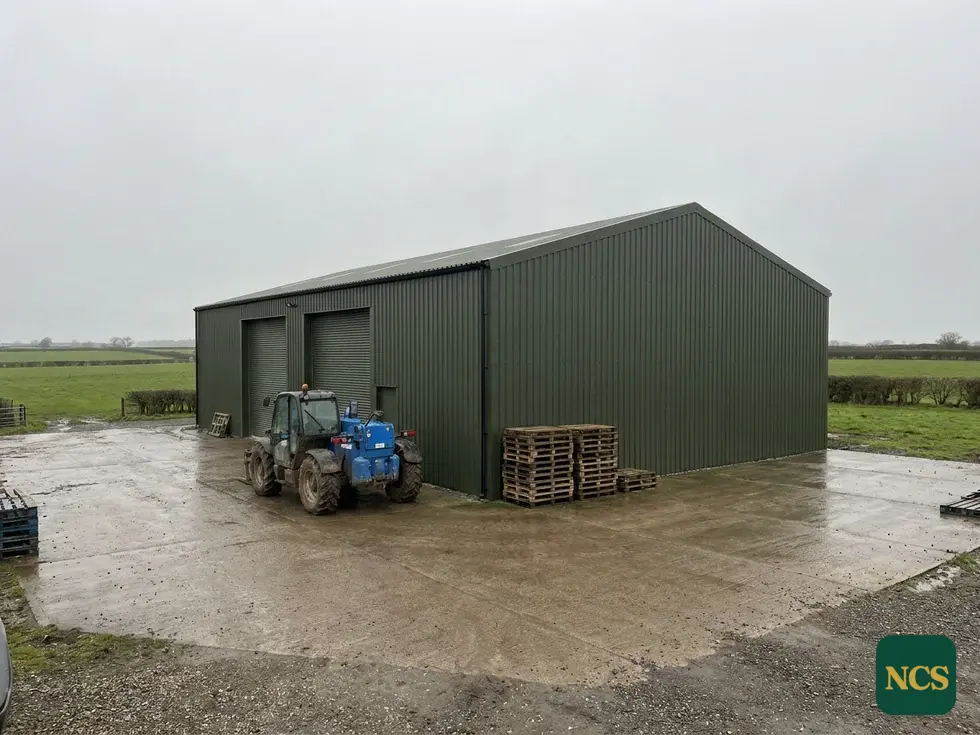
The survey, slope by slope
Every recommendation we make starts with an inspection from proper access equipment, never a guess from the yard gate. Each slope is assessed separately, because a south-facing slope above the Channel and a sheltered north slope on the same building can be a decade apart in condition. We record sheet condition, fixings, rooflights, gutters and what the inside of the building reveals about water already finding its way through, then put the findings in front of you with photographs. If half the roof needs coating and half needs repair, that is what the report says.
Harvest, lambing and getting up the track
Downland farms run to a firm calendar: lambing through spring, harvest on the arable ground in high summer, stores filling straight afterwards. We programme coating work into the gaps, with grain stores done and fully cured before intake and stock buildings handled while they stand empty. Access gets discussed at survey stage too, because downland tracks, steep yards and chalk in wet weather decide what equipment can actually reach the building. Planning that on paper beforehand beats discovering it with a machine stuck on the first morning.
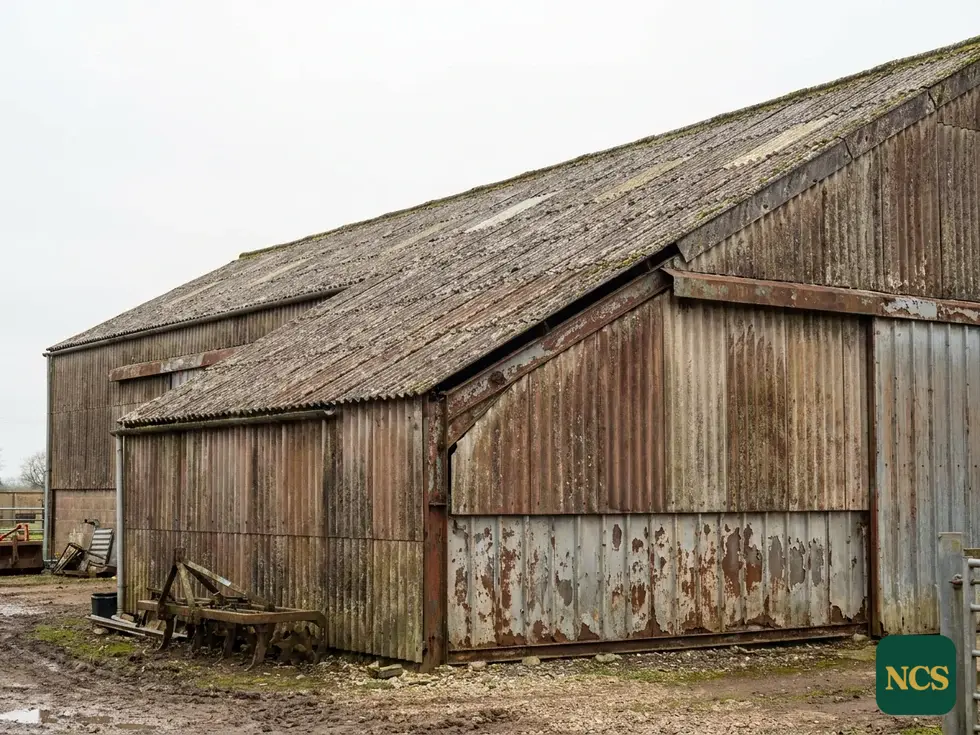
An honest verdict, even when it is replacement
Our survey sorts a building into one of three outcomes. Repair, where damage is localised and the rest of the roof is healthy. Coat, where the surface is failing widely but the sheets and frame are sound, which is where a coating system delivers genuine value. Replace, where perforation, soft fibre-cement or structural trouble means coating would only paint over a problem. We give the verdict with photographs and reasons, and we are content to walk away from the third category. The same honesty applies to asbestos-cement: sound sheets can often be encapsulated, fragile ones need a specialist removal contractor, and we tell you which you have rather than what is convenient to sell.