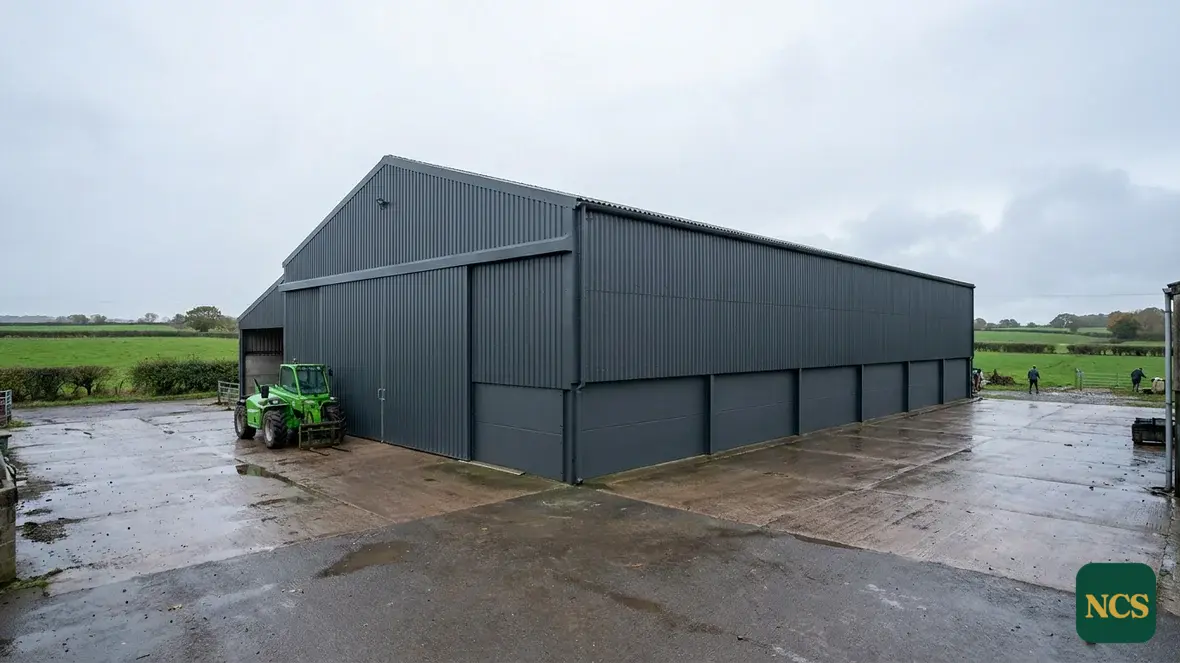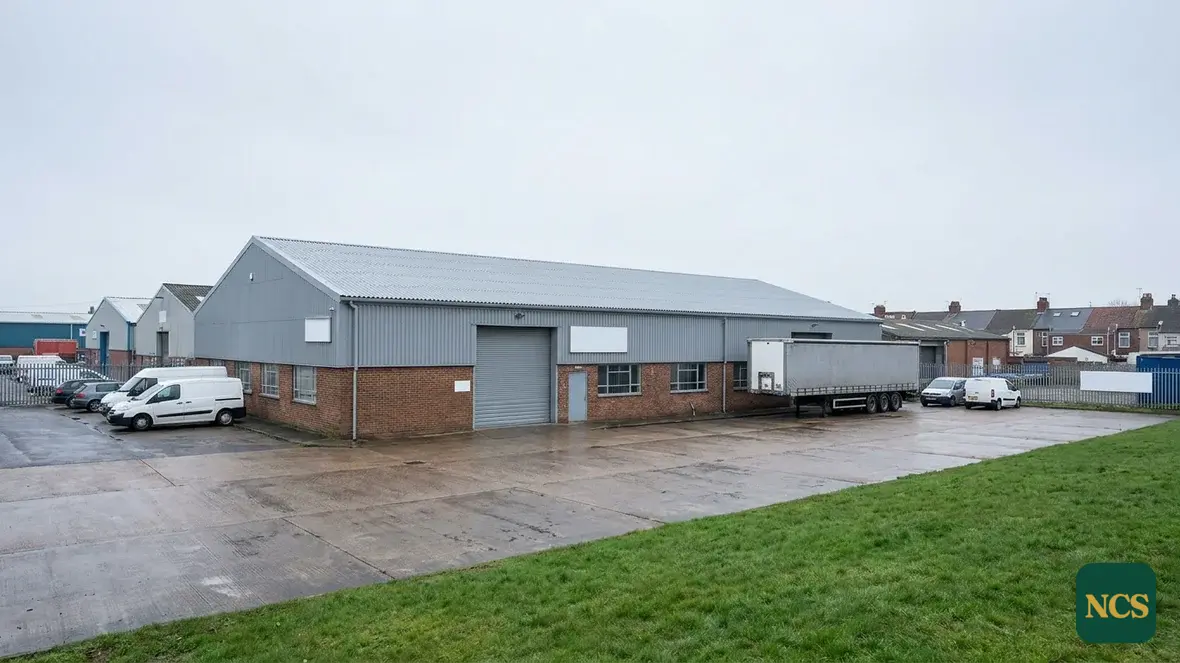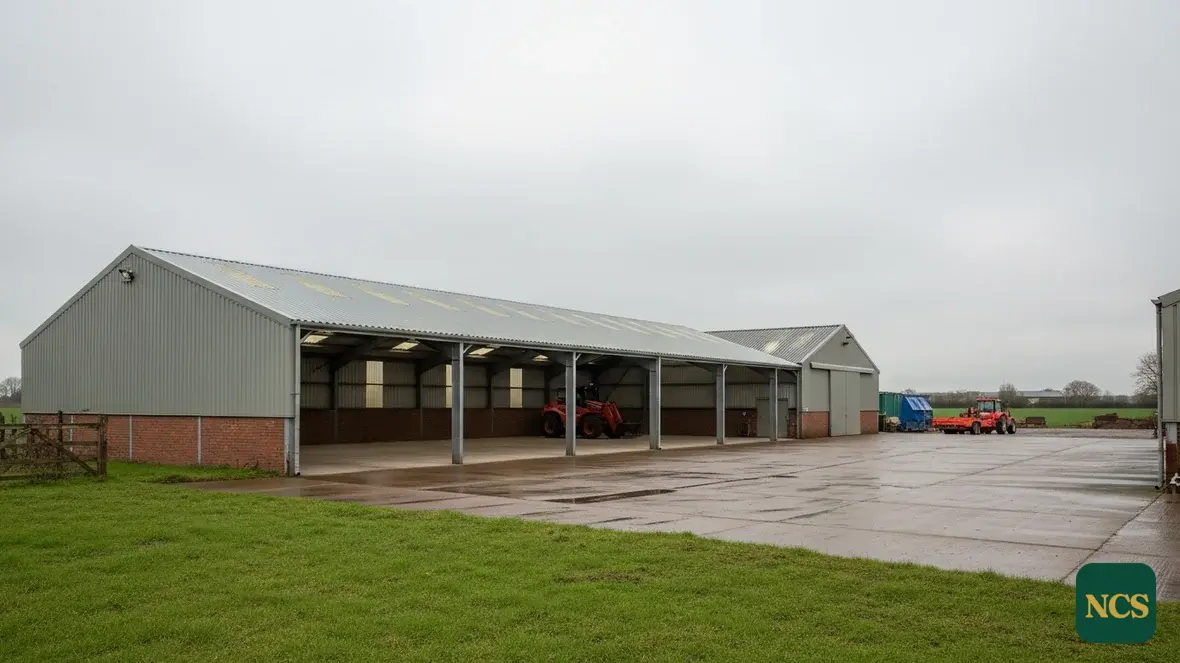
A dairy building works harder than almost any other structure on a farm, and the country around Bristol has plenty of them: livestock and dairy holdings down towards the Chew Valley and the Mendip fringe, mixed and arable units to the north and east of the city. National Coating Specialists surveys and coats agricultural buildings across this area as part of England-wide coverage from a South-East base, and the wet, mild climate off the Severn estuary gives the work a particular character.
The building stock around Bristol
Most working farm buildings here are steel portal frame sheds of varying ages: cubicle housing and loafing yards on the dairy side, grain and machinery stores elsewhere, with asbestos-cement roofs surviving on plenty of older spans. The estuary climate is rarely harsh but it is persistently damp, and persistent damp is what ages a coated steel sheet. Finishes chalk and thin, cut edges and fixings corrode, gutters silt up and overflow down the cladding. None of this happens quickly, which is exactly the trap: a roof can look acceptable from the yard for years while the protection quietly runs out.
Corrosion from the inside as well as the outside
Livestock buildings deteriorate from underneath too. Housed cattle put warm, moist, ammonia-laden air against the underside of the roof all winter, and condensation does the rest. A sheet can present a reasonable face to the sky while corroding from the inside, which is why our surveys always include the underside. Things we look for inside a stock building:
- White rust and pitting on the underside of sheets
- Corrosion on purlins, especially over feeding and bedding areas
- Drip staining on rails, dividers and stanchions
- Daylight showing at laps and fixing holes
- Rooflights gone brittle or already patched
A survey that only photographs the top of the roof is half a survey, and a quote built on it is half a quote.
Programmes that respect milking and housing
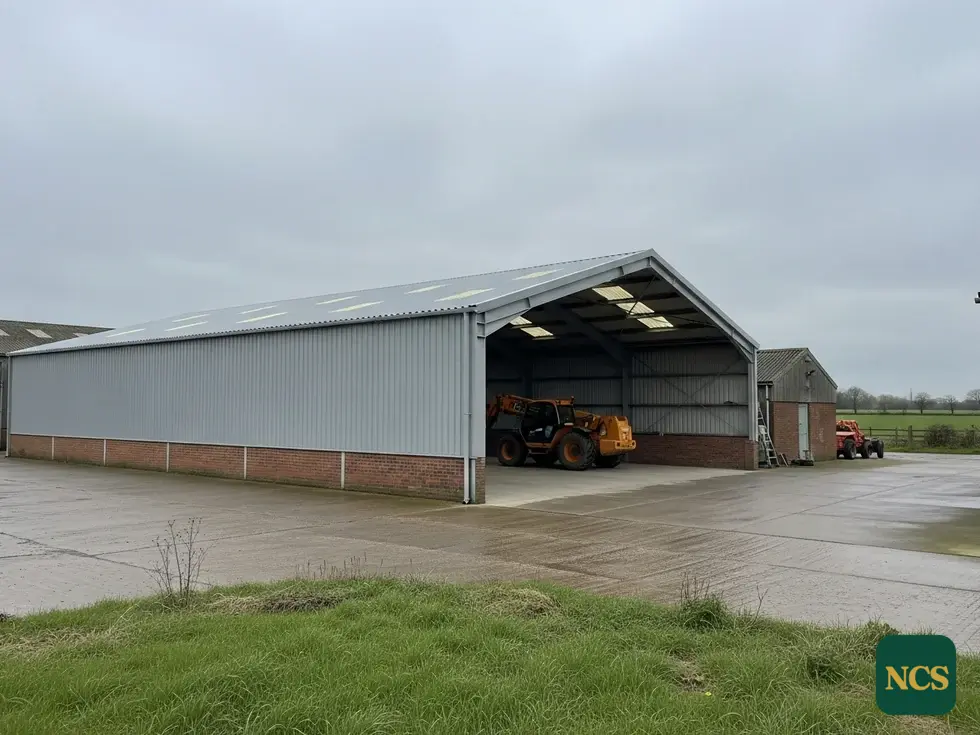
A dairy yard never fully stops, so we do not plan as if it does. Work is sequenced section by section, timed around milking, with feed areas, troughs and parlour surroundings protected before anything is sprayed. The better windows around Bristol tend to be the housed period’s opposite: late spring to early autumn, when youngstock are out and buildings can be emptied in turn. Feed and grain stores are handled before they fill, and every movement on the yard is agreed with you rather than assumed. If a building genuinely cannot be cleared this season, we say so and programme it for the next window instead of working over stock.
Machinery sheds and the rest of the yard
The same survey-first discipline applies beyond the dairy. Machinery sheds protecting tractors, mowers and trailed kit are easiest to deal with in the months the fleet is out on the ground, and arable buildings on the north and east side of the city follow the cropping calendar rather than the herd. Wall cladding, gutters and flashings get assessed alongside the roof, since a coated roof draining into a failed gutter solves half the problem at best. Where a yard has several buildings in different states, we stage the work across seasons so the worst roof is dealt with first rather than the most convenient one.
Repair, coat or replace: where your building sits
We put every surveyed building into one of three honest categories. Localised damage with a healthy surface points to repair, not a full coating you do not need. Widespread surface breakdown over sound sheets and frame is where coating is genuinely the right spend, often the difference between a roof lasting and a roof failing. Holed, soft or structurally compromised roofs need replacement, and coating them would waste your money and our reputation. Asbestos-cement gets the same straight treatment: sound sheets can often be encapsulated, fragile ones belong with a specialist removal contractor, and the survey tells us which conversation we are having.