Farm building coatings on the Essex and Suffolk border
The farmland around Colchester sits on some of the most productive arable ground in the East: wheat, barley, sugar beet and oilseed, stored in big steel sheds and worked from machinery buildings full of valuable kit. National Coating Specialists treats these buildings on a survey-first basis. We cover England from the South-East, and on the Colchester farms our work always starts with two questions: what state is the roof actually in, and what does the farm’s year allow. The answer to the first decides whether a coating is even the right job; the answer to the second decides when.
Big arable sheds and ageing roofs
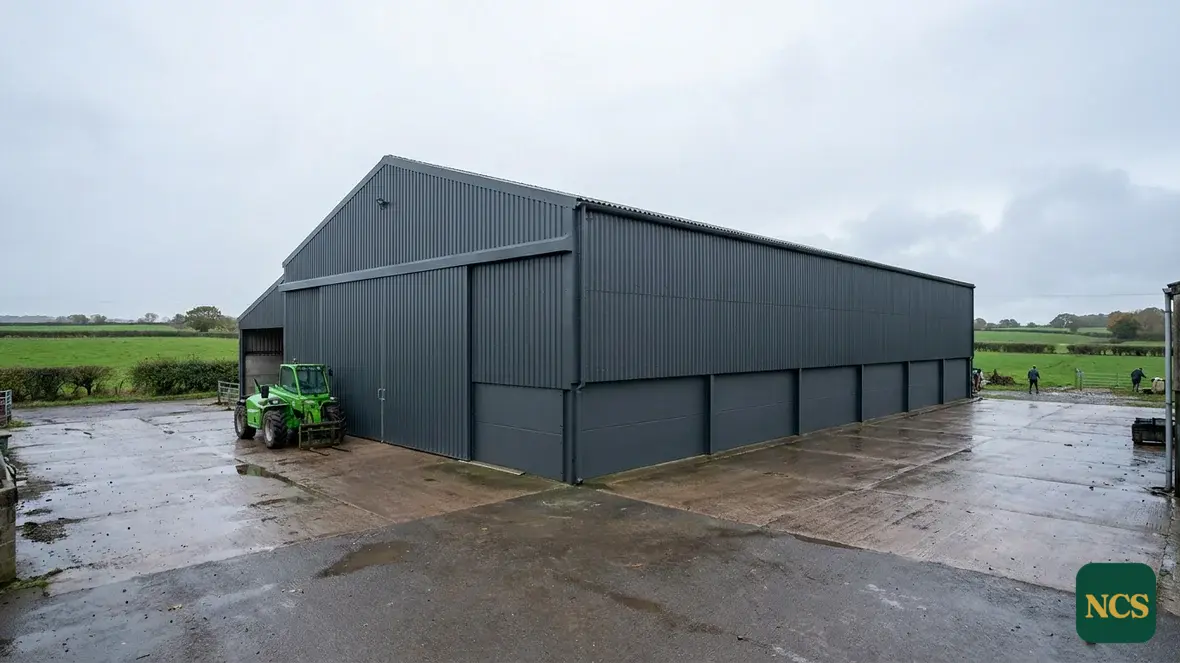
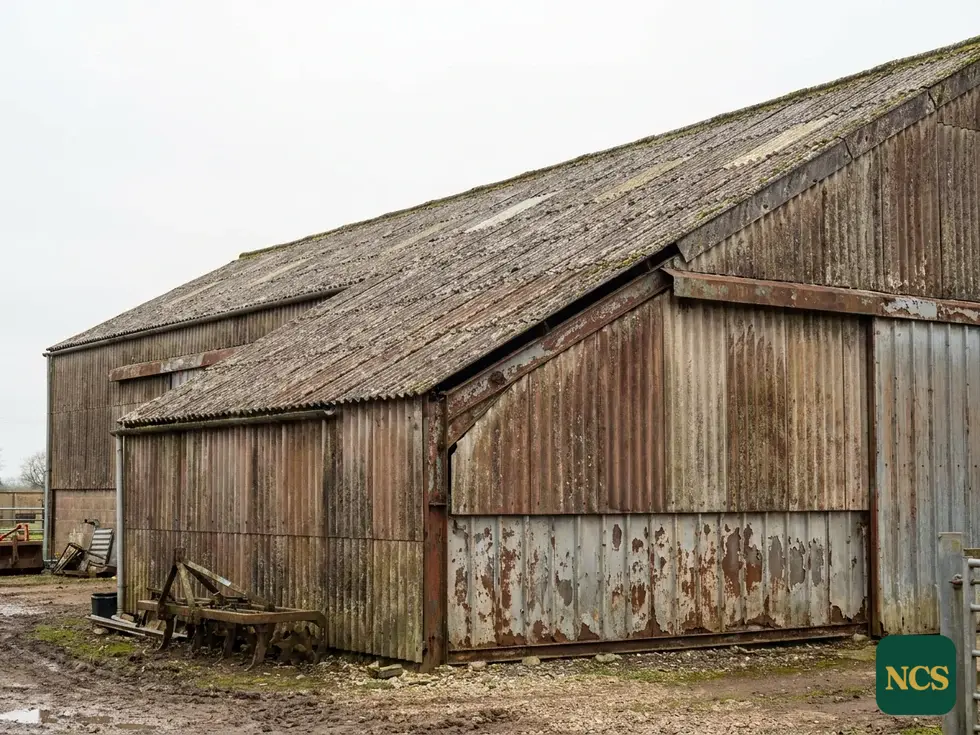
Around Colchester the building stock is dominated by large portal-frame grain stores, machinery and fertiliser sheds, and a steady population of older general-purpose barns, many still under asbestos-cement or later fibre-cement roofs. The flat, open country either side of the Essex and Suffolk border gives wind-driven rain a clean run at all of them, so edge and lap details tend to fail sooner here than on sheltered inland sites. Coated steel chalks, fades and corrodes at the fixings; fibre-cement turns porous and mossy on the shaded slopes. The frames are generally sound, which is the situation a coating is designed for, provided it goes on the right roof. Many of these buildings have stood for thirty or forty years and are good for many more, so spending sensibly on the envelope rather than rushing to replace the whole structure is often the better call.
Working to the harvest window
The arable calendar around Colchester is tight and unforgiving. Stores empty through spring as the previous crop moves off farm, which opens the one practical window for coating: finish the work, let it cure fully, and air the building well ahead of intake. Machinery sheds suit the weeks the fleet is out drilling or harvesting. Before a store is signed back over for grain, certain things have to be true:
- Coating complete, with the manufacturer’s full cure time elapsed
- Building aired and ventilated, with no residual odour
- All masking, sheeting and debris cleared from the floor
- Fixings and laps re-checked after the work, not only before
- Rooflights and gutters left clear and sound
We schedule backwards from your intake date and put the programme in writing, because a store that is not ready when the combines roll has failed regardless of how good the coating looks.
Surveyed first, priced second
We do not quote a roof from an aerial image. Each slope is inspected from proper access, and we record the condition of sheets, cut edges, fixings, rooflights and gutters, then check inside for the staining and corrosion that betray leaks the yard view hides. On the border farms around Colchester we also note access and ground conditions, since soft headlands, ditches and tight yards decide what plant can reach a building. Everything comes back with photographs and a recommendation you can challenge, and where a yard holds several buildings in different states, each gets its own verdict rather than a blended average.
Repair, coat or replace
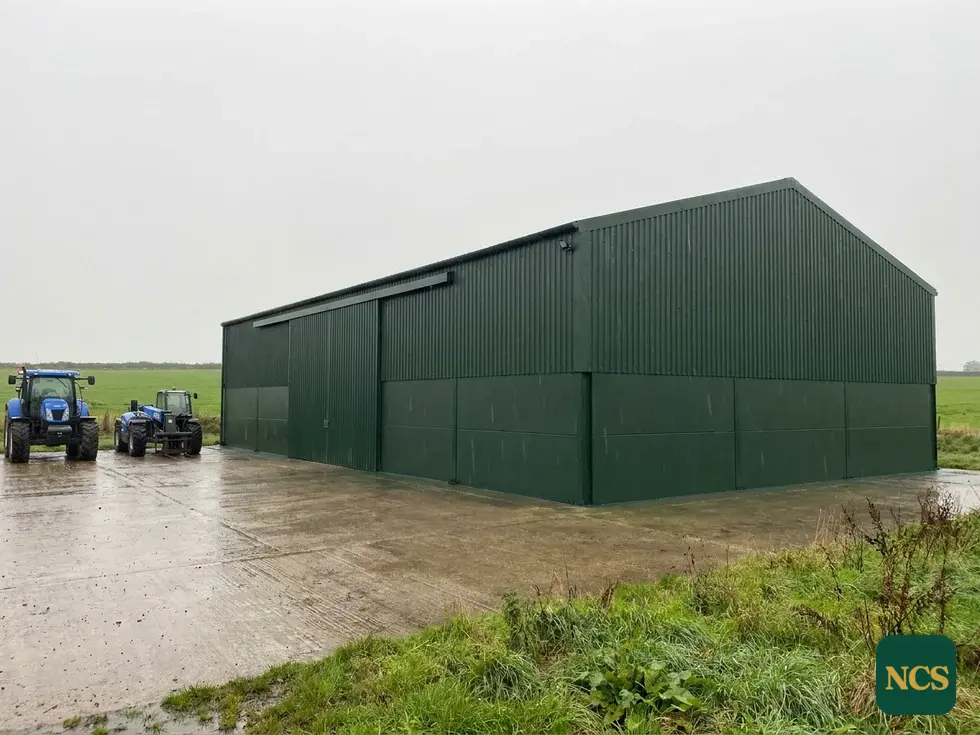
Our trade has a habit of recommending coating to everyone who asks, and we refuse to join in. A roof with a few damaged sheets needs repair, and we will say so even though it is the smaller job. A roof with widespread surface failure on sound sheets is the real case for coating, and there are plenty of those on the arable land around Colchester. A roof that is holed, soft underfoot or failing at the frame needs replacing, and a coating would only delay that bill while adding ours on top. You get the verdict, the photographs and the reasoning, and the decision remains yours.