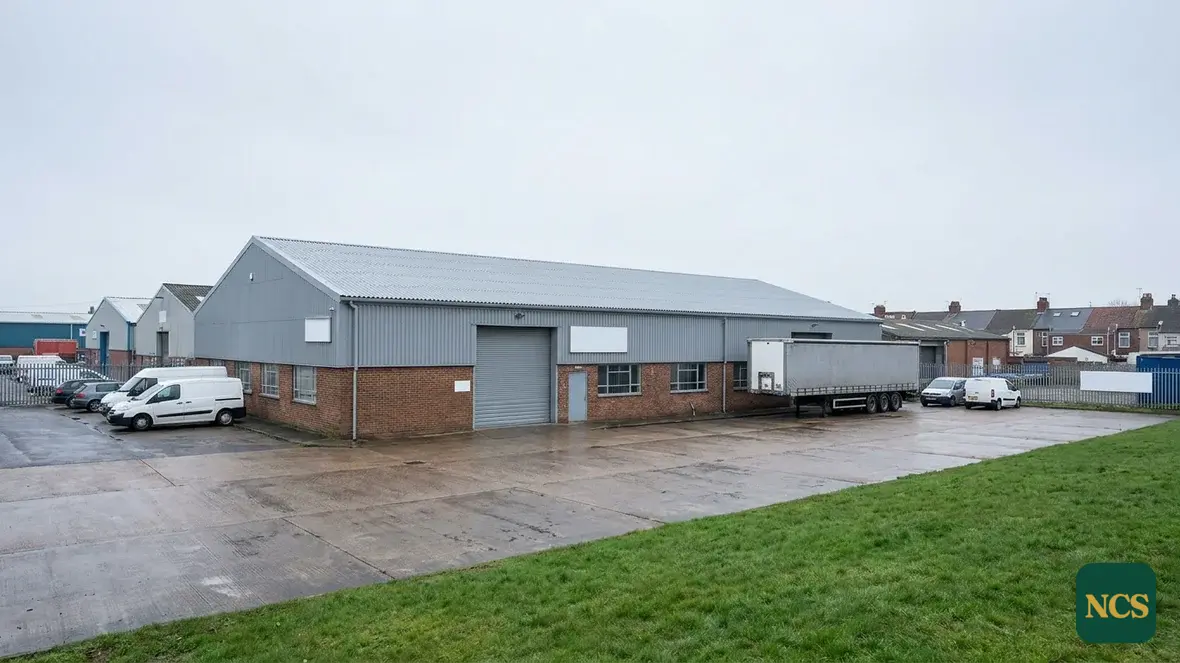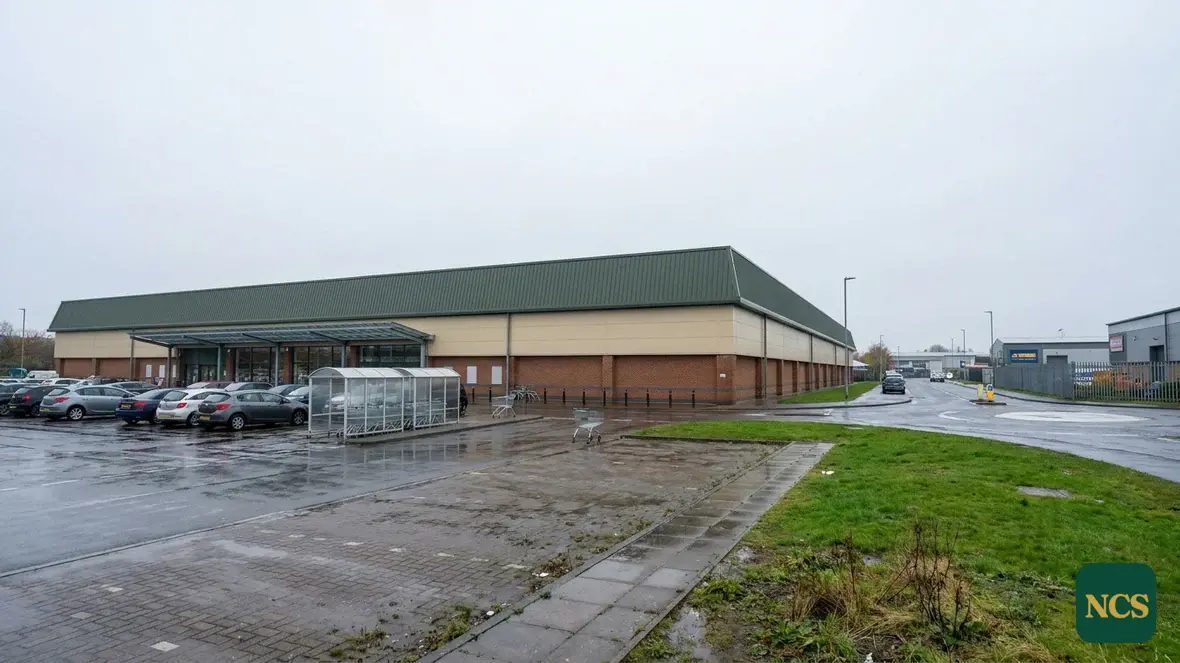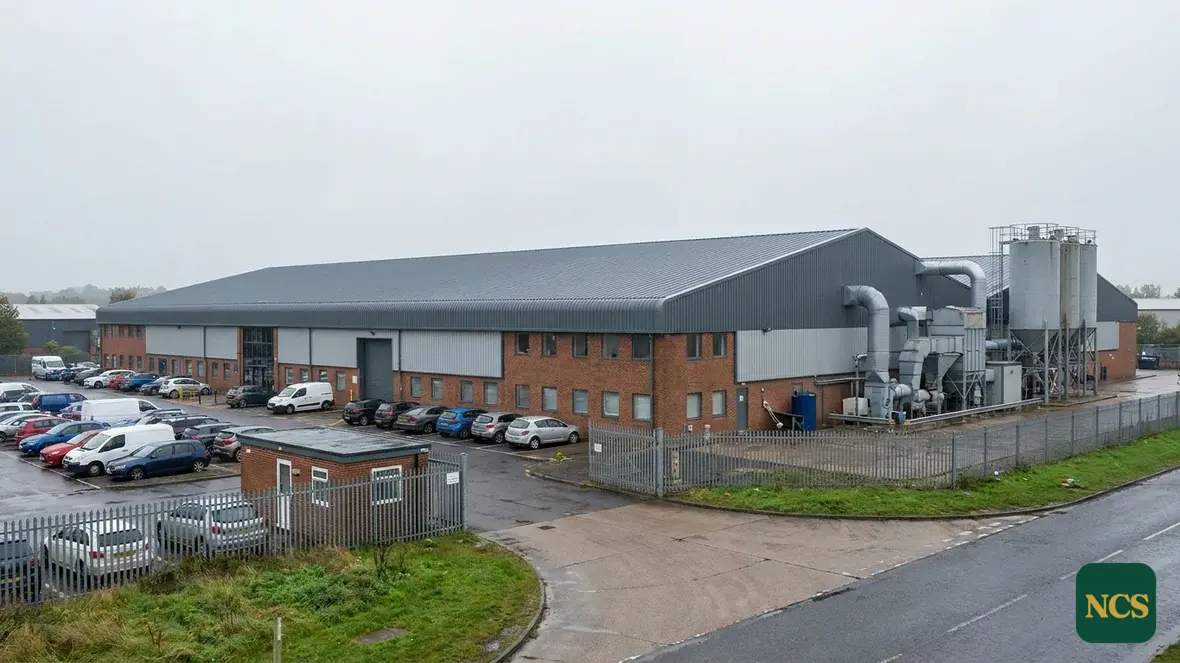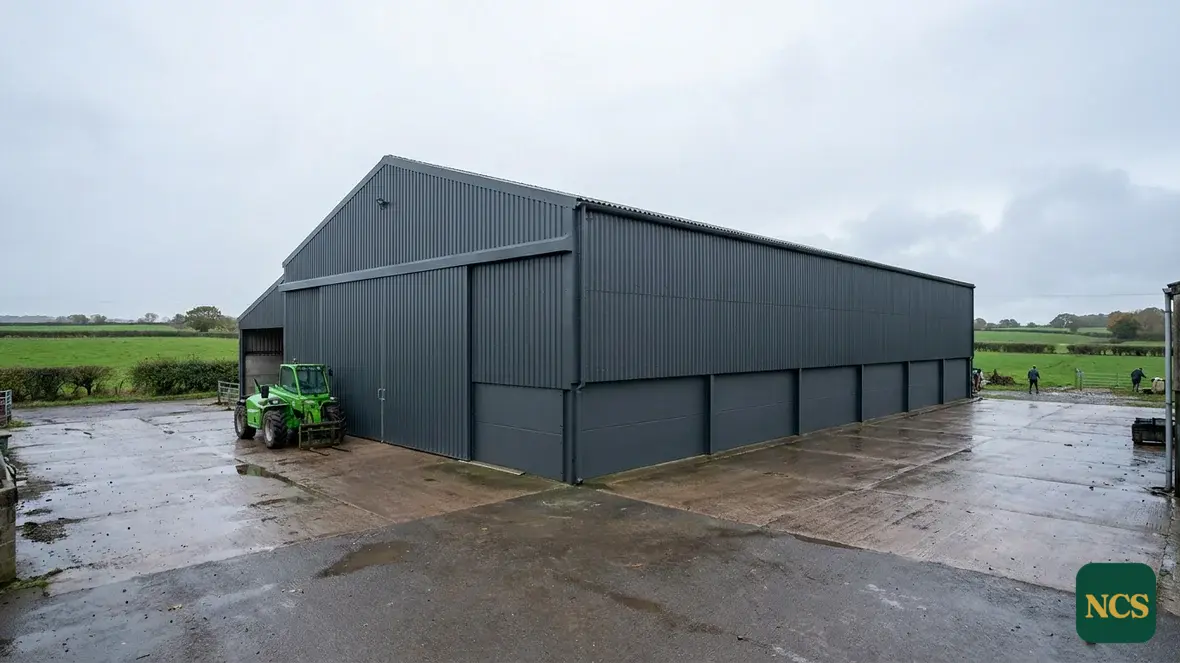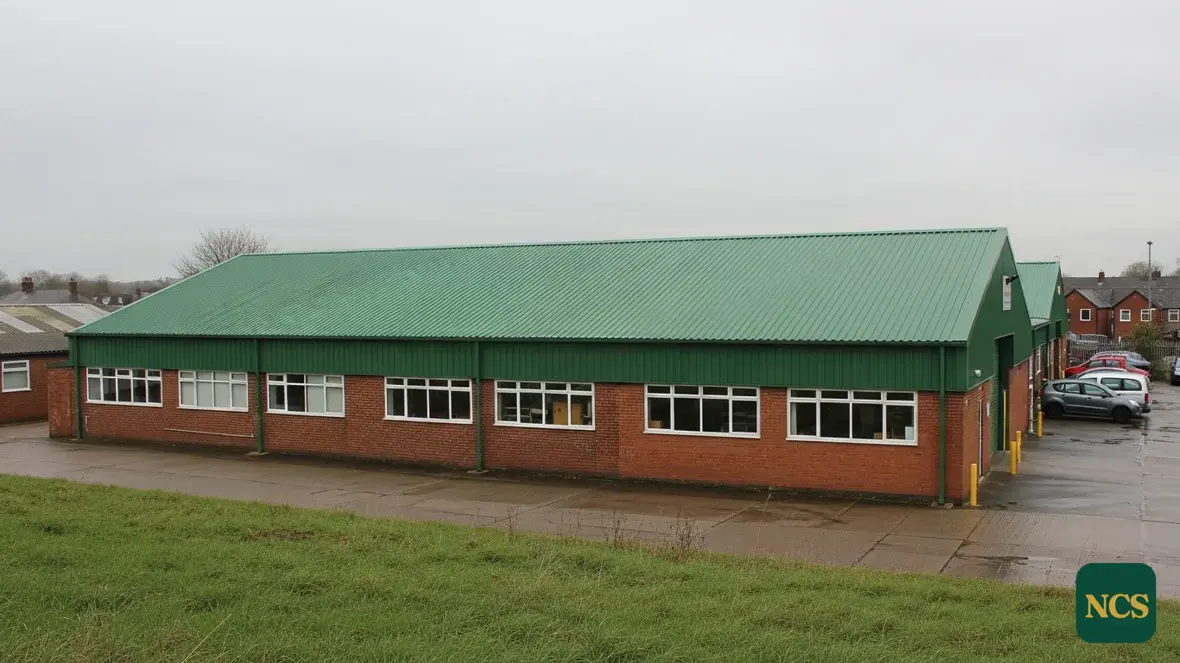
Southampton’s working estates are full of large-span roofs, and a good number of them are still corrugated asbestos cement. Around the docks, the older industrial parks and the warehouse and workshop units that serve the port, fibre-cement sheet was the default roof covering well into the 1980s. If you control one of these buildings, the question is rarely whether the roof needs attention. It is whether you strip it out or seal it in place. For sheets that are genuinely sound, encapsulation usually wins that argument on cost and disruption.
Removal or encapsulation: the decision you actually face
Stripping an asbestos cement roof means a licensed-grade controlled process, the building largely out of use, skips of hazardous waste leaving the site, and a new roof to pay for on top. Encapsulation keeps the existing roof, seals the surface and lets the building keep trading. The reason that choice is even available to you is the law itself.
Regulation 4 of the Control of Asbestos Regulations 2012 imposes a duty to manage asbestos on whoever controls a non-domestic building. You must identify it, assess its condition, record it, and manage the risk. Removal is one way to discharge that duty. Keeping sound material in a safe, sealed condition is another, and for a weathered but intact roof it is usually the cheaper and far less disruptive one.
How the coating system works
The risk from asbestos cement comes from fibres released as the surface erodes over the years. Encapsulation locks that surface down. The roof is cleaned by controlled wet methods, never dry abrasion, damaged fixings and flashings are repaired, minor faults are made good, and the whole surface is sealed with a flexible coating formulated for asbestos cement. The finished roof is watertight, the fibres stay bound into the sheet, and the building never has to close for the work.
What makes a Southampton roof a candidate
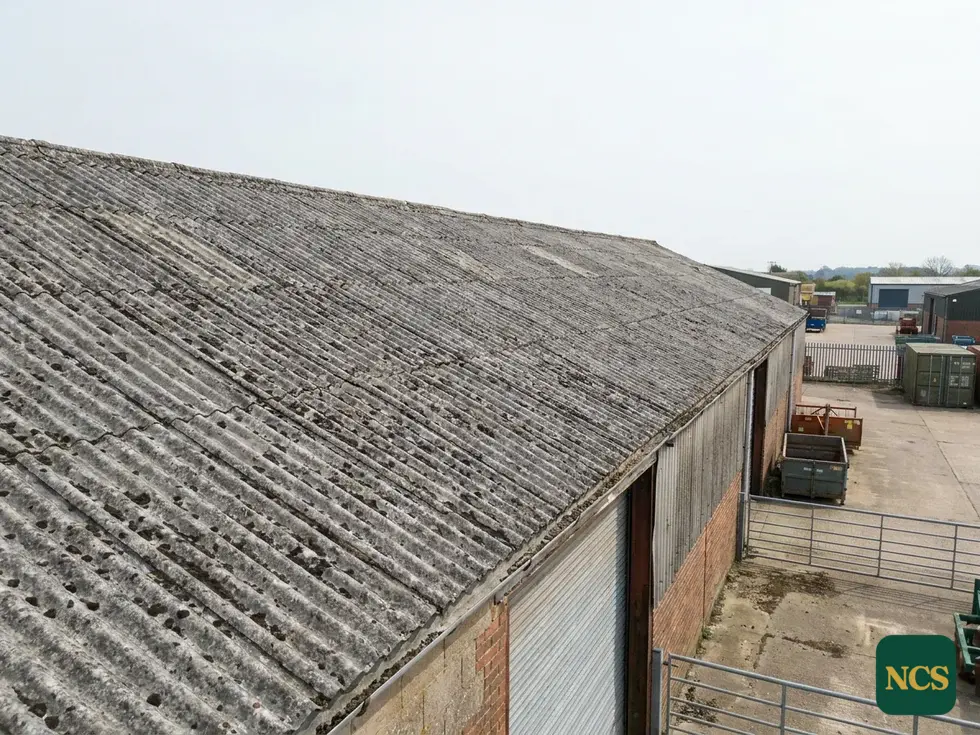
Coastal exposure and salt-laden air mean roofs in this part of Hampshire often weather faster, which is exactly why condition has to be checked rather than assumed. We survey before quoting, and we look for:
- Surface weathering rather than widespread cracks or holes
- A cement matrix that is still firm, not soft or flaking
- Fixings, sheet laps and flashings that are sound or repairable
- Rooflights and gutters that can be brought back into good order
- A supporting structure in safe condition
When encapsulation is the wrong answer
Sometimes the right advice is the one nobody wants to hear. A coating moves with the sheet it sits on, so if that sheet is already breaking up, no coating will save it, and spending on encapsulation simply delays an inevitable bill. Where our survey finds brittle or delaminating sheets, structural leaks that keep coming back, or a roof frame that is no longer fit to carry the load, we will recommend removal and replacement, in writing. We also draw a hard line on material type: higher-risk asbestos products such as insulation board or sprayed coatings are not encapsulation work and normally require an HSE-licensed removal contractor. Encapsulation is for sound asbestos cement only.
A survey-led answer for Southampton building owners
Before anyone discusses figures, we inspect the roof properly: sheet condition, fixings, rooflights, gutters, any internal signs of leaks, and the state of the structure holding it up. You receive written findings and a straight recommendation, whether that is encapsulation, repair first, or removal by the right contractor. And it is worth remembering that sealing the roof does not end your duty to manage. The asbestos stays on your register and should be re-inspected periodically. What you change is its condition, turning a slowly failing roof into a sealed, maintained one that you are properly in control of.