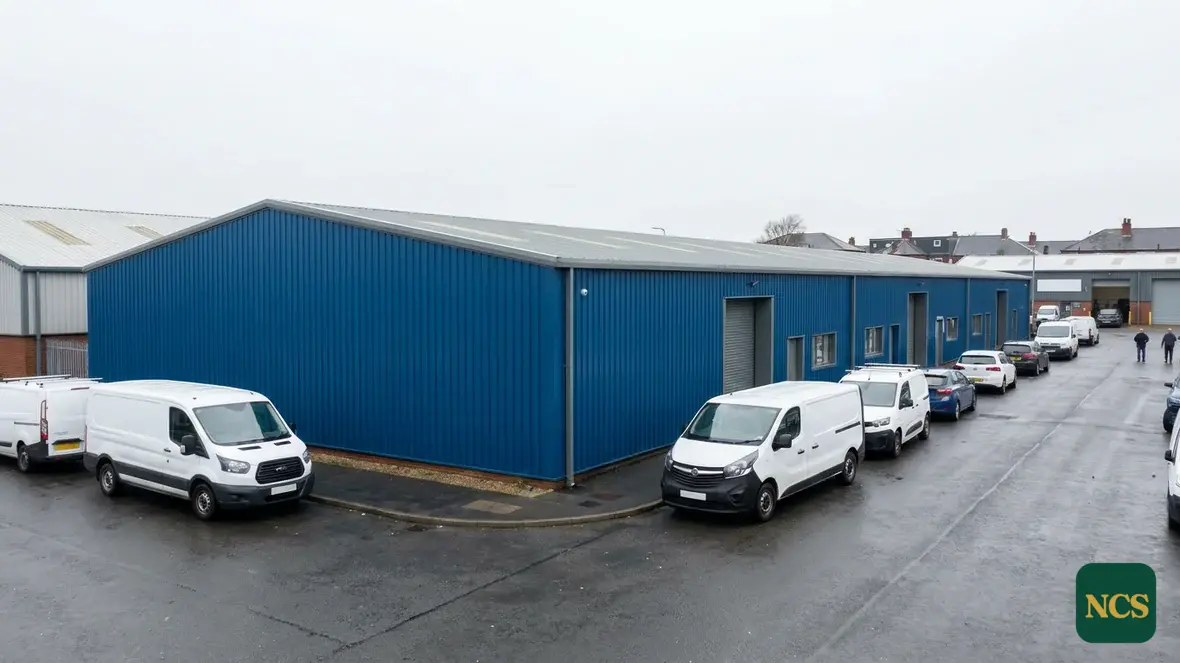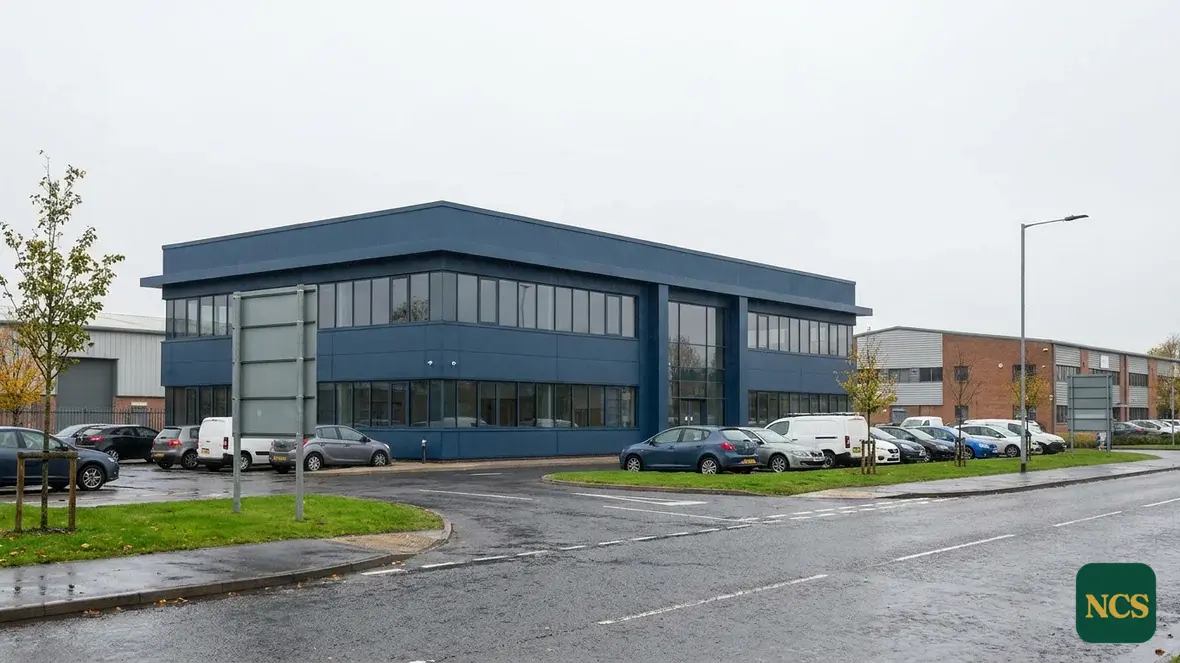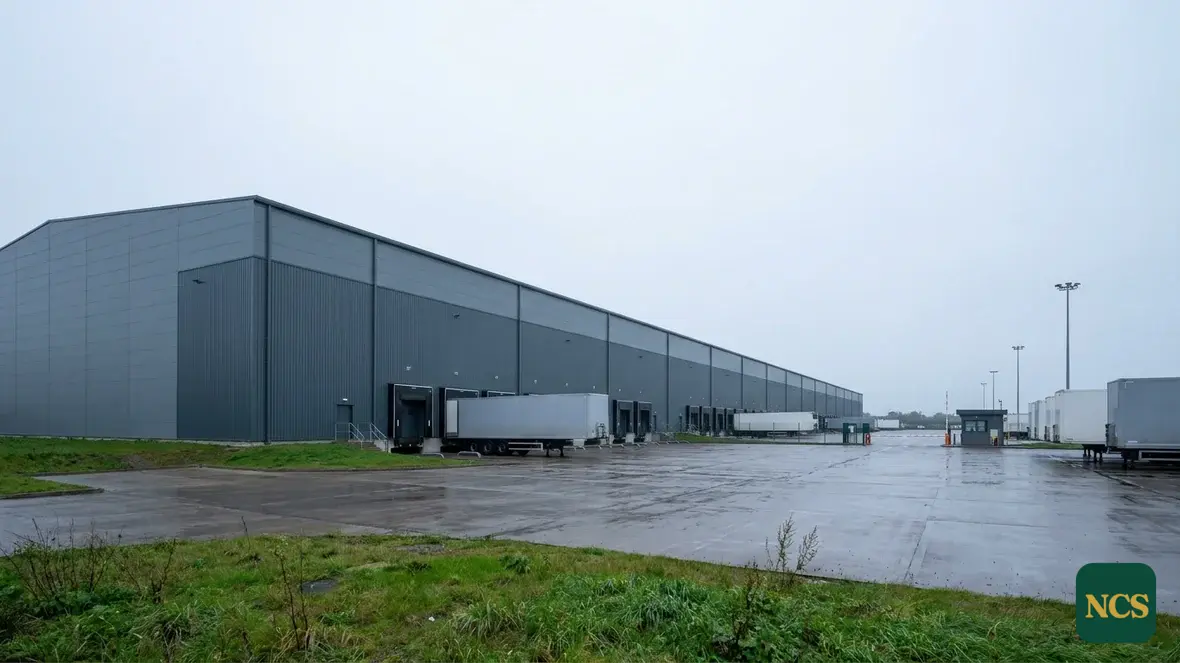
Cladding spraying in Southampton
Southampton’s a proper working port city, and we see plenty of commercial buildings here that work every bit as hard as the docks. Cladding spraying can give tired or faded metal panels a factory-quality finish, in any colour, without you having to rip them all off and replace them. We always survey first: that way, we price the job properly, because the right system depends entirely on what the panels can still take.
For warehouse operators, landlords and facilities managers across Hampshire, that usually means a building that looks new again for a fraction of what recladding would cost, and we can do it while the place stays open for business.
On-site cladding respraying keeps a Southampton building working while the elevation is brought back, panel by panel.
The surfaces we respray
On-site spraying works for most factory-finished metal exteriors, and a fair bit besides. Around Southampton, we typically see it on:
- Profiled steel wall cladding on warehouses and industrial units
- Composite and insulated panel systems
- Curtain walling, window frames and shopfront framing
- Roller shutter doors and personnel doors
- Fascias, soffits and flashings in coated metal
Each substrate needs a different prep routine and coating build-up. That’s one of the main reasons we won’t quote from a photo. What works on plastisol-coated steel isn’t what works on powder-coated aluminium, and the survey tells us which one we’re looking at.
What port-city weathering does to panels
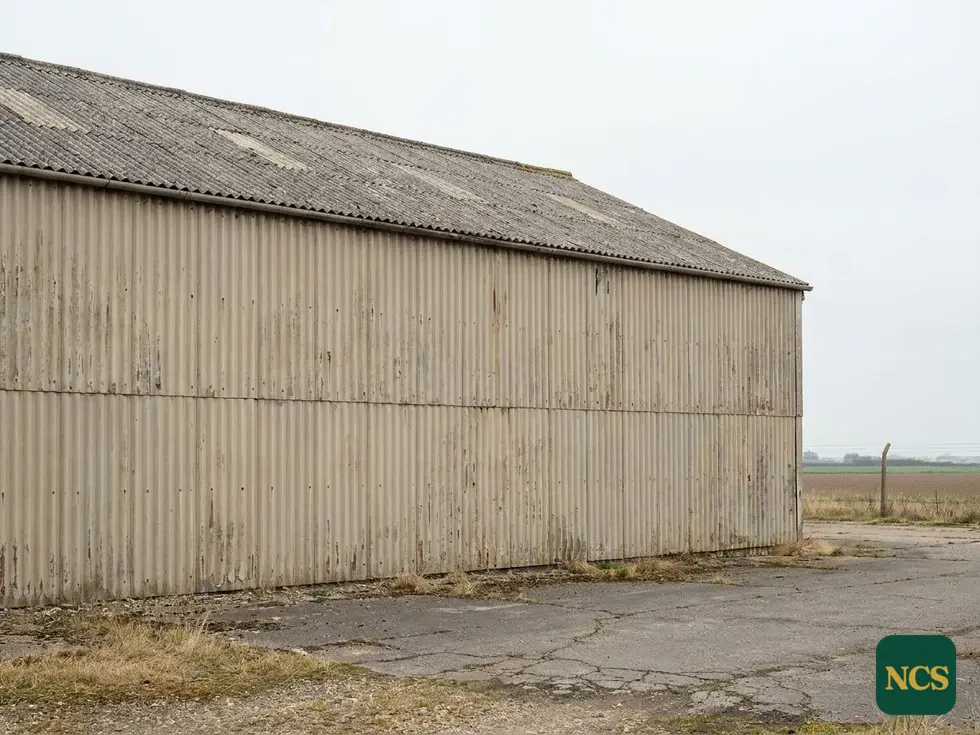
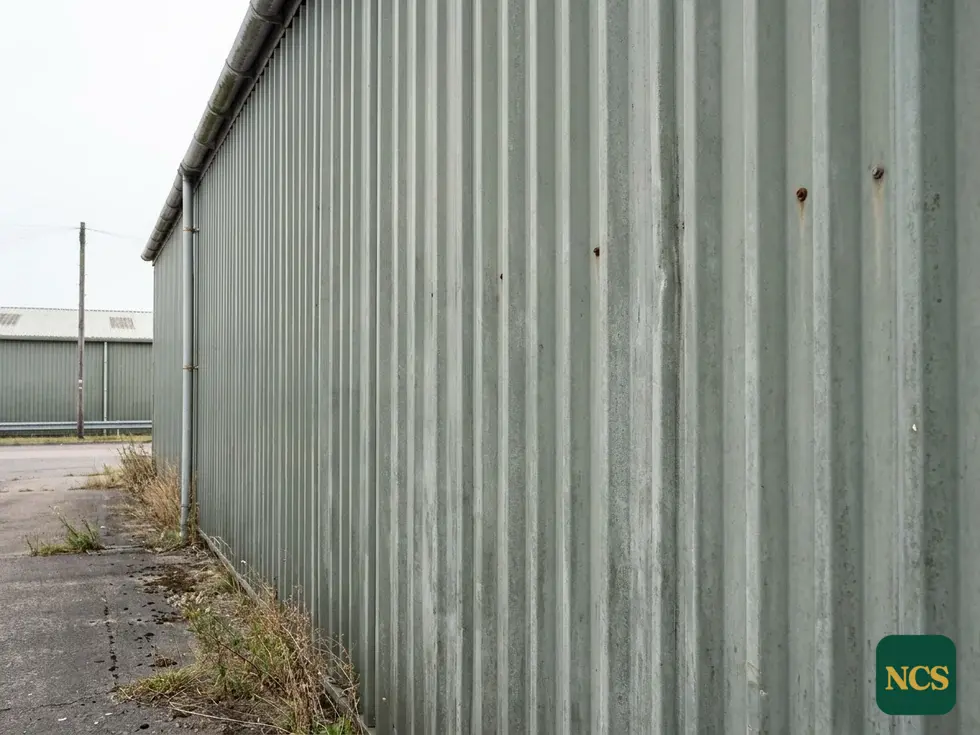
Buildings near the docks, along the waterfront estates, and on the trading parks beside the motorway all have to deal with a salty climate. We usually see a chalked, faded finish that sheds pigment if you rub it, rust creeping along cut edges and laps, and staining below fixings. None of that means the cladding is finished, it just means the original coating is.
If we treat it at this stage, we’ll prep and seal the edges, clean the surface back to a sound base, and a new coating system restores the protection the panels had on day one. Leave it for another few winters, and those same defects will start costing you panels, not just paint.
A survey first, then a price
Our surveyor will inspect the panels, check how well the old coating is sticking, map any corrosion, and look over your fixings, gutters and sealant lines while they’re there. You’ll get a written scope explaining what needs repairing, what needs preparing, and which coating system we recommend. We’ll tell you why, too. We run surveys across Southampton and the surrounding area, including Eastleigh, Winchester, Portsmouth and Fareham.
Because we price after the inspection, the quote reflects the building exactly as it stands. No padding to cover unknowns, no awkward conversations halfway through the job because an assumption was wrong.
We’ll sort out access and sequencing at the same visit. Most elevations need powered access platforms or towers. On busy sites, we phase the work so that loading bays, yard circulation, and customer entrances all stay open. If your operation runs around vehicle movements, as plenty do in this part of Hampshire, we’ll write our programme around yours, not the other way round.
When we will tell you not to coat
Spraying is refurbishment, not resurrection. If you’ve got perforated sheets, delaminating composite panels, wet insulation cores, or widespread fixing failure, that’s all beyond what any coating can fix. A survey that finds them should say so plainly. Ours does. Where defects are localised, the honest answer is often a handful of replacement panels followed by a full respray. We’ll lay out that route rather than coat over a problem and just hope for the best.
That honesty is the whole point of surveying first. If we do recommend spraying your building, it’s because we’ve got inspected evidence, not just optimism. If your Southampton premises need a refreshed finish, a colour change, or simply a straight answer on whether the cladding is worth coating, the survey is where you start.