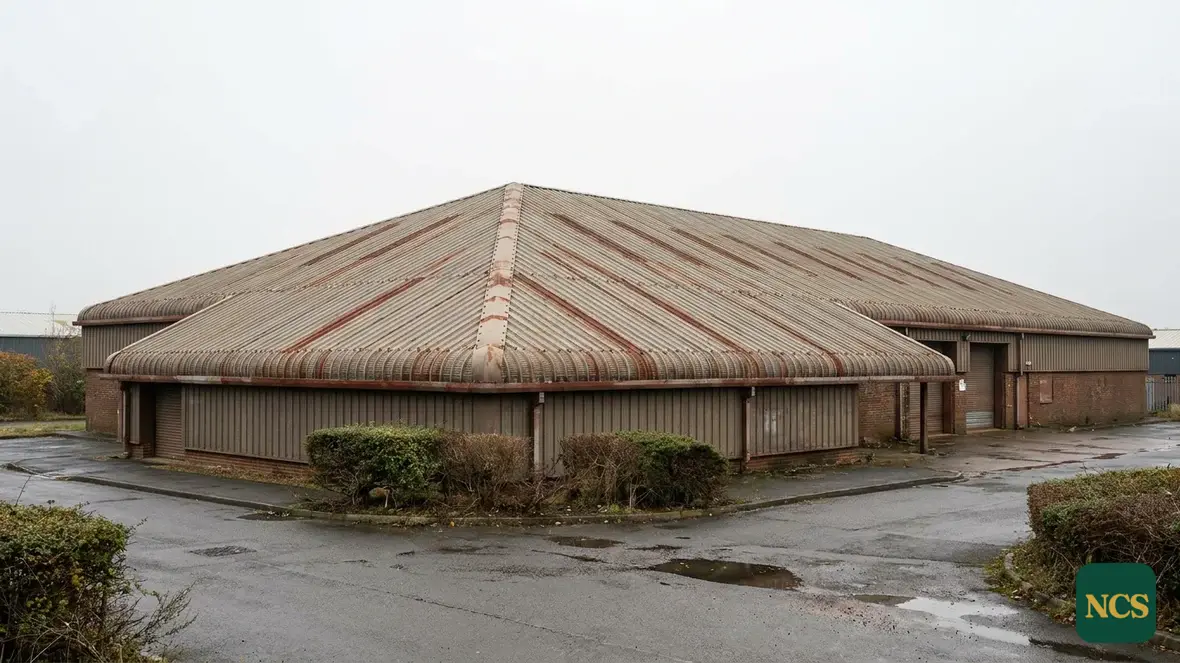
Salt air and steel roofs across Brighton and Hove
Coastal towns are hard on metal roofs, and Brighton and Hove is as coastal as they come. Salt-laden air carried off the Channel settles on roof surfaces and keeps working on any exposed steel it finds. On profiled coated-steel roofs, the steel it finds first is the cut edge, the bare line left wherever a sheet was trimmed to length at the factory and the protective finish stopped at the cut.
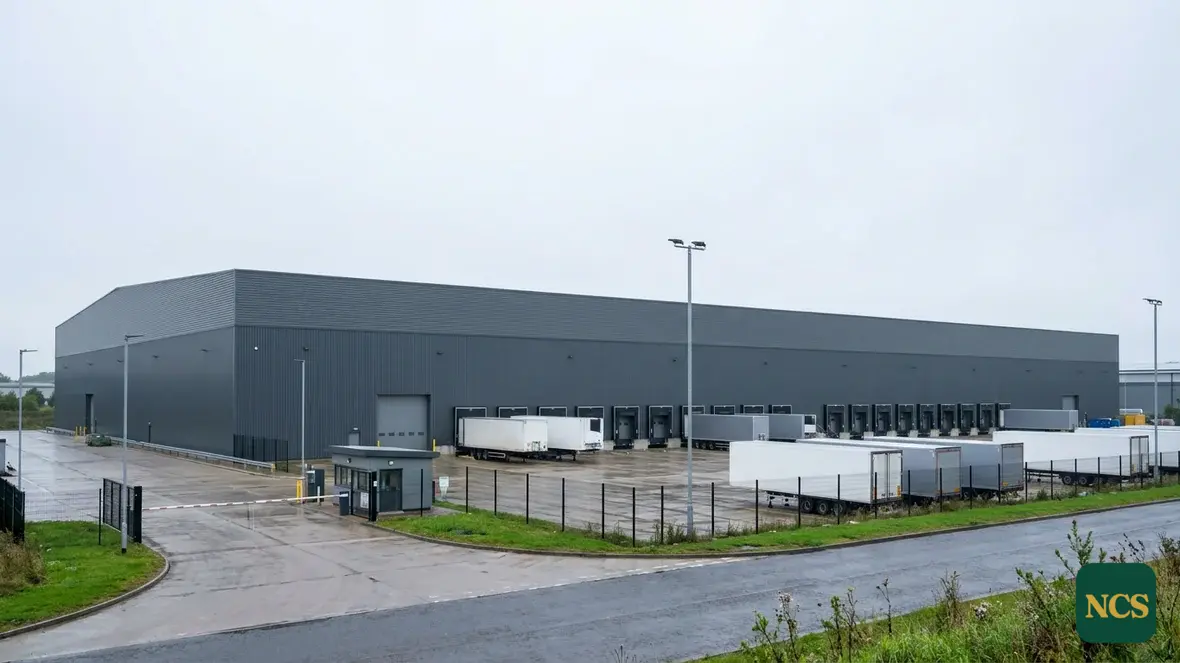
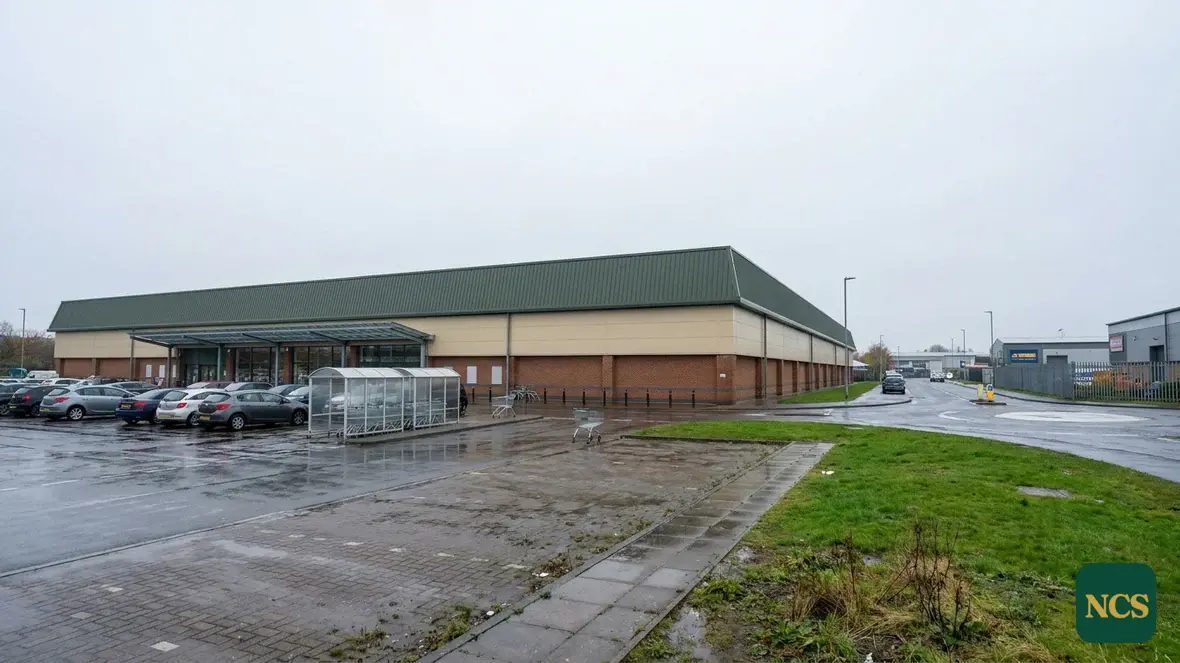
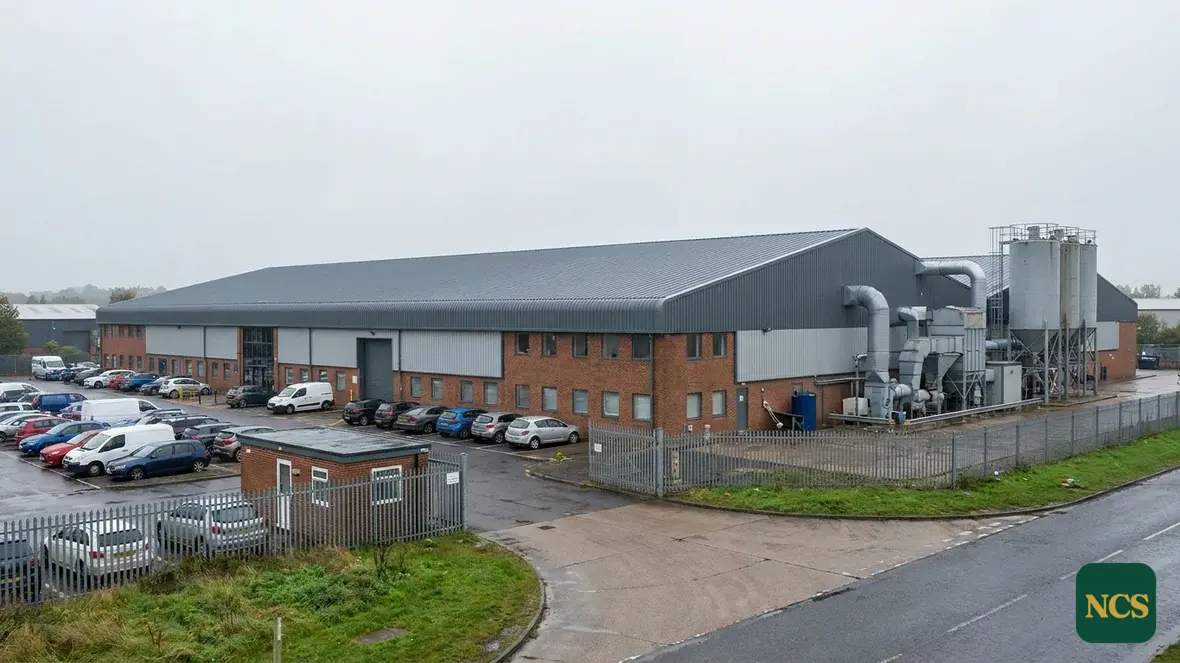
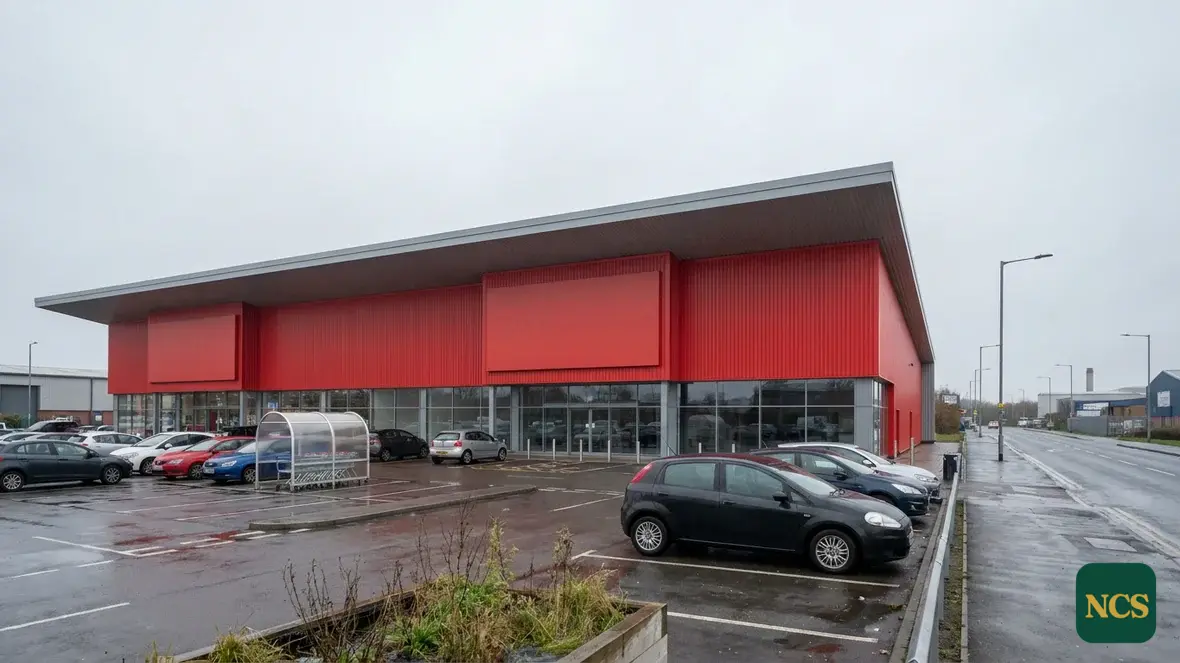
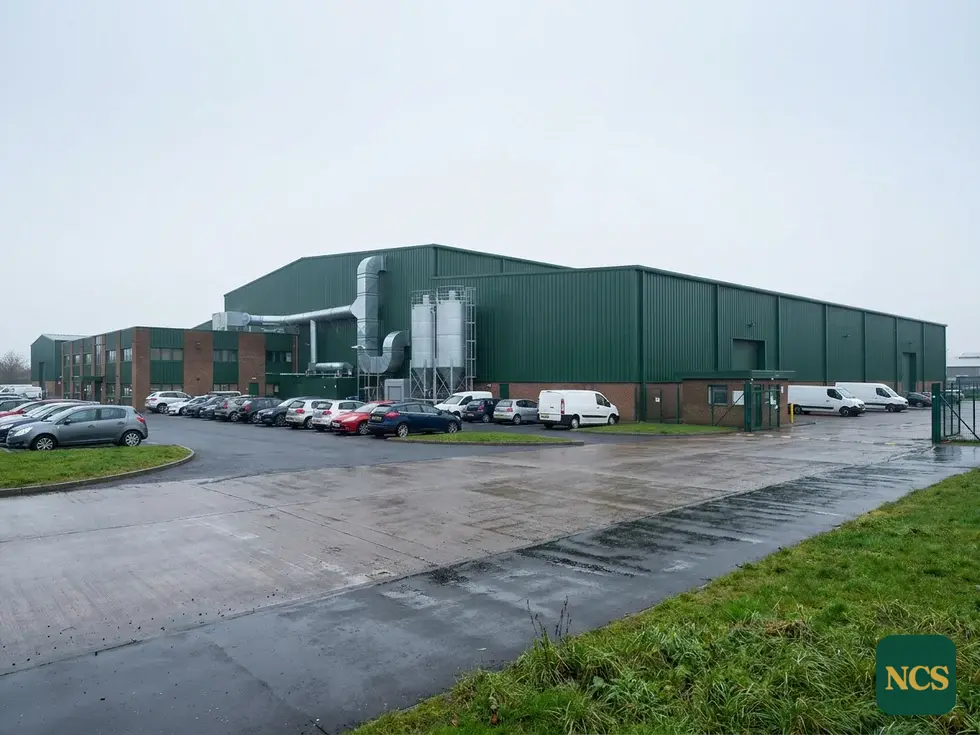
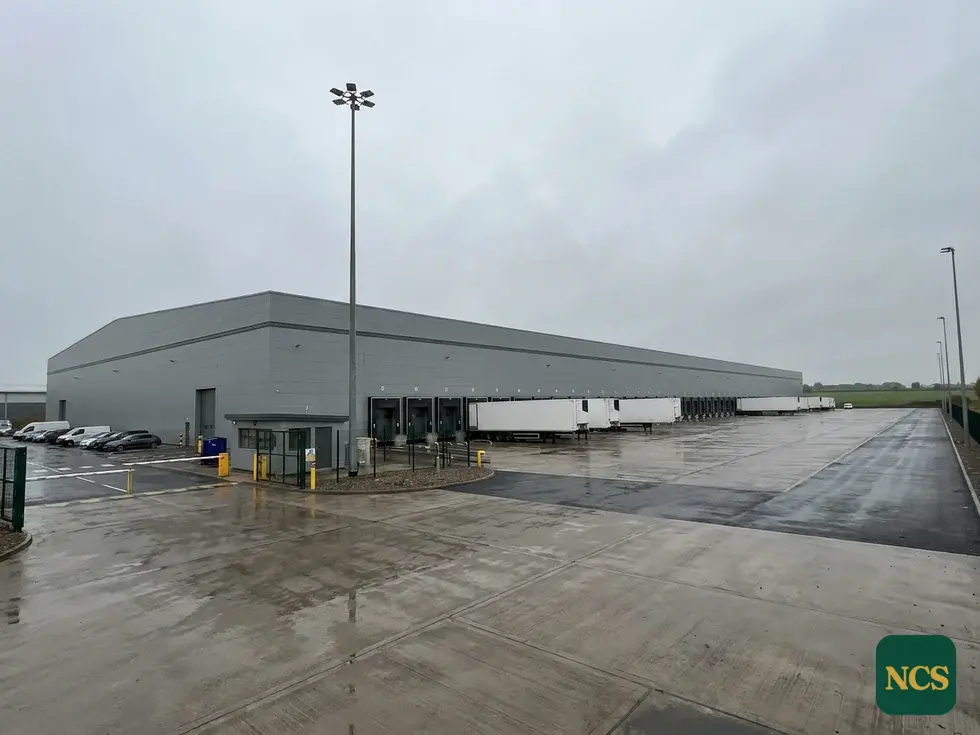
The vulnerable stock is not on the seafront. It is inland, on the trading estates and light industrial units across Hove and the business parks spread along the A27, where workshops, depots and storage buildings carry the kind of coated-steel roofing that salt air degrades from the edges in.
Why coastal cut edges corrode faster
Corrosion starts on the exposed cut, then creeps beneath the adjacent coating and breaks its bond with the steel. The finish lifts, peels back and exposes fresh metal, which rusts in turn. Salt accelerates every stage of that cycle, because chloride deposits draw and hold moisture against the steel and keep the edges damp between showers, not just during them.
End laps suffer most. Water drawn into the overlap is held between the sheets, and on a salt-air site that trapped moisture is corrosive in its own right, eating the joint from the inside where no inspection from the ground will ever see it. By the time rust streaks the gutters, the hidden damage is well advanced.
Treat early on the coast: the cost case
The argument for early action is stronger by the sea, because the clock runs faster. While the steel is still sound, treatment is an in-situ repair: corroded edges prepared back to bright metal, primed with a rust-inhibiting system, and sealed under a flexible coating bridged across laps and edges. The building stays in use and the existing roof keeps most of its life.
Leave it, and salt does the rest. Perforated ends, leaks over stock, and a roof that fails years sooner than an inland equivalent, ending in strip-and-resheet at many times the price. Coastal roofs reward planned maintenance more than almost any other, simply because neglect costs them more.
The honest threshold: when the steel has gone
Our surveys are honest even when the news is poor, and on the coast the news is sometimes poor. If we find sheet ends rusted through, laps with no sound metal left to seal to, or corrosion established across the sheet body, a coating would fail early and we will not sell you one. We put the photographic evidence in front of you so the decision rests on facts.
Plenty of roofs across Brighton and Hove land in between, with a few sheets past saving and the rest treatable. Replacing the failures and treating the remainder is often the most economical route, and we price both options openly rather than steering you toward the bigger job.
Why coastal roofs are worth coating in full
By the sea, the whole factory finish ages quickly, not just the edges. Once the cut edges are treated, overcoating the entire roof puts every sheet under a single continuous system, which matters more in a salt environment where any unprotected steel is a fresh starting point for corrosion. It also consolidates access, preparation and coating into one programme rather than repeated visits.
We are a survey-led contractor based in the South East, working across England, with the Sussex coast well inside our normal coverage. If your sheet ends are staining, the first step is a roof survey with photographs and a graded assessment of every edge and lap, and it commits you to nothing.