Why Canterbury’s working buildings rust at the edges first
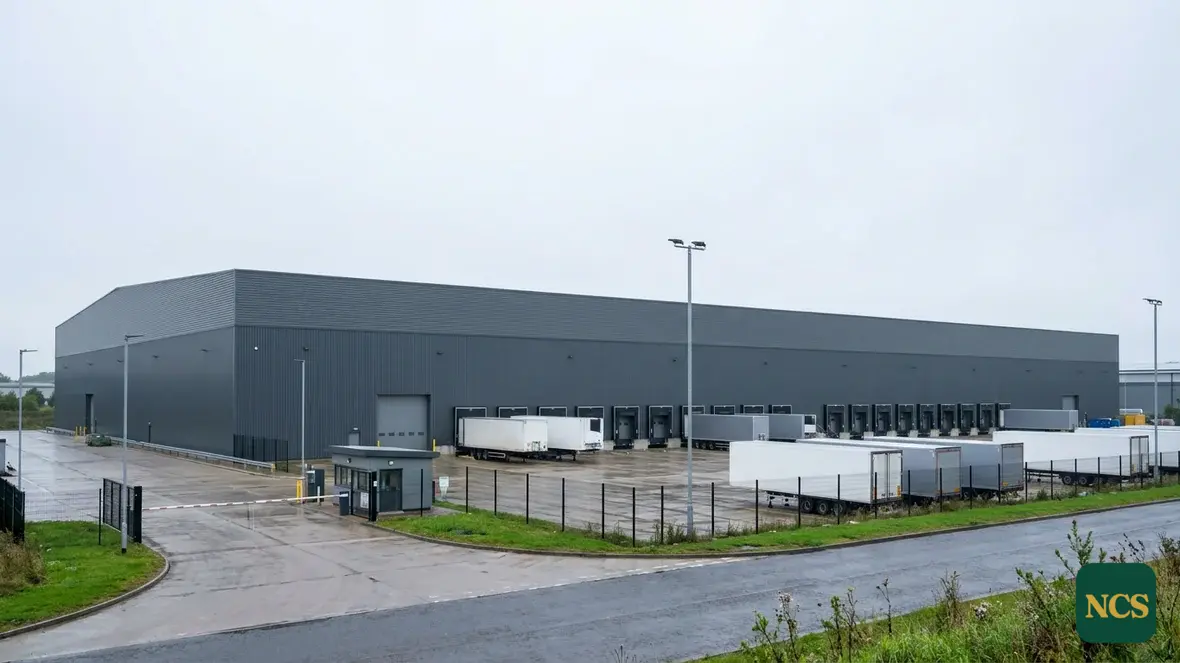
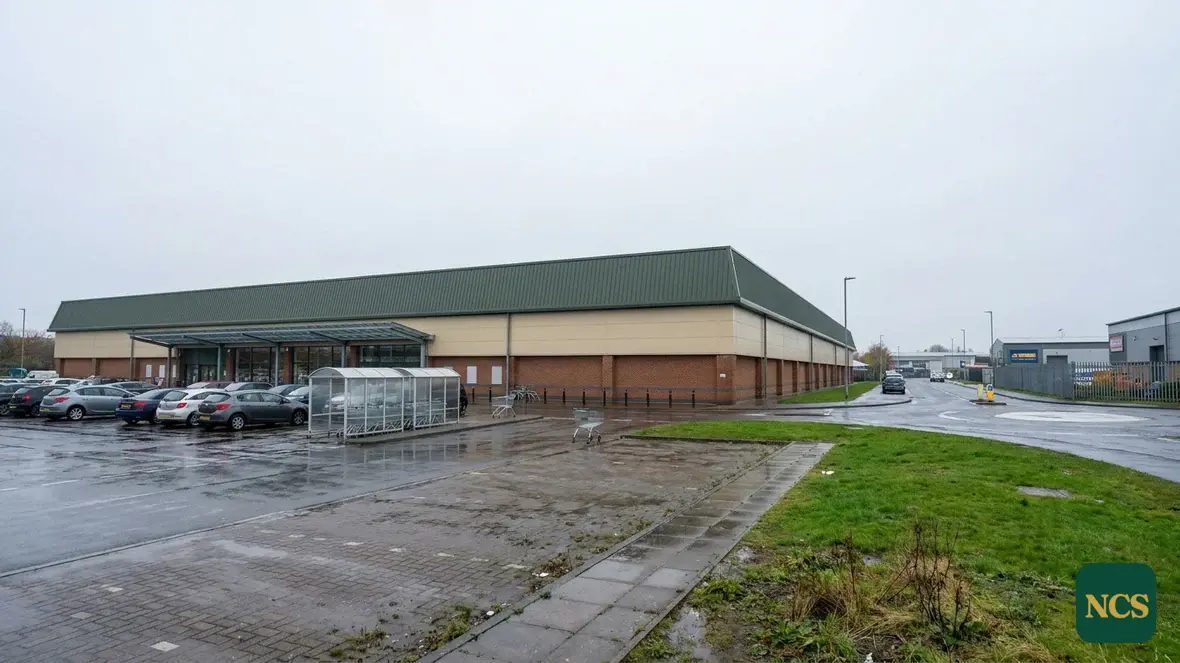
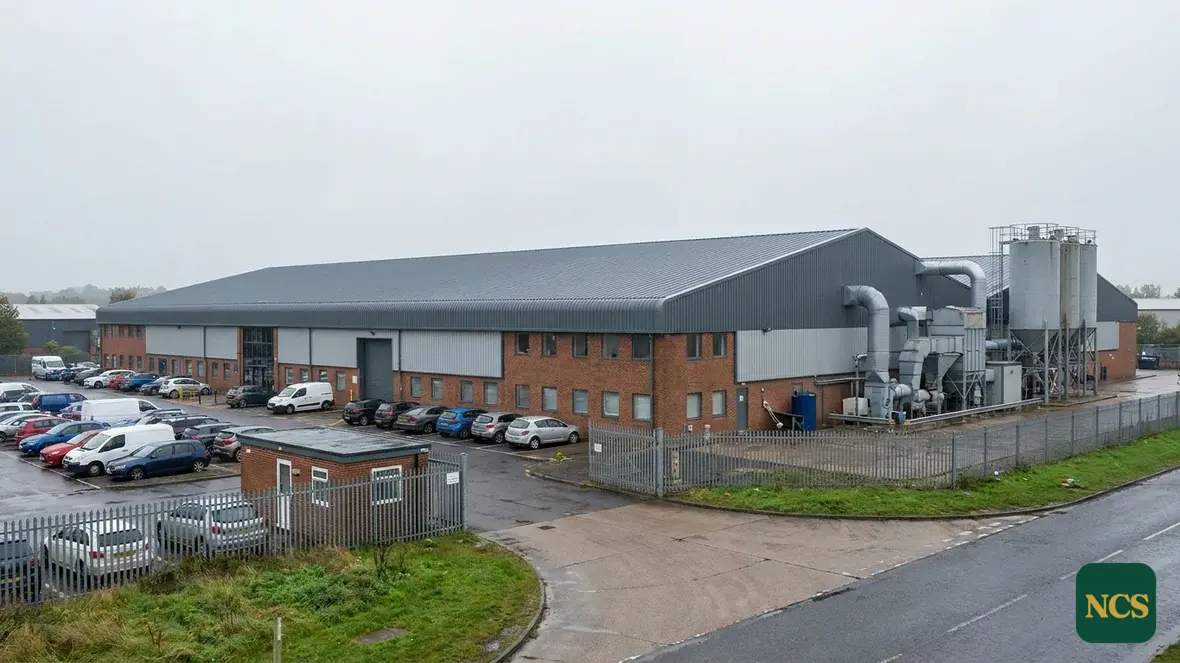
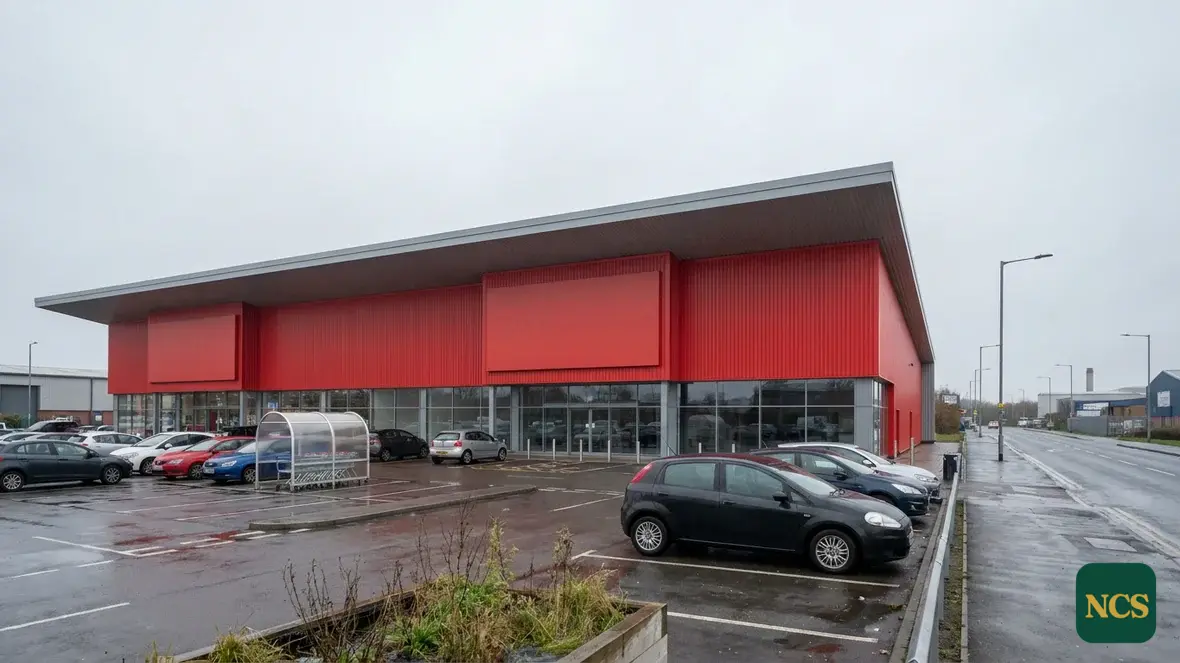
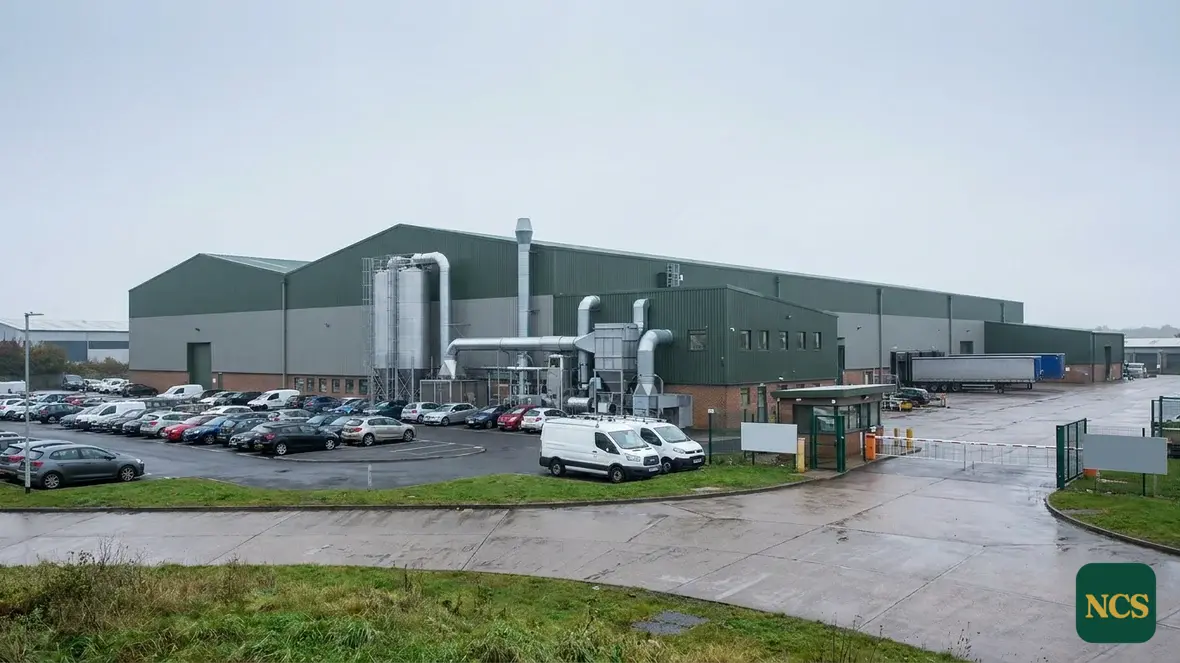
Kent is our home county, and the stock around Canterbury is stock we know in detail. Step away from the cathedral and the medieval streets and you reach the buildings that pay the bills: agricultural stores and packhouses out on the farmland, light industrial units, and the depots on the estates beside the ring road. Plenty of those roofs are profiled coated steel, decades into service, which is exactly the age at which the cut edge gives up.
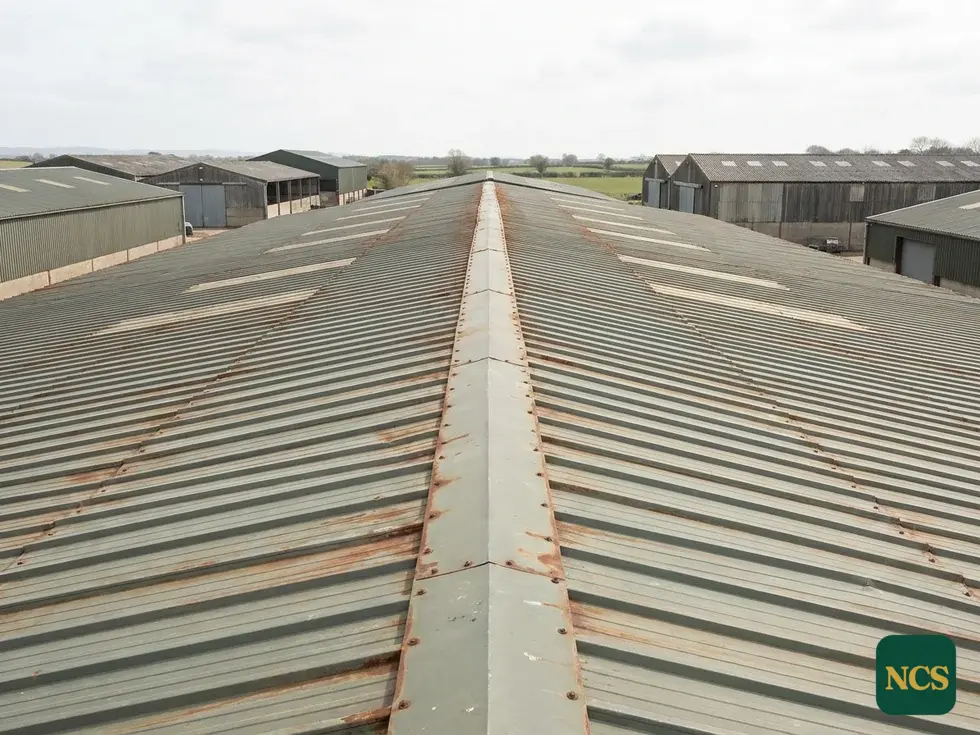
The reason is simple geometry. Wherever a sheet was trimmed to size, the coating stopped at the cut and left bare steel along the ends, overlaps and gutter line. East Kent catches steady weather off the Channel and the Thames Estuary, and those exposed bands at the eaves and laps are precisely where wind-driven rain sits longest.
How the rot travels beyond the cut
Corrosion never stays politely on the cut line. It works under the neighbouring coating and prises it off the steel, so the protected area shrinks year on year. Overlaps behave worst of all: they pull water in between the two sheets and hold it, which is why a lap can be rotting from within while the surface above still looks presentable.
Farm buildings raise the stakes again. Grain stores, livestock housing and packhouses produce condensation, and in some cases an aggressive internal atmosphere, so the edges get attacked from both faces of the sheet at once. On agricultural premises that doubles the case for getting a survey done early rather than late.
Treat-early economics, in plain numbers
Reach a cut edge while the steel behind it is still sound and the fix is modest: the edge is cleaned back to bright metal, sealed with a rust-inhibiting primer, and finished with a flexible coating run over the laps and into the gutters. Sheets stay in place, the building keeps trading, and the existing roof keeps most of its remaining service life.
Postpone it and the same fault matures into perforated ends, water dropping onto crops, stock or machinery, and ultimately a full strip and resheet with all the cost and shutdown that drags in. Treatment is a fraction of that, and a planned visit slots far more easily around harvest or a production schedule than an emergency callout in the depths of winter.
The point where we recommend replacement instead
We will not treat a roof that cannot be saved, and we say as much before any coating is proposed. Ends rusted clean through, overlaps with no solid steel left to seal against, fastenings corroded past re-sealing, or rust that has spread across the sheet face all put a roof beyond sensible treatment. Coating failed steel buys almost nothing and burns your budget.
Where that is the verdict we set out replacement, whether of the worst sheets or the entire covering, and hand over the photographs that justify it. Many roofs land in the middle ground: a few sheets gone, the rest fully treatable. Telling those apart is exactly what the survey is for.
The logical next step: coating the whole roof
Edge treatment guards the most exposed lines, but the factory finish over the rest of each sheet is ageing in parallel. Overcoating the entire roof in the same programme brings the whole surface under one continuous system and resets its condition in a single visit, instead of dragging you back to chase the next failure a few years on.
From our South East base, east Kent sits squarely in our core patch, and we cover the rest of England besides. The sensible first move is a survey with photographs and a graded report, and it ties you to nothing.