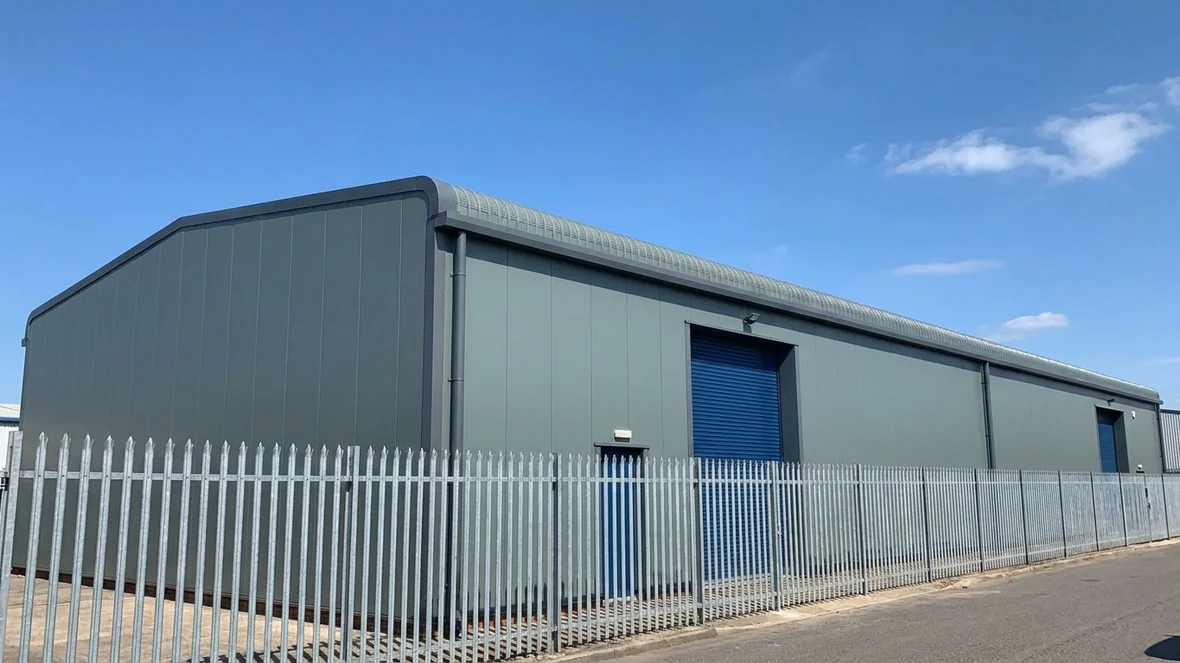
Where corrosion starts on Chester’s commercial roofs
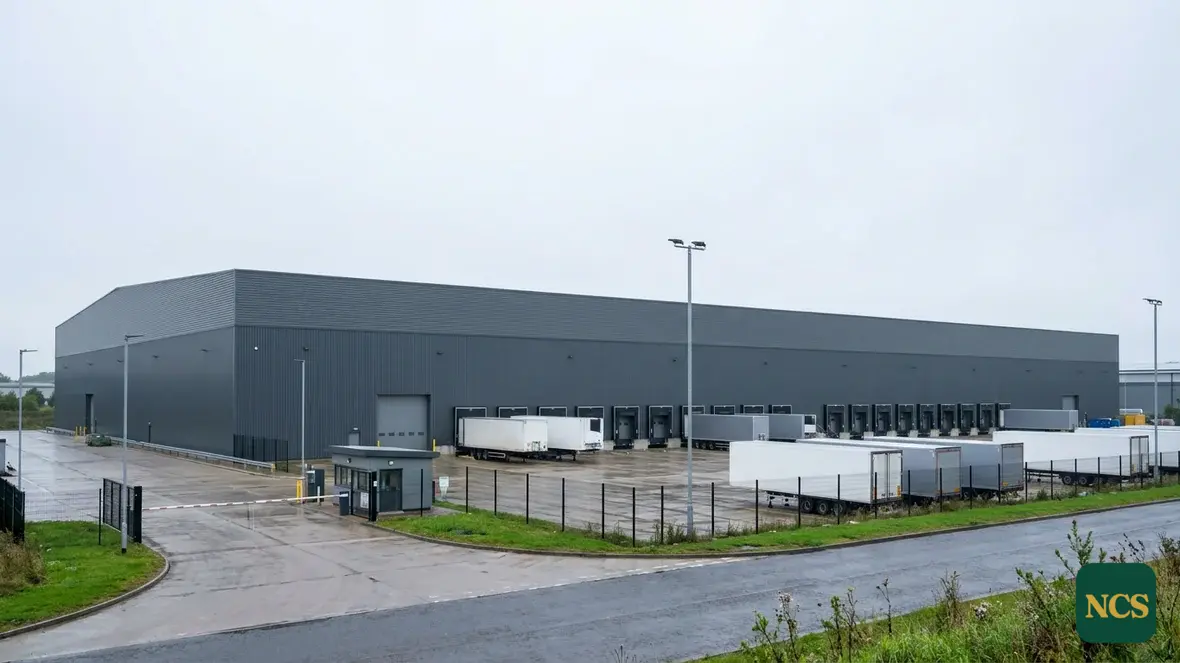
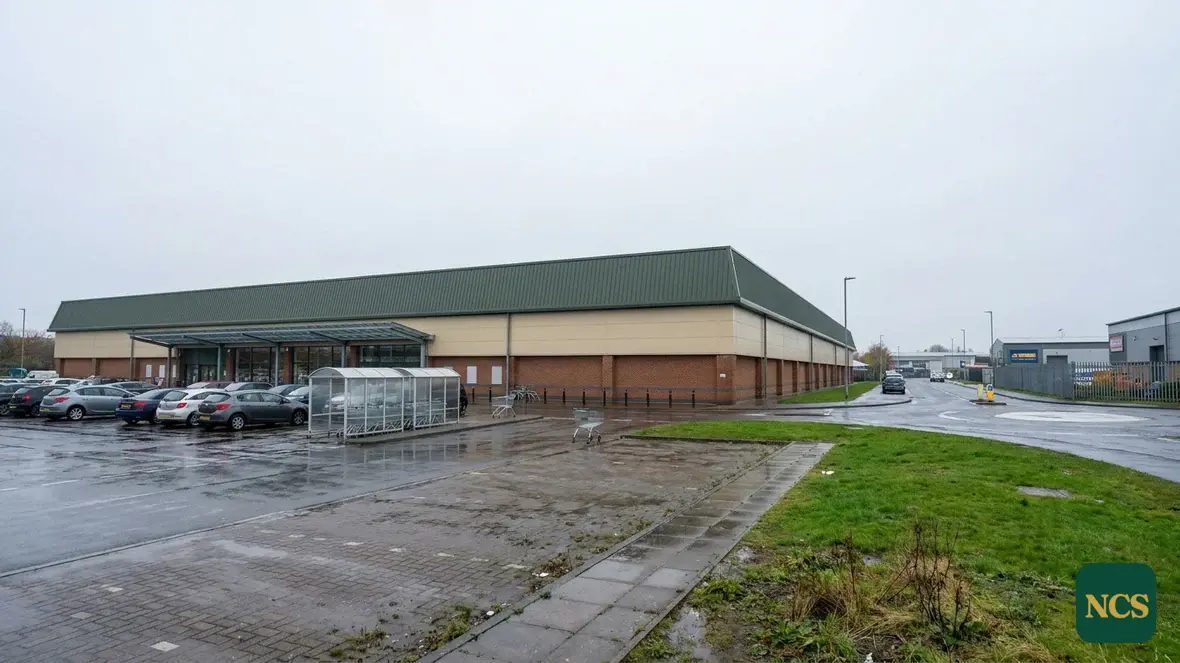
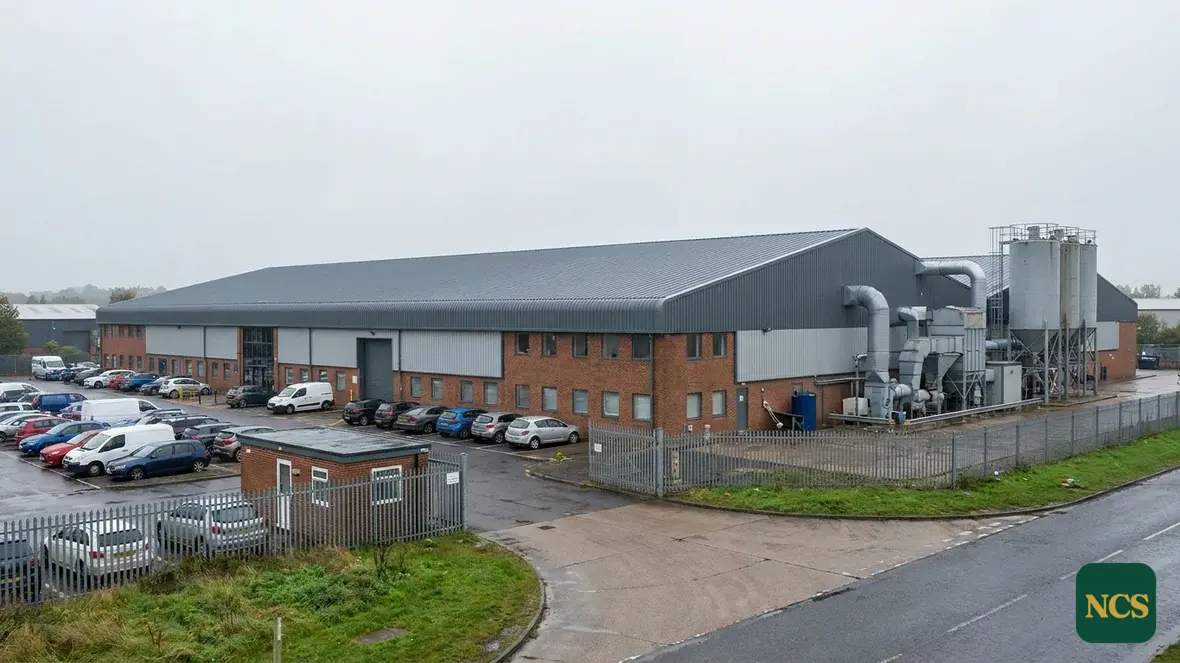
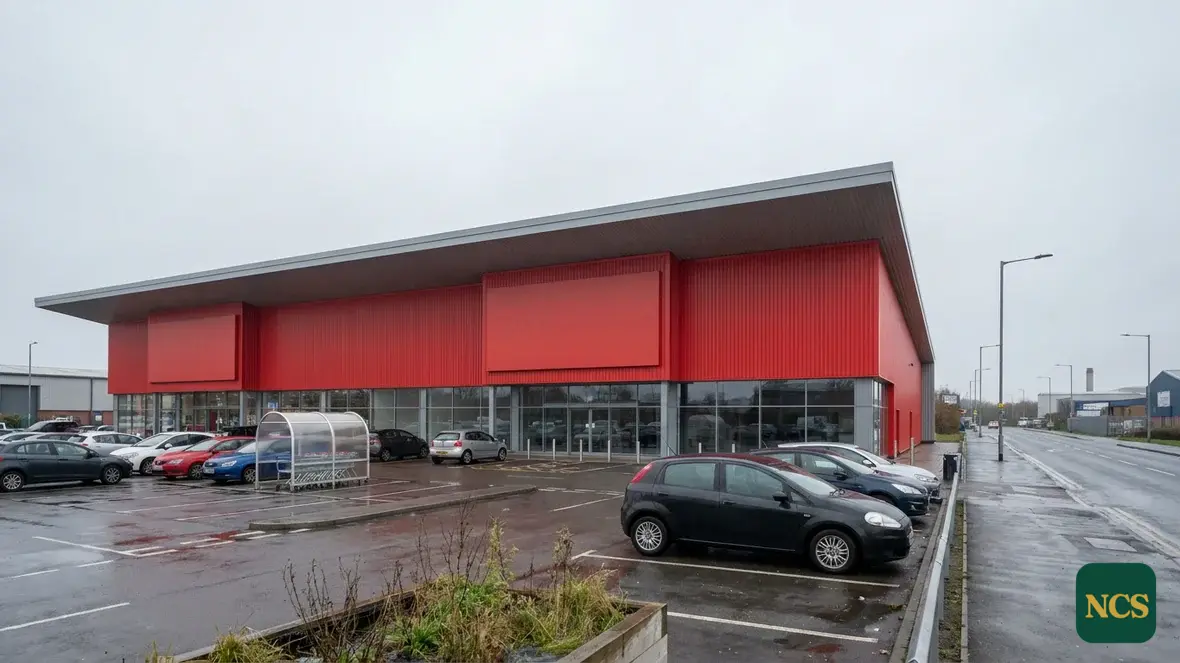
The Roman walls and Tudor frontages are for the visitors. The buildings that keep Chester working are out on the business parks and industrial estates around the city and along the Deeside corridor, and a large share of them wear profiled coated-steel roofs. On that kind of roof, one detail almost always fails ahead of everything else: the cut edge, the strip of unprotected metal left behind wherever a sheet was trimmed to length and the factory finish ran out at the cut.
Sitting close to the Dee estuary gives the local weather a marine character, drawing damp, faintly salty air inland. It settles across roof surfaces and goes to work on whatever bare steel it can reach, and the first steel it reaches is always that exposed edge.
From a stained eave to a failing slope
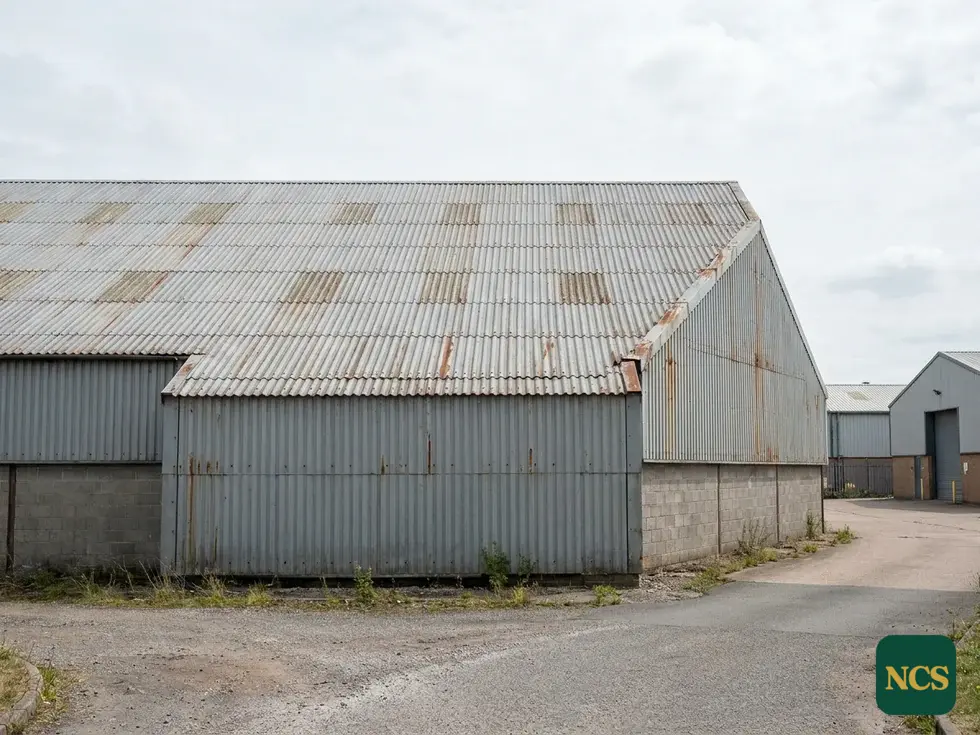
Rust at the cut works its way underneath the surrounding finish, breaking the grip between coating and steel. The finish lifts, peels and exposes more metal to the air, which corrodes in turn, so the bare patch keeps growing. That self-feeding pattern is why a roof can look untroubled for years and then turn the corner sharply once the affected area passes a certain size.
The overlaps conceal the most serious damage. Water is pulled into the joint and held between the sheets, and where the air carries estuary salt that trapped moisture bites harder than it would inland. By the time rusty streaks reach the gutters, the laps have usually been quietly going for some while.
The financial case for moving sooner
While the steel at the edge remains solid, the remedy is contained. Affected sections are taken back to clean metal, primed against further rust, and sealed under a flexible system carried over the laps and edges, all carried out in place with the building still operating below. The roof you have stays put, and its working life is stretched rather than cut short.
Hold off, and the sums change for the worse. Holed sheet ends bring leaks, leaks over production or storage bring internal damage, and enough failures eventually force a strip and resheet at a far higher figure. There is a scheduling upside as well: planned edge work can be booked for a settled spell, whereas a roof left to fail picks its own moment, and it seldom picks a convenient one.
Being straight when a coating would be wasted
There are limits to what treatment can achieve, and we work within them. If the survey shows ends rusted right through, overlaps with no sound metal left to bond to, or corrosion reaching well past the edge into the body of the sheets, we will not put a coating over it, because it would fail and you would be paying twice. We set that out in writing, with photographs, so the evidence is yours to see.
More often the honest answer around Chester splits the difference: replace the handful of dead sheets, treat the rest. Sometimes it is wholesale replacement. Either way you get a candid assessment, both options priced in the open, and no pressure toward the larger job.
Carrying the work through to a full coating
The edges go first, but they seldom go alone, and near an estuary the whole finish ages quickly. Treating the edges and overcoating the entire roof in a single programme protects every surface, tidies the look of the building from above, and spares you paying for roof access twice within a few short years.
We are a survey-led coating contractor, based in the South East and operating across England, Cheshire and Deeside included. It always opens the same way: a roof survey, photographs, and a clear recommendation you can hold us to.