On-site cladding spraying for Chester premises
How do you smarten up a tired industrial or commercial unit without shutting it down for weeks, or footing the bill for new panels? For most buildings around Chester, we find the answer is on-site cladding spraying. That means thorough preparation, followed by spray-applied coatings that put colour, gloss and weather resistance back into the steel you’ve already got. Cladding spraying enquiries in Chester usually start with how a building looks. A faded elevation, or a rebrand. But the same work also stops chalking and early corrosion from creeping in and turning into something far more expensive.
We’re a survey-led contractor. Nobody here will give you a meaningful price until we’ve walked the building, taken photos and assessed it. The condition of the existing coating decides everything. From how long preparation will take, right through to which system we’ll use.
Surfaces we coat across Cheshire
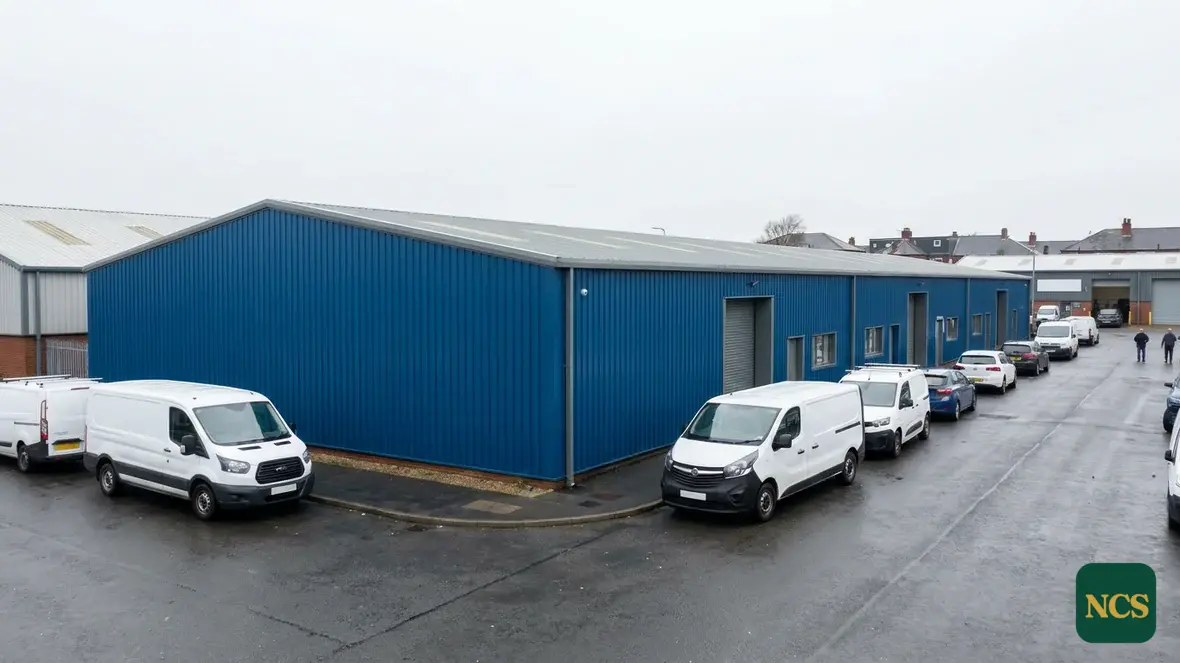
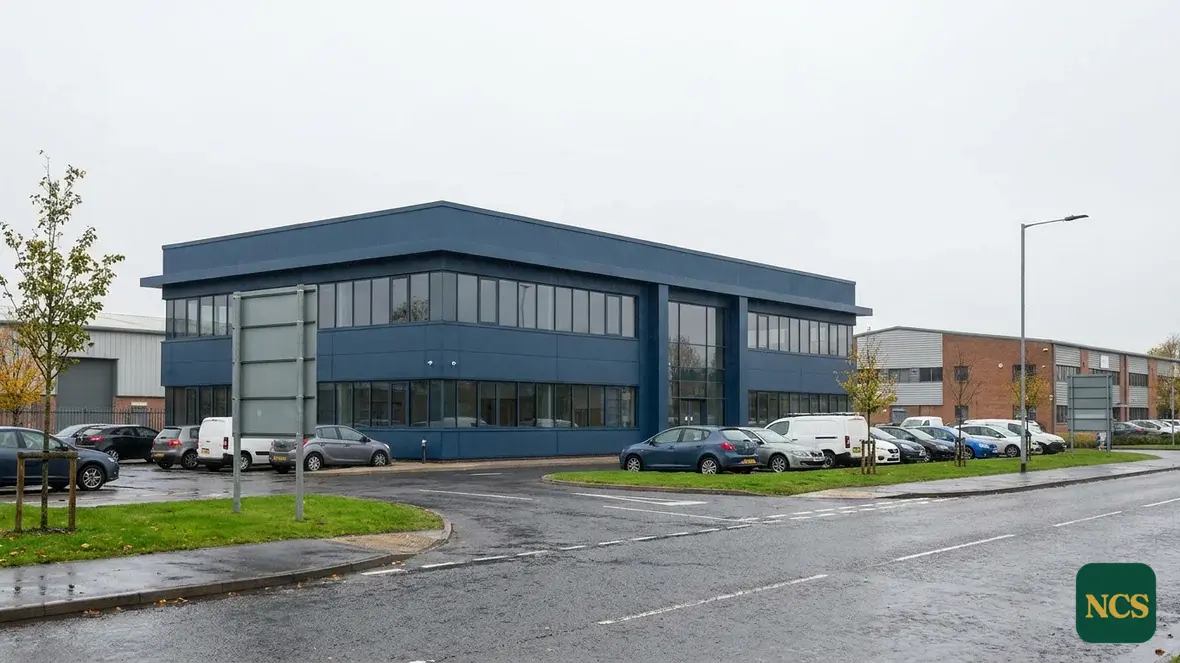
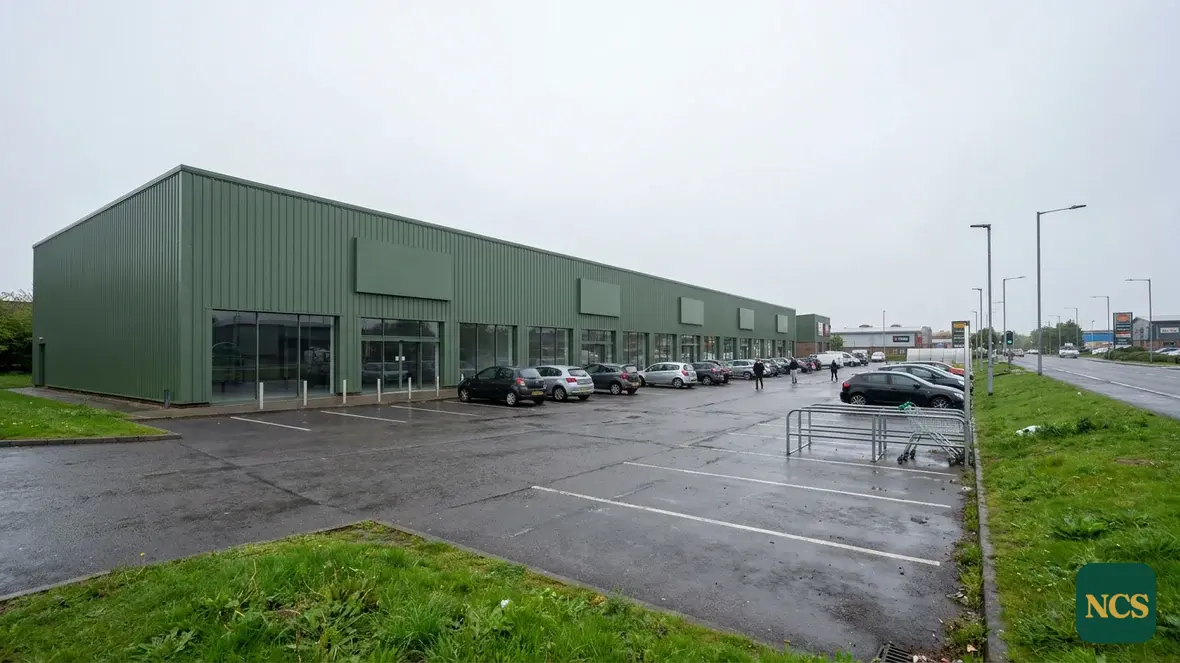
Chester’s famous for its historic centre, but the working buildings we coat sit on the business parks and estates around the ring road, and along the routes towards Deeside and the M53. That’s the stock where sprayed coatings really prove their worth. Typical candidates include:
- Profiled steel wall cladding on industrial and trade units
- Plastisol and PVDF coated panels that have faded or chalked
- Composite panels on distribution and food-sector buildings
- Curtain walling, window frames and entrance framing
- Roller shutters, fascias, soffits and rainwater goods
Changing the colour to a new RAL or BS shade is just as common as a like-for-like refurbishment. Especially when a unit changes hands and the incoming occupier wants their own identity on it, rather than the last tenant’s colours.
The honest part: jobs we turn down
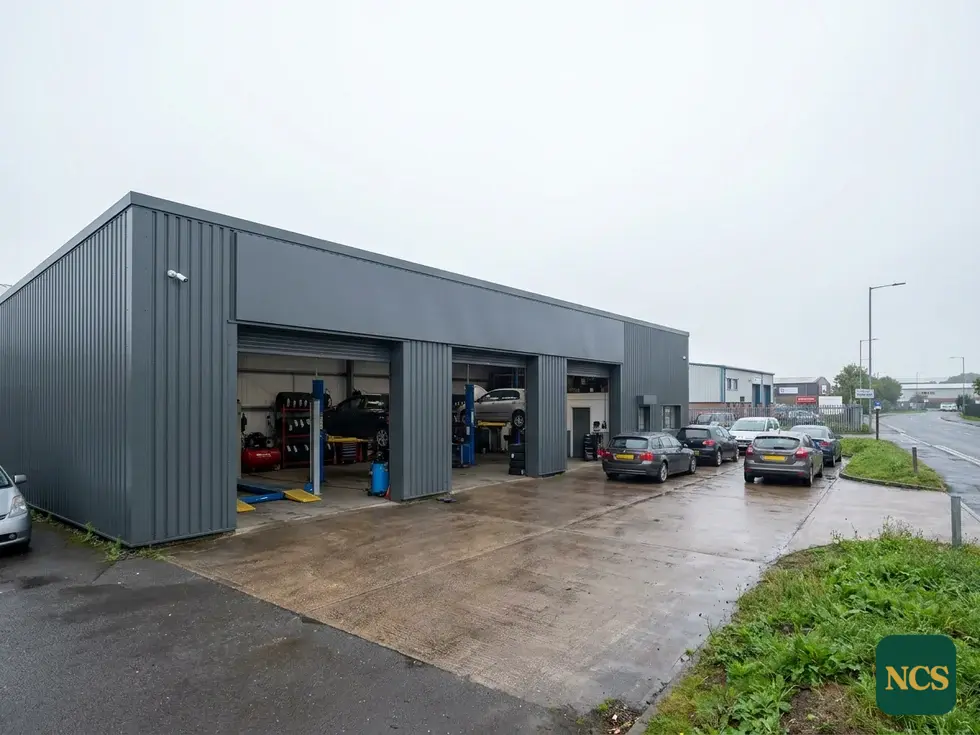
Some cladding simply shouldn’t be sprayed. We’ll tell you that in the survey report. Panels perforated by cut-edge corrosion, composite walls with wet or delaminating cores, or elevations with failed fixings or flashings, all need repair or replacement first. Coating over them just buys you a smart finish on a failing substrate. The same goes for buildings already scheduled for recladding on thermal or fire-safety grounds. A cosmetic spend now is simply wasted. If your building falls into one of those categories, you’ll hear it from us before any money changes hands, not after.
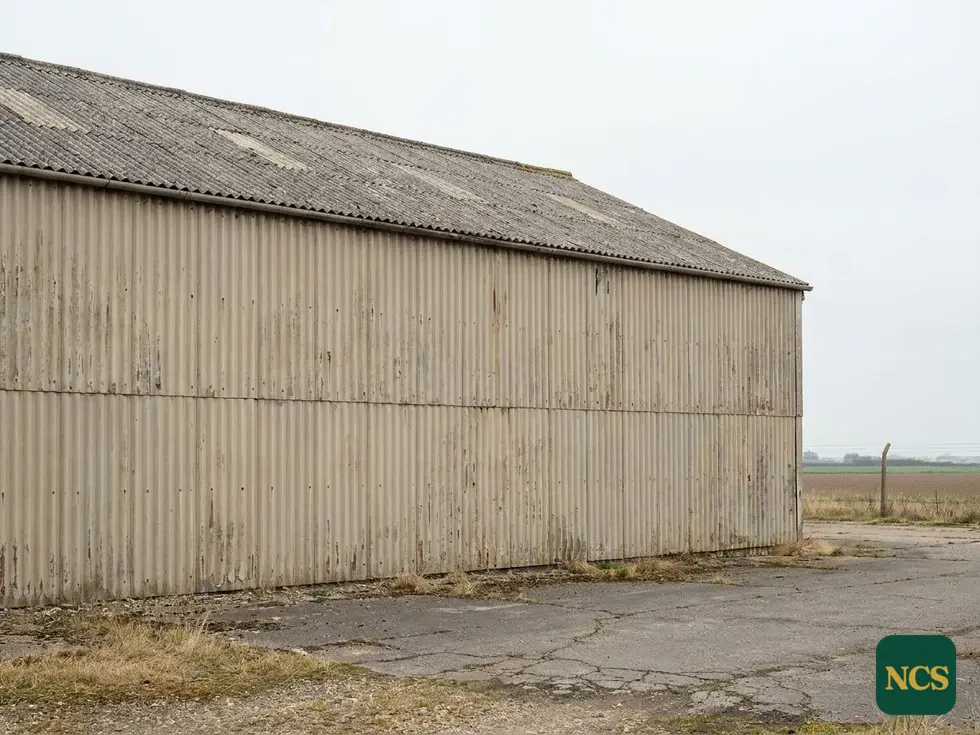
On-site cladding respraying keeps a Chester building working while the elevation is brought back, panel by panel.
From survey to sign-off
The survey produces a written condition report and a specification. That means the cleaning method, corrosion treatment, priming, the coating system and number of coats, plus the access plan. Work on site follows that document. First, washing and degreasing, then masking of glass, signage and hardstanding, followed by controlled spray application. Most projects run with the building still in use. We sequence the work elevation by elevation around deliveries, parking and occupied hours. We choose and cost the access equipment during the survey, so powered platforms, towers or scaffold are in the figure from day one, rather than arriving as a variation. The same teams handle Ellesmere Port, Wrexham, Warrington and Northwich, so if you operate sites either side of the border, you can deal with one contractor and get one standard of finish across the lot.
What survey-led means for you
A quotation built on a survey is a quotation that survives contact with the building. We specify the preparation before the price, so there’s no incentive on site to skip the stages you can’t see from the ground. You get a record of what condition each elevation was in, what was applied to it, and why. That’s useful evidence for landlords, agents and future buyers alike. And because the survey comes first, the decision to coat, or not to coat, is made on evidence rather than optimism. If a sprayed coating is the right answer for your Chester building, the survey will show it. If it’s not, the survey will save you from paying to find out the hard way.