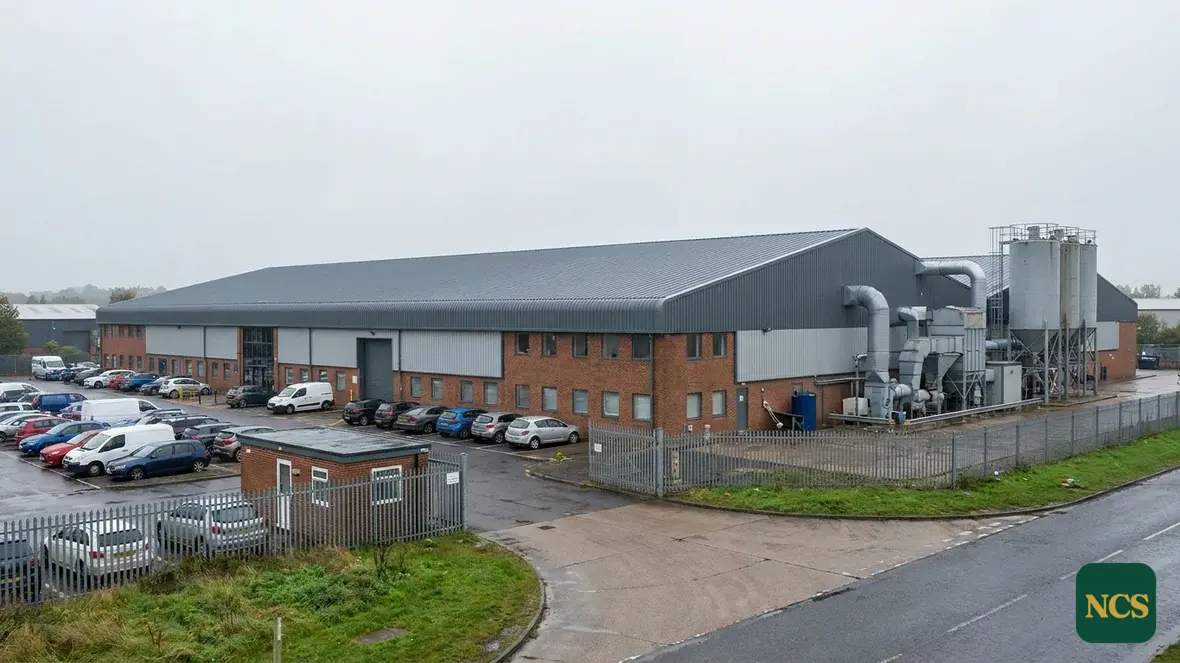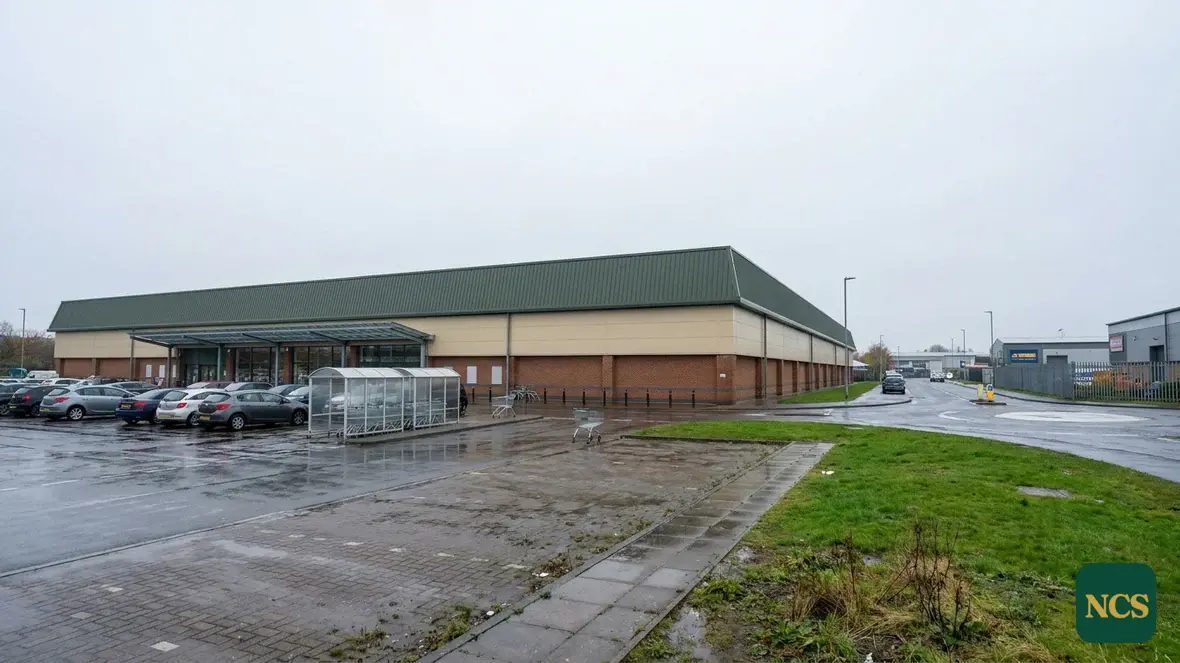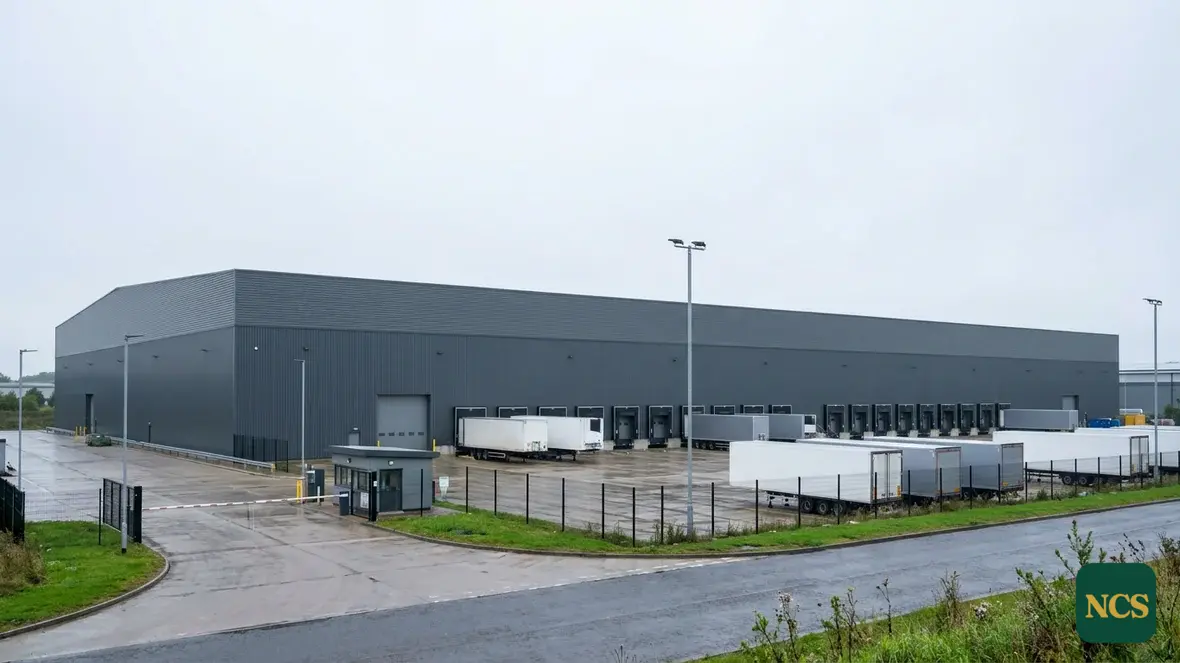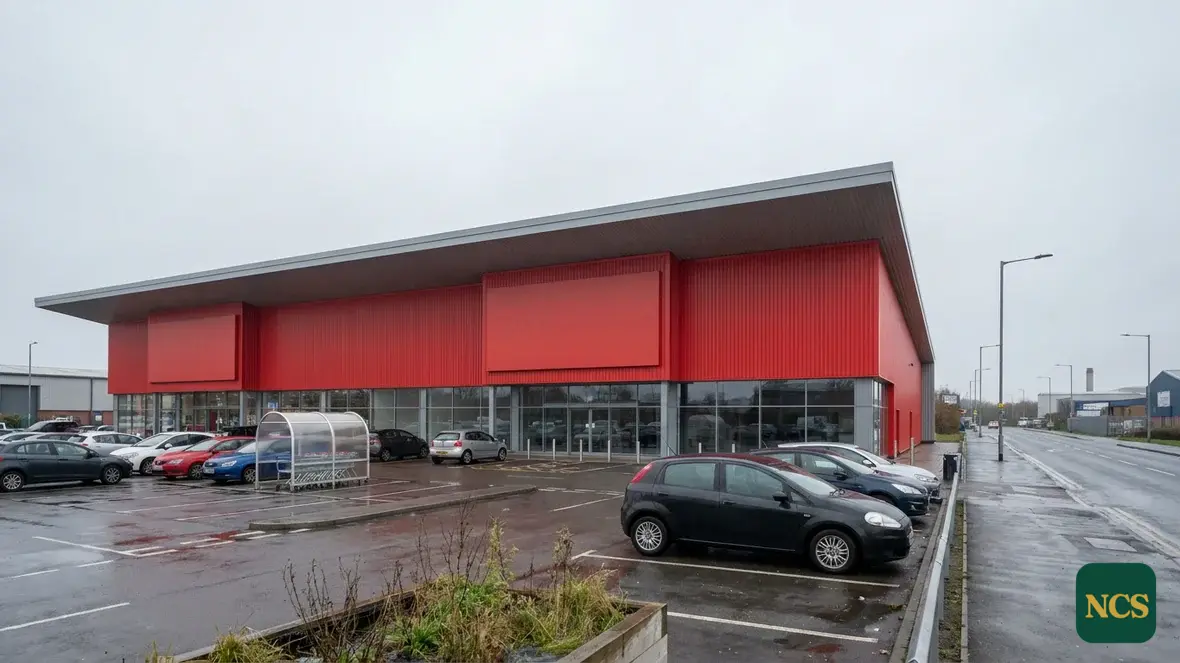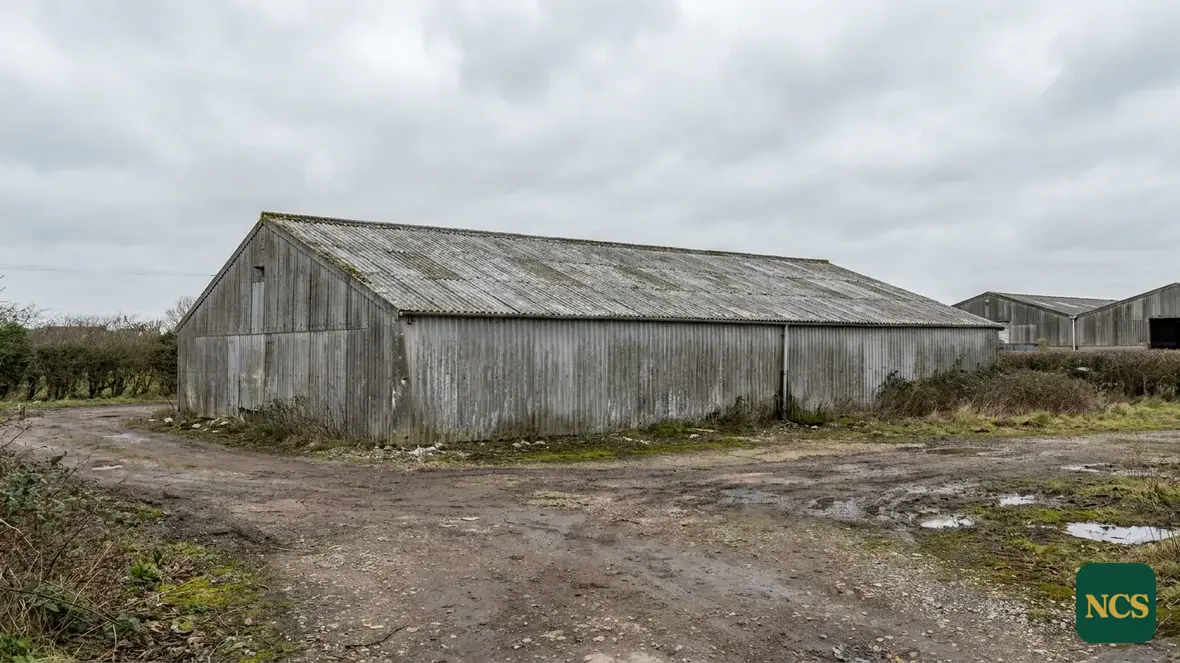
Industrial land in and around Oxford is scarce, costly and almost always occupied. The city is known for its labs and offices, but the units that keep it supplied, the warehouses, trade counters and light-industrial workshops on the ring-road estates and out towards the older manufacturing areas, mostly date back decades and sit under large profiled metal roofs that are showing their age. Replacing those roofs means displacing occupiers who have nowhere convenient to move to, which is precisely why coating deserves a place on the options list for any Oxford estates team weighing up an ageing roof.
Why scarce stock changes the maths
When demand for units outstrips supply, keeping an existing building serviceable is worth more than it would be elsewhere. A properly prepared coating system can add useful years to a tired but structurally sound roof, protect the letting value of the unit, and let an owner defer the capital cost of replacement to a moment of their own choosing. It matters to the occupier too: a unit with a sound roof is one nobody is forced to empty while strip-and-replace works drag on overhead. For estates teams managing older stock around Oxford, that is often the difference between a planned maintenance line and an unbudgeted emergency that arrives with the first serious leak.
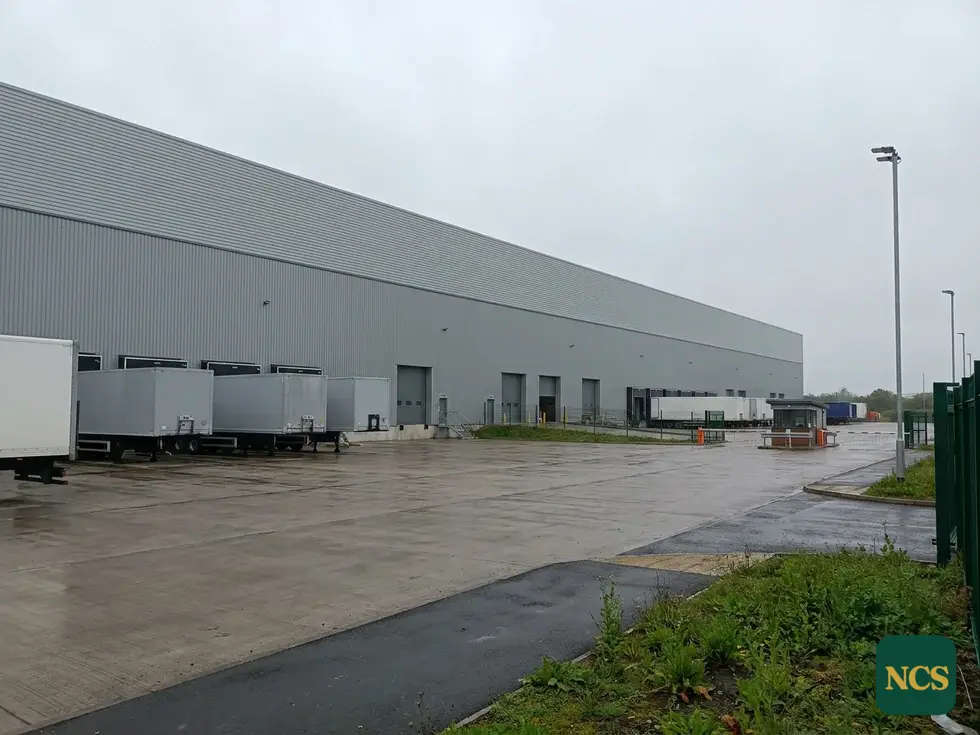
What we tend to find up there
The defects on this generation of roofs are consistent. Cut-edge corrosion at sheet ends and laps is the most common: the factory finish stops at the cut, bare steel rusts, and the corrosion creeps back under the coating until it delaminates. Alongside it we find chalking topcoats, brittle rooflights that have yellowed and cracked, rusting fasteners and gutters in worse shape than the roof they drain. Each is manageable on its own. Together and left unaddressed, they take years off the roof’s life. Treating them as one programme, with preparation, edge treatment, gutter works, rooflight replacement and a full coating system, deals with the roof as a whole rather than as a run of patches that never quite keeps pace with the deterioration.
How the work runs in Oxford
Everything begins with an inspection and ends with evidence. The work itself is carried out from roof level, so the building stays in use throughout, and on a shared estate the programme is phased and agreed with occupiers so nobody loses trading days. In practical terms a job runs like this:
- A survey covering sheets, edges, laps, fixings, rooflights and gutters
- A written condition report with photographs and plain findings
- A specification matched to the roof’s real condition, not a template
- Works carried out from roof level while the building stays occupied
- Phased programmes for multi-let estates, agreed with tenants
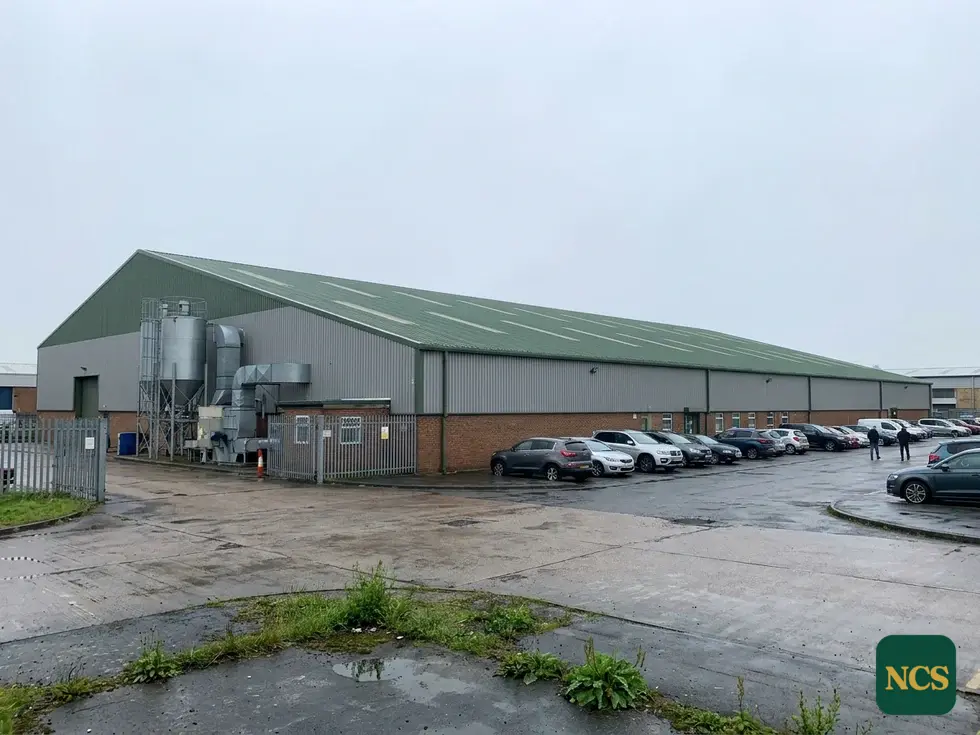
The roofs we advise against coating
Not every roof should be coated, and we say so in writing when it applies. Widespread perforation, corrosion coming through from the underside, saturated insulation within a built-up roof, or structural problems with purlins and fixings all rule a coating out, because the system would be hiding decay rather than preventing it. In those cases the survey report recommends repair or replacement and explains why, with photographs you can hand to a landlord, board or fund. An honest no at survey stage costs you nothing. A coating over a failed roof costs you twice, once for the work and again for the replacement it only delayed. Most of the roofs we see have not reached that point, and for those a coating is usually the most economical route available: a fraction of replacement cost, no strip-off waste, and a unit that keeps earning while the work is done. If a roof on your estate is streaking rust at the sheet ends, a survey is the logical and far cheaper next step.