Cladding Spraying in King’s Lynn
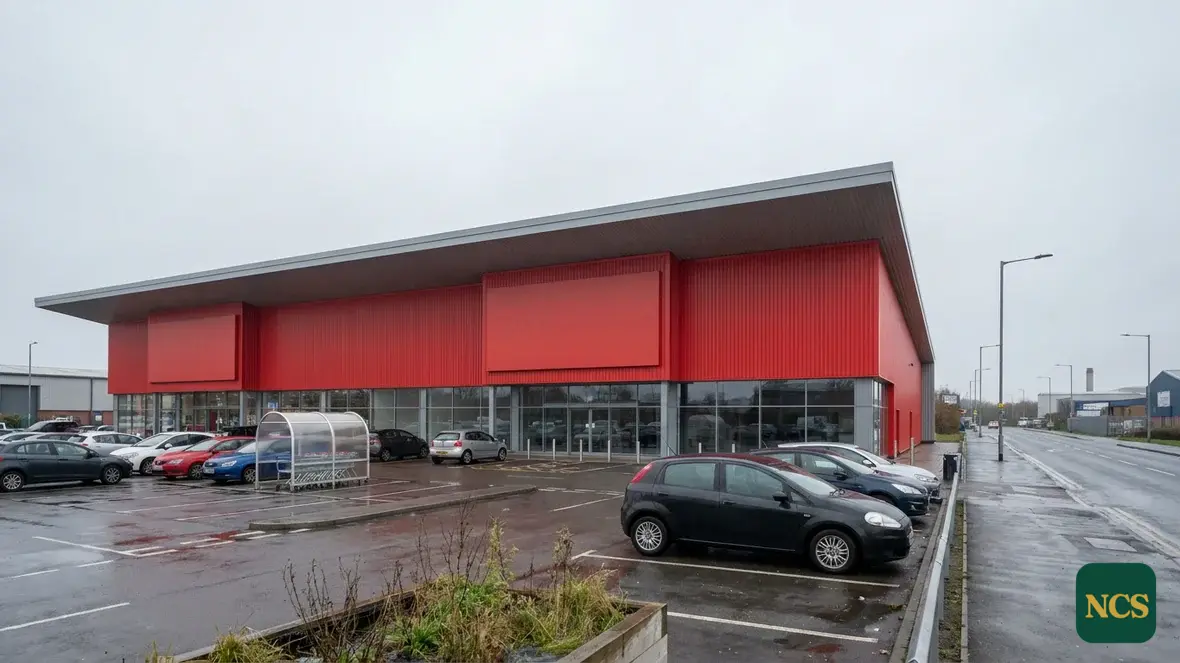
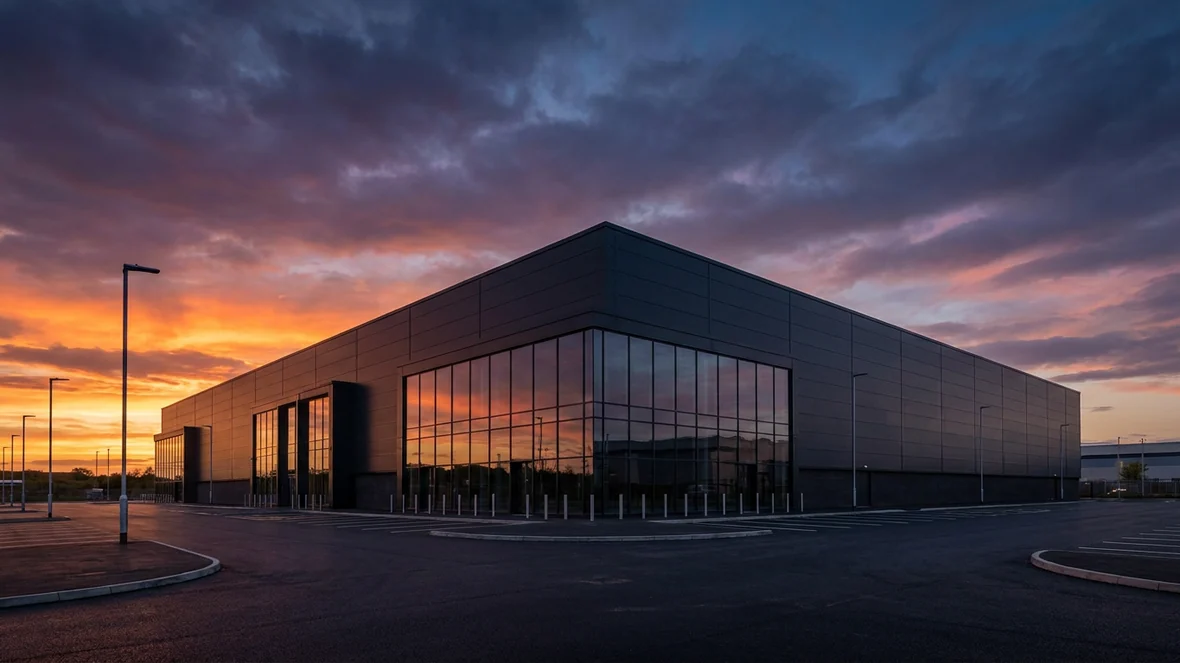
National Coating Specialists provide professional cladding spraying services across King’s Lynn and West Norfolk, restoring weathered commercial, industrial and agricultural buildings to protect them for years to come. Our specialist spray coatings bond directly to existing metal, concrete or composite cladding, creating a seamless protective layer that withstands Norfolk’s coastal weather while maintaining full structural integrity. Unlike replacement, spraying preserves the underlying framework – crucial for King’s Lynn’s many historic warehouses and food processing plants where original specifications must be maintained.
King’s Lynn Buildings That Need Cladding Protection
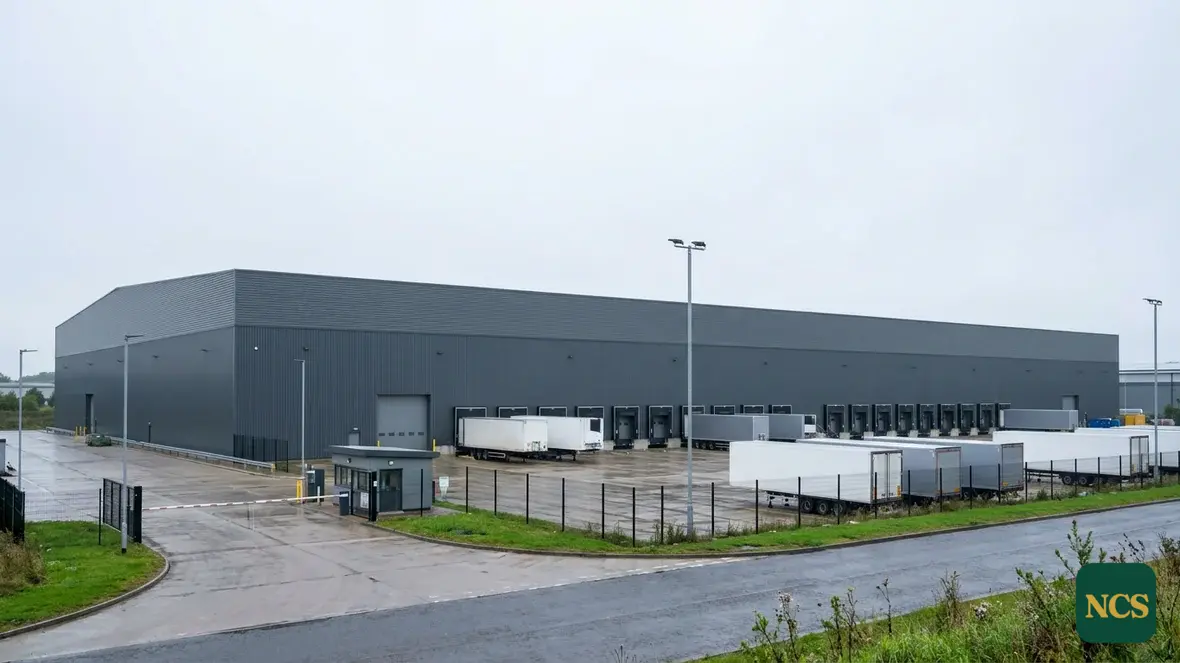
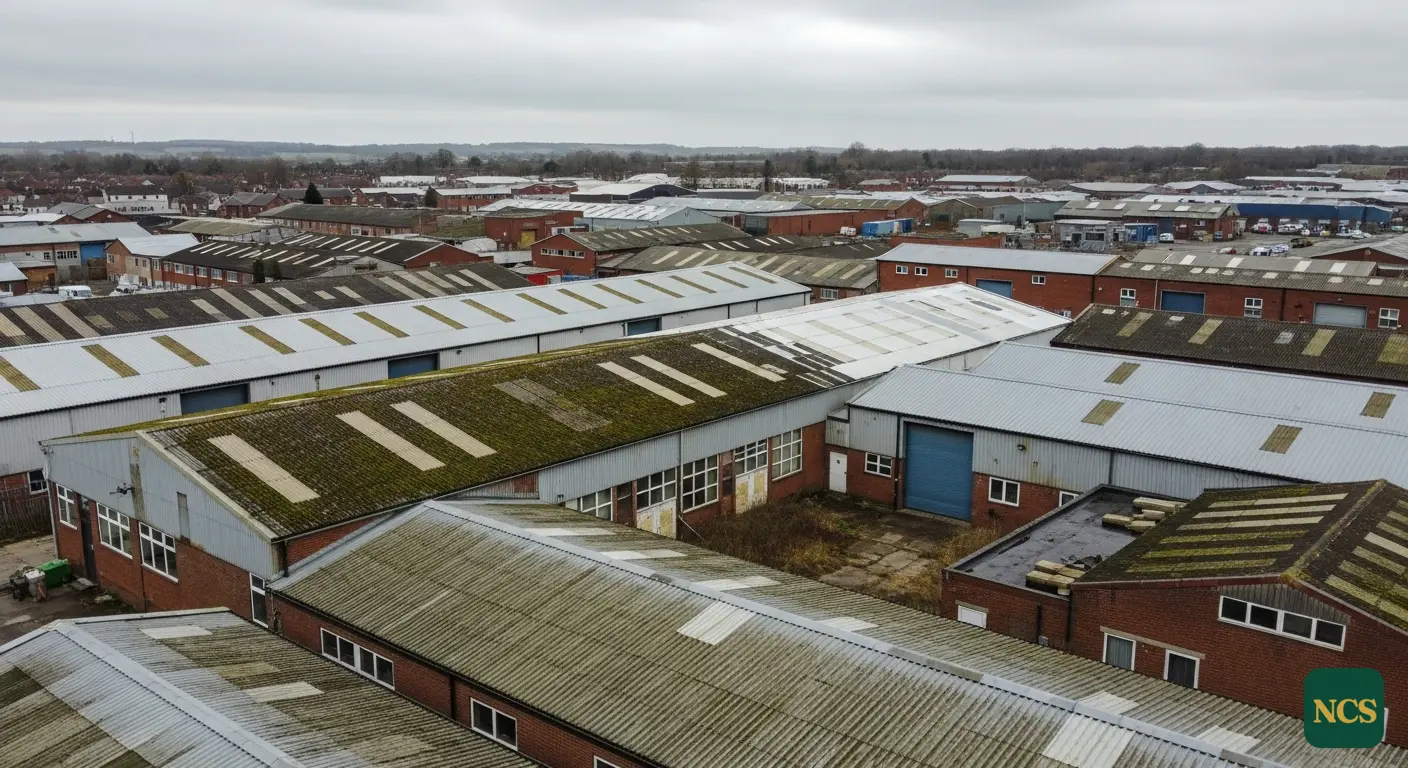
The port areas of South Lynn and industrial estates like Hardwick Narrows Estate house exactly the structures we protect daily: 1980s metal-clad food processing units suffering salt corrosion, distribution warehouses along the A47 with UV-degraded panels, and agricultural buildings across the Fens with cracked composite sidings. Specific local sites we’ve surveyed include the chilled storage facilities on Bergen Way, the fertiliser warehouses near Terrington St Clement, and poultry units along the A148 where ammonia vapours accelerate corrosion. Even newer builds like the Nar Ouse Regeneration Area developments benefit from preventative coating to avoid future issues.
Why King’s Lynn Cladding Fails
Three factors dominate here: coastal salt spray carried inland on prevailing westerlies, the ammonia-rich atmosphere from surrounding intensive agriculture, and decades of UV exposure on south-facing elevations. We commonly find the underside of roof sheets corroding first where condensation traps contaminants – a particular issue for cold storage facilities near the docks. At Queen Elizabeth Hospital’s outbuildings, we’ve documented how repeated thermal cycling causes fastener fatigue. Unlike inland regions, Norfolk’s flat landscape offers no windbreaks, so buildings take the full brunt of weather systems rolling in from The Wash.
Our Cladding Spraying Process
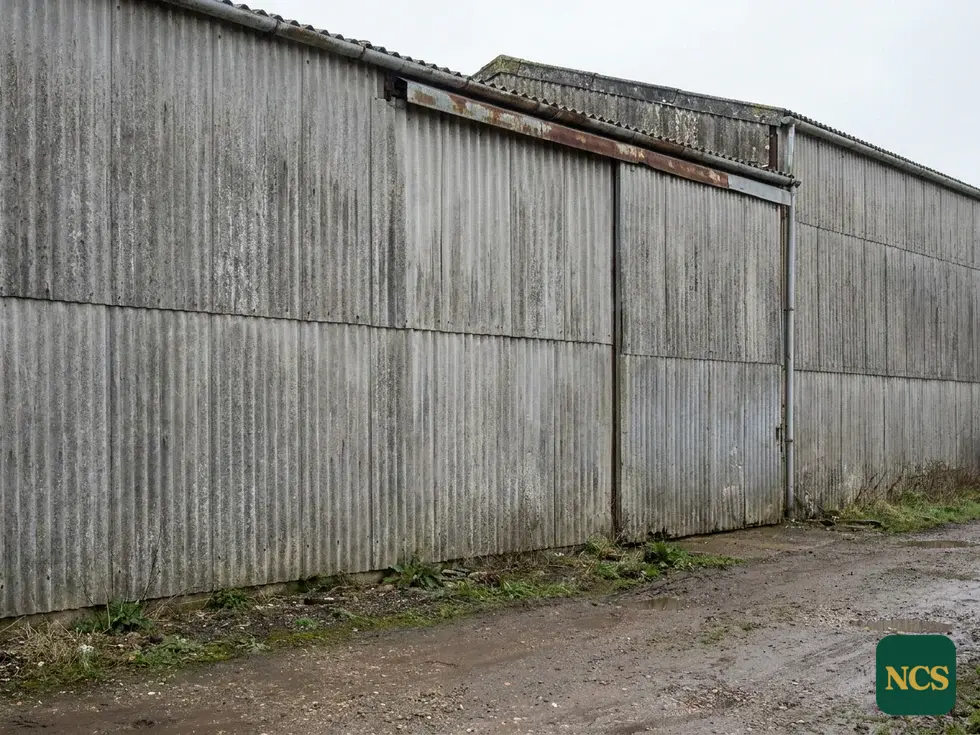
Every project begins with abrasive blasting to ISO 8501-1 Sa2.5 standard, removing all corrosion and creating the ideal surface profile for coating adhesion. For King’s Lynn’s ammonia-affected sites, we then apply a zinc-rich primer to sacrificially protect the substrate – a technique proven at local chicken processing plants. The final elastomeric topcoat bridges existing seams and minor cracks while remaining flexible enough to accommodate thermal movement. Crucially, we mask all ventilation inlets before spraying and conduct post-application air quality checks, especially important near sensitive areas like the hospital or schools.
Our Survey-Led Approach
We insist on surveying every King’s Lynn property because local conditions vary dramatically. A unit near the sugar beet processing plant faces different chemical exposures than one by the fishing quays. Our survey maps: panel material and thickness (often undocumented on older builds), fastener types and corrosion levels, insulation integrity, and contamination levels. Using moisture meters and thermal imaging, we identify hidden issues like condensation channels behind poorly installed vapour barriers – a recurring find in 1990s-era industrial units around the North Lynn Business Park. Only then do we specify the coating system.
When We Recommend Against Spraying
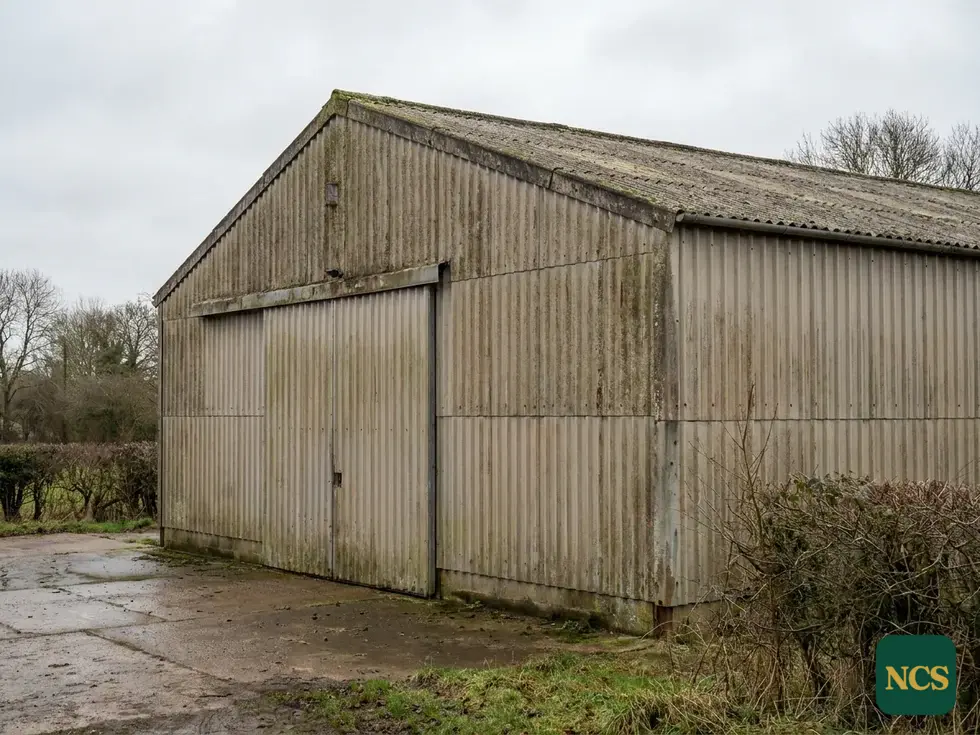
We’ll advise alternative solutions if we find: severe structural corrosion (common on unmaintained agricultural buildings), asbestos-containing cladding (still present in some 1960s factories near the railway), or substrates incompatible with coatings (certain composite panels). In these cases – encountered at several South Lynn scrapyards and older food processing plants – we document the issues and provide impartial guidance on replacement options, because spraying would be unethical and short-lived.
- All work backed by a 10-year materials and labour warranty
- Local teams familiar with King’s Lynn’s specific corrosion challenges
- SPRA and NACE-certified applicators
- Minimal disruption – most sites operational within 48 hours
- Full environmental controls for sensitive locations
For more details on our cladding spraying services across Norfolk, visit our cladding spraying page or request a no-obligation survey.